Artist Agreement Form Statement For Graduate School In North Carolina
Description

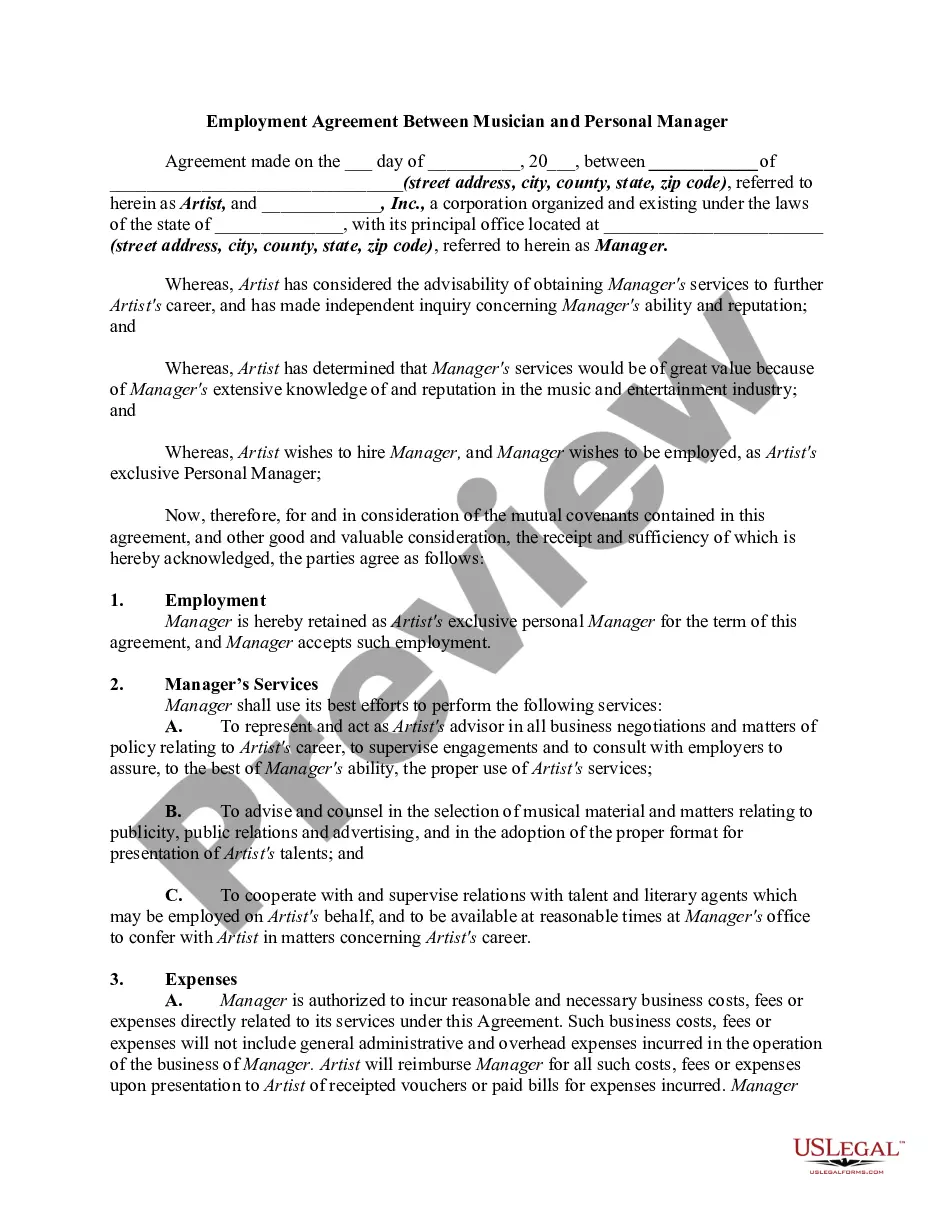
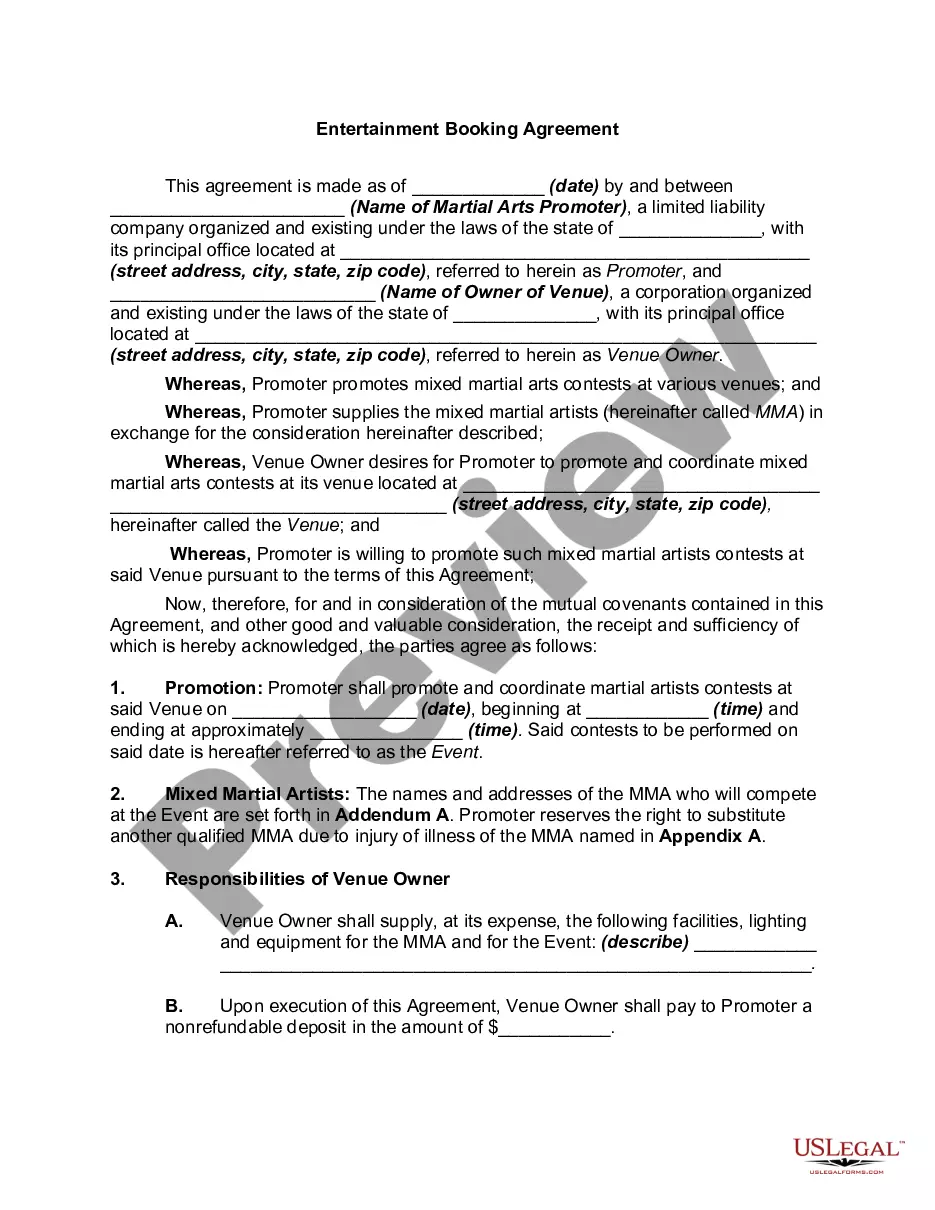
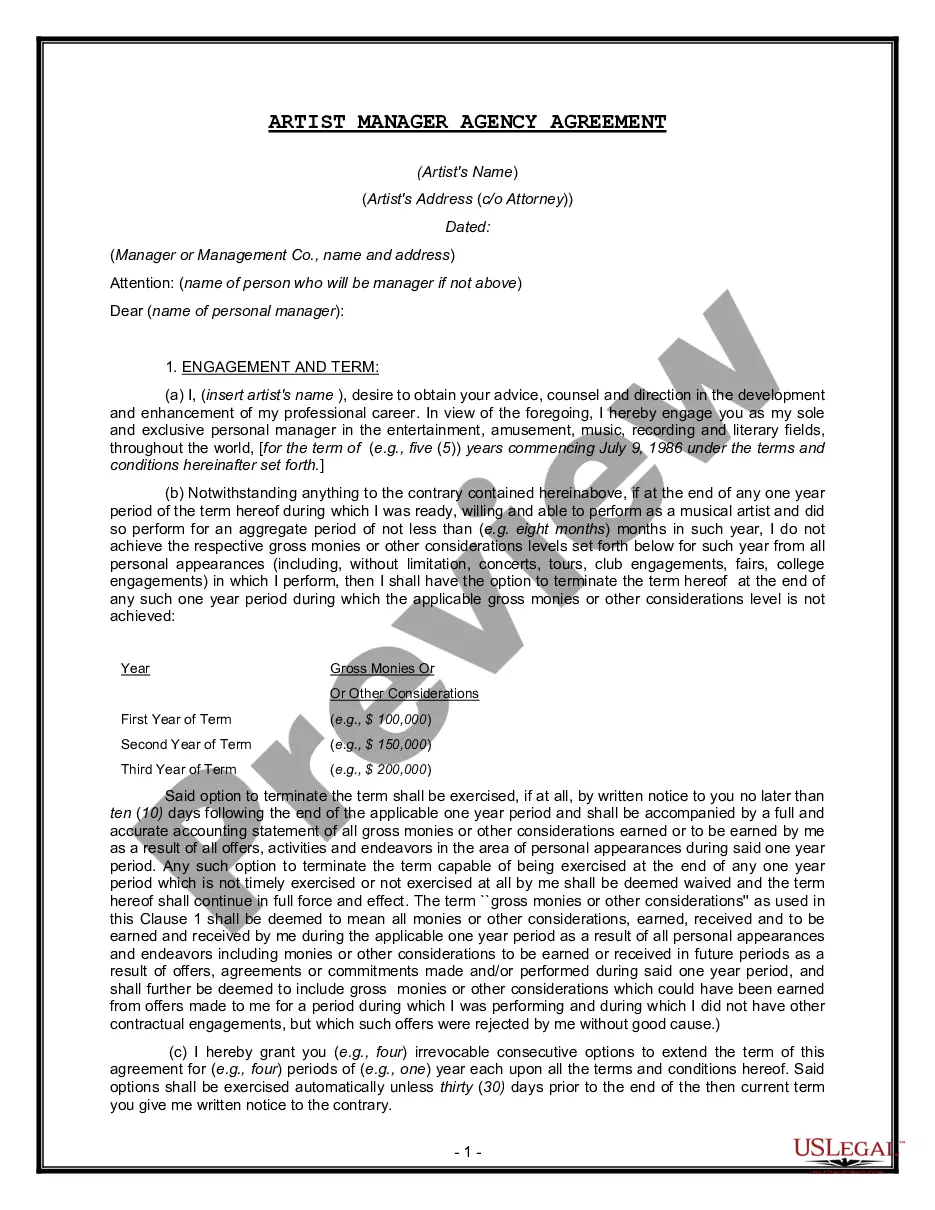
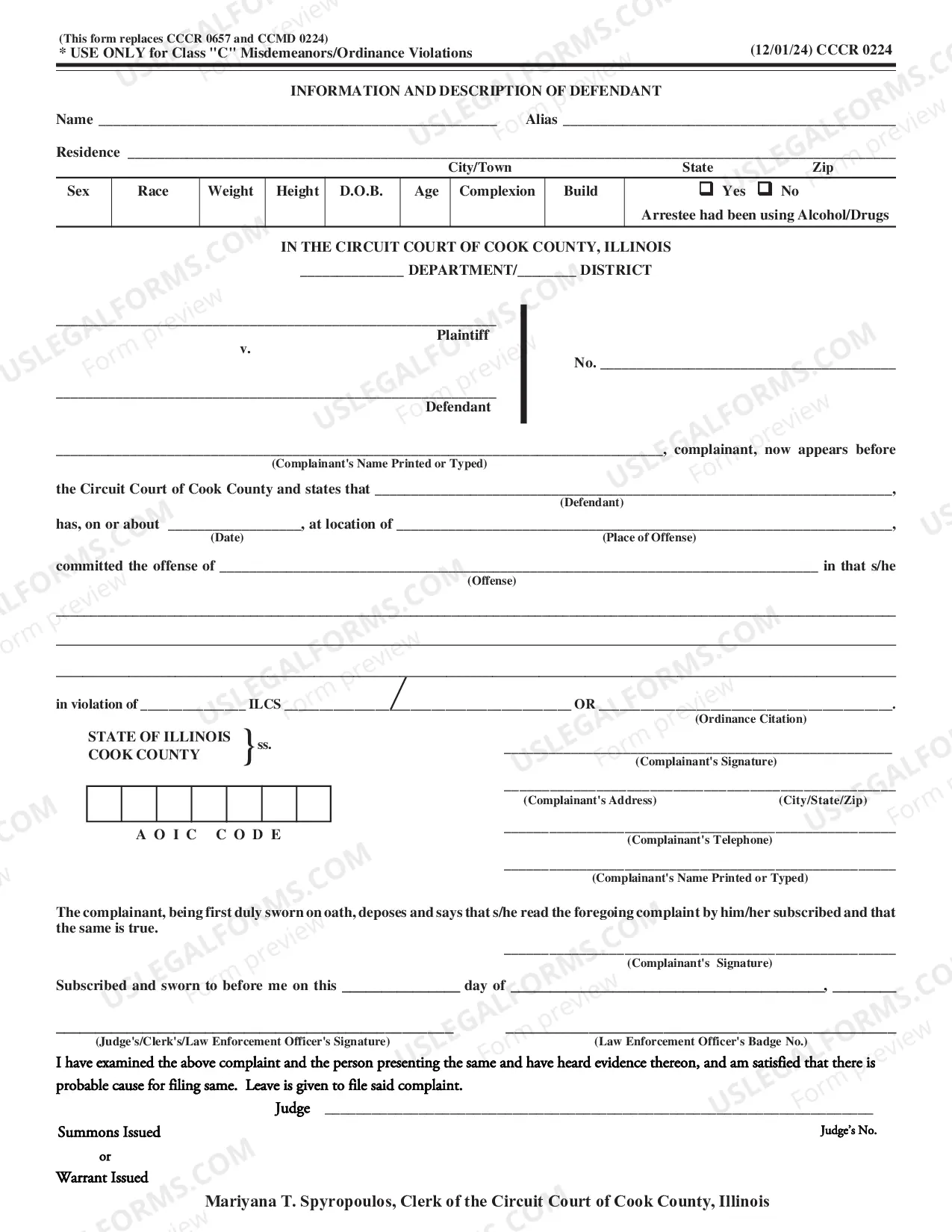
Get your form ready online
Our built-in tools help you complete, sign, share, and store your documents in one place.
Make edits, fill in missing information, and update formatting in US Legal Forms—just like you would in MS Word.
Download a copy, print it, send it by email, or mail it via USPS—whatever works best for your next step.
Sign and collect signatures with our SignNow integration. Send to multiple recipients, set reminders, and more. Go Premium to unlock E-Sign.
If this form requires notarization, complete it online through a secure video call—no need to meet a notary in person or wait for an appointment.
We protect your documents and personal data by following strict security and privacy standards.

Make edits, fill in missing information, and update formatting in US Legal Forms—just like you would in MS Word.

Download a copy, print it, send it by email, or mail it via USPS—whatever works best for your next step.

Sign and collect signatures with our SignNow integration. Send to multiple recipients, set reminders, and more. Go Premium to unlock E-Sign.

If this form requires notarization, complete it online through a secure video call—no need to meet a notary in person or wait for an appointment.

We protect your documents and personal data by following strict security and privacy standards.
Looking for another form?



Form popularity
FAQ
I created… First I used <art supply> to… Then I added… At first I was going to do this, but then I changed my mind and...
What information does an artist's statement need to include? There are three elements to consider: the “how,” the “what,” and the “why.” There should be enough information in your artist statement that someone can begin to imagine the art that you make without having it in front of them.
Consider the following advice when writing your artist statement: Brainstorm. The first hurdle is to figure out what to write about. Freewrite. Rewrite what stands out. In general, be specific. Be clear and concise. Proofread. Use your own voice.
“My work is a collection of a variety of resources, a collection of experiences. It's about understanding history, understanding the power of history, the power of power, the power of beauty, the power of transformation, and the power of purpose.”
An artist's statement should tell the viewer what they need to know about you and your artwork in a simple and concise way. Generally, an artist's statement shouldn't be 150 to 200 words.
What Is an Artist's Statement? A general introduction to your work, a body of work, or a specific project. It should open with the work's basic ideas in an overview of two or three sentences or a short paragraph. The second paragraph should go into detail about how these issues or ideas are presented in the work.
Often, artists are instructed to write a three-paragraph statement that begins with a broad overview of their ideas, then gives an explanation of their materials, and ends with a description of their personal philosophies.
Here's an example: “Art has always been my muse, guiding my life's path towards creative expression. From the moment I held a paintbrush, I knew that art was more than just colors on a canvas; it was a form of storytelling, a means to connect with the world and express the deepest facets of my being.”
Avoid phrases like, ``I want to...'' or, ``I'm trying to...'' or, ``My intention is...'' Just say what you're doing: ``I expose the gritty underbelly of urban life...'' or, ``These paintings explore the wonders of nature and the beauty of our world...'' Don't be wishy-washy about it.
Writing an Artist Statement Take five minutes and think about why you do what you do. Why do you like to make art? What subjects/themes do you prefer? ... What processes and techniques do you use? ... What are your goals and aspirations as an artist? Who or what inspires you? Make a list of words and phrases.
