Management Agreement For Llc In Montgomery
Description

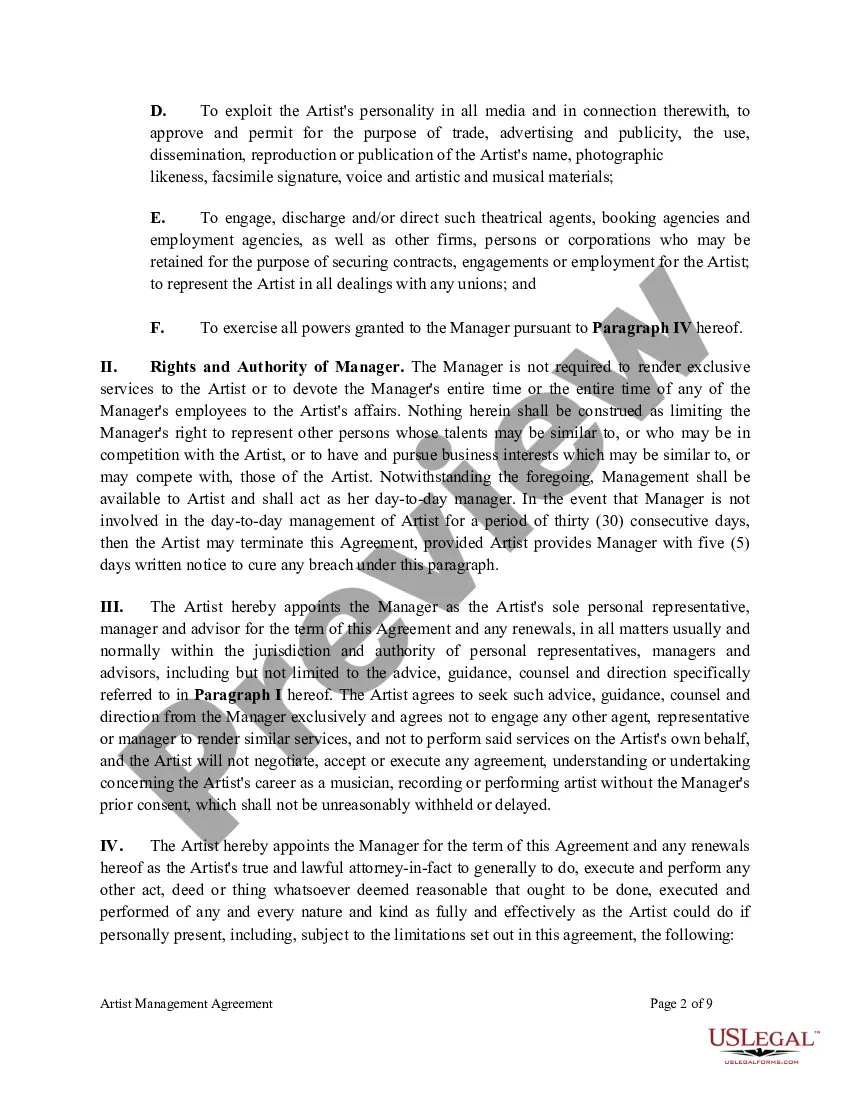
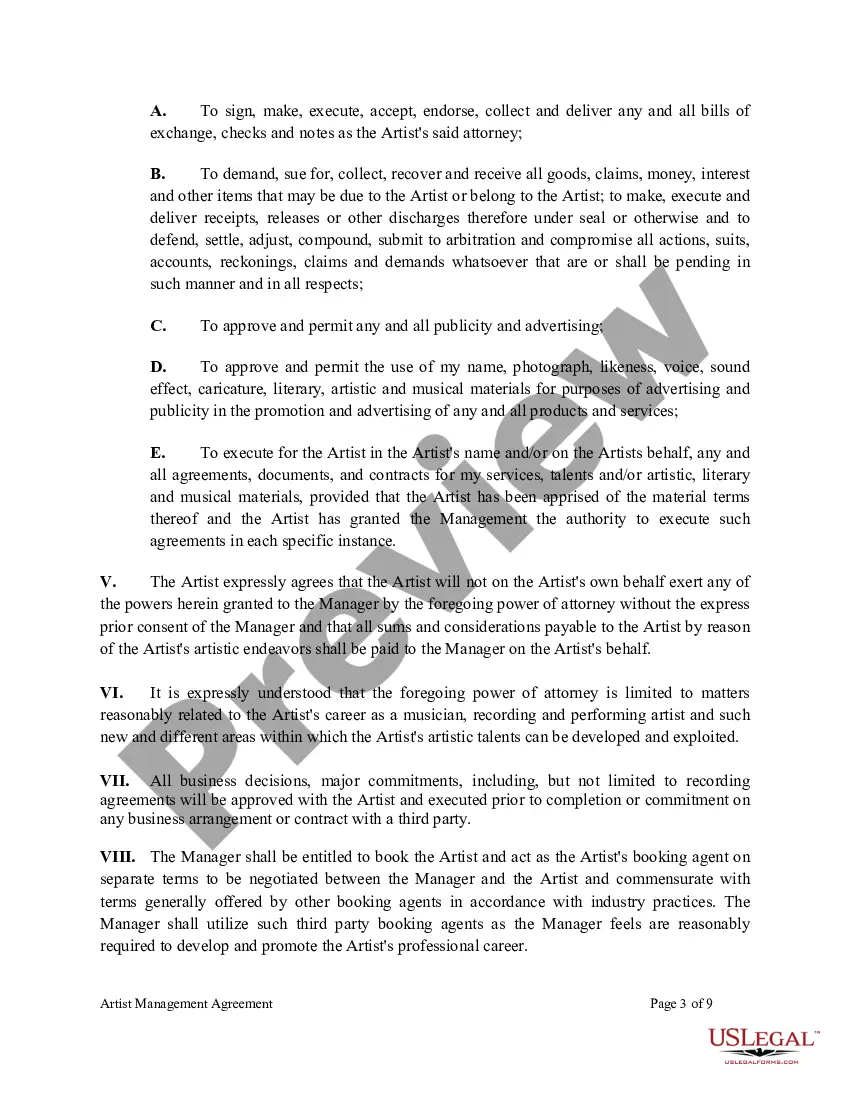
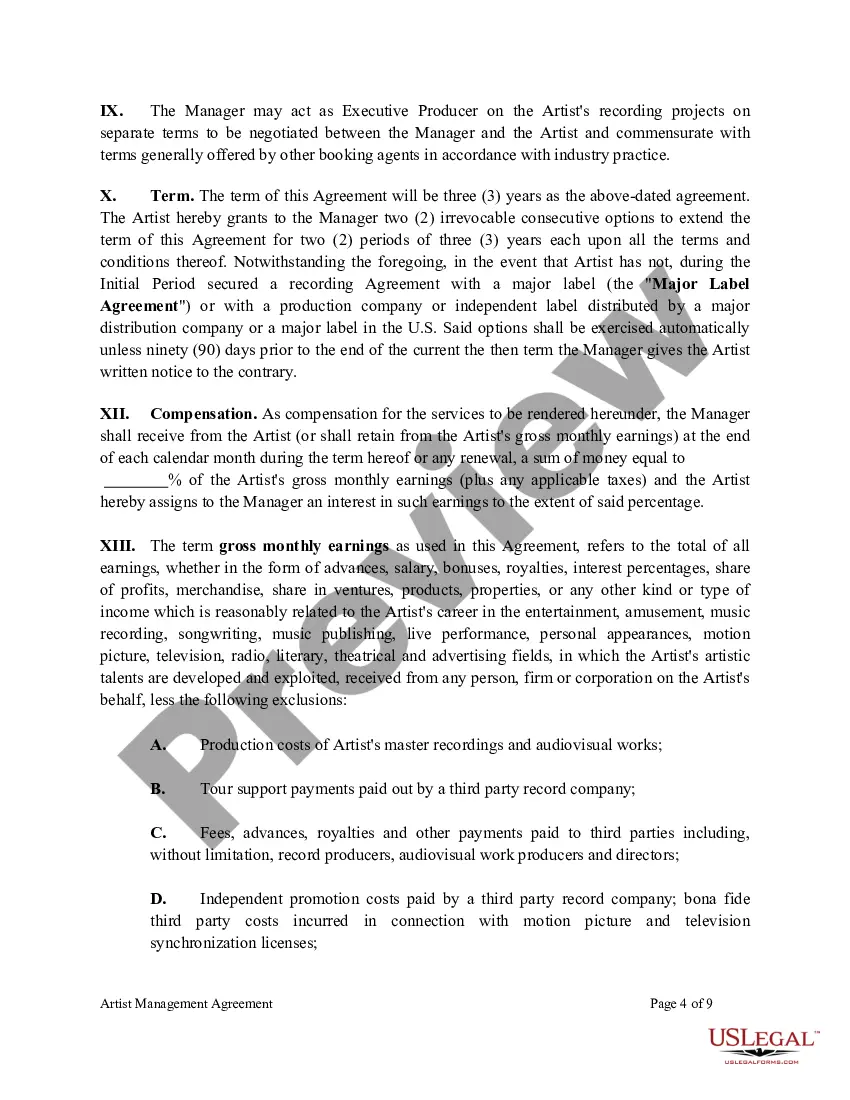
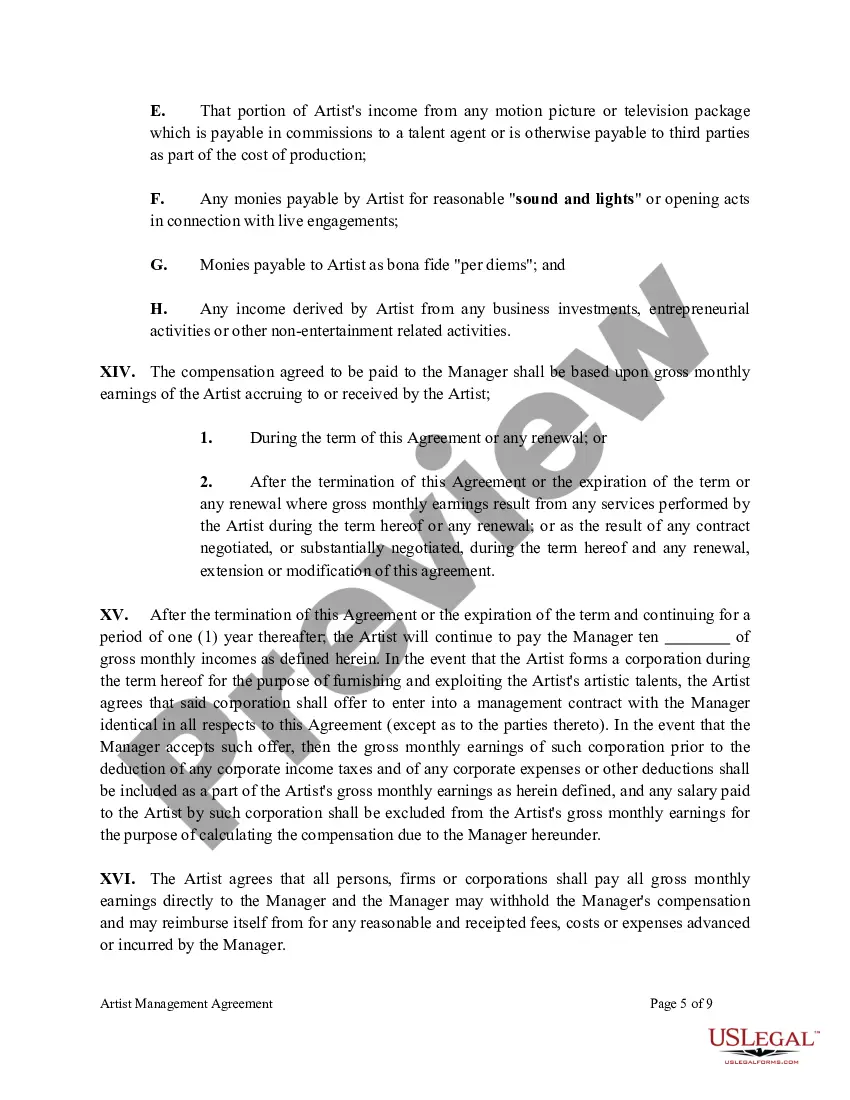
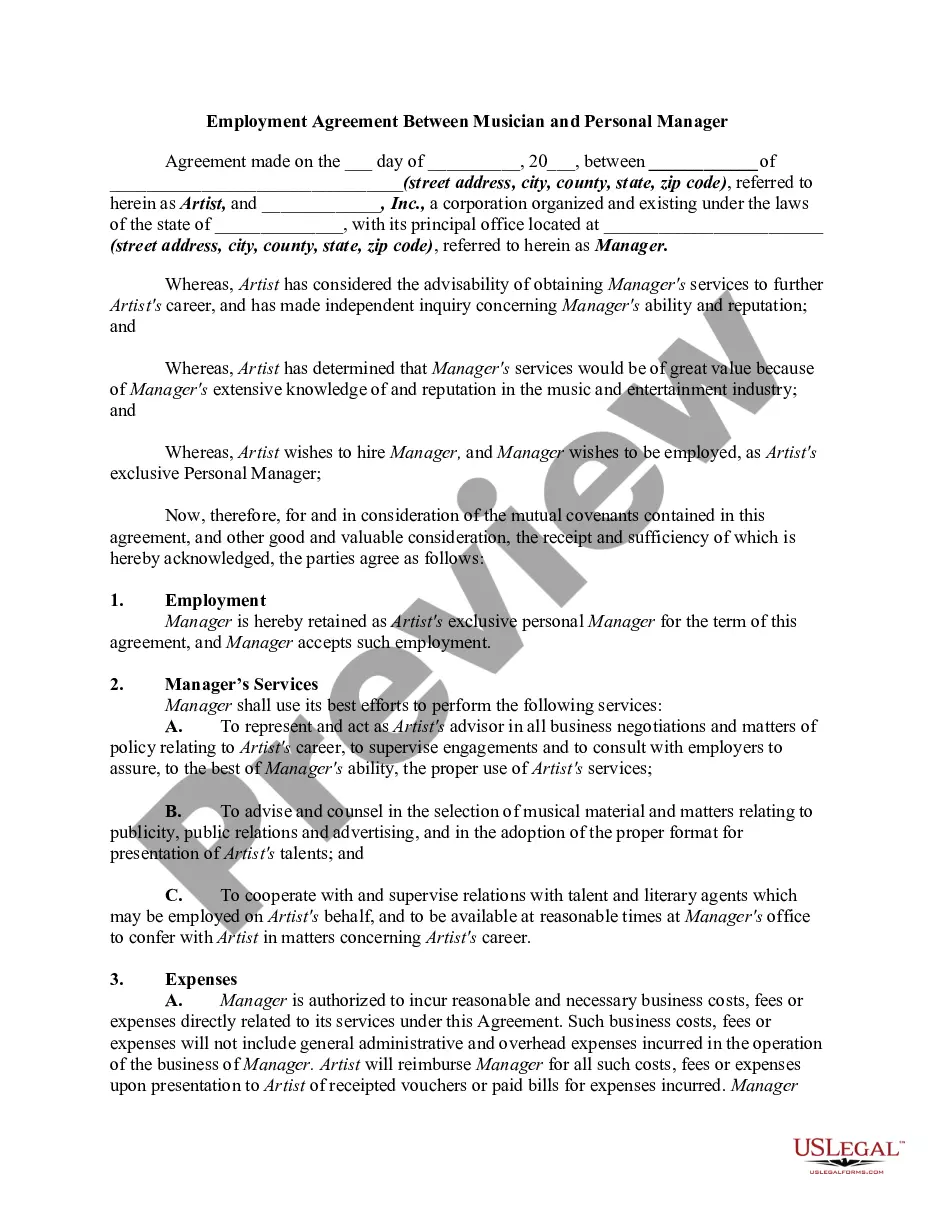
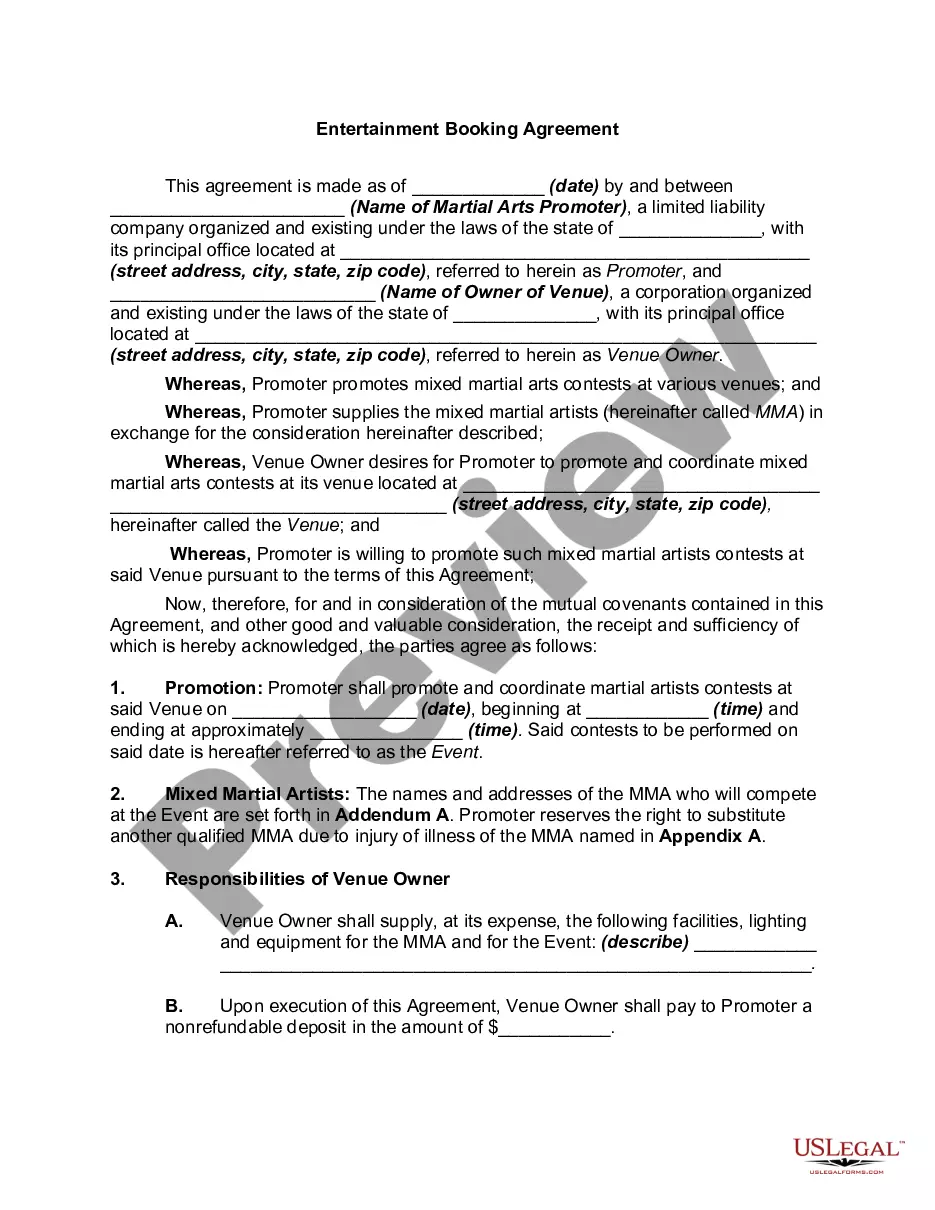
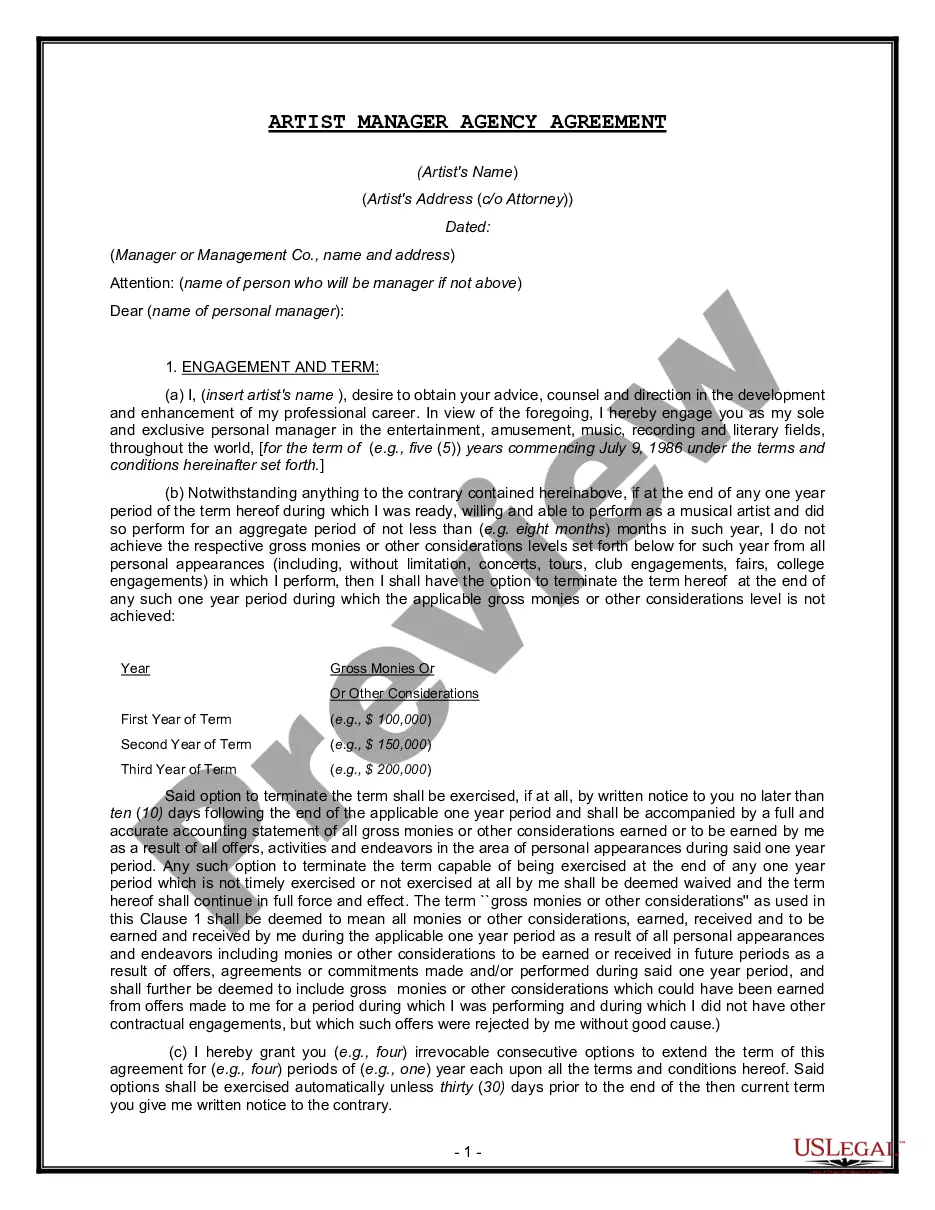
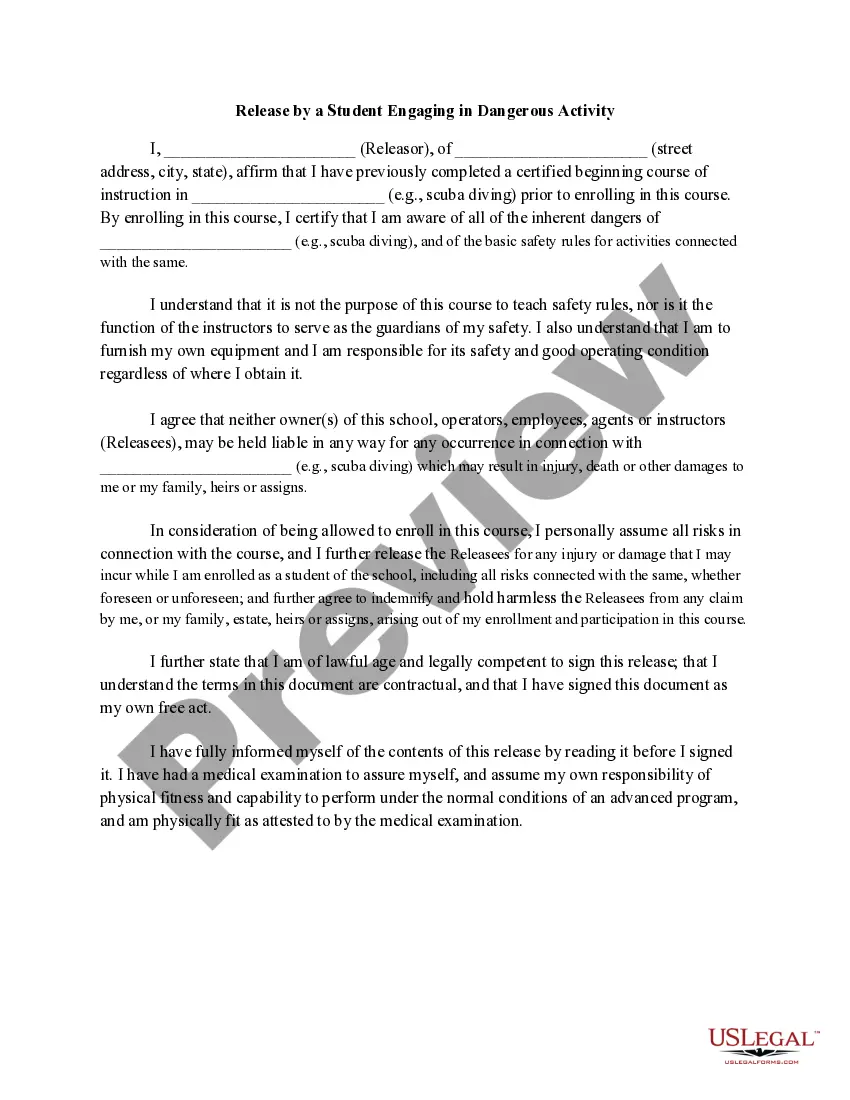
Get your form ready online
Our built-in tools help you complete, sign, share, and store your documents in one place.
Make edits, fill in missing information, and update formatting in US Legal Forms—just like you would in MS Word.
Download a copy, print it, send it by email, or mail it via USPS—whatever works best for your next step.
Sign and collect signatures with our SignNow integration. Send to multiple recipients, set reminders, and more. Go Premium to unlock E-Sign.
If this form requires notarization, complete it online through a secure video call—no need to meet a notary in person or wait for an appointment.
We protect your documents and personal data by following strict security and privacy standards.

Make edits, fill in missing information, and update formatting in US Legal Forms—just like you would in MS Word.

Download a copy, print it, send it by email, or mail it via USPS—whatever works best for your next step.

Sign and collect signatures with our SignNow integration. Send to multiple recipients, set reminders, and more. Go Premium to unlock E-Sign.

If this form requires notarization, complete it online through a secure video call—no need to meet a notary in person or wait for an appointment.

We protect your documents and personal data by following strict security and privacy standards.
Looking for another form?









Form popularity
FAQ
Member-managed LLCs suit smaller or family-run businesses, allowing members to actively participate in management decisions. Manager-managed LLCs are ideal for larger businesses where not all members wish to be involved in daily operations, or where professional management is desired.
How to create an LLC operating agreement in 9 steps Decide between a template or an attorney. Include your business information. List your LLC's members. Choose a management structure. Outline ownership transfers and dissolution. Determine tax structure. Gather LLC members to sign the agreement. Distribute copies.
Can I write my own Operating Agreement? Yes, but we recommend using an Operating Agreement template. An Operating Agreement is a legal document. You don't have to hire an attorney to write one, though.
Yes, you can write your own contract. However, including all necessary elements is crucial to make it legally binding.
Once the document is signed by the members of the limited liability company, it acts as an official contract binding them to its terms.
Their absence can lead to governance by default state laws, management, and financial disorganization, and increased legal vulnerabilities. LLCS should draft and maintain an operating agreement tailored to their specific business needs.
In a member-managed LLC, members (owners) are responsible for the LLC's day-to-day operations. In a manager-managed LLC, members appoint or hire a manager or managers to run the business. Whoever manages your LLC will be able to open and close bank accounts, hire and fire employees, enter contracts, and take out loans.
There are two basic management structures for an LLC: a “Member-Managed LLC” vs. a “Manager-Managed LLC.” Choosing the right one for your business will depend on such factors as the type of business it is, the number of owners, and who you want to make decisions for the business.
The 5 states requiring an operating agreement are California, Delaware, Maine, Missouri, and New York.
