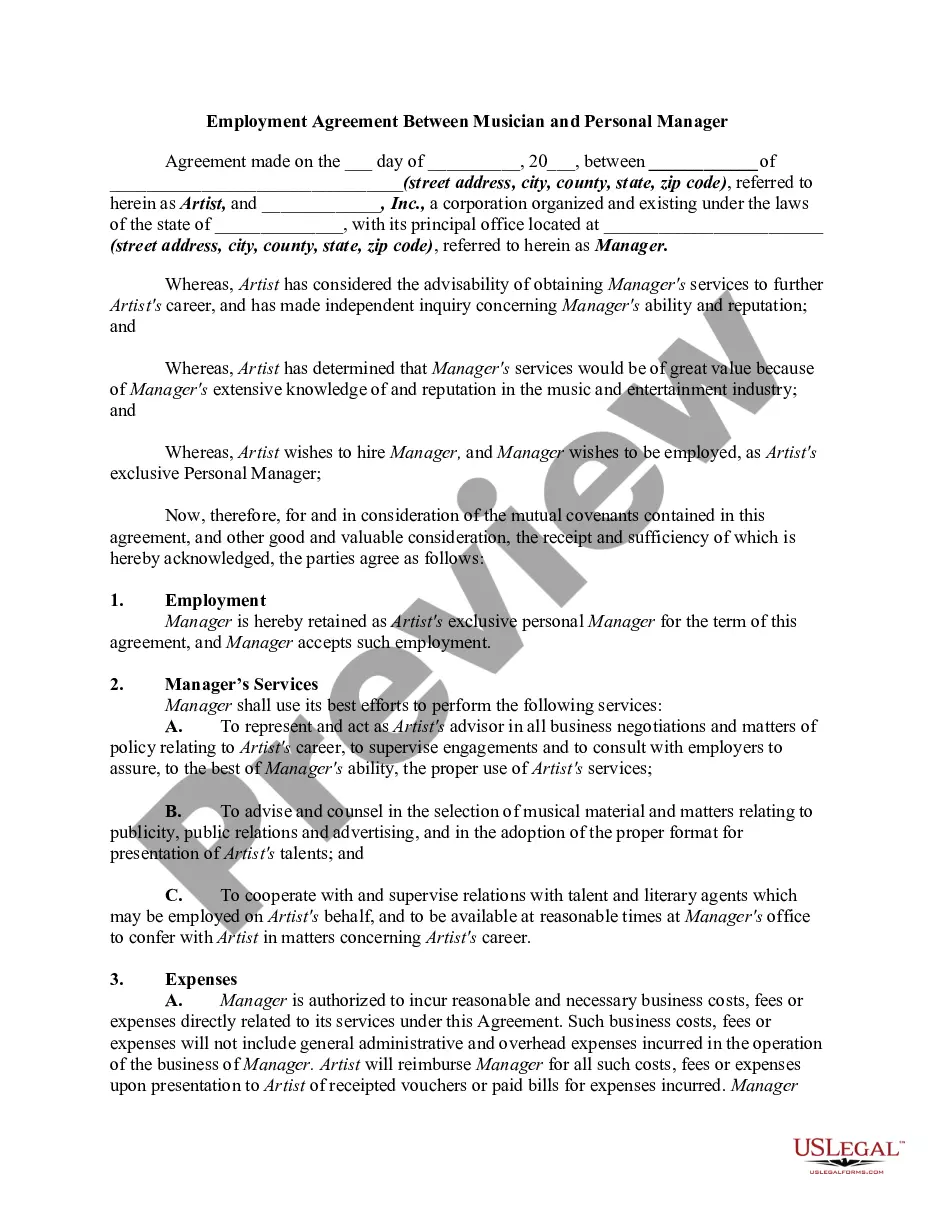
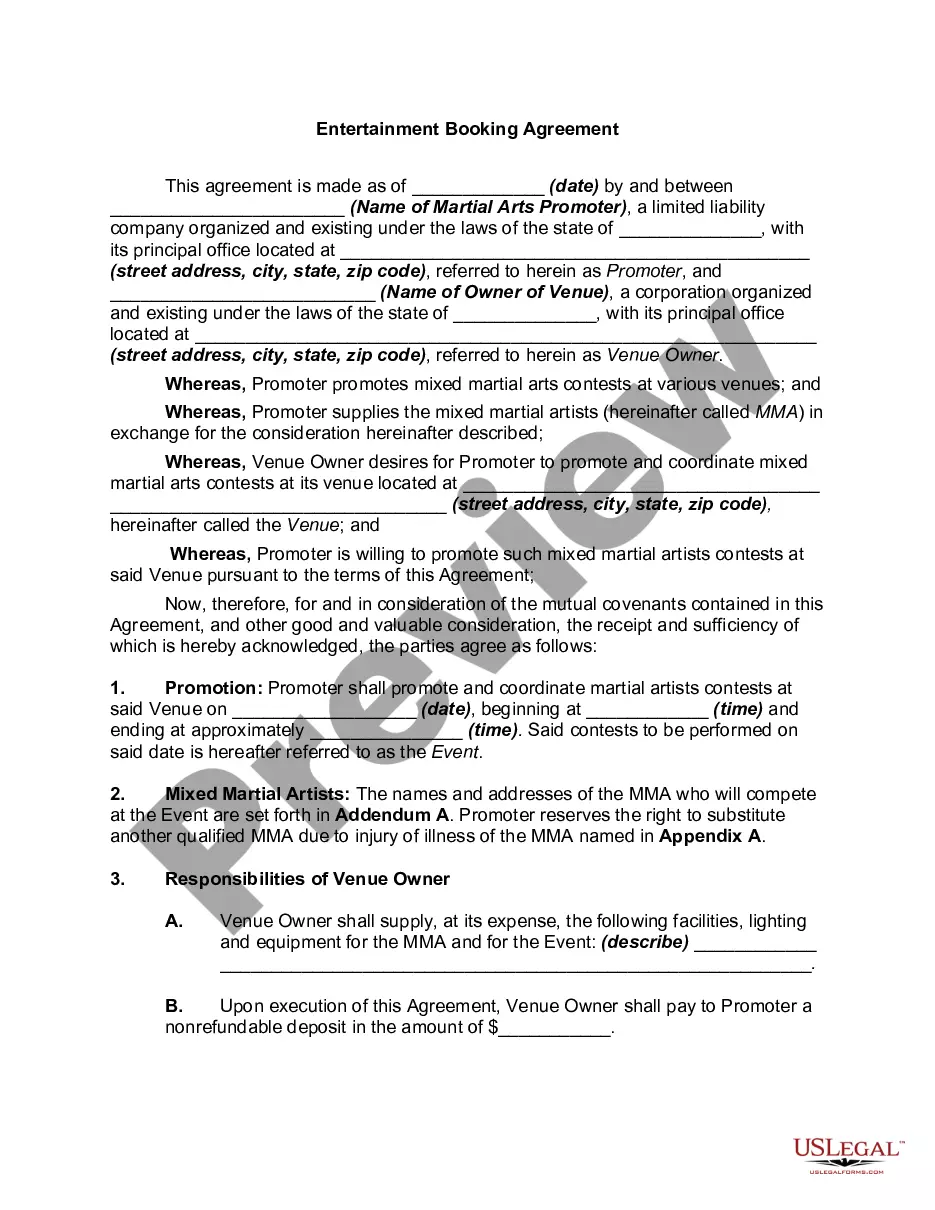
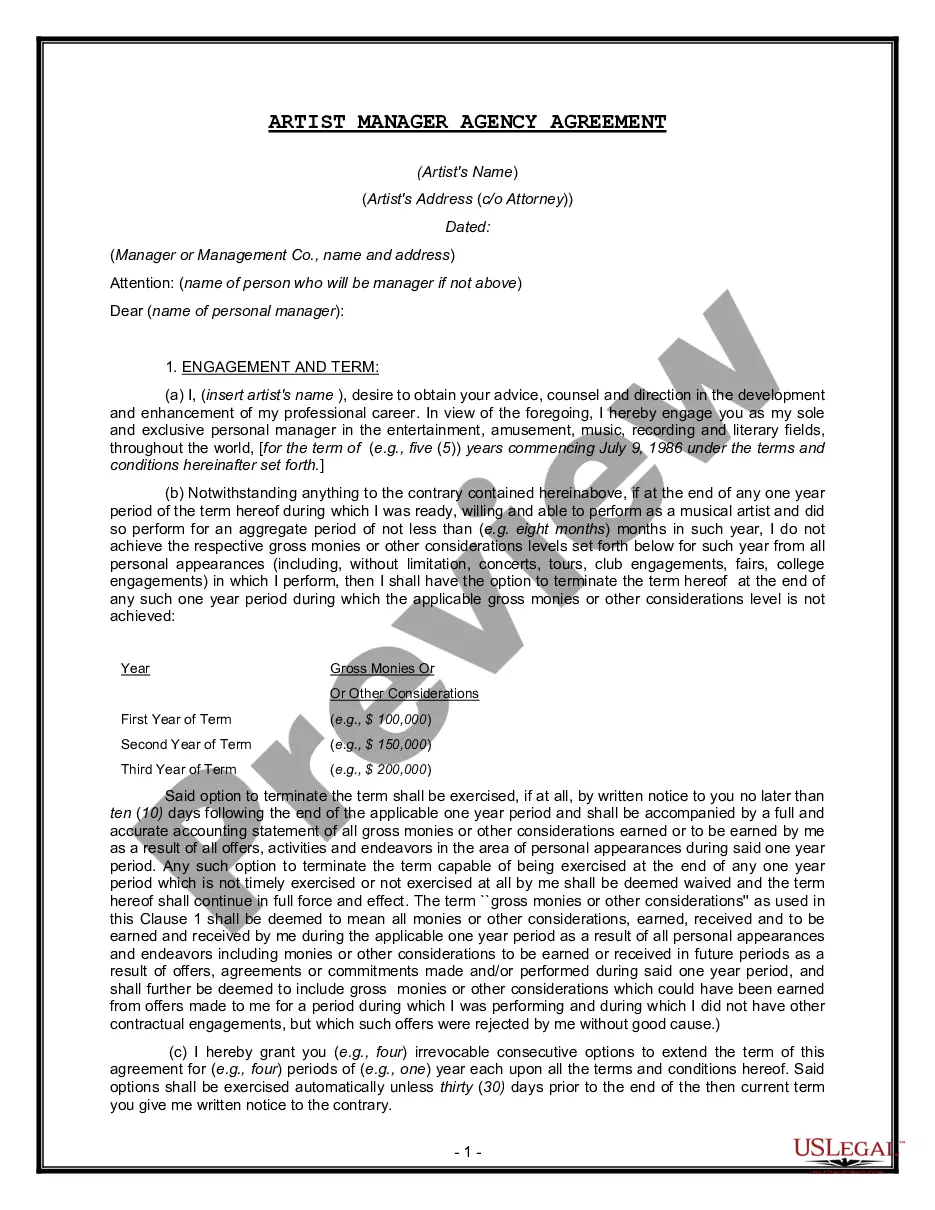
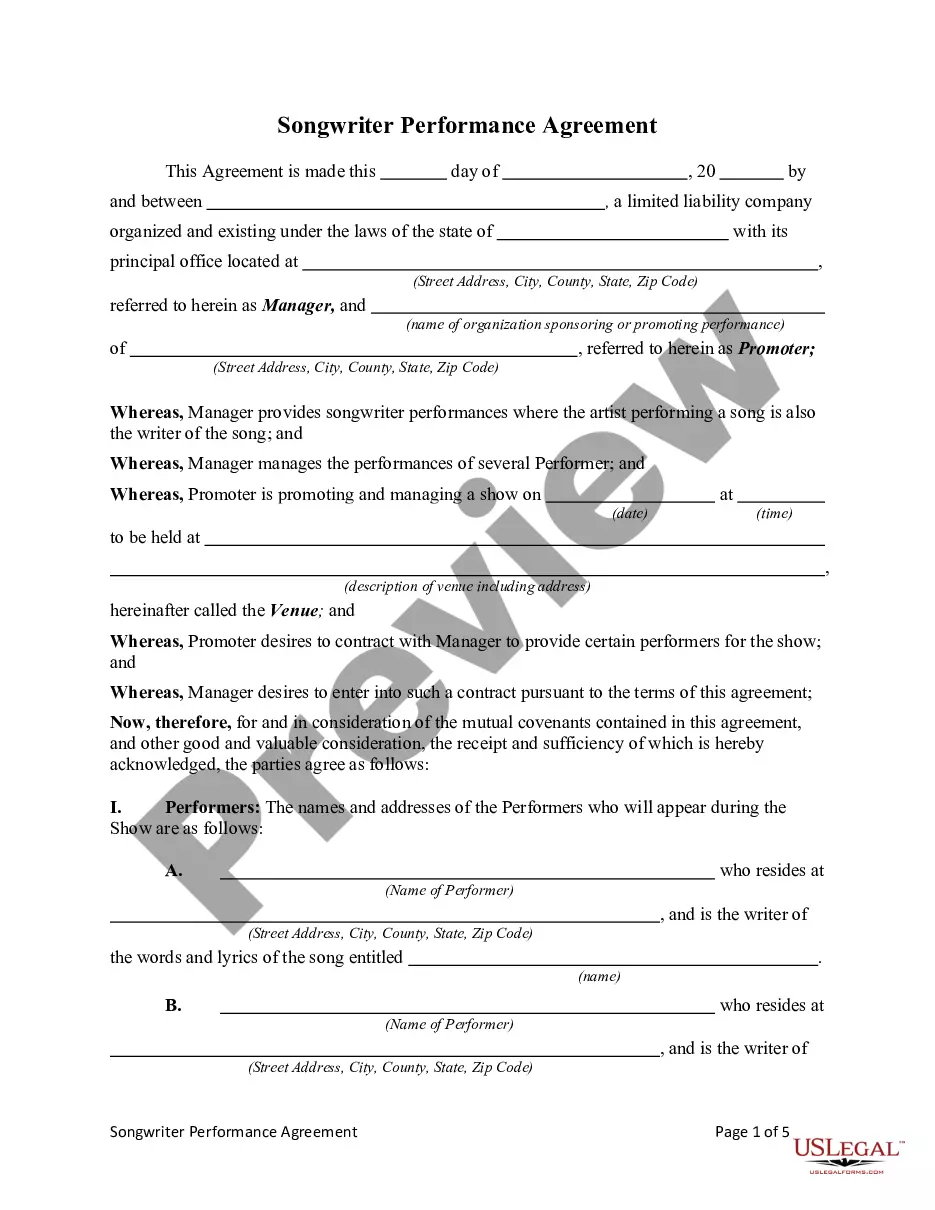
Artist Agreement Form Statement With Signature In Michigan
Description

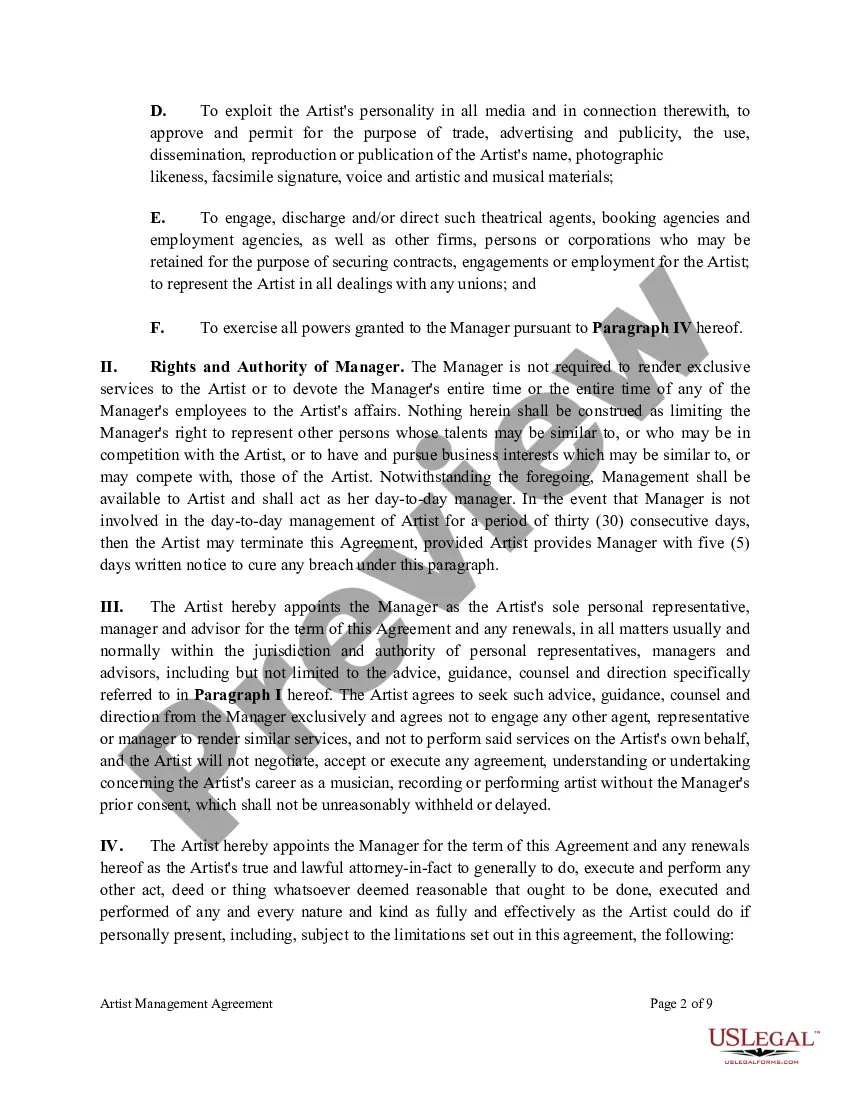
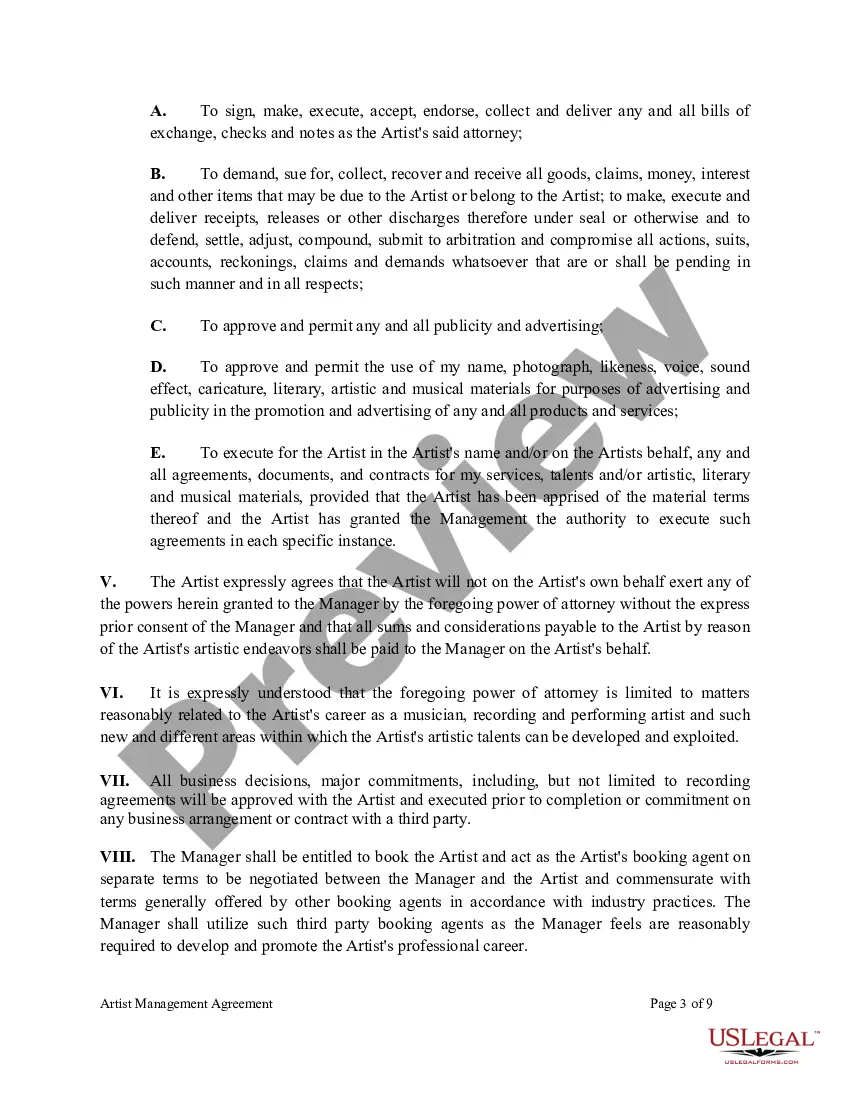
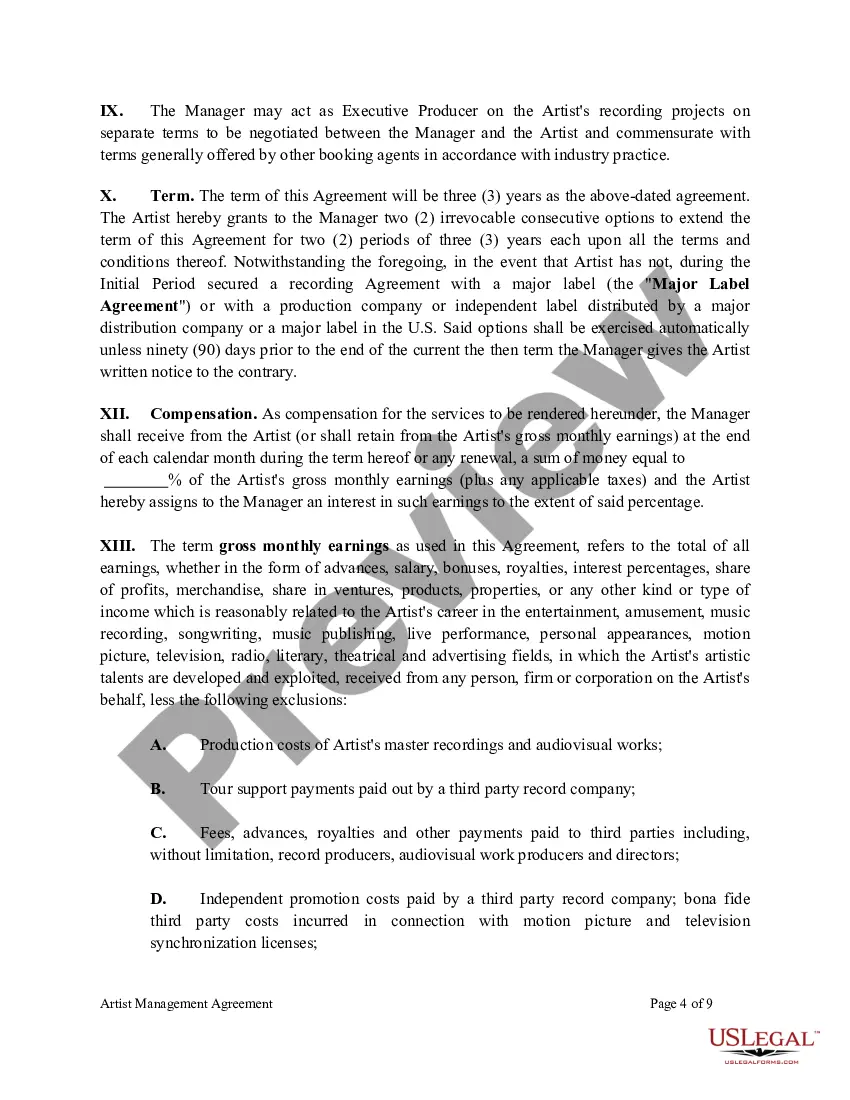
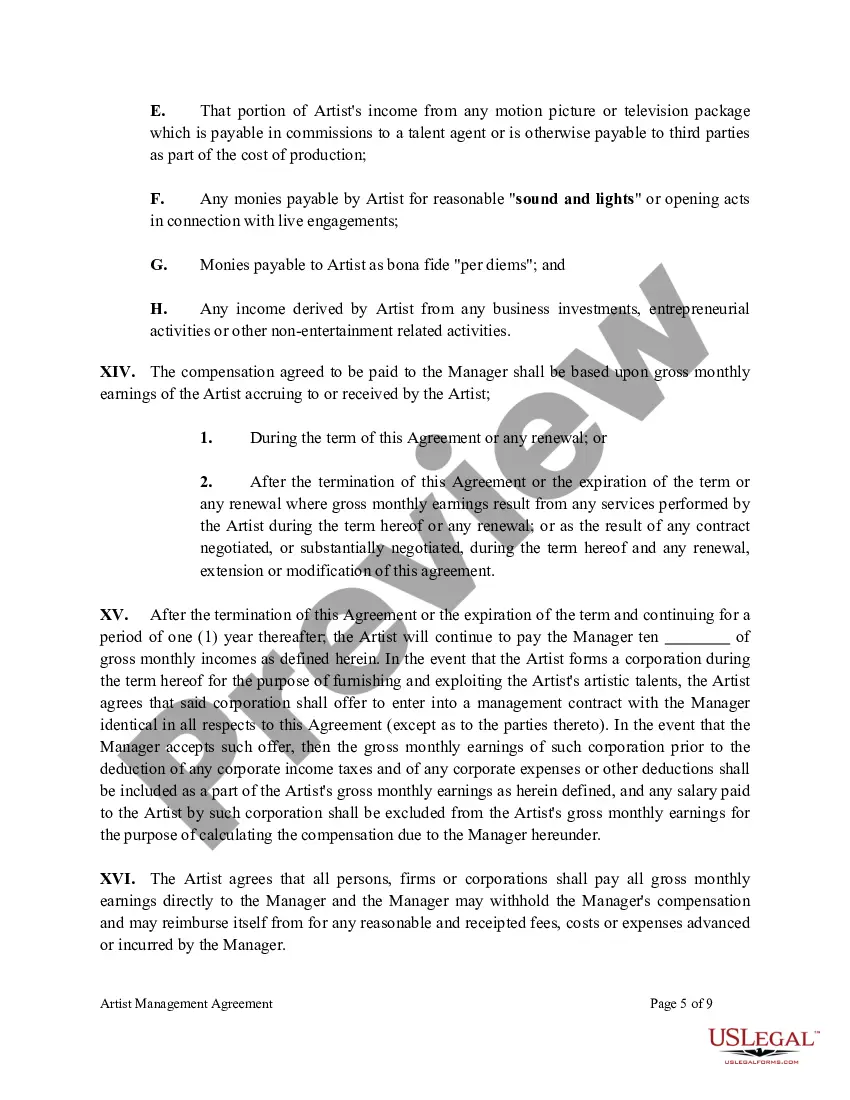
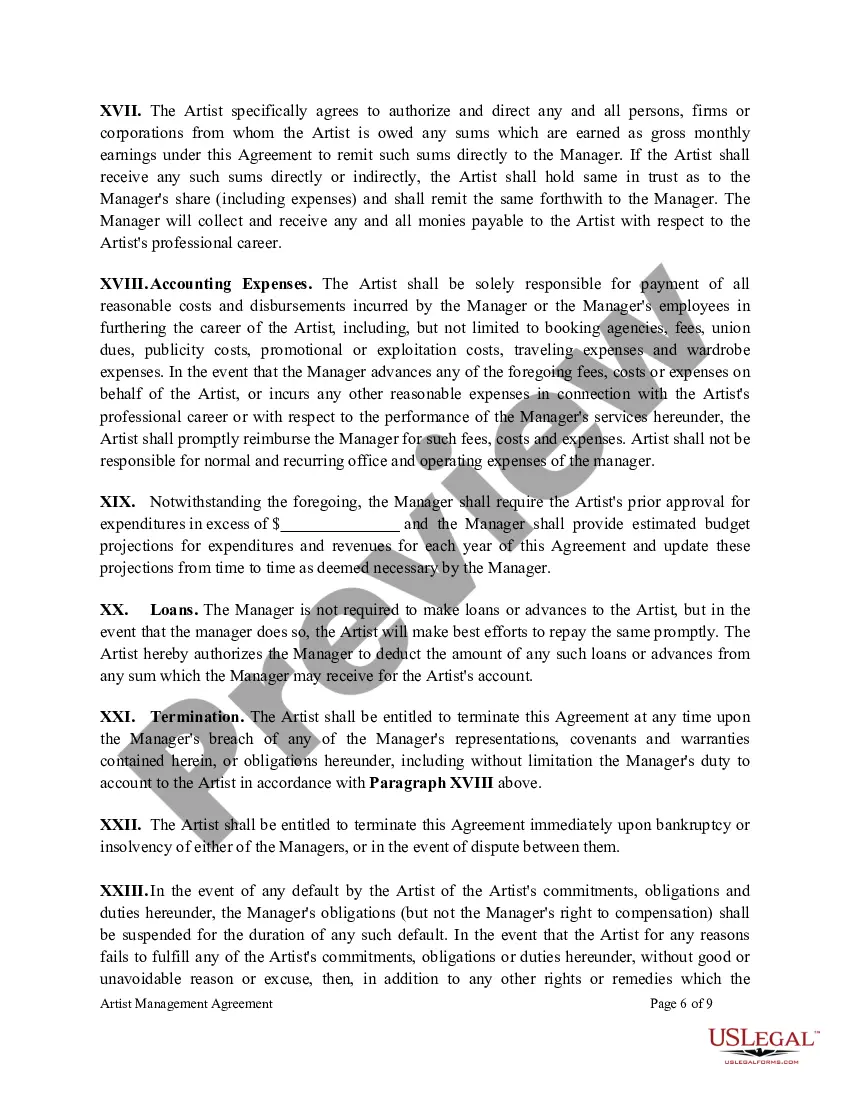
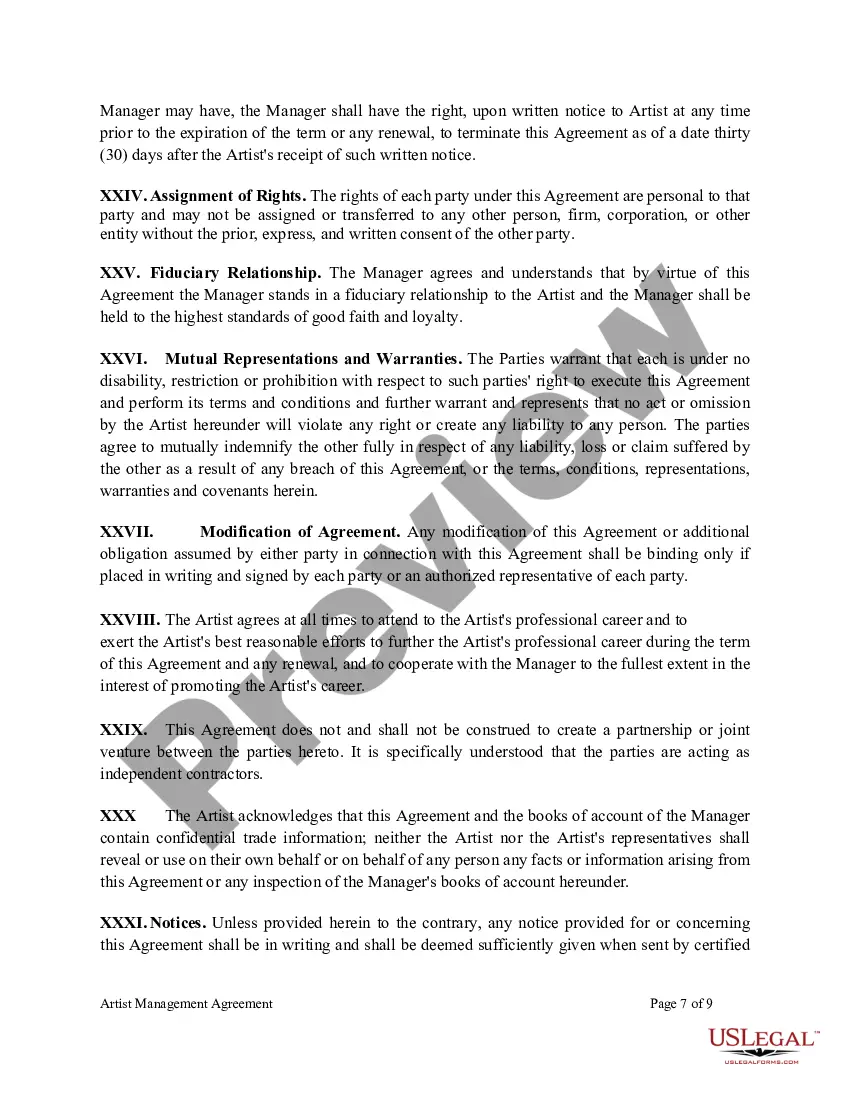
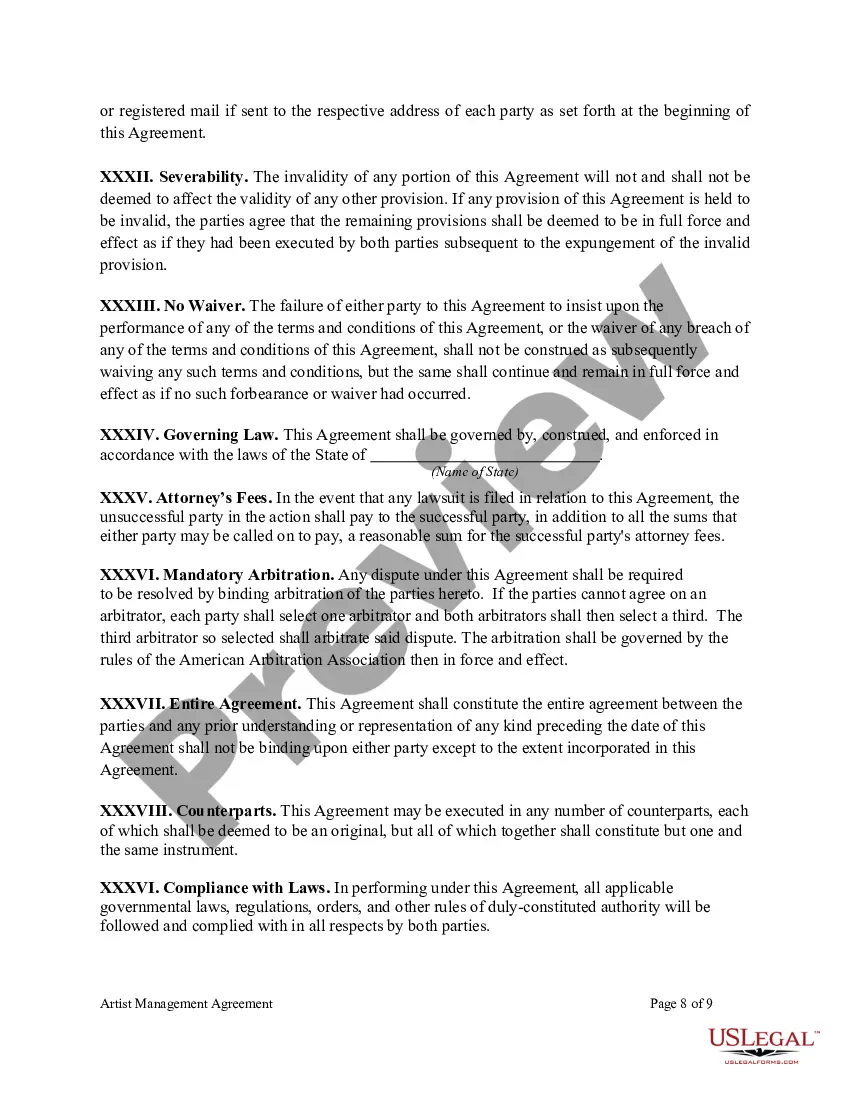
Get your form ready online
Our built-in tools help you complete, sign, share, and store your documents in one place.
Make edits, fill in missing information, and update formatting in US Legal Forms—just like you would in MS Word.
Download a copy, print it, send it by email, or mail it via USPS—whatever works best for your next step.
Sign and collect signatures with our SignNow integration. Send to multiple recipients, set reminders, and more. Go Premium to unlock E-Sign.
If this form requires notarization, complete it online through a secure video call—no need to meet a notary in person or wait for an appointment.
We protect your documents and personal data by following strict security and privacy standards.

Make edits, fill in missing information, and update formatting in US Legal Forms—just like you would in MS Word.

Download a copy, print it, send it by email, or mail it via USPS—whatever works best for your next step.

Sign and collect signatures with our SignNow integration. Send to multiple recipients, set reminders, and more. Go Premium to unlock E-Sign.

If this form requires notarization, complete it online through a secure video call—no need to meet a notary in person or wait for an appointment.

We protect your documents and personal data by following strict security and privacy standards.
Looking for another form?







Form popularity
FAQ
Write the contract in six steps Start with a contract template. Open with the basic information. Describe in detail what you have agreed to. Include a description of how the contract will be ended. Write into the contract which laws apply and how disputes will be resolved. Include space for signatures.
To be considered legally binding, a document must include the valid signatures of all parties entering into an agreement and outline all the duties and responsibilities each has to the other(s).
For your agreement letter to be legally binding, you must incorporate the following elements into the overall contract structure: A comprehensive description of the agreed-upon project. The names and address info of the parties involved. A dated signature in wet ink that proves and establishes an agreement.
An agreement is made when two parties agree to something. So, for example, a mother might make an agreement with her son not to kiss him in public because, after kindergarten, well, that's just not cool. If people's opinions are in , or match one another, then they are in agreement.
How to draft a contract between two parties: A step-by-step checklist Know your parties. Agree on the terms. Set clear boundaries. Spell out the consequences. Specify how you will resolve disputes. Cover confidentiality. Check the legality of the contract. Open it up to negotiation.
Proof of service is a document that functions like a legal “receipt” confirming the delivery of documents from one party to another in a legal matter. It is a written version of a sworn statement attesting to the completion of service of process.
While we use the term Proof of Service, this documents can also be referred to as an Affidavit of Service or Declaration of Service, depending on the jurisdiction.
A Proof of Service is a document filed with the Court to show that the summons and complaint were successfully served on the defendant in a lawsuit.
➢ Supported document types are DOC/DOCX, PDF, RTF, TXT, JPG, TIF or PNG. ➢ Maximum file size is 25MB. Attachments (formally known as exhibits) that are created by the filer must comply with the document preparation standards.
A subpoena must: (1) be entitled in the name of the People of the State of Michigan; (2) be imprinted with the seal of the Supreme Court of Michigan; (3) have typed or printed on it the name of the court in which the matter is pending; (4) state the place where the trial or hearing is scheduled; (5) state the title of ...
