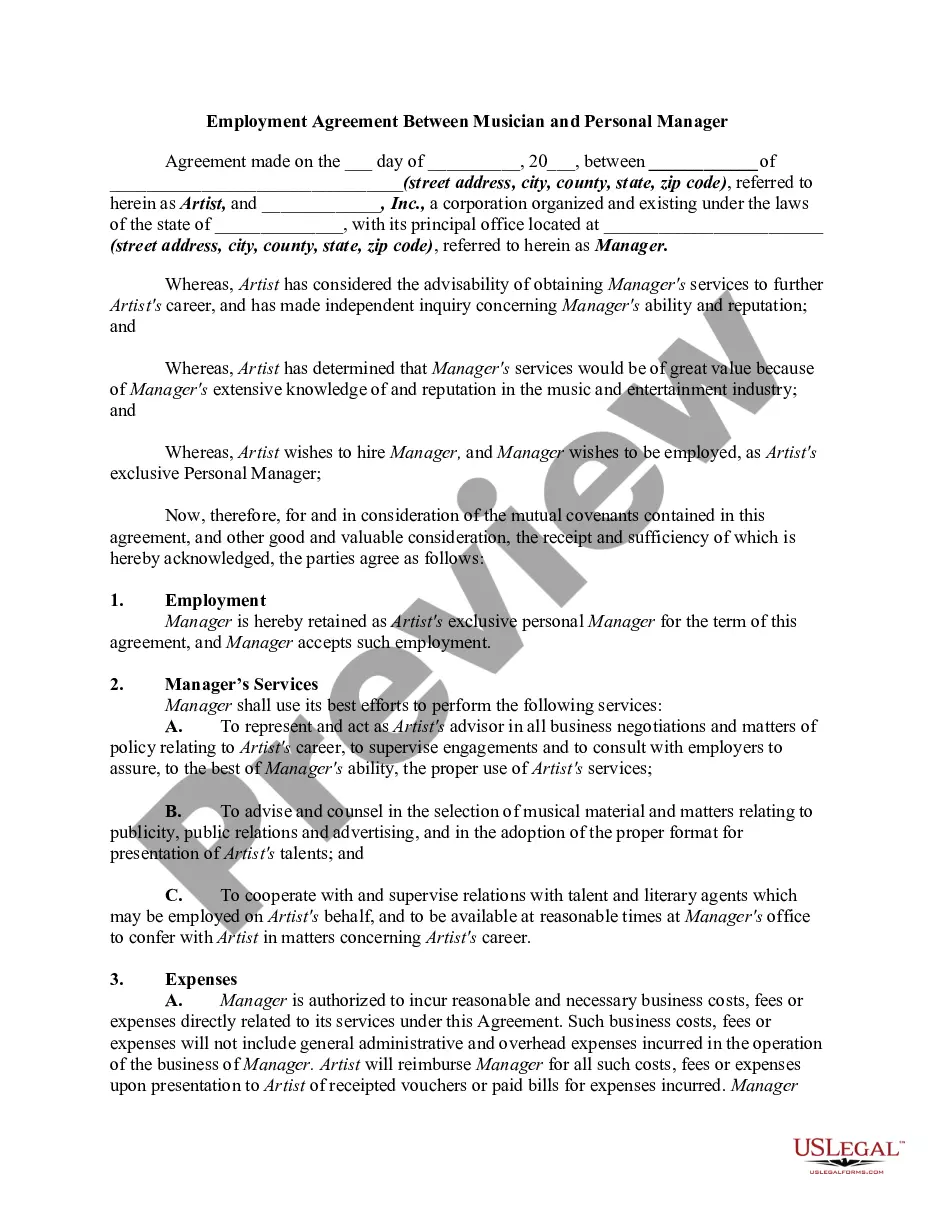
Music Contract Examples In Miami-Dade
Description

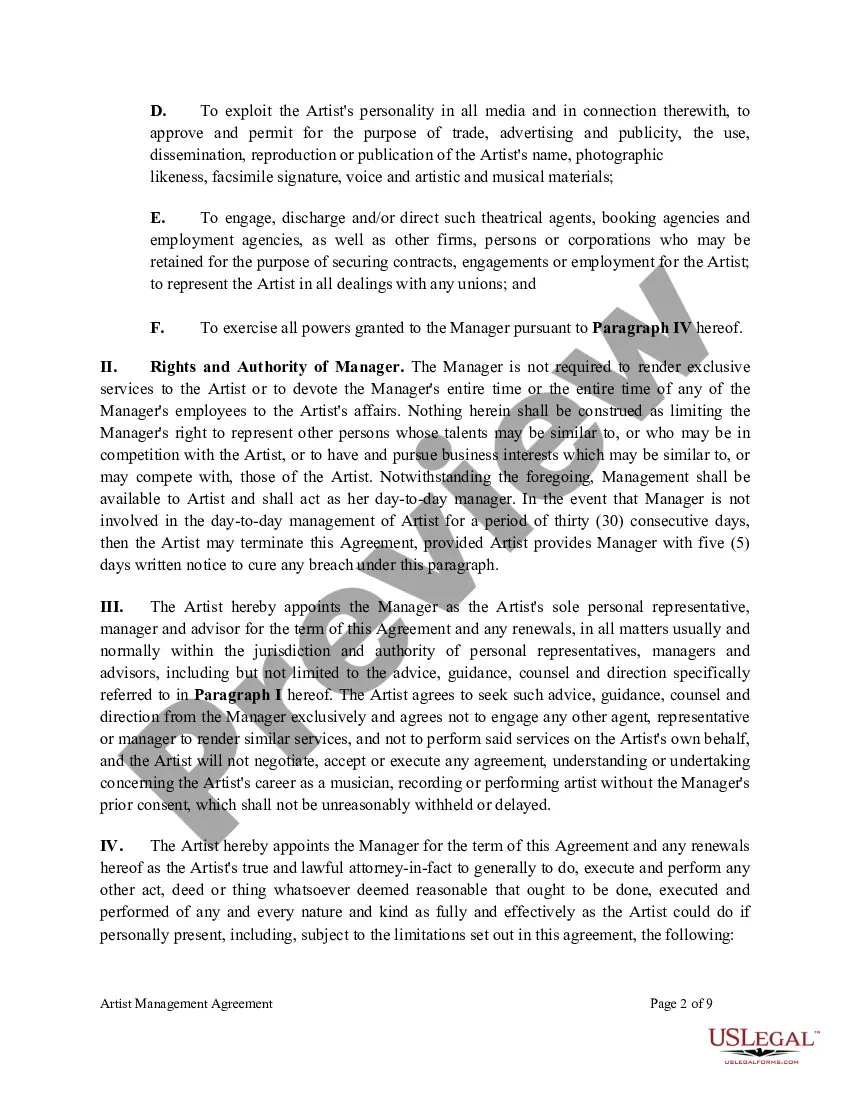
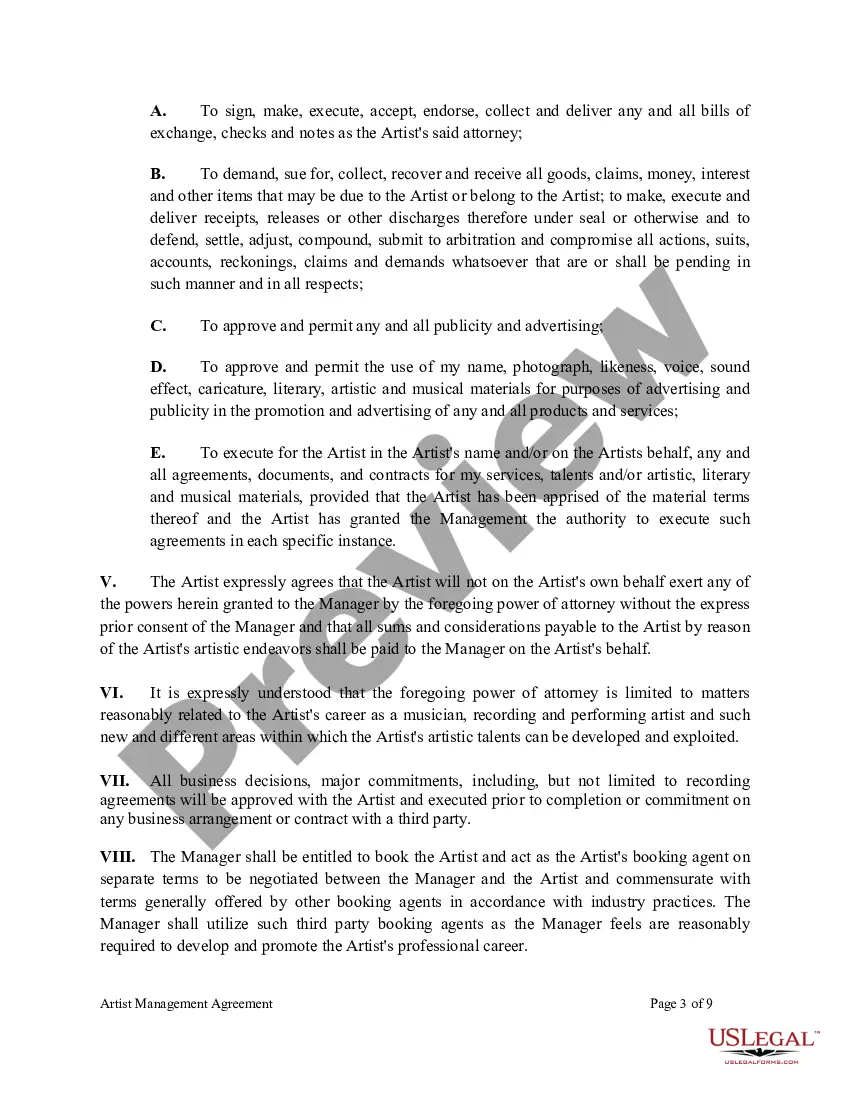
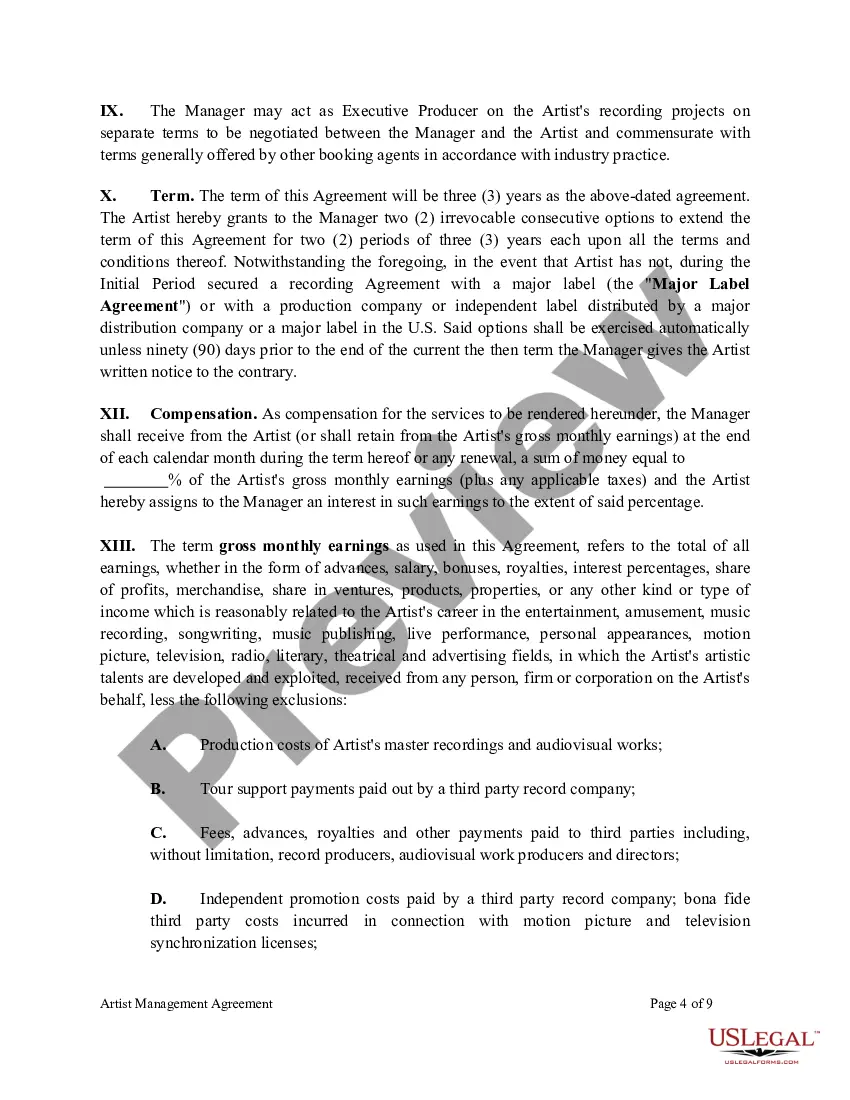
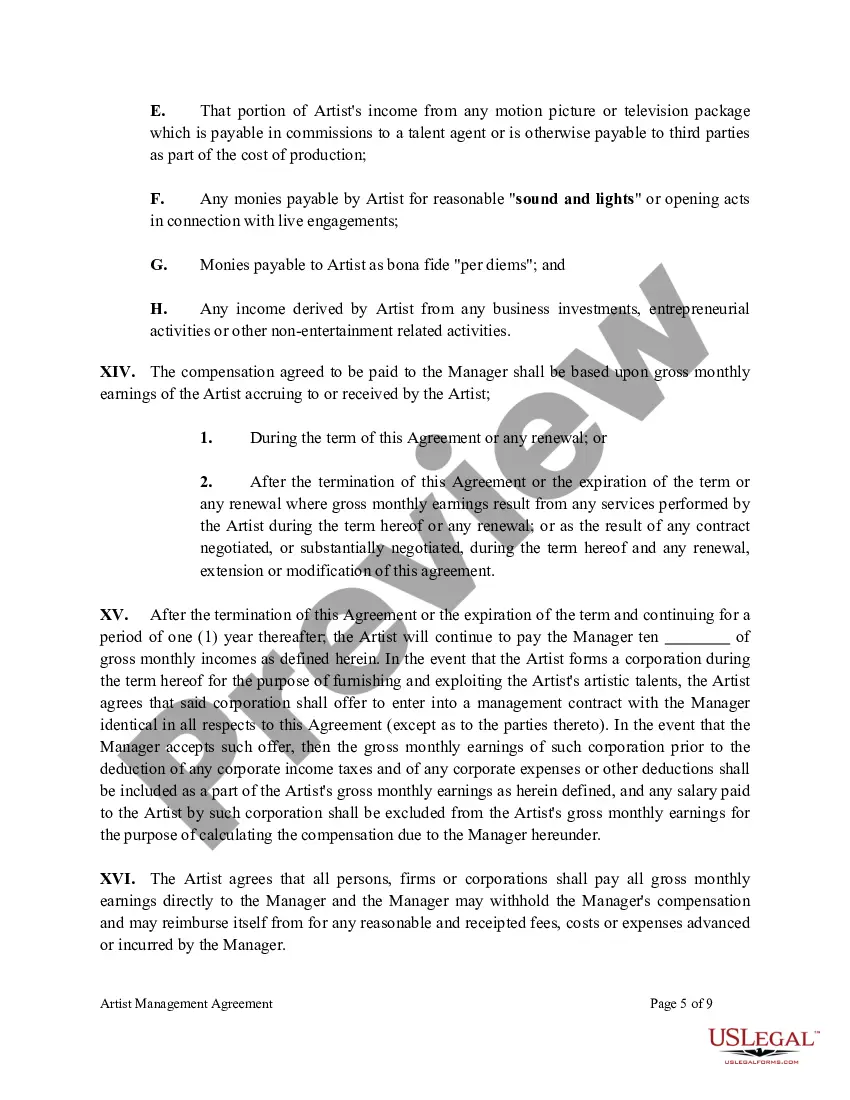
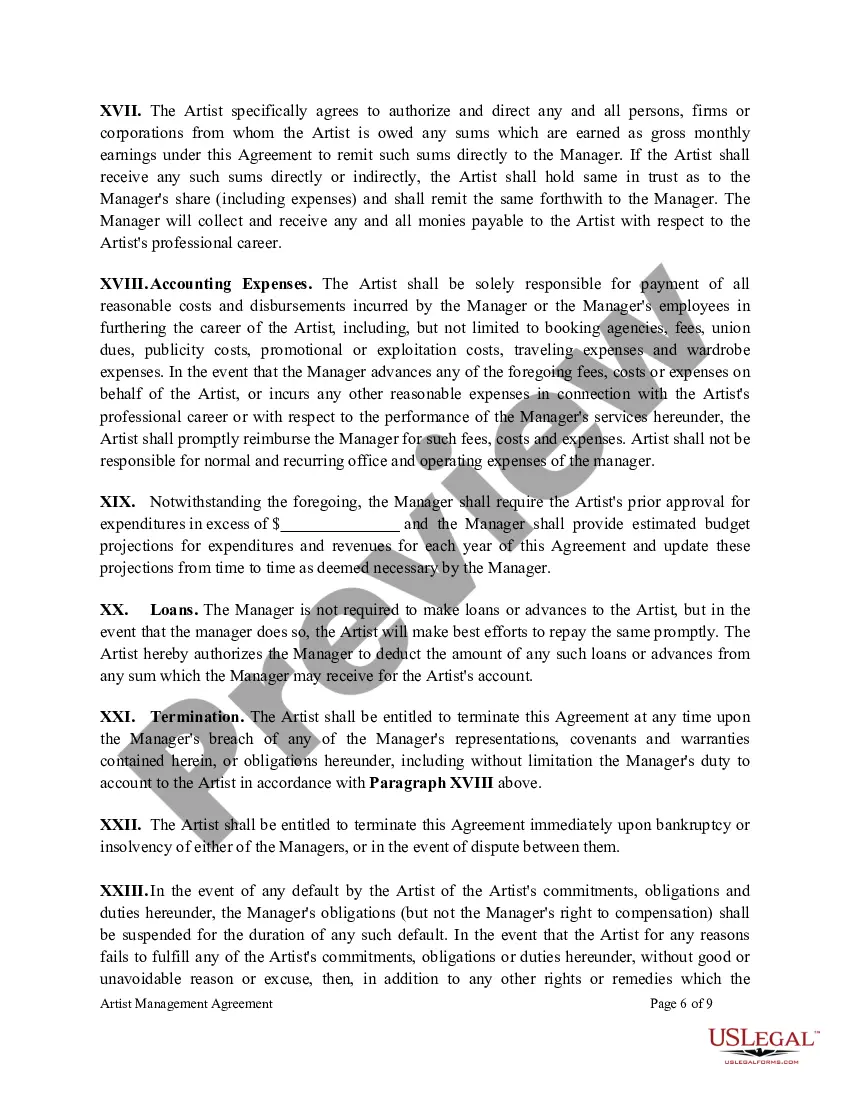
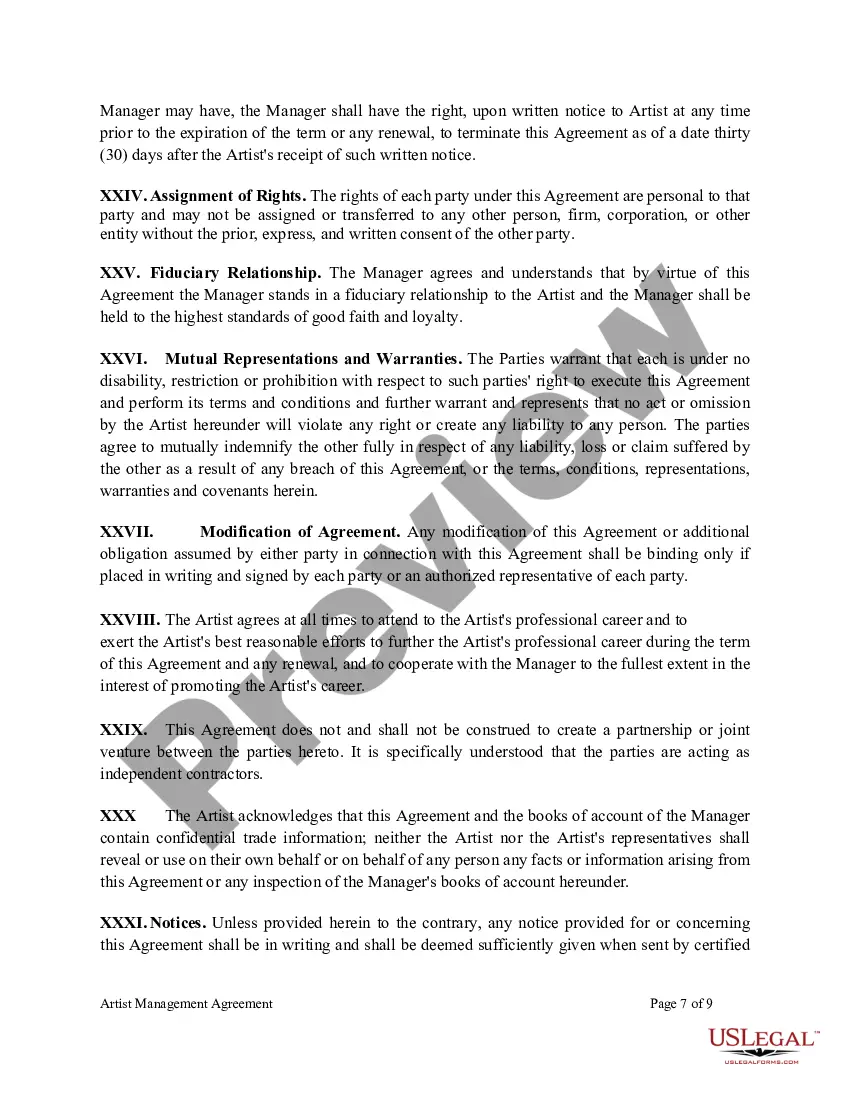
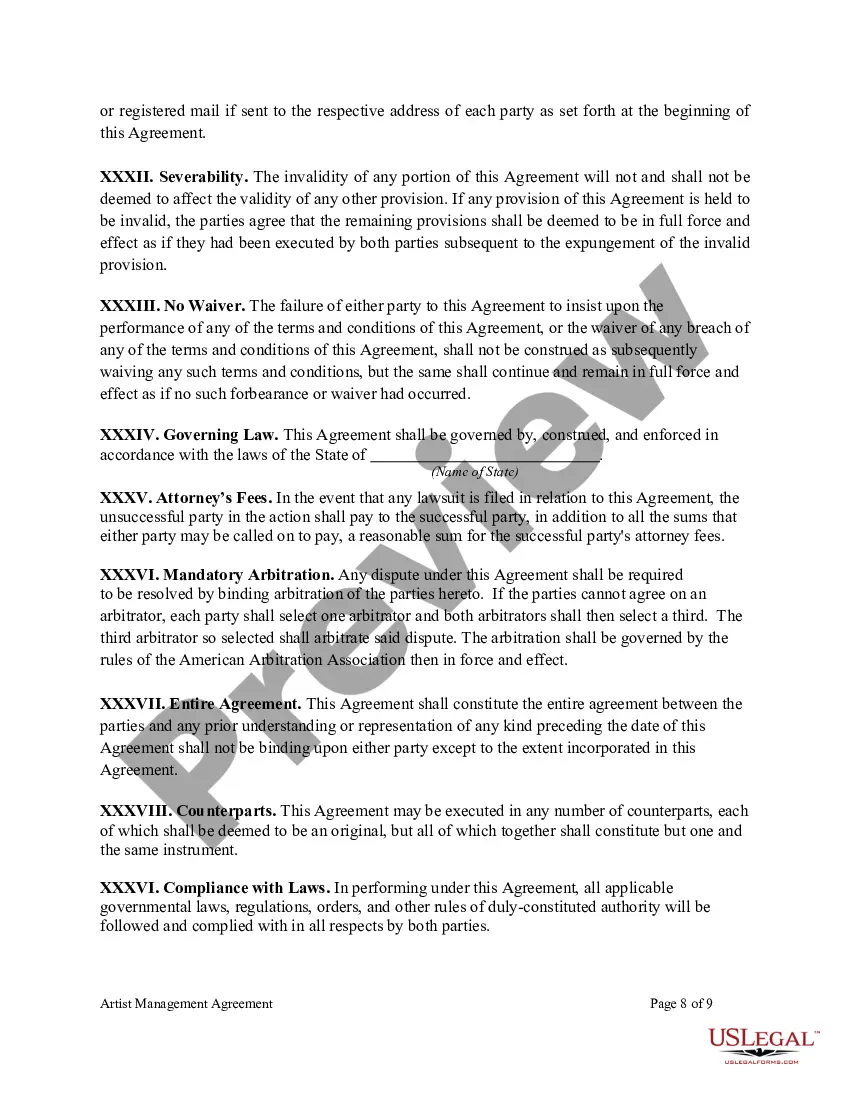
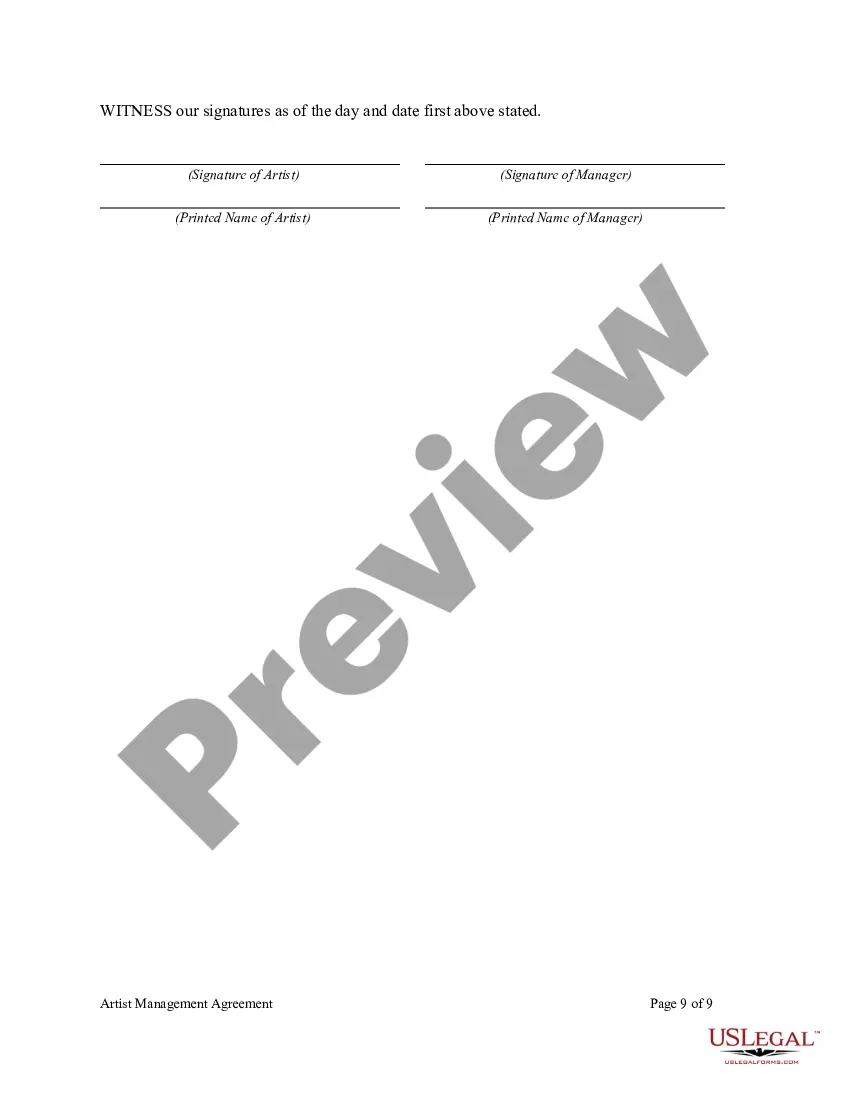

Get your form ready online
Our built-in tools help you complete, sign, share, and store your documents in one place.
Make edits, fill in missing information, and update formatting in US Legal Forms—just like you would in MS Word.
Download a copy, print it, send it by email, or mail it via USPS—whatever works best for your next step.
Sign and collect signatures with our SignNow integration. Send to multiple recipients, set reminders, and more. Go Premium to unlock E-Sign.
If this form requires notarization, complete it online through a secure video call—no need to meet a notary in person or wait for an appointment.
We protect your documents and personal data by following strict security and privacy standards.

Make edits, fill in missing information, and update formatting in US Legal Forms—just like you would in MS Word.

Download a copy, print it, send it by email, or mail it via USPS—whatever works best for your next step.

Sign and collect signatures with our SignNow integration. Send to multiple recipients, set reminders, and more. Go Premium to unlock E-Sign.

If this form requires notarization, complete it online through a secure video call—no need to meet a notary in person or wait for an appointment.

We protect your documents and personal data by following strict security and privacy standards.
Looking for another form?





Form popularity
FAQ
The industry standard is 50/50 , our's is 70/30 – that's 70% to Artist and only 30% to Company but when the Contract ends you retain 100%. We do not own anything. Q: On a Record and Distribution Contract, do I retain my Publishing rights and Copyrights?
Write the contract in six steps Start with a contract template. Open with the basic information. Describe in detail what you have agreed to. Include a description of how the contract will be ended. Write into the contract which laws apply and how disputes will be resolved. Include space for signatures.
Recording Contracts As part of this agreement, the label typically pays for the artist's marketing, promotion, and music distribution at every step of the recording process. In return, the artist commits to providing the label with a set quantity of albums or tracks within a given time.
Your Music Recording Contract should cover details like: Compensation and royalties. Where and when the album will be recorded. The album's release date. Who has creative control over specific elements of the album. The termination clause. The exclusive agreement clause. Dispute resolution. Promotional appearances.
A Publishing or Song-writing Agreement is the document by which a songwriter assigns the copyright in their compositions to a music publisher in exchange for royalties and, in appropriate cases, an advance against those royalties.
Negotiate An Exit It may involve a buyback and, of course, serious legal fees. You may find yourself paying back a portion of the advance and lose your recording ability for a while. The good news is that you'll be released from the recording contract.
A producer contract for production and representation is an agreement under which a producer funds the recording of musical performances by an artist. The producer is assigned either: full ownership of copyrights and representation rights for the length of the term of the agreement.
A Music Recording Contract is a legal agreement between a music recording company and an artist or group that creates music. Recording companies use the contract to outline the terms for creating recorded music with the artist. Your Music Recording Contract should cover details like: Compensation and royalties.
Out of all of the types of music contracts, co-publishing (co-pub) agreements are the most frequently used. Under this agreement, the music publishing company and the artist are partners, and both parties co-own the copyrights to the music. Terms can vary widely, but a 50/50 split is common.
