Sample Management Contract With Owner In Maricopa
Description










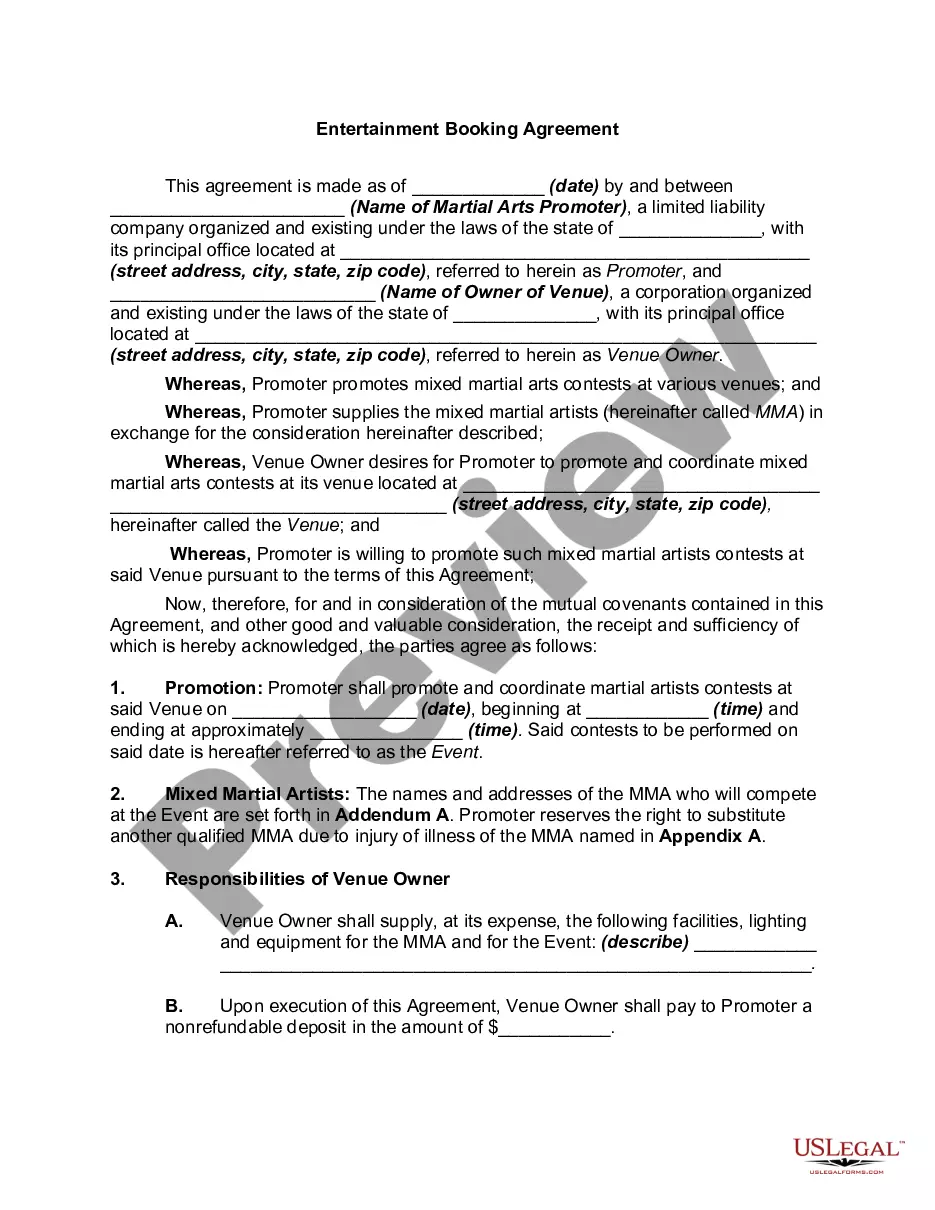
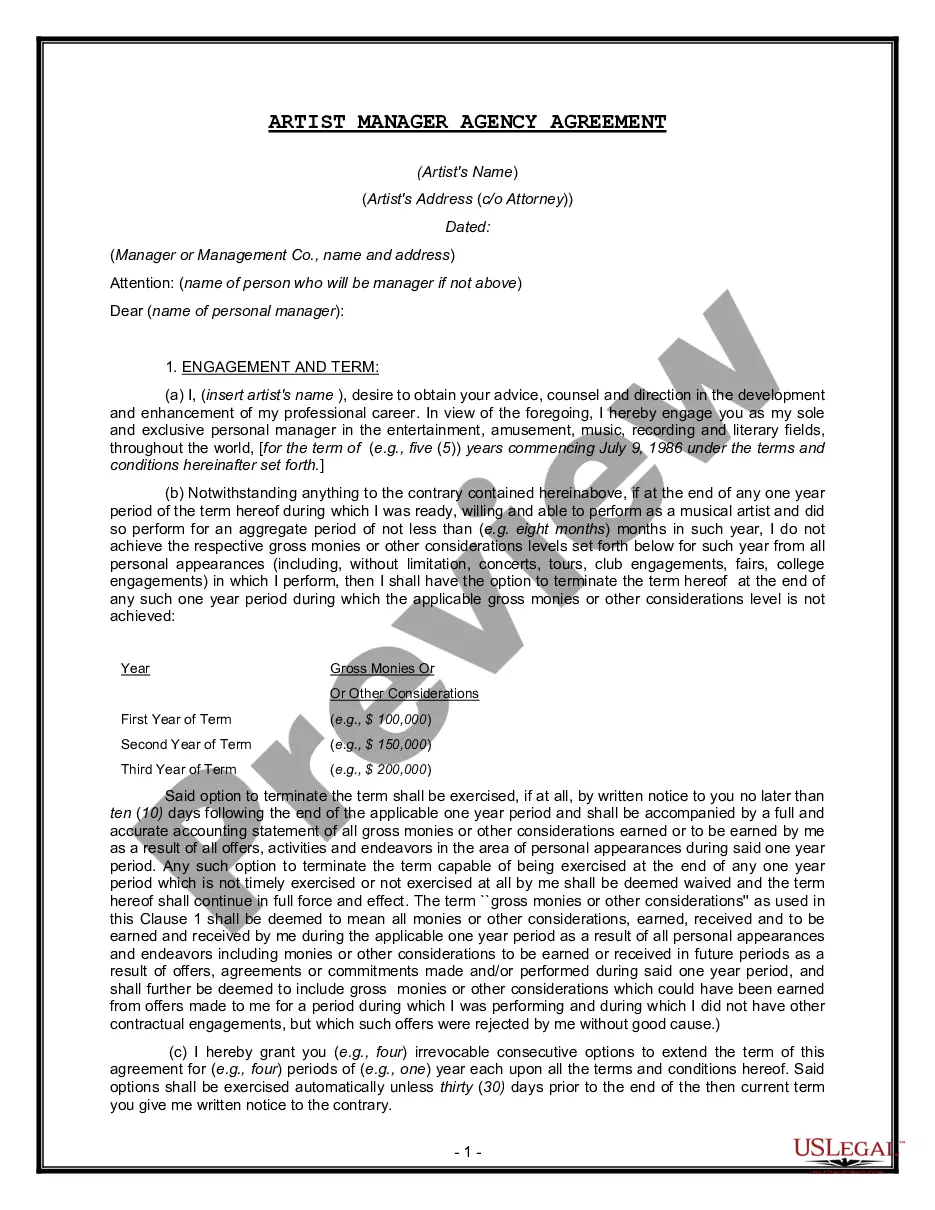
Get your form ready online
Our built-in tools help you complete, sign, share, and store your documents in one place.
Make edits, fill in missing information, and update formatting in US Legal Forms—just like you would in MS Word.
Download a copy, print it, send it by email, or mail it via USPS—whatever works best for your next step.
Sign and collect signatures with our SignNow integration. Send to multiple recipients, set reminders, and more. Go Premium to unlock E-Sign.
If this form requires notarization, complete it online through a secure video call—no need to meet a notary in person or wait for an appointment.
We protect your documents and personal data by following strict security and privacy standards.

Make edits, fill in missing information, and update formatting in US Legal Forms—just like you would in MS Word.

Download a copy, print it, send it by email, or mail it via USPS—whatever works best for your next step.

Sign and collect signatures with our SignNow integration. Send to multiple recipients, set reminders, and more. Go Premium to unlock E-Sign.

If this form requires notarization, complete it online through a secure video call—no need to meet a notary in person or wait for an appointment.

We protect your documents and personal data by following strict security and privacy standards.
Looking for another form?





Form popularity
FAQ
The stages of contract management can be broken down into pre-signature (creation, negotiation/collaboration, and review/approval) and post-signature (administration/execution, renewal/termination, and reporting/tracking).
There are five elements which, taken together, make a contract valid: offer; acceptance; consideration; capacity; and. intention to create legal relations.
To understand that, you need to know about the 5 essential elements of a valid contract: offer, acceptance, consideration, mutual intent, capacity and legality. Understanding these 5 fundamental elements of a contract can help you protect your interests and avoid potential legal disputes.
Exploring the key stages of the contract management lifecycle Stage 1: Contract Initiation. Stage 2: Contract Creation and Negotiation. Stage 3: Contract Approval. Stage 4: Contract Execution. Stage 5: Contract Monitoring and Management. Stage 6: Contract Renewal or Termination.
A Management Agreement is a contract between a property owner and a designated manager that outlines the responsibilities and expectations of both parties in managing the property. It typically covers tasks such as rent collection, maintenance, repairs, and tenant communication.
To be legally enforceable, an agreement must contain all of the following criteria: An offer and acceptance; Certainty of terms; Consideration; An intention to create legal relations; Capacity of the parties; and, Legality of purpose.
How to implement contract management activities Step 1: Transition activities, if any. Step 2: Review the draft contract management plan. Step 3: Review the contract's budget. Step 4: Resources to support contract management. Step 5: Finalise and implement the contract management plan.
The stages of contract management can be broken down into pre-signature (creation, negotiation/collaboration, and review/approval) and post-signature (administration/execution, renewal/termination, and reporting/tracking).
Management contracts give business owners an assurance of the continuity of their business. This can be illustrated through an example. A manager or any employee may terminate their job, leaving the business a hole in its team for the smooth functioning of the operations.
A business management agreement formalizes the working relationship between a business and its manager. The contract will include information such as budgeting, the percentage of business revenue owed to the manager, and confidentiality requirements.
