Management Company Examples In Los Angeles
Description









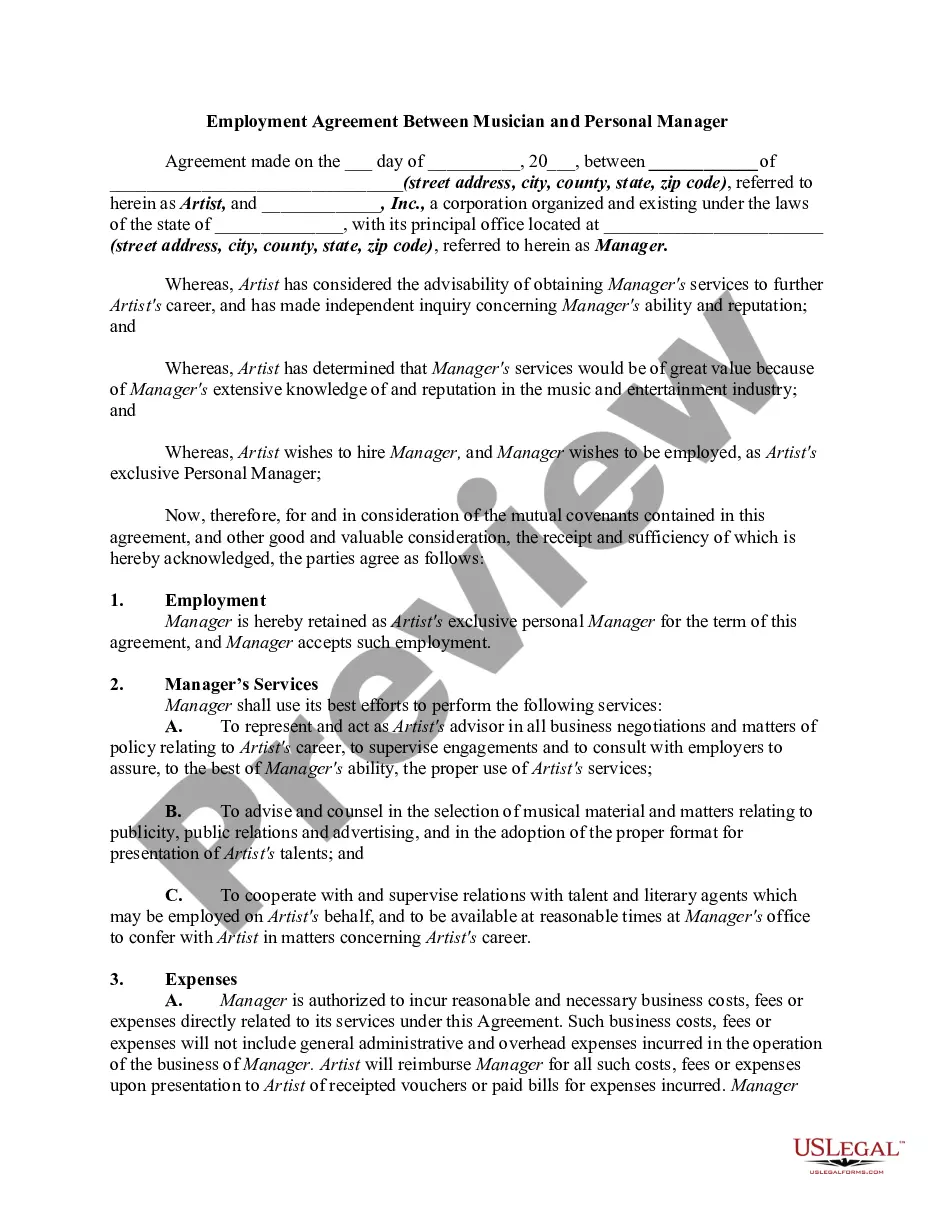
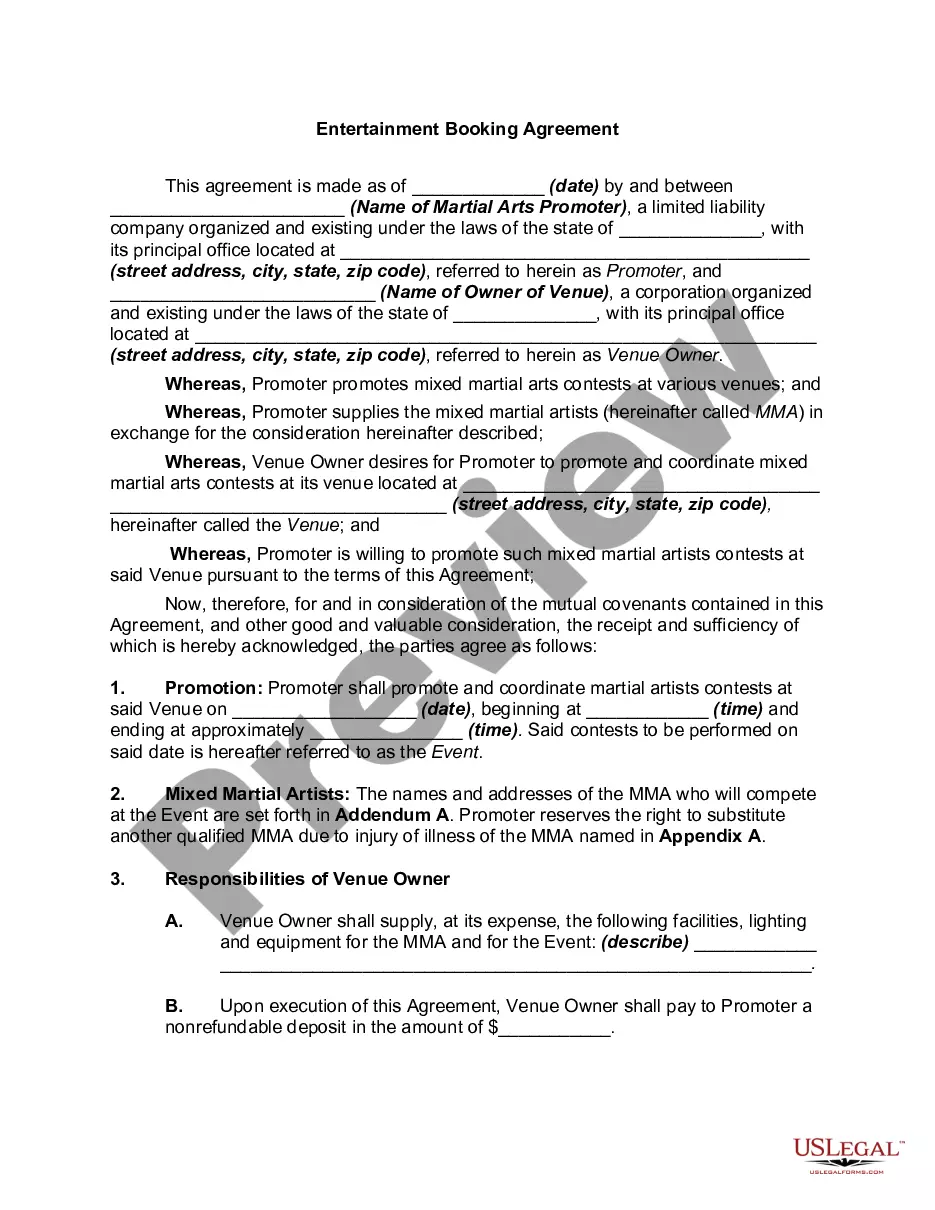
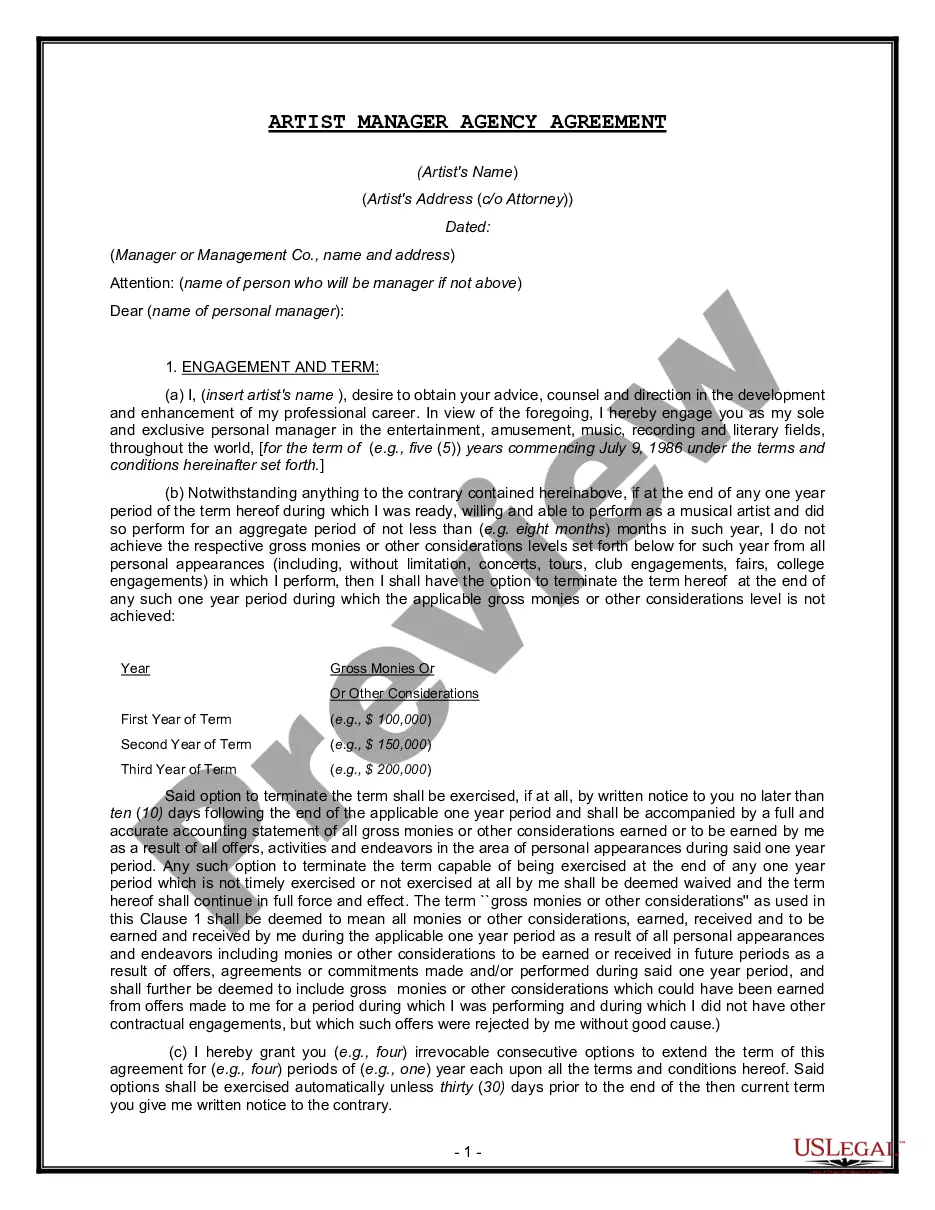
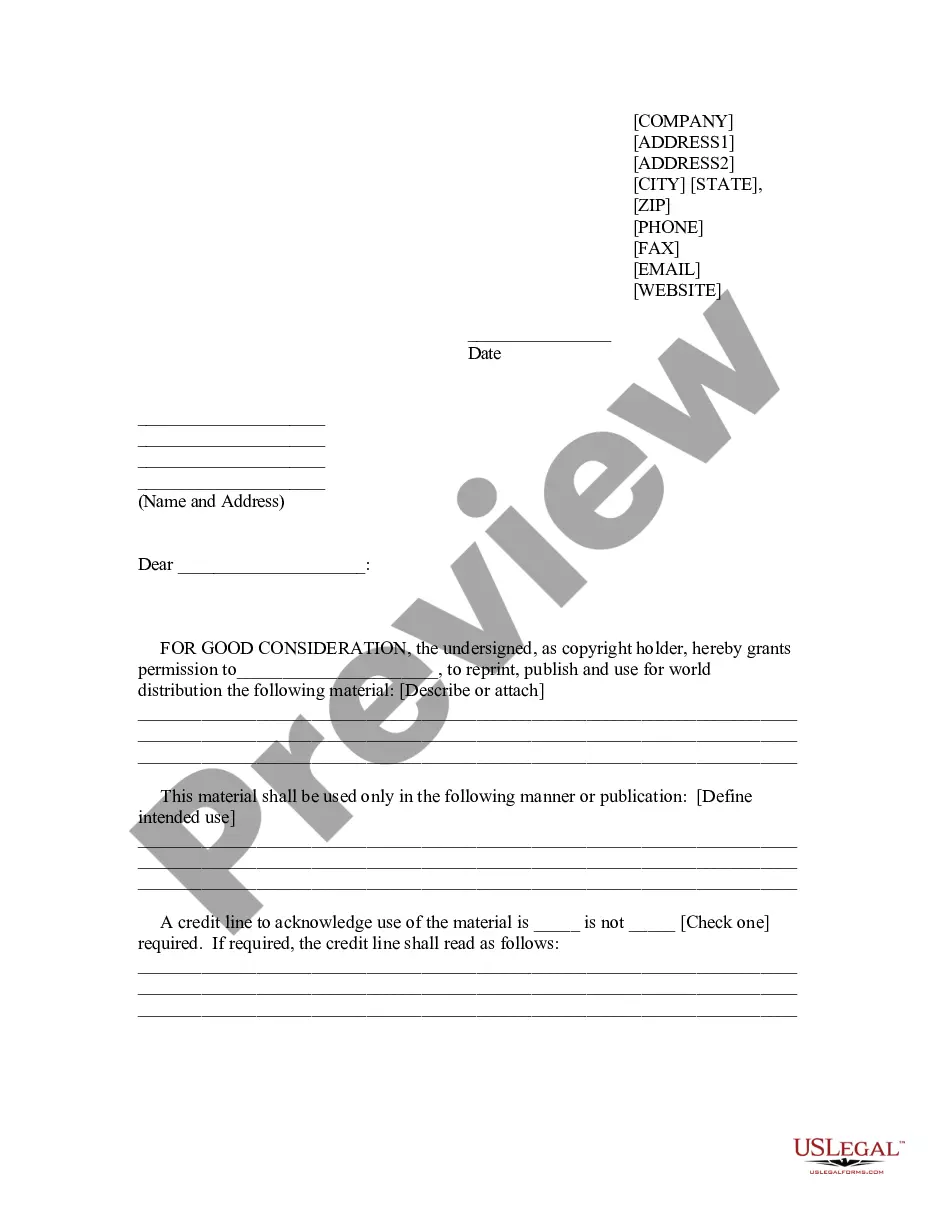
Get your form ready online
Our built-in tools help you complete, sign, share, and store your documents in one place.
Make edits, fill in missing information, and update formatting in US Legal Forms—just like you would in MS Word.
Download a copy, print it, send it by email, or mail it via USPS—whatever works best for your next step.
Sign and collect signatures with our SignNow integration. Send to multiple recipients, set reminders, and more. Go Premium to unlock E-Sign.
If this form requires notarization, complete it online through a secure video call—no need to meet a notary in person or wait for an appointment.
We protect your documents and personal data by following strict security and privacy standards.

Make edits, fill in missing information, and update formatting in US Legal Forms—just like you would in MS Word.

Download a copy, print it, send it by email, or mail it via USPS—whatever works best for your next step.

Sign and collect signatures with our SignNow integration. Send to multiple recipients, set reminders, and more. Go Premium to unlock E-Sign.

If this form requires notarization, complete it online through a secure video call—no need to meet a notary in person or wait for an appointment.

We protect your documents and personal data by following strict security and privacy standards.
Looking for another form?




Form popularity
FAQ
Licensing Laws For anyone stepping into managing a property on behalf of the owner, the first requirement is to have a property management license in California.
There are 6 basic steps to follow to transfer property to an LLC: Contact the lender. Form your LLC. Obtain an EIN. Set up an LLC bank account. Transfer property title. Update leases, permits, contracts, and utilities.
A management company is a type of company that provides management services to other businesses or individuals. This can include managing finances, personnel, and other aspects of a business. For example, a property management company may be hired to manage a rental property on behalf of the owner.
No, that would be a conflict of interest for the property manager or management company to own the property. They are unlike a landlord in that sense. Generally the properties being managed are being ran by an association and managed by a property manager or management company and either owned privately or publicly.
Choosing a Structure As a general rule, most property management companies choose to either establish a Limited Liability Corporation (LLC) or an unincorporated business entity (often called an S-Corp or C-Corp).
Contacting Local Real Estate Offices Real estate brokers and property management firms often have detailed knowledge about who manages specific commercial properties. You can: Visit or call local real estate offices and ask for information about the property manager.
There are no provisions in the Business and Professions (B&P) Code which authorize a limited liability company (LLC) to become licensed as a real estate broker. Refer to: Sections 10158, 10159, 10159.2, 10170.5 10180, and 10211 of the (B&P) Code. Sections 2740 through 2746 of the Commissioner's Regulations.
How to find a property manager Ask for referrals from friends, family or your real estate agent. Check reviews online or with a state or local apartment association. Make a list of a few companies that may fit your needs. Compare the fees of each company. Check each company's licenses and certification.
Greystar Real Estate Partners Greystar Real Estate Partners retained its position as the largest property management company, managing 726,826 units, an increase from 698,257 units in 2022. Led by Robert A.
Greystar Worldwide, LLC an international developer and manager based in Charleston, SC, is the largest owner of apartments in the United States. In 2024, Greystar's portfolio included nearly 109,000 apartment units.
