Contract Management For Procurement In King
Description

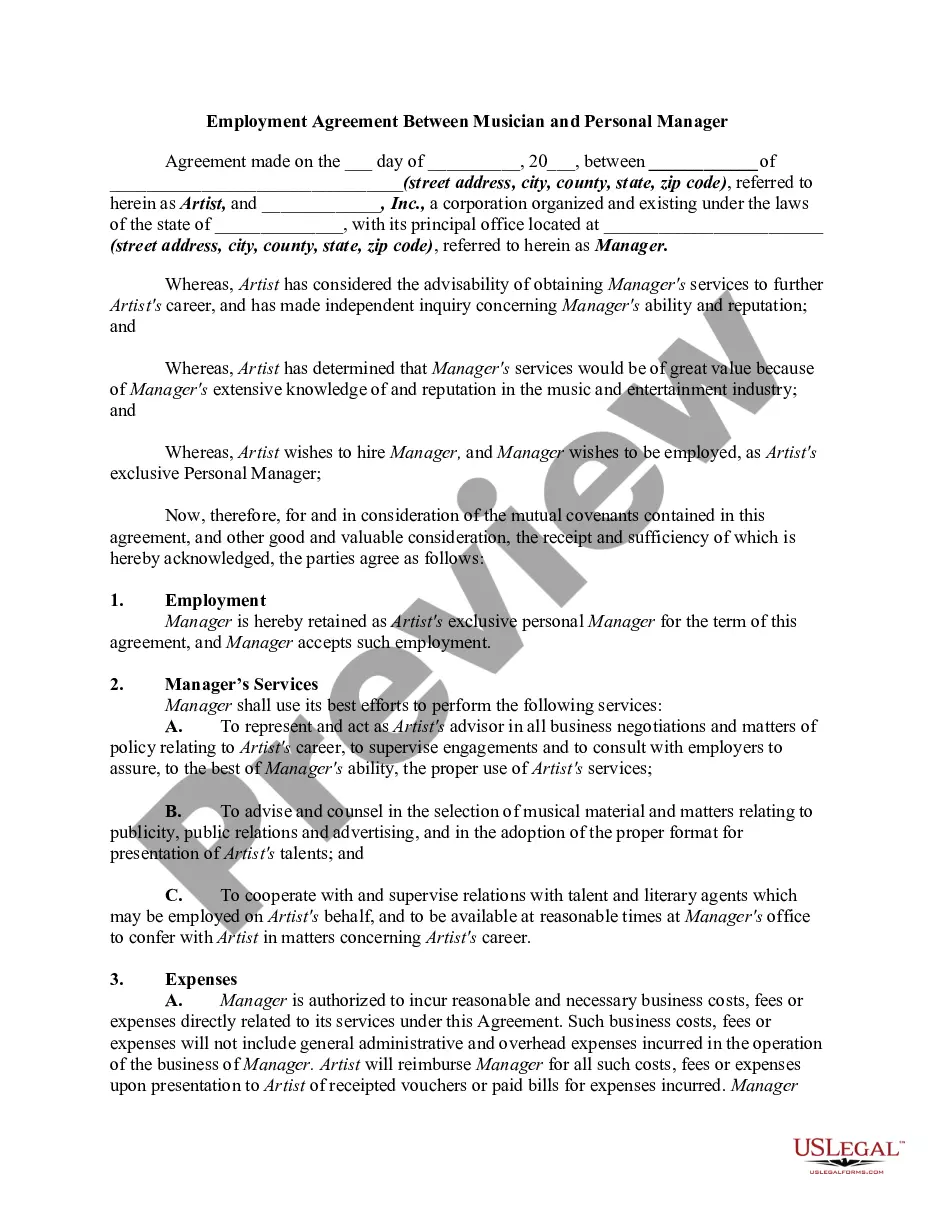
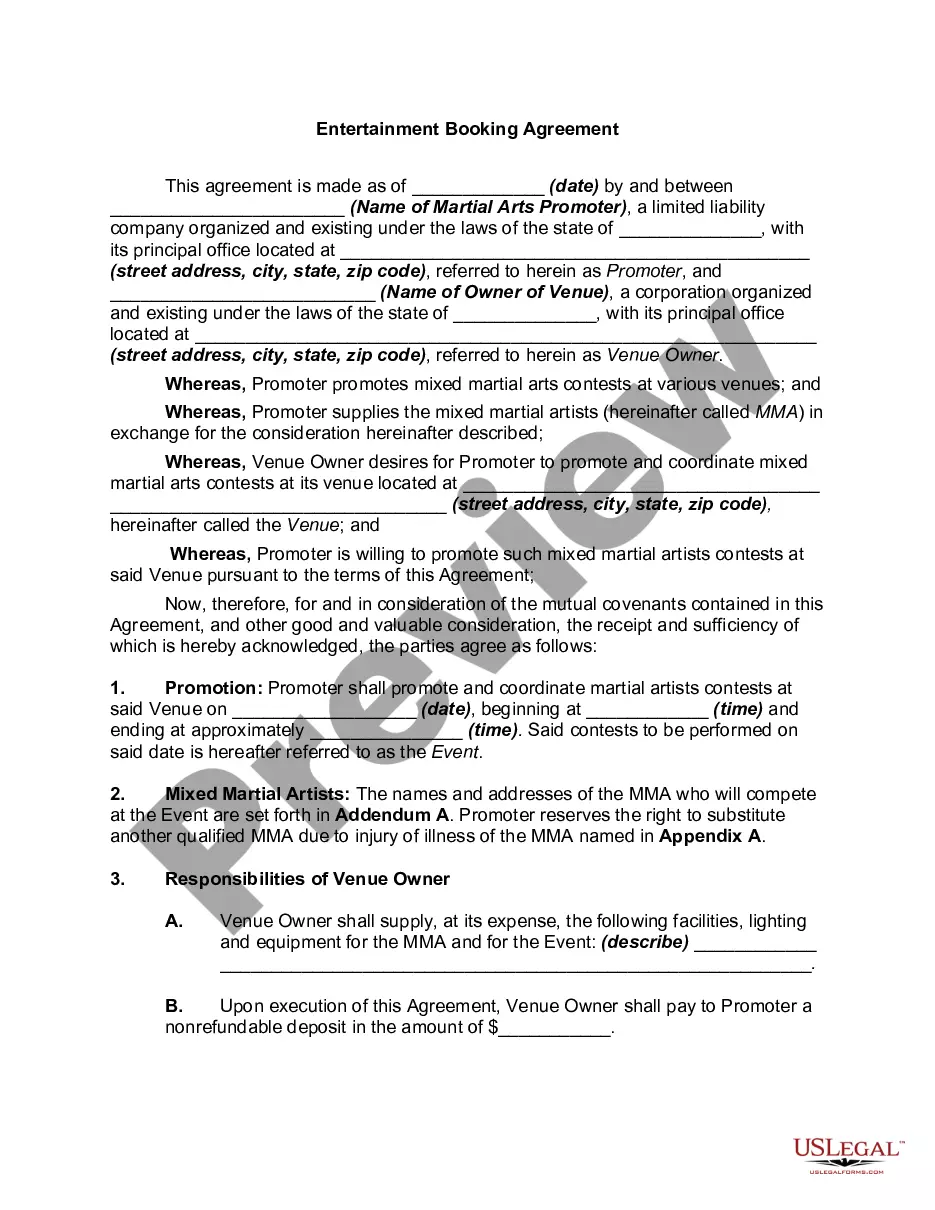
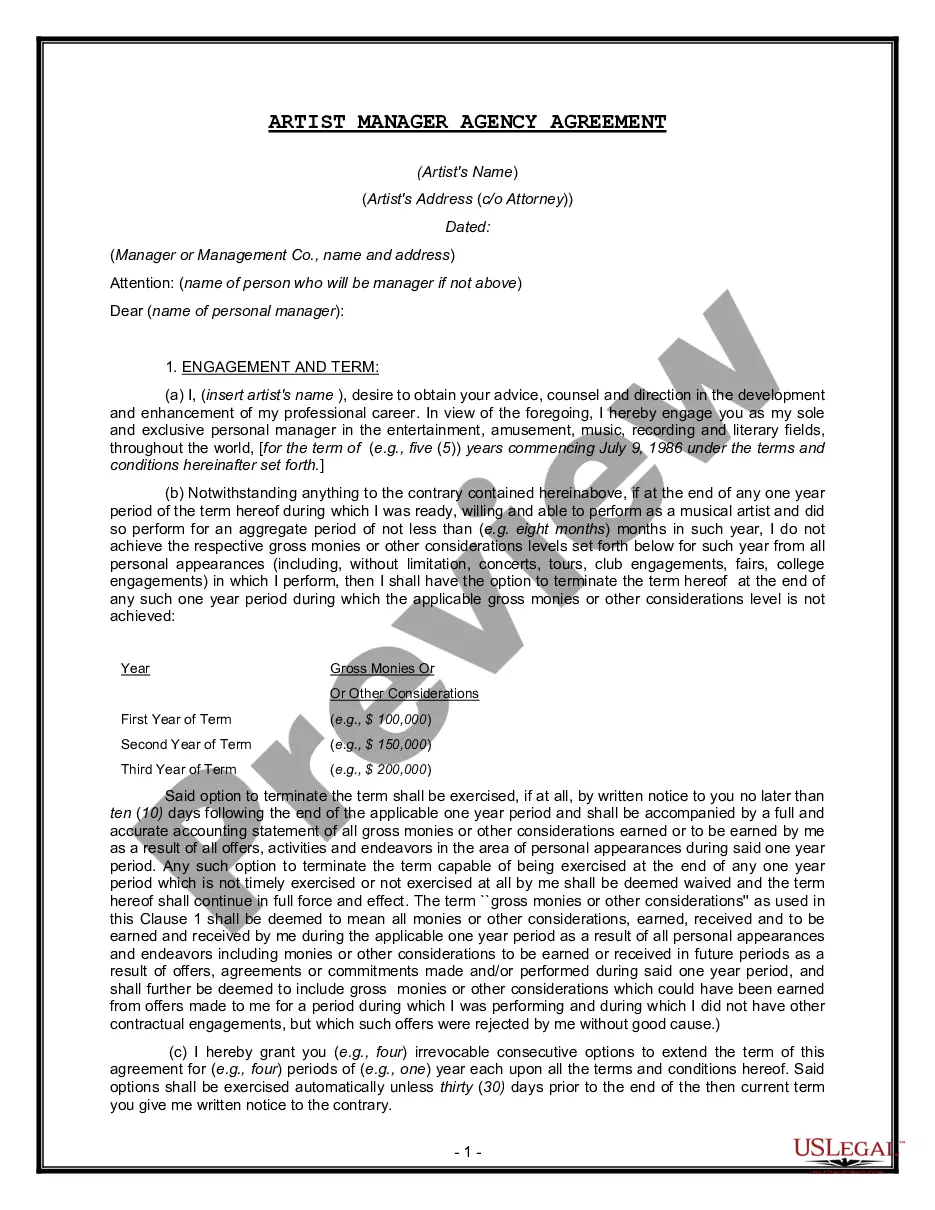
Get your form ready online
Our built-in tools help you complete, sign, share, and store your documents in one place.
Make edits, fill in missing information, and update formatting in US Legal Forms—just like you would in MS Word.
Download a copy, print it, send it by email, or mail it via USPS—whatever works best for your next step.
Sign and collect signatures with our SignNow integration. Send to multiple recipients, set reminders, and more. Go Premium to unlock E-Sign.
If this form requires notarization, complete it online through a secure video call—no need to meet a notary in person or wait for an appointment.
We protect your documents and personal data by following strict security and privacy standards.

Make edits, fill in missing information, and update formatting in US Legal Forms—just like you would in MS Word.

Download a copy, print it, send it by email, or mail it via USPS—whatever works best for your next step.

Sign and collect signatures with our SignNow integration. Send to multiple recipients, set reminders, and more. Go Premium to unlock E-Sign.

If this form requires notarization, complete it online through a secure video call—no need to meet a notary in person or wait for an appointment.

We protect your documents and personal data by following strict security and privacy standards.
Looking for another form?





Form popularity
FAQ
Most Commonly: The Finance Team. This is the most common way of handling contract management in small companies. Typically the finance department is responsible for collecting contracts from vendors and customers, making sure that they are filled out correctly, and that they are filed appropriately.
How to implement contract management activities Step 1: Transition activities, if any. Step 2: Review the draft contract management plan. Step 3: Review the contract's budget. Step 4: Resources to support contract management. Step 5: Finalise and implement the contract management plan.
Your finance team plays a crucial role in contract management, as they manage all the financial aspects of your company's contracts. From budgeting to invoicing, they're focused on avoiding financial risk and dips in revenue.
A: The role of a contract manager in procurement is to oversee and manage the contractual agreements between the organisation and its suppliers. They ensure compliance, mitigate risks and monitor the performance and fulfilment of contractual obligations.
Practical experience is crucial in understanding the nuances of contract management. Seek entry-level positions or internships in procurement, project management, or legal departments. Experience in these areas can provide a practical understanding of the contract lifecycle, from creation to closure.
Contract management is an integral part of any procurement cycle.
Ultimately, the administration of a contract is the responsibility of the contracting officer who is the only person who may modify the contract or take action to enter into or change a contractual commitment on behalf of the U.S. Government.
Exploring the key stages of the contract management lifecycle Stage 1: Contract Initiation. Stage 2: Contract Creation and Negotiation. Stage 3: Contract Approval. Stage 4: Contract Execution. Stage 5: Contract Monitoring and Management. Stage 6: Contract Renewal or Termination.
Contract Overview. Briefly outline. Objectives. List objectives and desired outcomes here. Transitional arrangements and mobilisation. Briefly outline. Performance management. Briefly outline. Finance. Briefly outline. Governance arrangements. Communication with provider. Briefly outline. Communication with stakeholders.
The key stages of the contract management process in procurement include: Pre-award stage. Contract drafting and negotiation. Contract execution and implementation.
