Business Management With Enterprise In King
Description





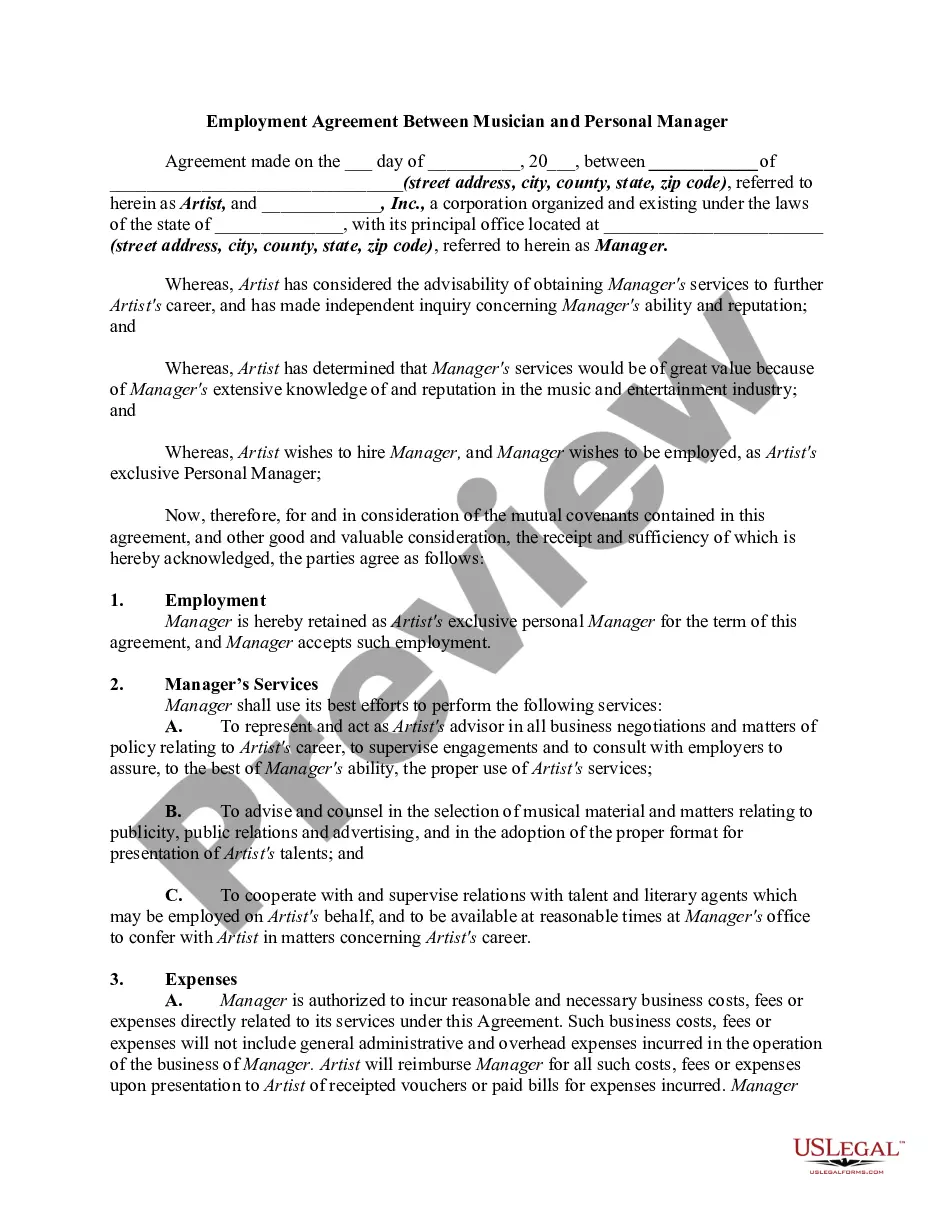

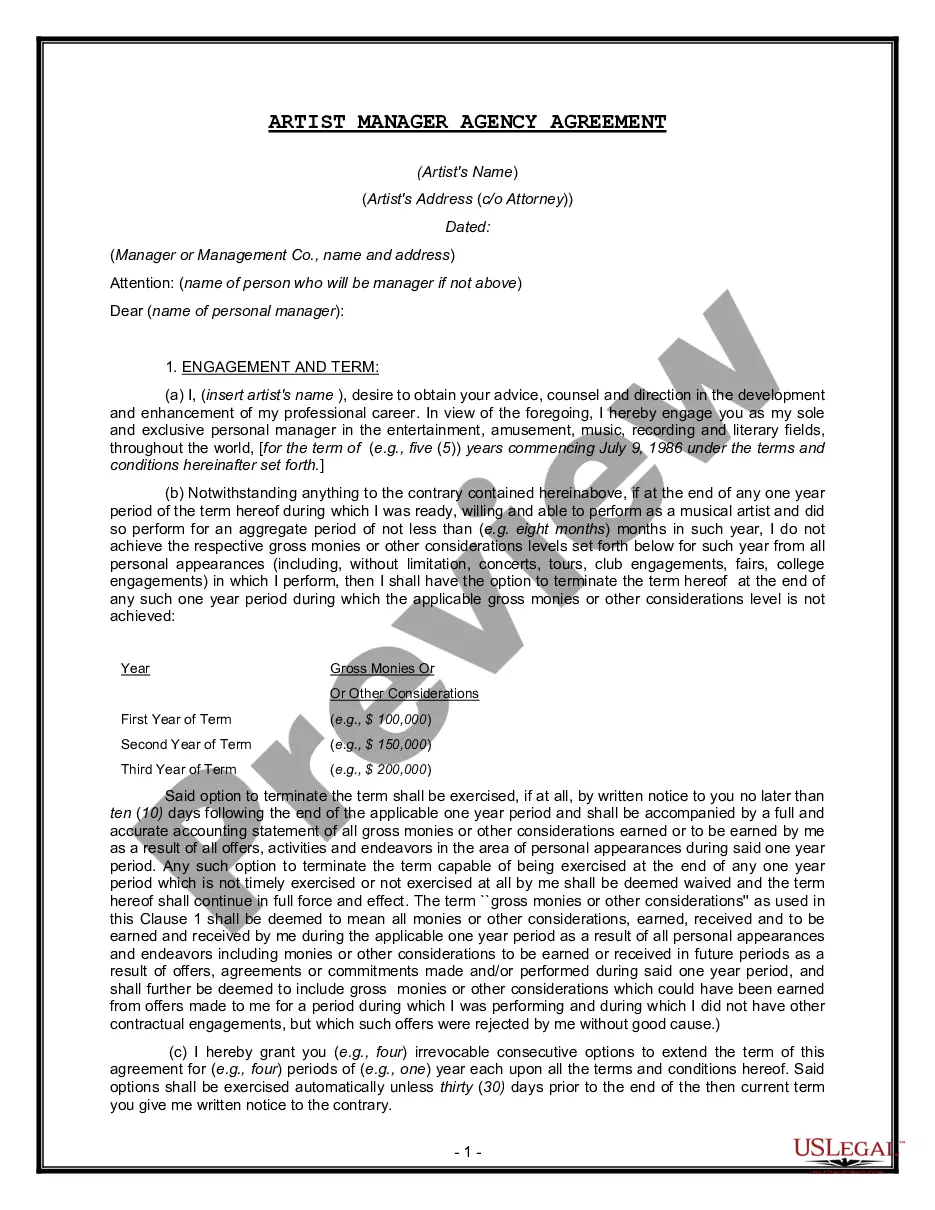
Get your form ready online
Our built-in tools help you complete, sign, share, and store your documents in one place.
Make edits, fill in missing information, and update formatting in US Legal Forms—just like you would in MS Word.
Download a copy, print it, send it by email, or mail it via USPS—whatever works best for your next step.
Sign and collect signatures with our SignNow integration. Send to multiple recipients, set reminders, and more. Go Premium to unlock E-Sign.
If this form requires notarization, complete it online through a secure video call—no need to meet a notary in person or wait for an appointment.
We protect your documents and personal data by following strict security and privacy standards.

Make edits, fill in missing information, and update formatting in US Legal Forms—just like you would in MS Word.

Download a copy, print it, send it by email, or mail it via USPS—whatever works best for your next step.

Sign and collect signatures with our SignNow integration. Send to multiple recipients, set reminders, and more. Go Premium to unlock E-Sign.

If this form requires notarization, complete it online through a secure video call—no need to meet a notary in person or wait for an appointment.

We protect your documents and personal data by following strict security and privacy standards.
Looking for another form?










Form popularity
FAQ
9 Business Management Tips Every Entrepreneur Should Know Prioritizing. The key to successful business management is prioritizing. Set Specific Goals. Delegate. Embrace Technology. Manage Your Inventory. Keep Your Expenses Down. Let Your Marketing Tell Your Story. Don't Give Up.
Entrepreneurial management is the practice of giving the innovation inherent in entrepreneurship a more solid management structure. Many new entrepreneurs have ideas for businesses they want to start, or products they want to create, but don't know how to manage a small business effectively.
Our undergraduate management courses explore modern business and organisational management theory and practice. You'll discover cutting-edge ideas from finance, accounting, economics, social science, psychology, and law.
While entrepreneurship involves the creation of one's own enterprise, management, on the other hand, provides a helping hand to an already-established business. By understanding the differences between these two practices, one can decide which career pathway to pursue.
Both management and entrepreneurship involve leadership skills and help businesses run successfully. Entrepreneurship involves the creation of one's own enterprise, while management involves helping guide an already-established business.
In a business, general management typically refers to overseeing a specific department or function within an organization, such as finance, marketing, or operations. On the other hand, enterprise management has a broader scope and encompasses the management of the entire organization or enterprise as a whole.
Summary. Proper project management involves direction, coordination, reassessment, and reconfigurration in real time. The entrepreneur must get the job done on time, within budget, and to the satisfaction of customers. This results in outstanding performance and profit for the business and its investors.
An entrepreneur owns a company, while a manager is the company employee. An entrepreneur is a risk taker who takes financial risks for the enterprise. A manager does not take risks and tries to maintain the status quo of the enterprise.
Entrepreneurial management is the practice of giving the innovation inherent in entrepreneurship a more solid management structure. Many new entrepreneurs have ideas for businesses they want to start, or products they want to create, but don't know how to manage a small business effectively.
King's Strategy is a platform for students to experience working with real businesses, such as yourself, to solve pressing issues. From law, medicine, history, politics and business - our Strategy Analysts stem from a variety of academic backgrounds.
