Talent Management Contract For Employees In Illinois
Description

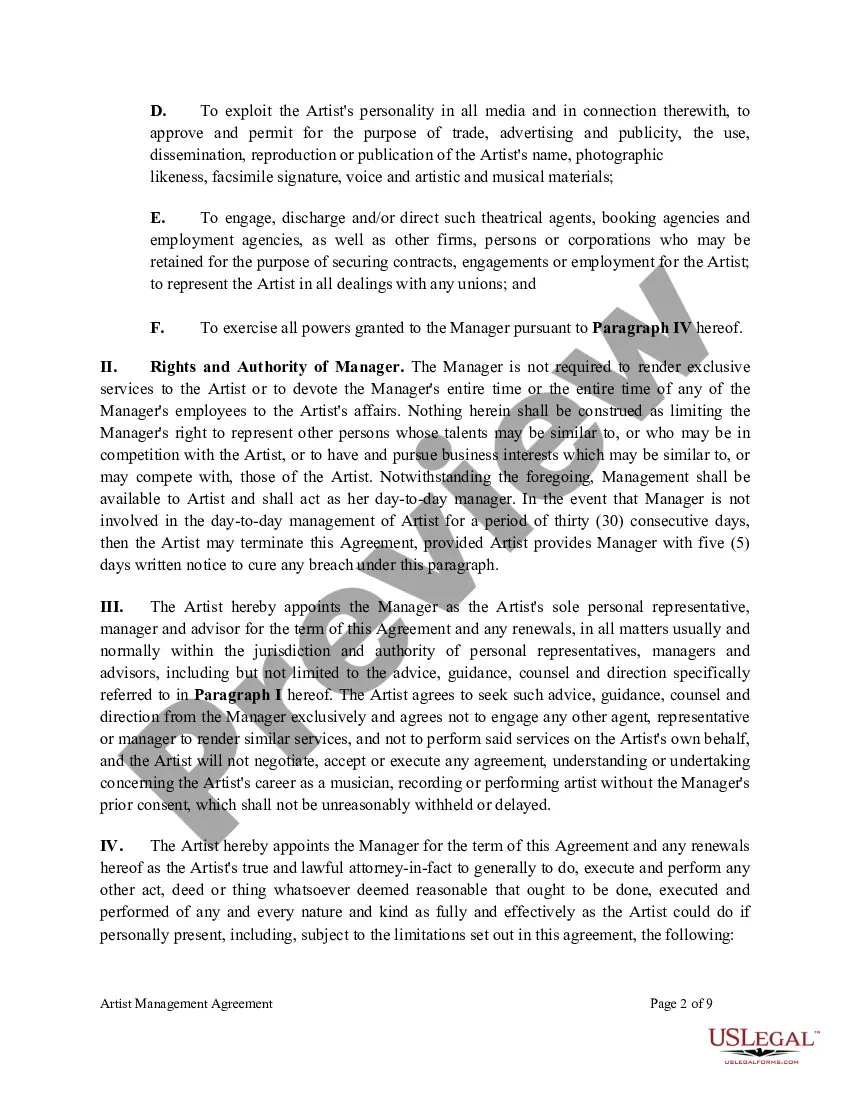
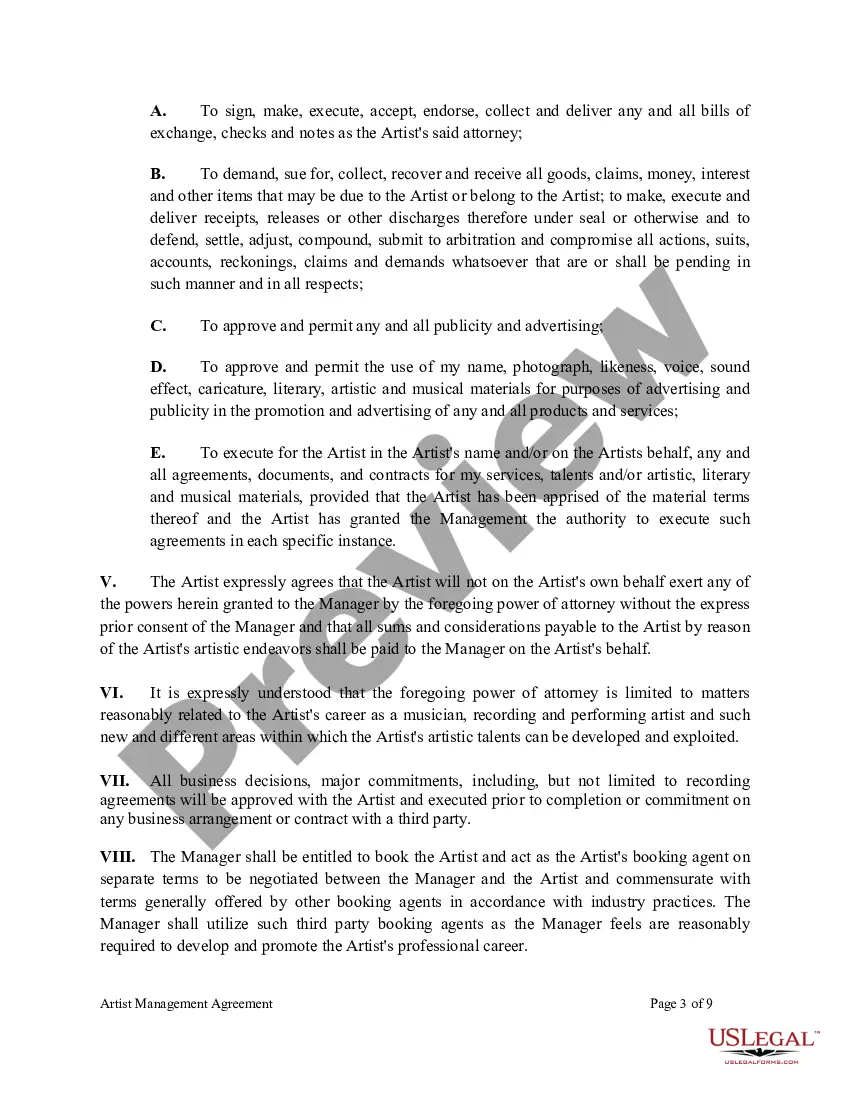
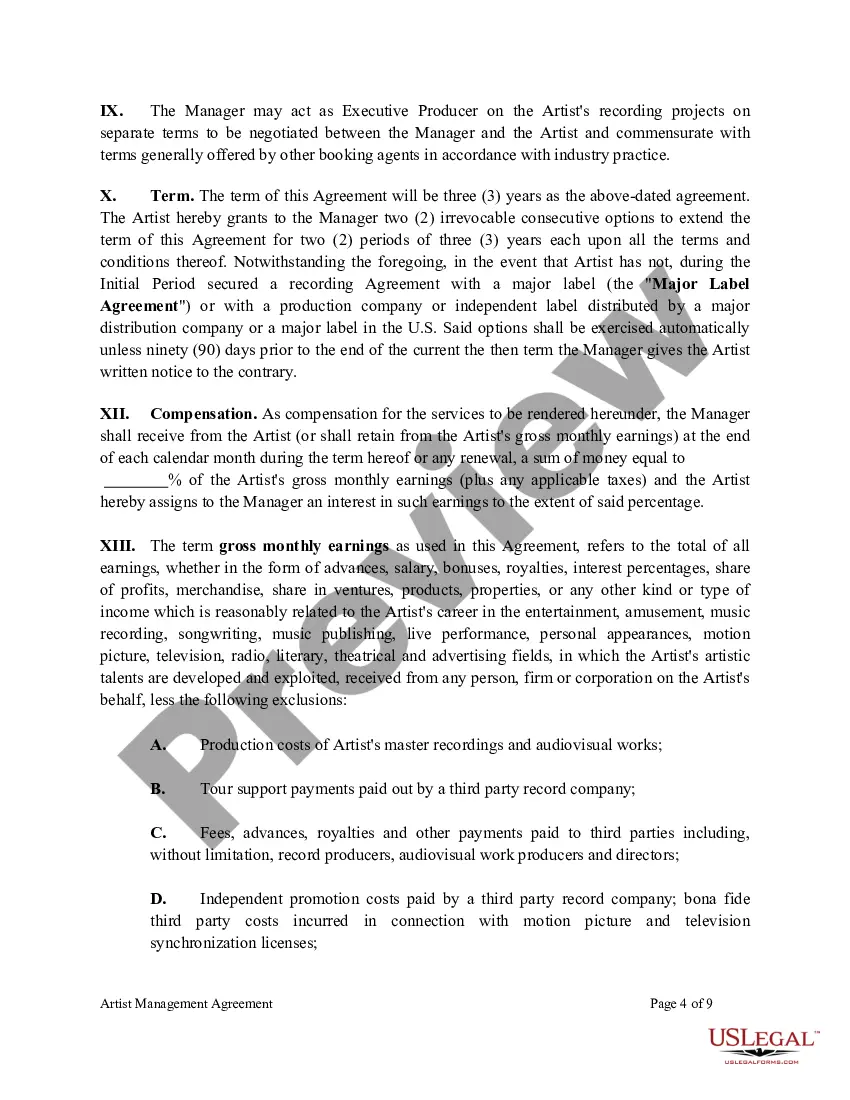
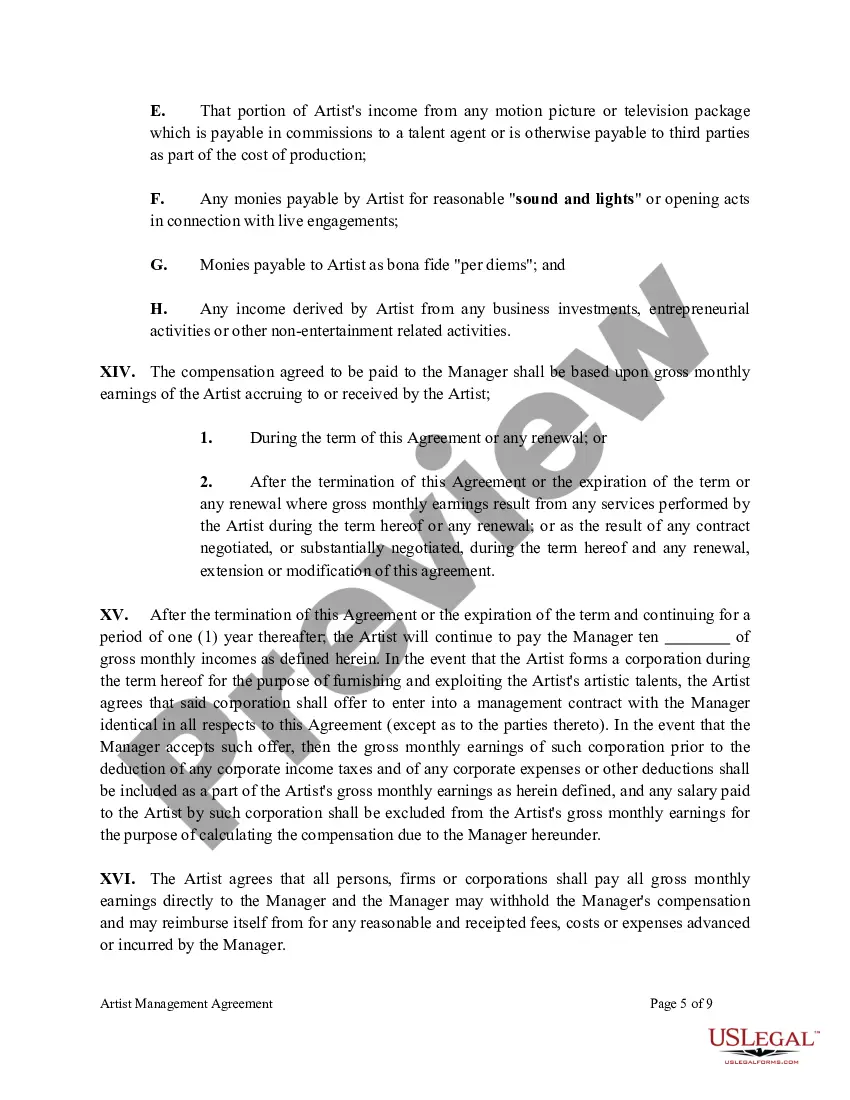
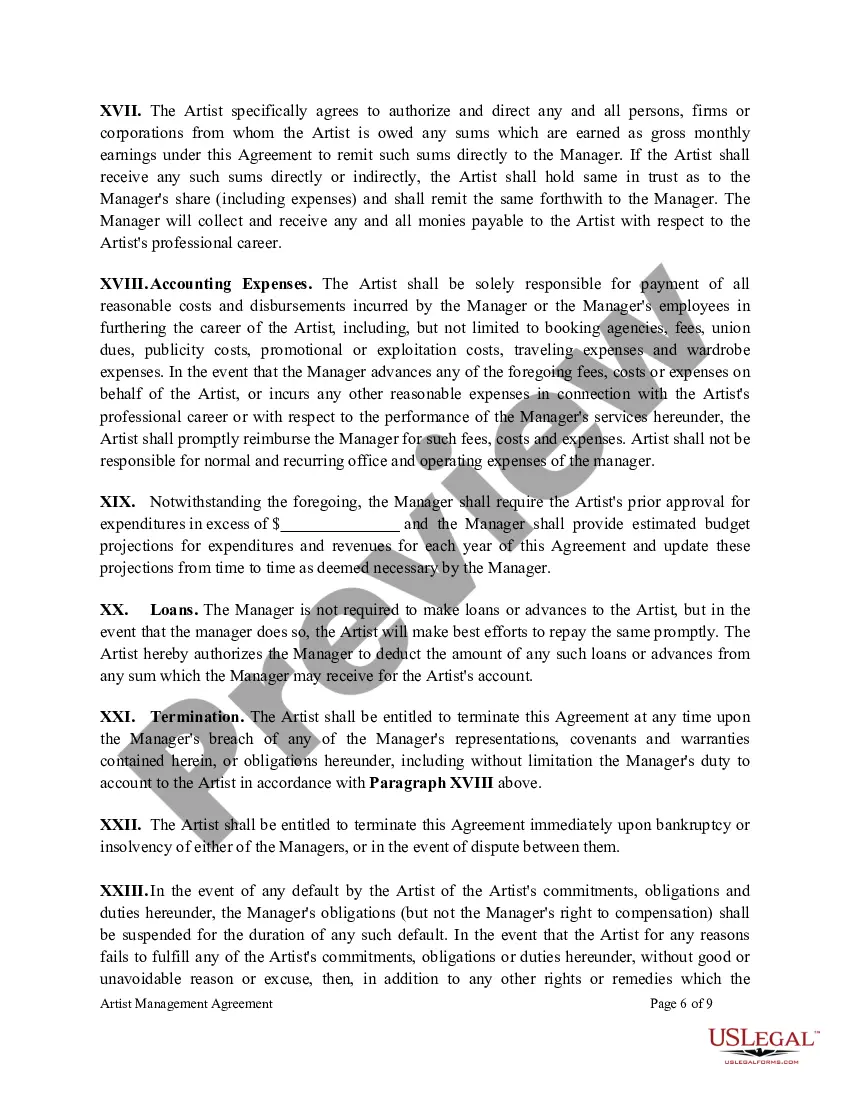
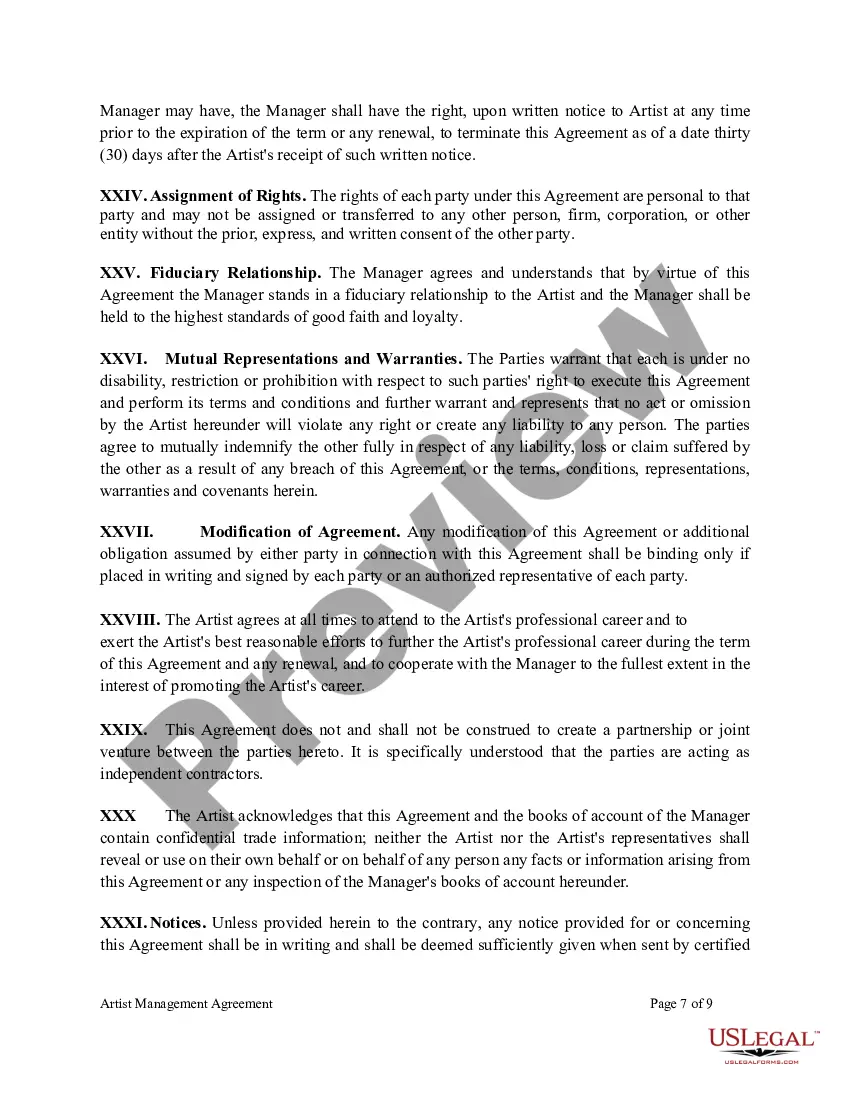
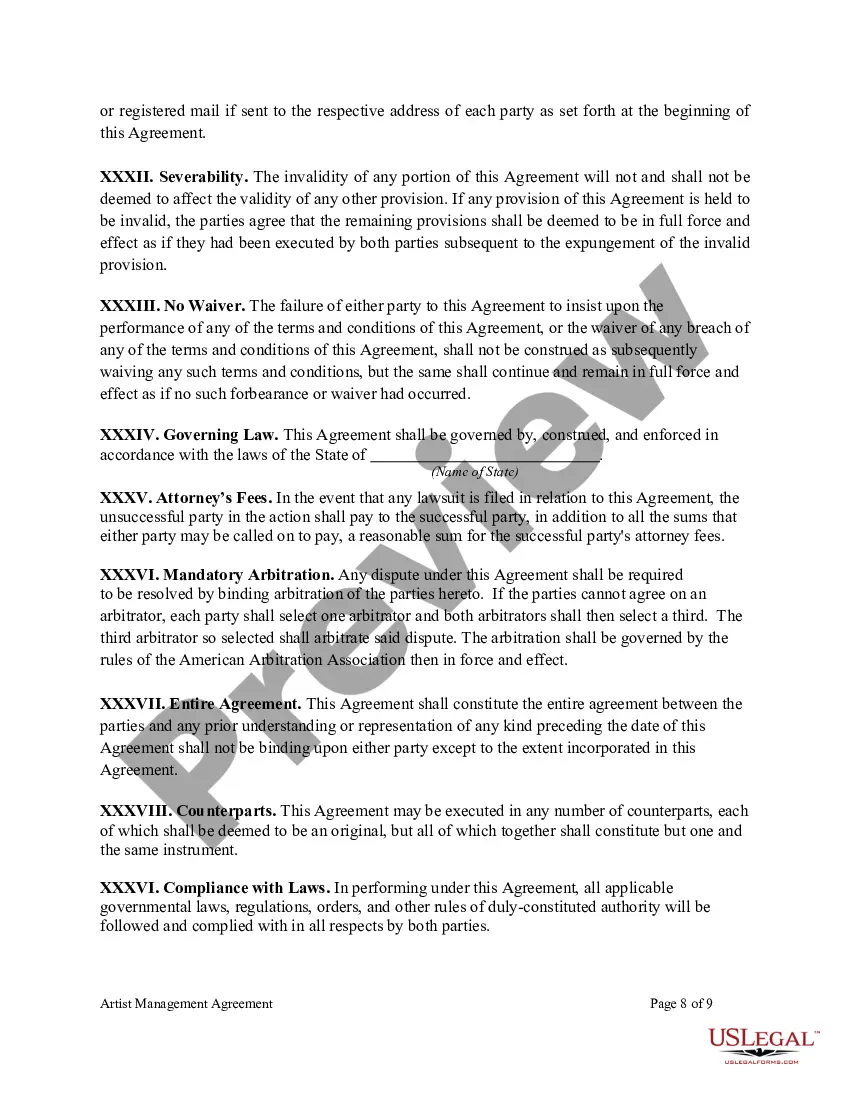
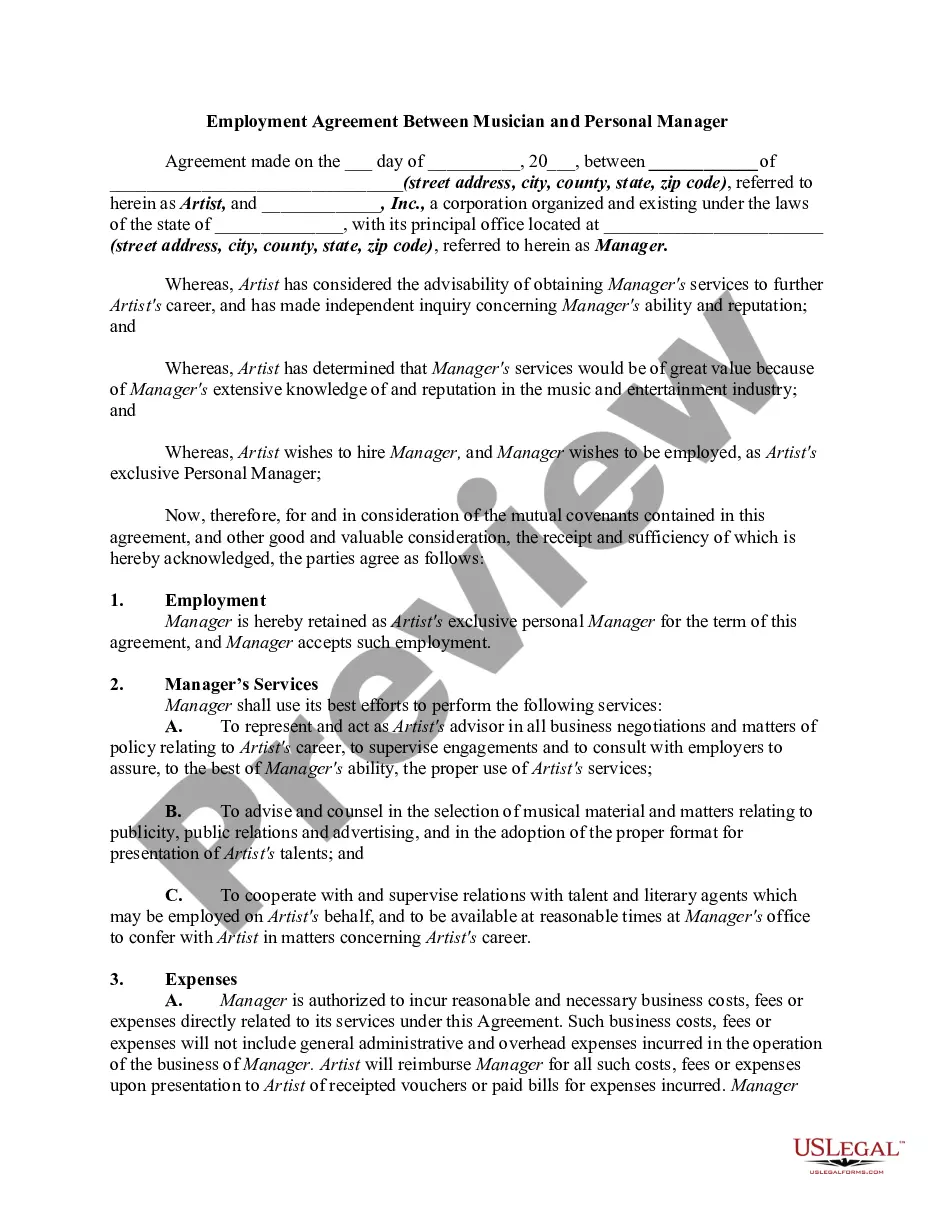
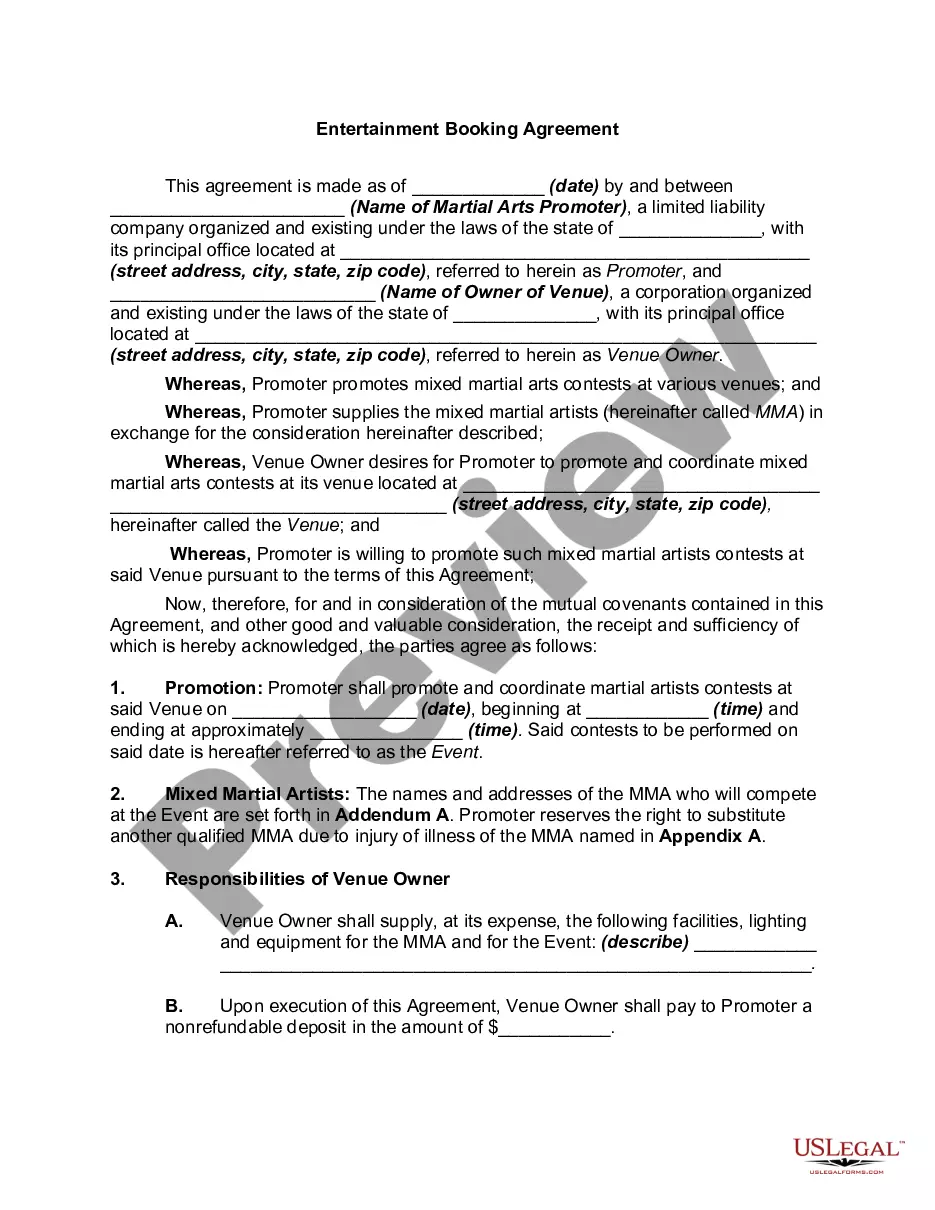
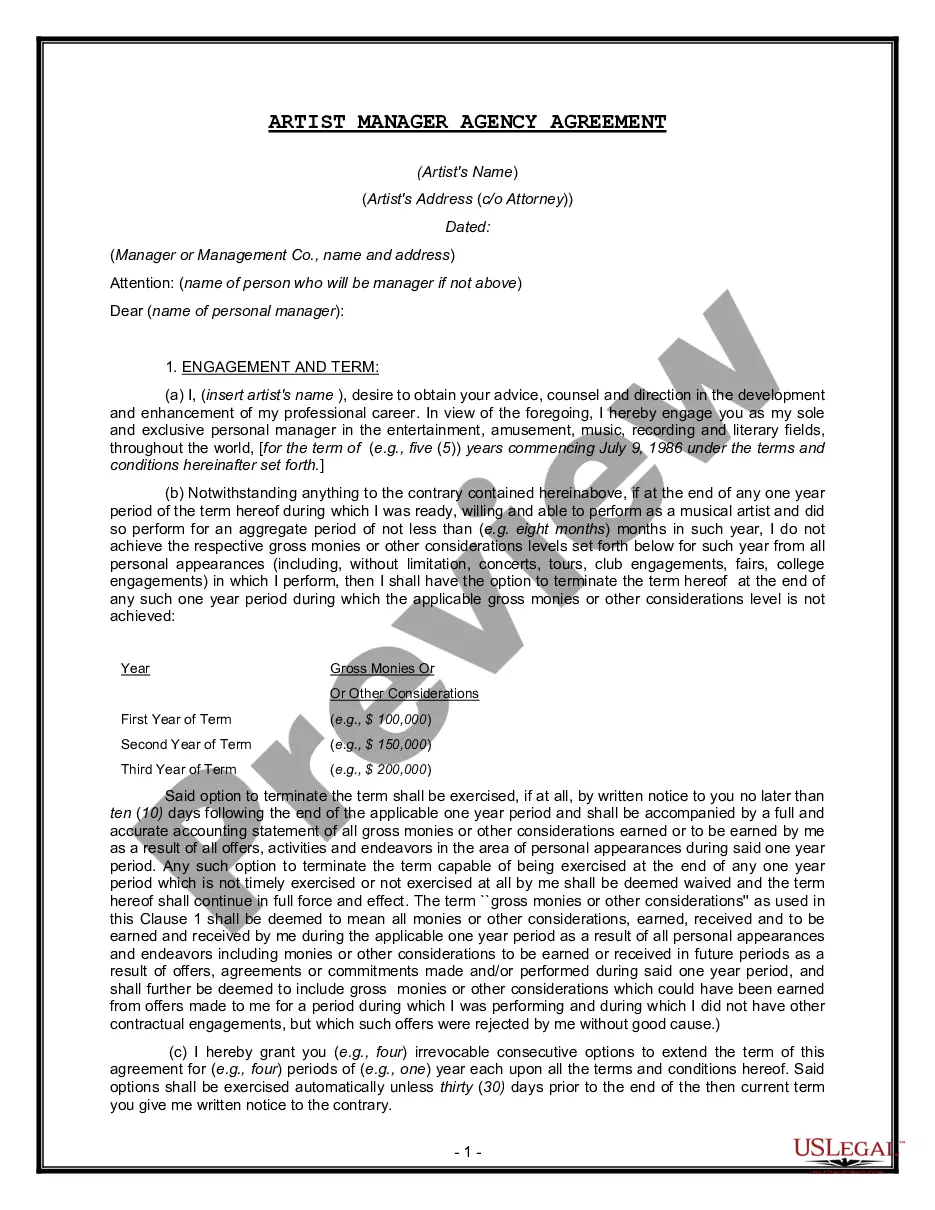
Get your form ready online
Our built-in tools help you complete, sign, share, and store your documents in one place.
Make edits, fill in missing information, and update formatting in US Legal Forms—just like you would in MS Word.
Download a copy, print it, send it by email, or mail it via USPS—whatever works best for your next step.
Sign and collect signatures with our SignNow integration. Send to multiple recipients, set reminders, and more. Go Premium to unlock E-Sign.
If this form requires notarization, complete it online through a secure video call—no need to meet a notary in person or wait for an appointment.
We protect your documents and personal data by following strict security and privacy standards.

Make edits, fill in missing information, and update formatting in US Legal Forms—just like you would in MS Word.

Download a copy, print it, send it by email, or mail it via USPS—whatever works best for your next step.

Sign and collect signatures with our SignNow integration. Send to multiple recipients, set reminders, and more. Go Premium to unlock E-Sign.

If this form requires notarization, complete it online through a secure video call—no need to meet a notary in person or wait for an appointment.

We protect your documents and personal data by following strict security and privacy standards.
Looking for another form?



Form popularity
FAQ
A talent agency contract is a legal agreement between a talent agency and a talent, such as an actor, musician, or model. This contract outlines the terms and conditions under which the talent agency will represent the talent and seek out opportunities for them to work in their industry.
How Do Staffing Agencies Get Contracts Focus on a specific niche and leverage data to demonstrate your impact. Actively listen to clients' needs, offer data-driven solutions, and foster ongoing communication. Go beyond basic placements, offer industry insights, and adapt to client preferences.
The most straightforward way for a staffing agency to get a new contract is through direct sales contact with potential clients. This involves identifying prospects, usually at the hiring manager or HR level, and reaching out to them proactively via phone, email, LinkedIn, and in-person networking.
Contract staffing refers to an employment arrangement where a company hires an individual on a temporary or contract basis for a specific duration, typically to work on a particular project or to fill a specific need. Contract staffing is also known as temporary staffing or contingent staffing.
Companies that provide employment services in Illinois must apply for a license prior to doing business. Depending on the services offered, businesses may need to apply for more than one license type, and in some cases, an individual license will be required as well.
In Illinois, the elements necessary for a valid contract are: • An offer. An acceptance. Consideration. Ascertainable Material terms.
Essentially, verbal contacts are as valid as written contracts in Illinois, but they are more difficult to prove. While something such as a handshake has no legal significance, having witnesses can strengthen a case.
It is a legal framework for the agreement between the parties, which is both certain and enforceable. However, to be legally binding, a contract must include four key elements: an offer, acceptance, consideration, and an intention to create legal relations.
There must be an offer and an acceptance. There must be consideration. The parties to the contract must be competent. Its purpose must be legal.
