Management Company Examples In Franklin
Description

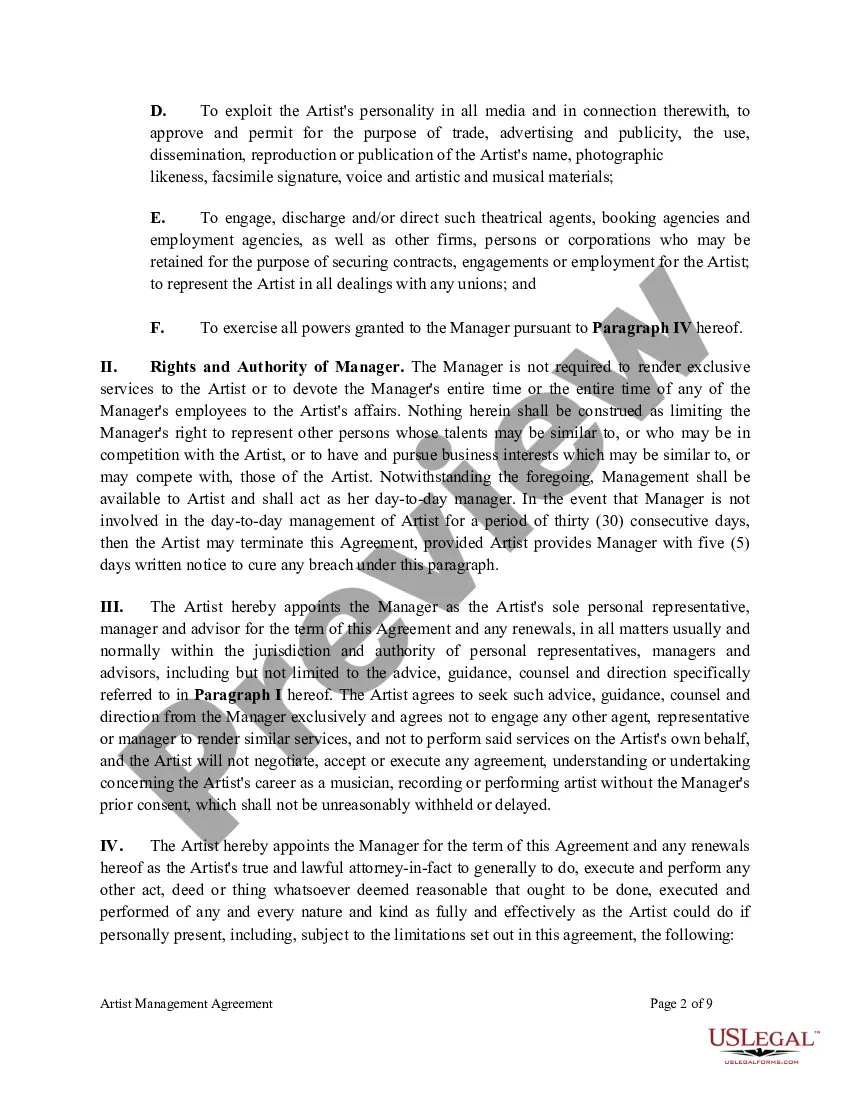
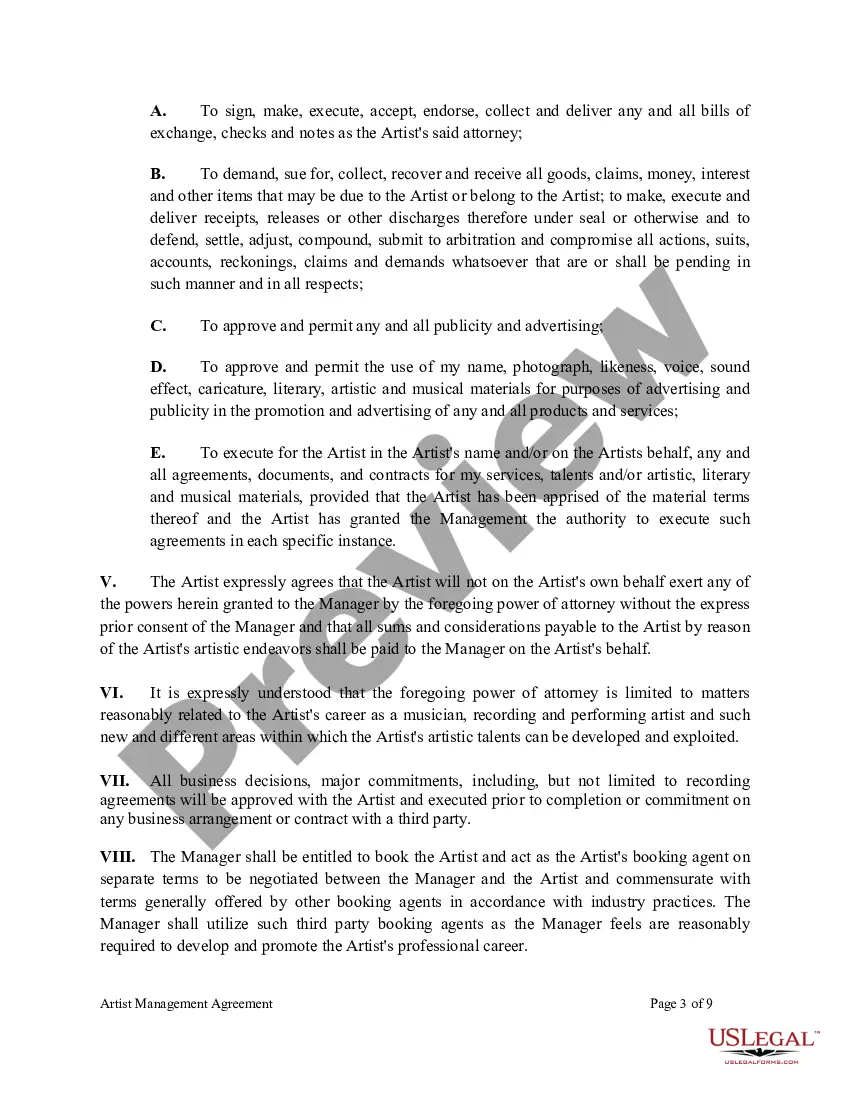
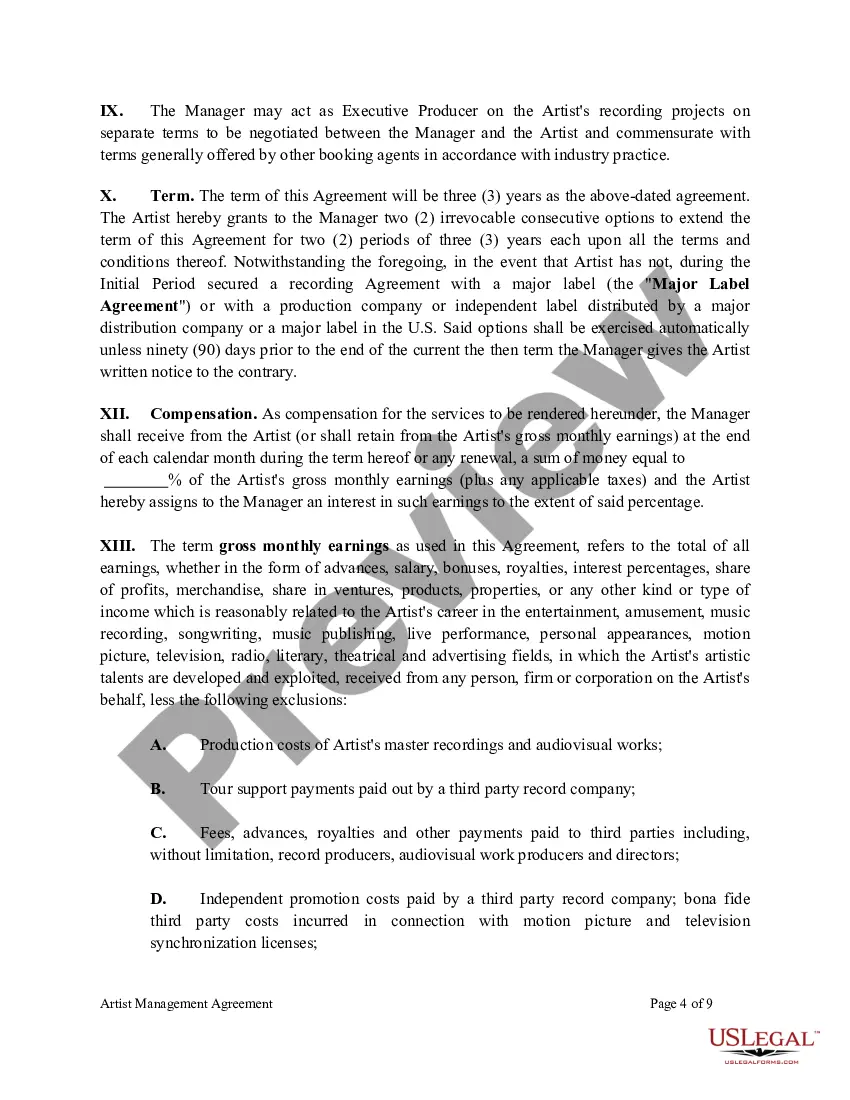
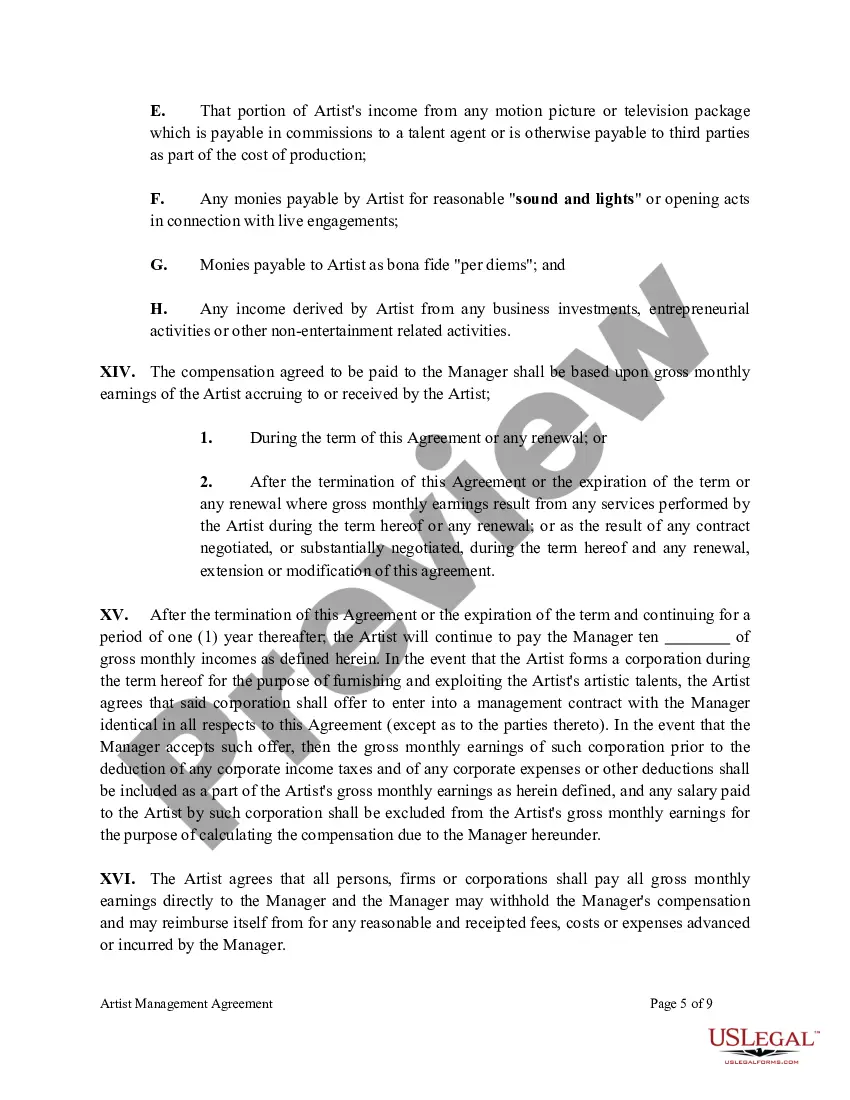
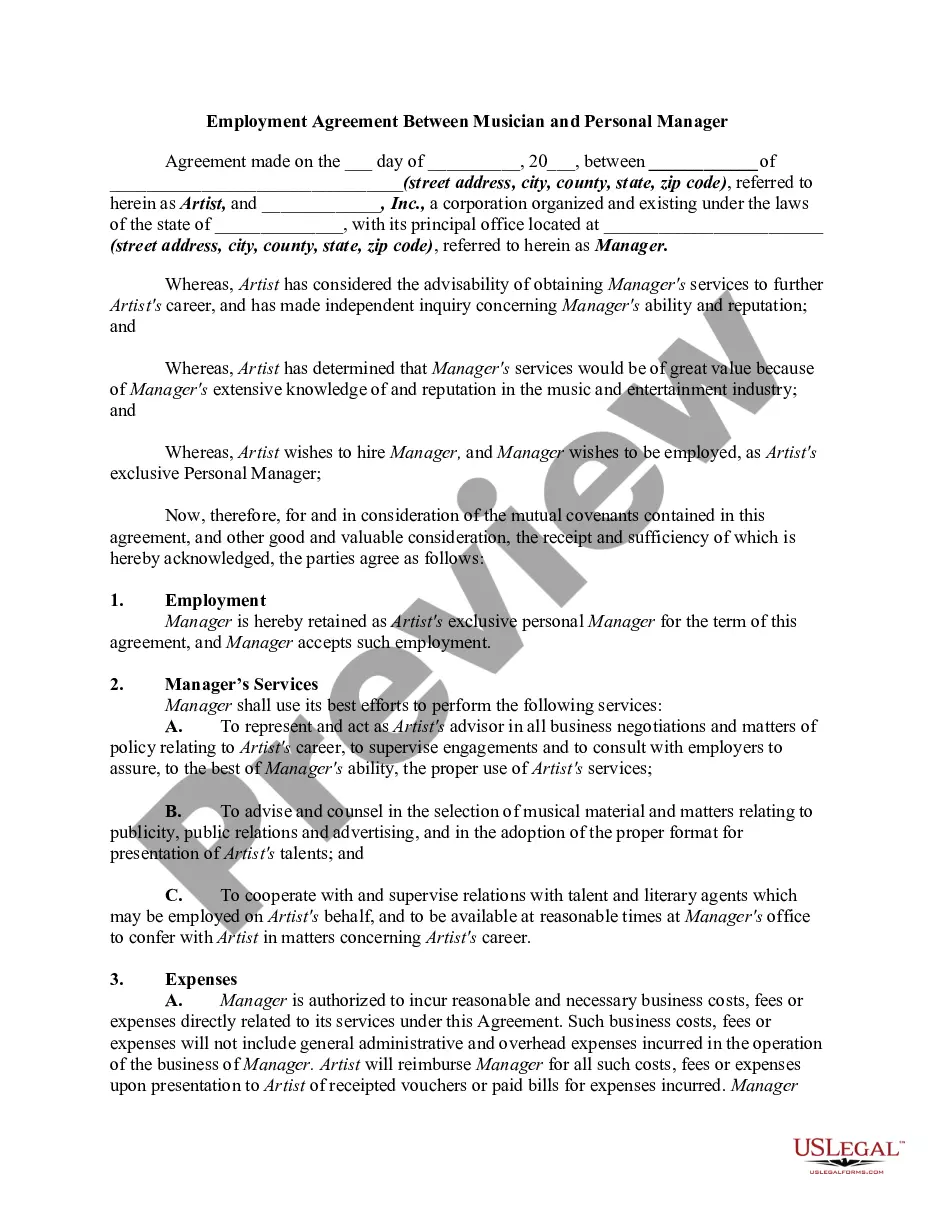
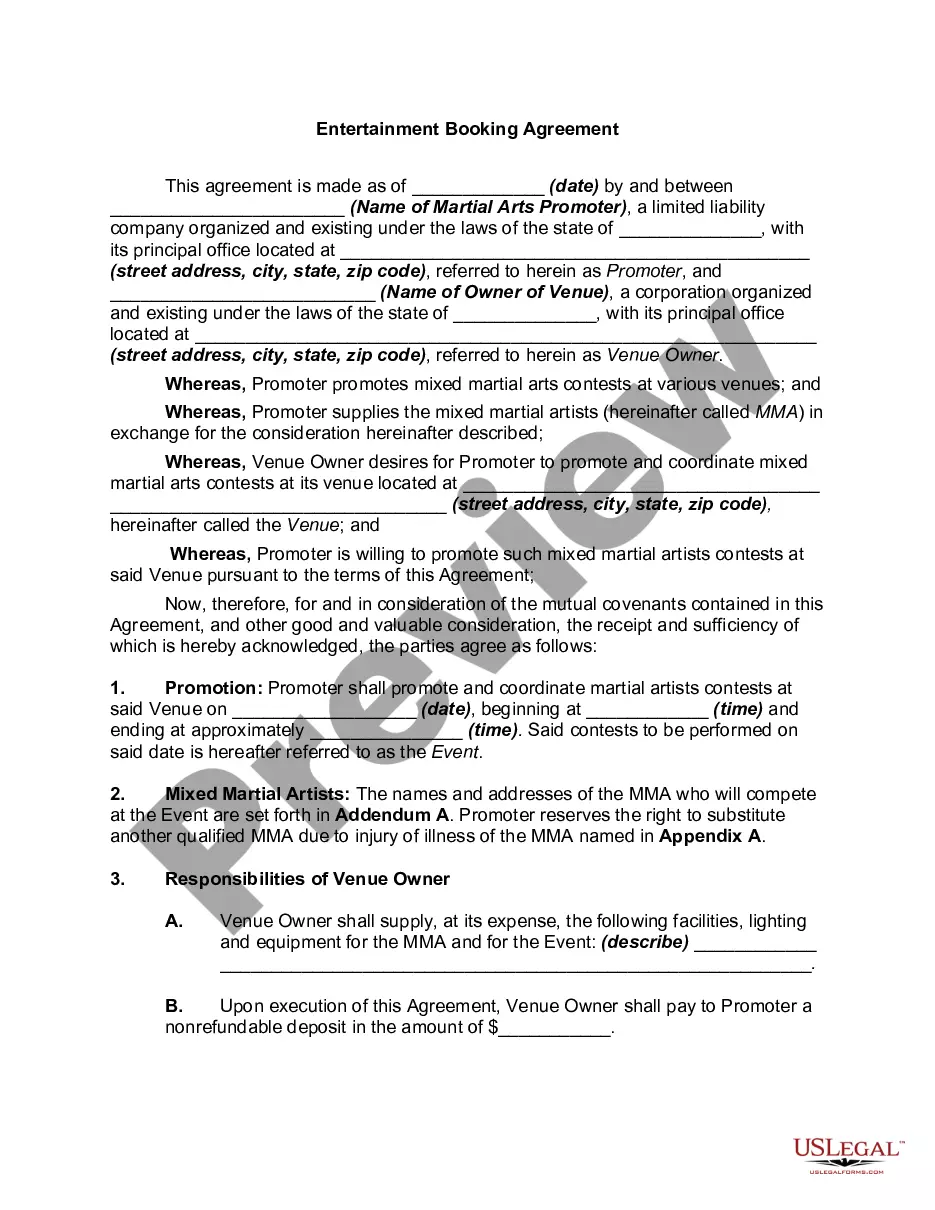
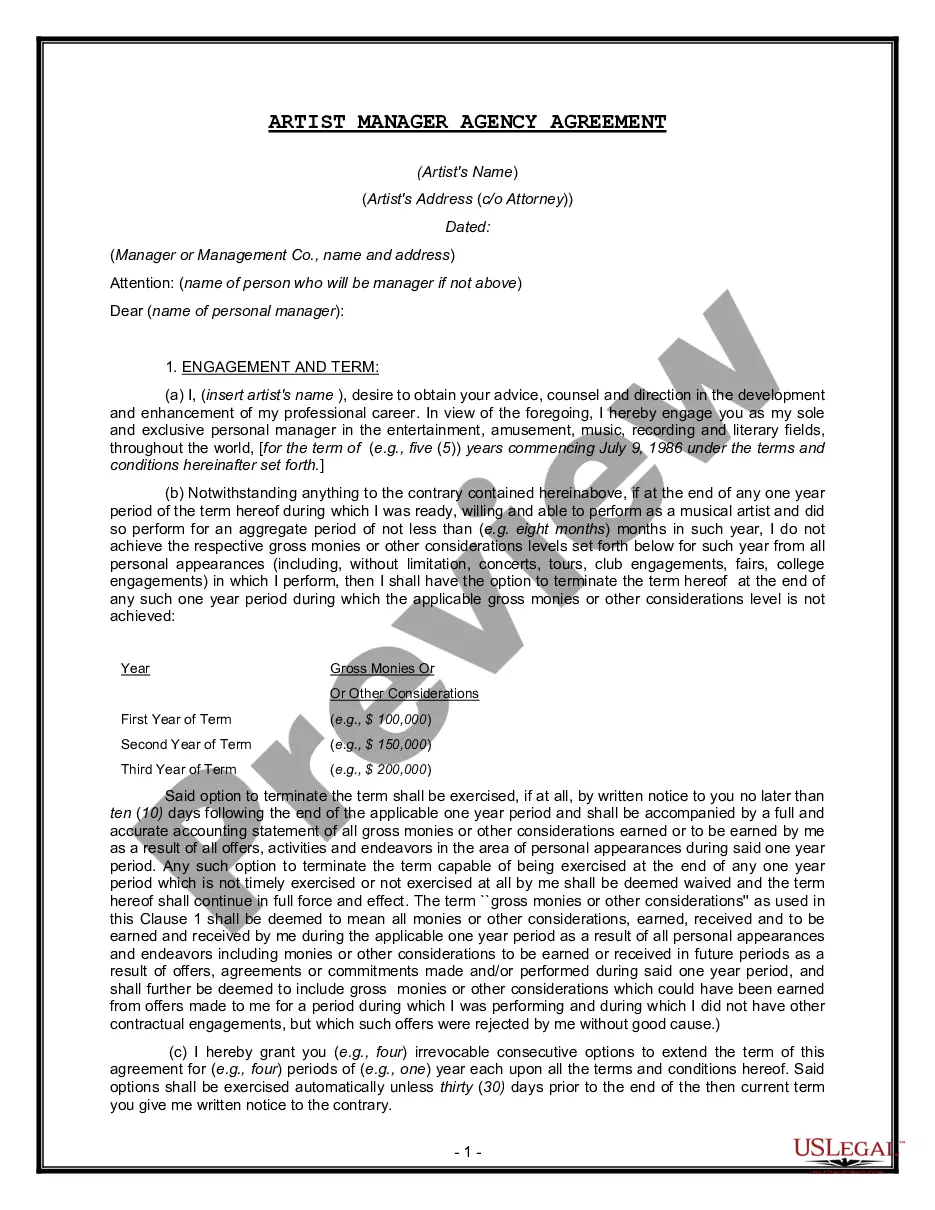
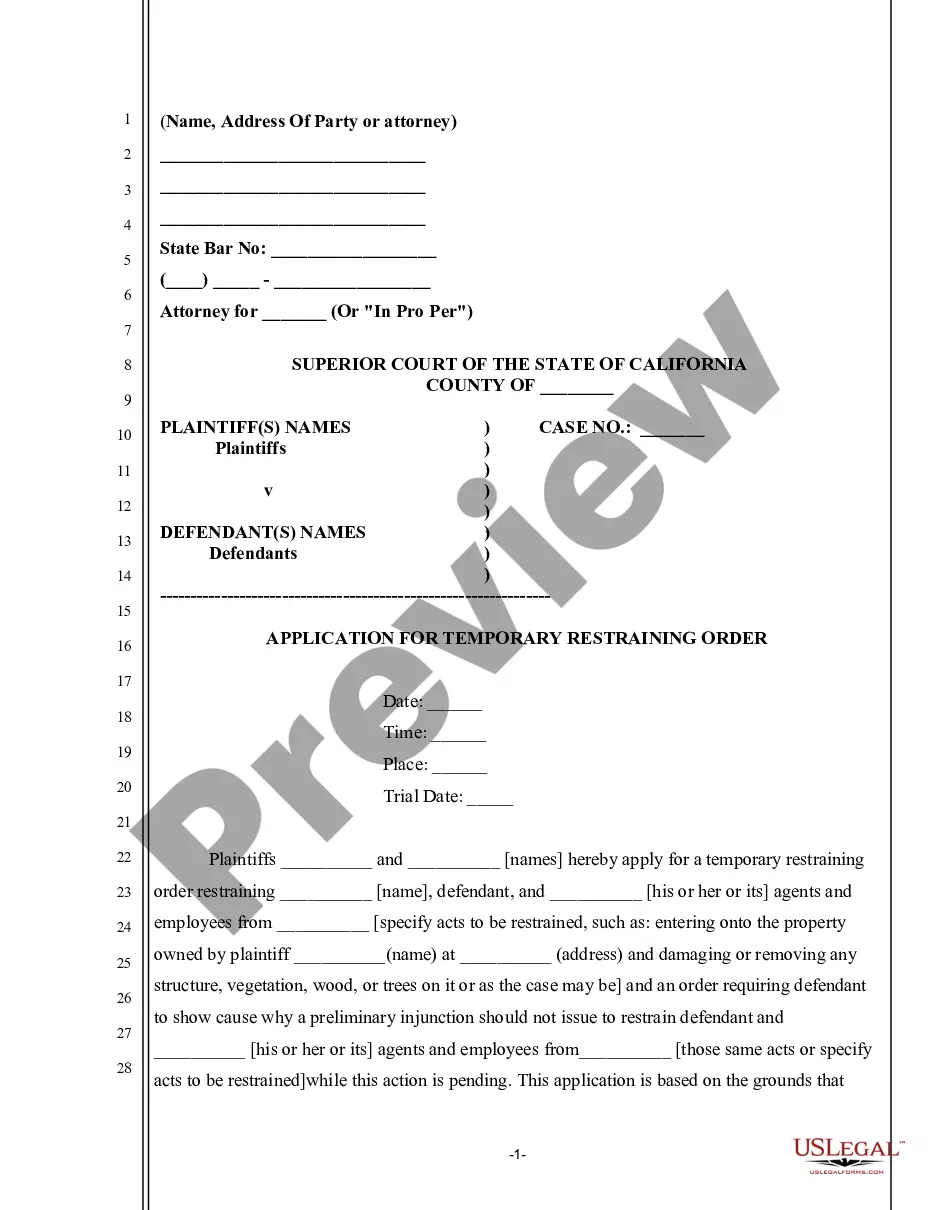
Get your form ready online
Our built-in tools help you complete, sign, share, and store your documents in one place.
Make edits, fill in missing information, and update formatting in US Legal Forms—just like you would in MS Word.
Download a copy, print it, send it by email, or mail it via USPS—whatever works best for your next step.
Sign and collect signatures with our SignNow integration. Send to multiple recipients, set reminders, and more. Go Premium to unlock E-Sign.
If this form requires notarization, complete it online through a secure video call—no need to meet a notary in person or wait for an appointment.
We protect your documents and personal data by following strict security and privacy standards.

Make edits, fill in missing information, and update formatting in US Legal Forms—just like you would in MS Word.

Download a copy, print it, send it by email, or mail it via USPS—whatever works best for your next step.

Sign and collect signatures with our SignNow integration. Send to multiple recipients, set reminders, and more. Go Premium to unlock E-Sign.

If this form requires notarization, complete it online through a secure video call—no need to meet a notary in person or wait for an appointment.

We protect your documents and personal data by following strict security and privacy standards.
Looking for another form?







Form popularity
FAQ
As a forward-thinking asset manager, we build dynamic relationships with our clients, understand their goals, and navigate the complexities of the market together. Our team leverages cutting-edge strategies and deep industry insights to unlock opportunities to help grow wealth.
Our seven top tips for doing this are: Avoid saving unnecessary documents. Follow a consistent method for naming your files and folders. Store related documents together, whatever their type. Separate ongoing work from completed work. Avoid overfilling folders. Organize documents by date.
Here are seven ways to manage your documents and files efficiently and effectively: Avoid saving unnecessary documents. Follow a consistent method for naming your files and folders. Store related documents together, whatever their type. Separate ongoing work from completed work. Avoid overfilling folders.
File Management -- Common Tasks Finding Your Files. Opening a File. Copying a File (or Folder) Moving a File (or Folder) Deleting a File (or Folder) Selecting Multiple Files (or Folders) Zipping (Compressing) a Folder.
If you want to learn how to organize your paperwork, follow these seven steps: Separate documents by type. Use chronological and alphabetical order. Organize your filing space. Color-code your filing system. Label your filing system. Dispose of unnecessary documents. Digitize files.
There are three main types of file management: hierarchical, network, and relational.
Windows Explorer is a default file management tool present in the system. Some other examples of file management tools are Google Desktop, Double Commander, Directory Opus, etc.
Files can be managed in a couple of different ways. One is through a File Management Utility (such as "My Computer" also called "Computer", or "Windows Explorer") and the second is through the application that is used to create the file (such as "Microsoft Word").
FranklinCovey emphasizes values-based prioritization, GTD focuses on capturing and processing tasks systematically, and Agile/Scrum enables iterative and collaborative project management. Consider your personal preferences, work context, and specific goals to determine which methodology aligns best with your needs.
For those seeking a fully digital, customizable, and highly flexible alternative to the Franklin Covey Digital Planner, Key2Success is an excellent option. It brings a modern approach to productivity, goal-setting, and time management while maintaining the depth needed for both personal and professional growth.
