Artist Agreement Form Statement For Graduate School In Fairfax
Description









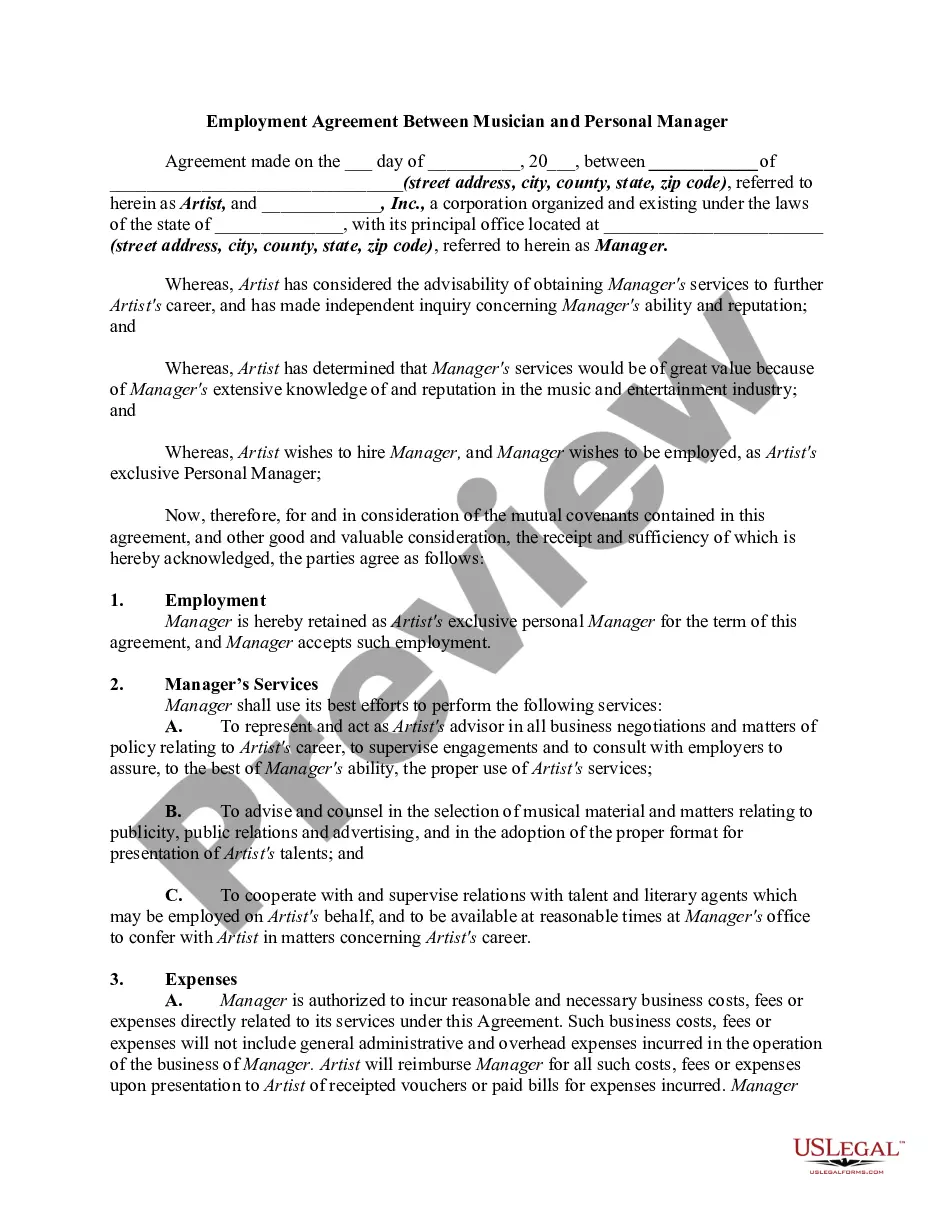
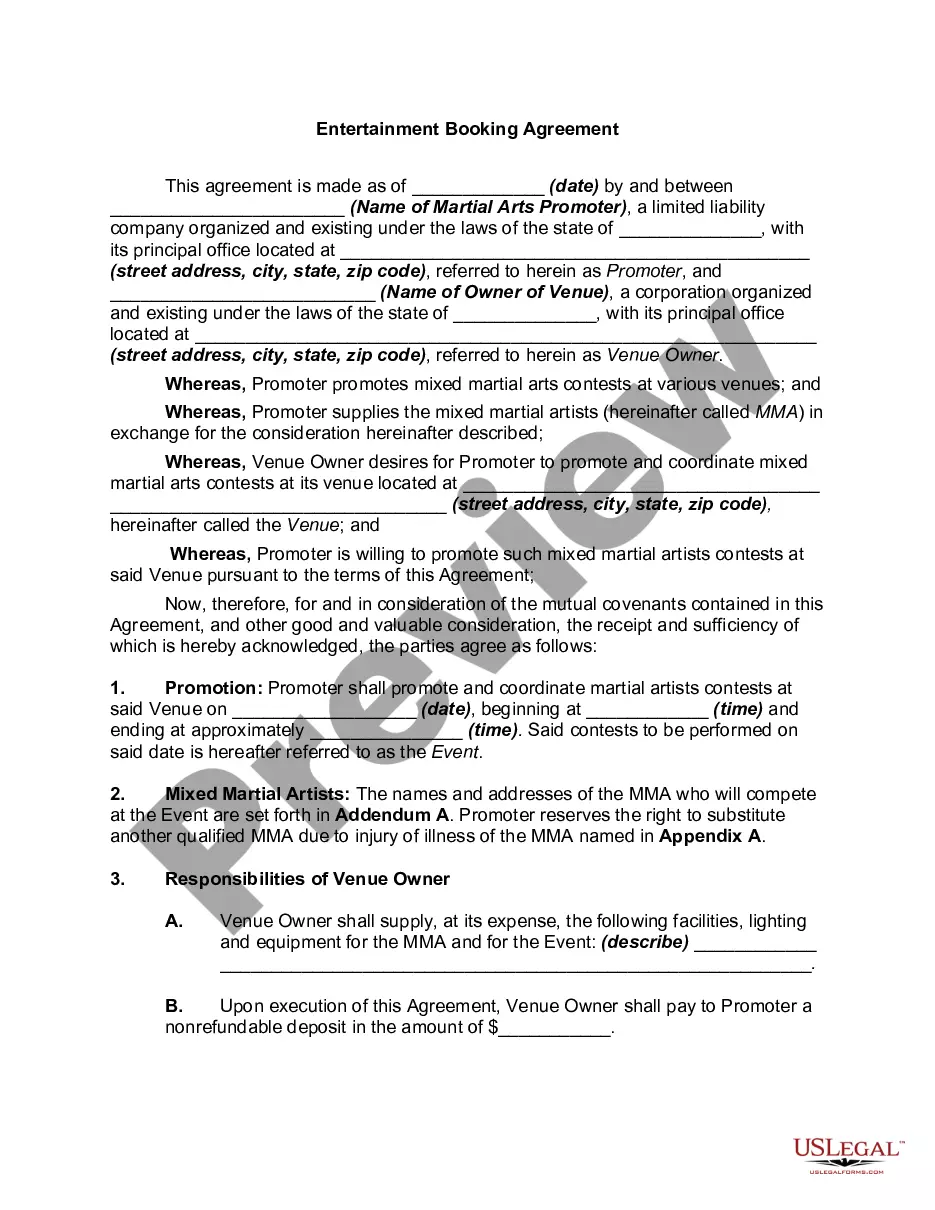
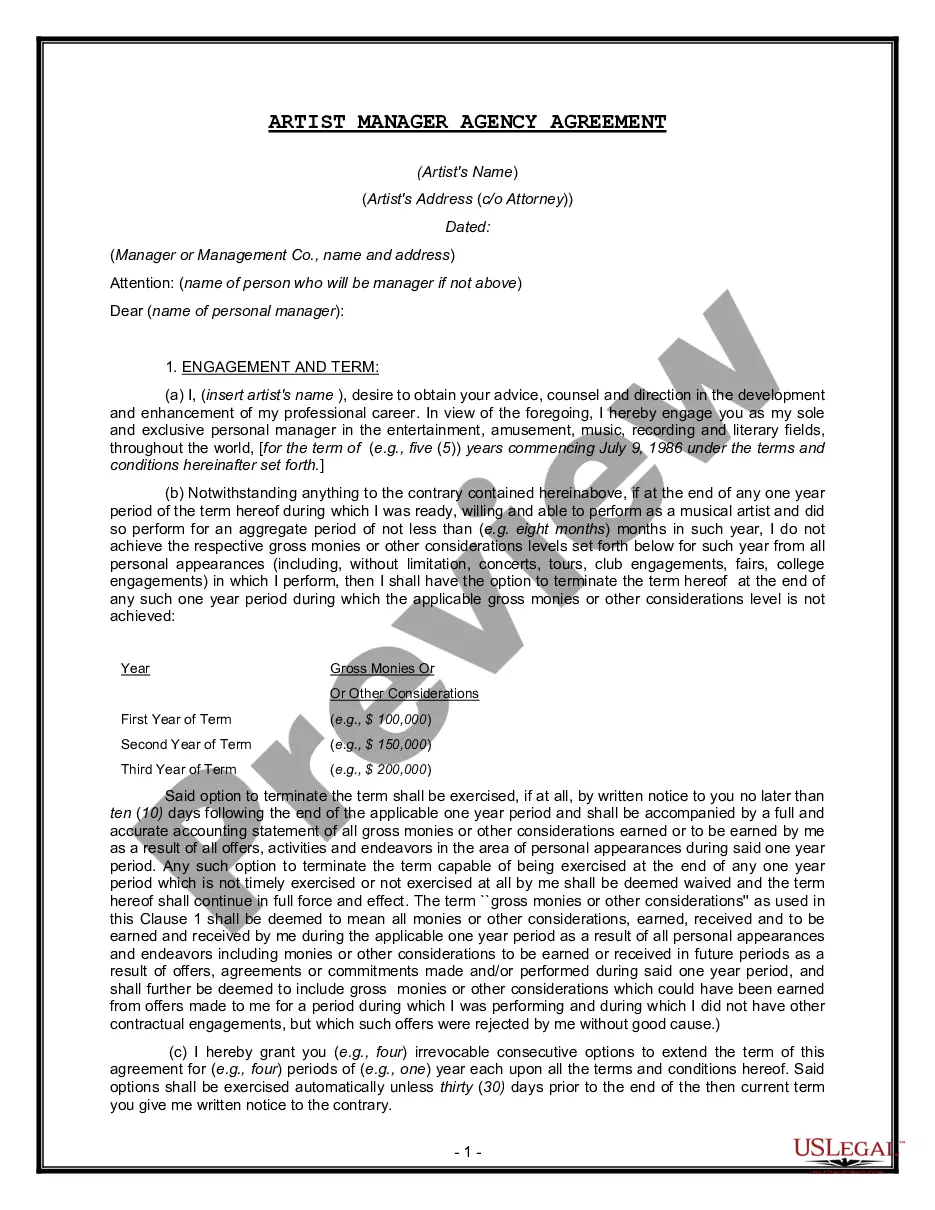
Get your form ready online
Our built-in tools help you complete, sign, share, and store your documents in one place.
Make edits, fill in missing information, and update formatting in US Legal Forms—just like you would in MS Word.
Download a copy, print it, send it by email, or mail it via USPS—whatever works best for your next step.
Sign and collect signatures with our SignNow integration. Send to multiple recipients, set reminders, and more. Go Premium to unlock E-Sign.
If this form requires notarization, complete it online through a secure video call—no need to meet a notary in person or wait for an appointment.
We protect your documents and personal data by following strict security and privacy standards.

Make edits, fill in missing information, and update formatting in US Legal Forms—just like you would in MS Word.

Download a copy, print it, send it by email, or mail it via USPS—whatever works best for your next step.

Sign and collect signatures with our SignNow integration. Send to multiple recipients, set reminders, and more. Go Premium to unlock E-Sign.

If this form requires notarization, complete it online through a secure video call—no need to meet a notary in person or wait for an appointment.

We protect your documents and personal data by following strict security and privacy standards.
Looking for another form?









Form popularity
FAQ
Top Tips for Writing a Graduate School Personal Statement Pick a few points to emphasize about yourself. Introduce yourself to the admissions board. Be very specific. Do your research. Address any gaps or discrepancies. Strike the right tone. Start strong and finish strong. Proofread, proofread and proofread again.
The statement of purpose is generally between one and two pages long.
Writing an MFA statement of purpose begins with a deep and introspective examination of one's unique experiences, interests, and goals. The essence of the statement lies in the ability to convey your journey and the specific motivations that drive your desire to pursue a master of fine arts.
“My work is a collection of a variety of resources, a collection of experiences. It's about understanding history, understanding the power of history, the power of power, the power of beauty, the power of transformation, and the power of purpose.”
Describe your academic background, preparation, and training Research you conducted – project title or focus, research mentor, your specific role, what you learned and the outcome. If there were challenges, don't be afraid to mention what you learned from them.
How to Write Your MFA Statement of Purpose: A Success Story 1. Start with a compelling Frame Narrative What is it about your art that makes you unique? 2. Explain ``Why This School'' is perfect for you 3. Prove that you're ready to succeed 4. End your Frame Narrative
Example: "Growing up in a household where communication often broke down, I witnessed firsthand the emotional toll of unresolved conflict. It was during my time volunteering at a crisis counseling center that I realized the transformative power of therapy in fostering understanding and connection within families."
Consider the following advice when writing your artist statement: Brainstorm. The first hurdle is to figure out what to write about. Freewrite. Rewrite what stands out. In general, be specific. Be clear and concise. Proofread. Use your own voice.
What information does an artist's statement need to include? There are three elements to consider: the “how,” the “what,” and the “why.” There should be enough information in your artist statement that someone can begin to imagine the art that you make without having it in front of them.
How to Write an Artistic Statement Brainstorm. The first hurdle is to figure out what to write about. Freewrite. The process of writing without judgment or self-editing can help artists get at their basic philosophy. Rewrite what stands out. In general, be specific. Be clear and concise. Proofread. Use your own voice.
