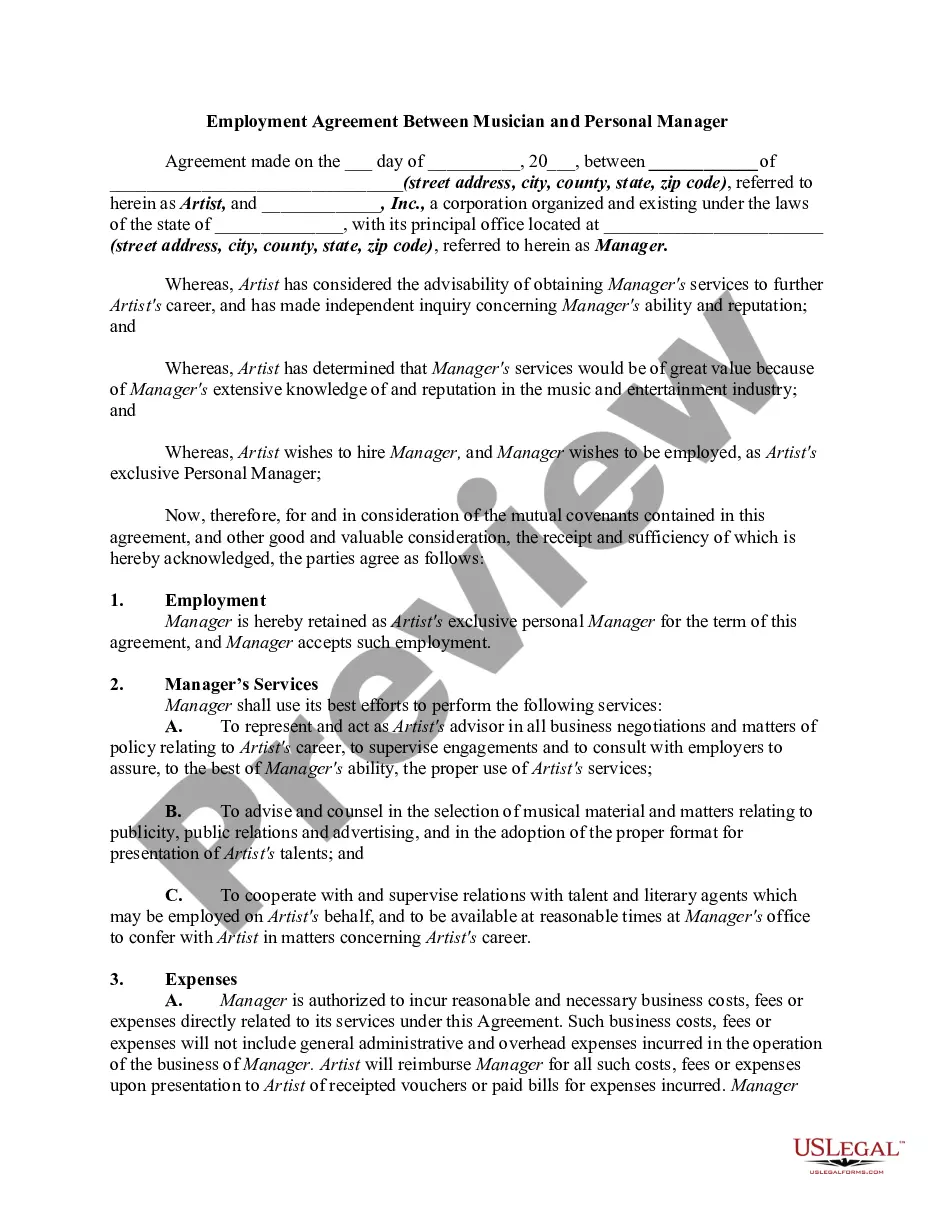
Sample Management Contract With Witness Signature In Dallas
Description

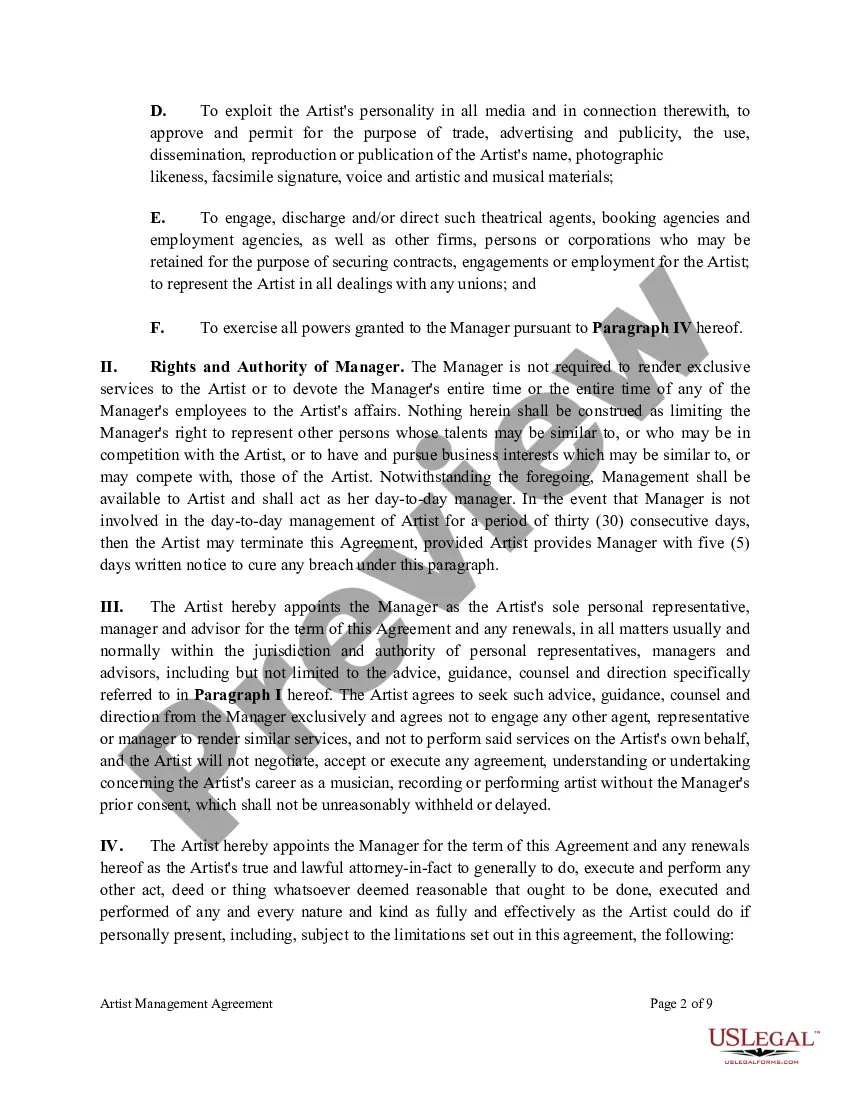
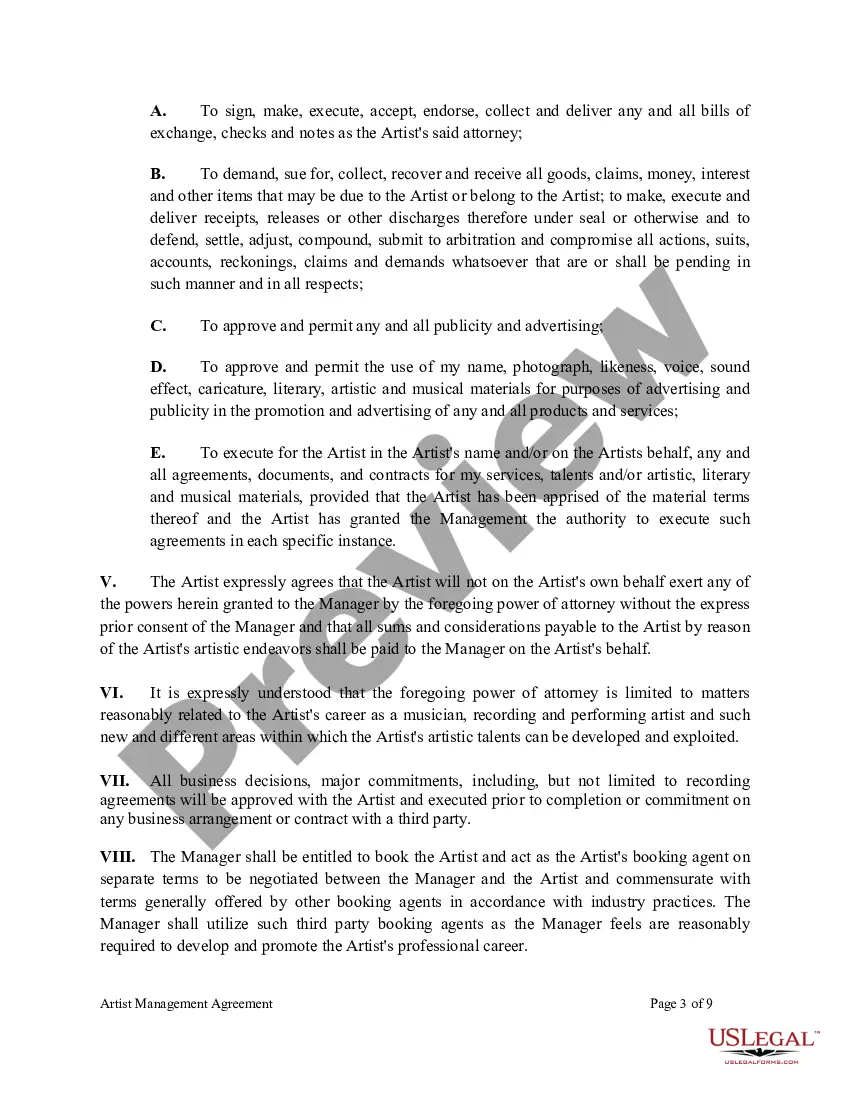
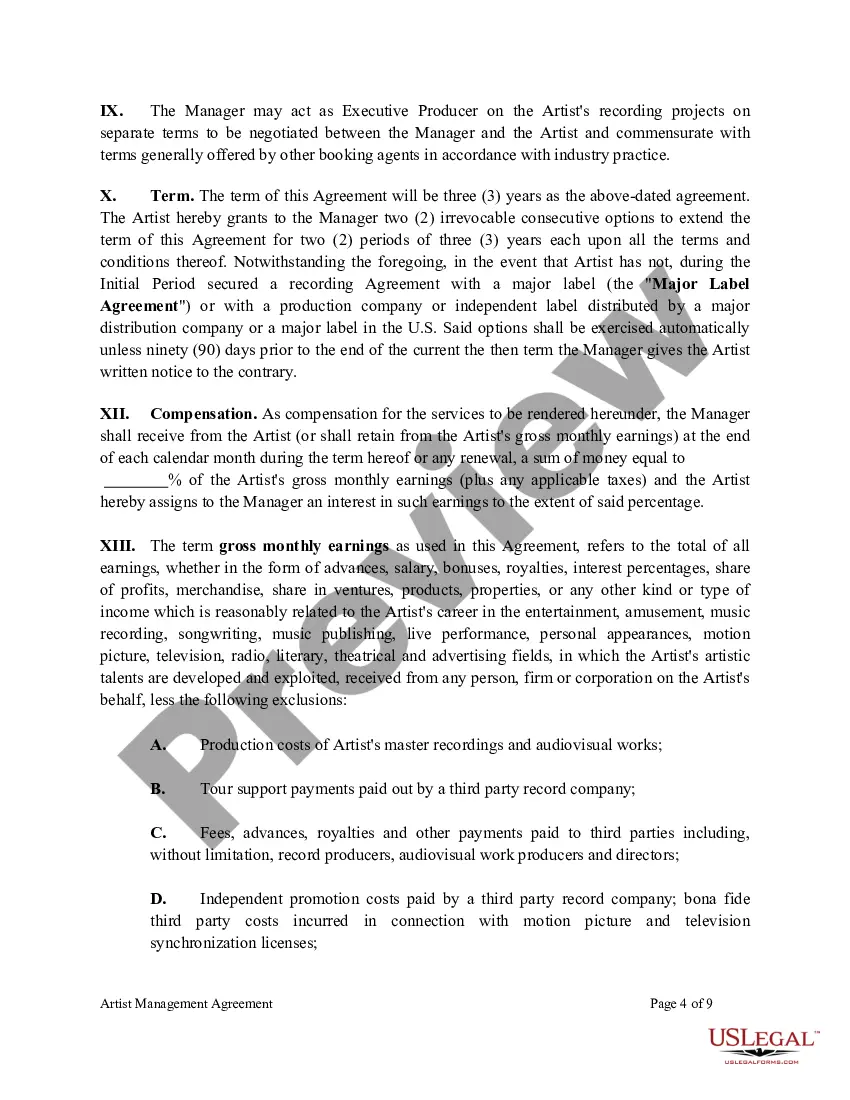
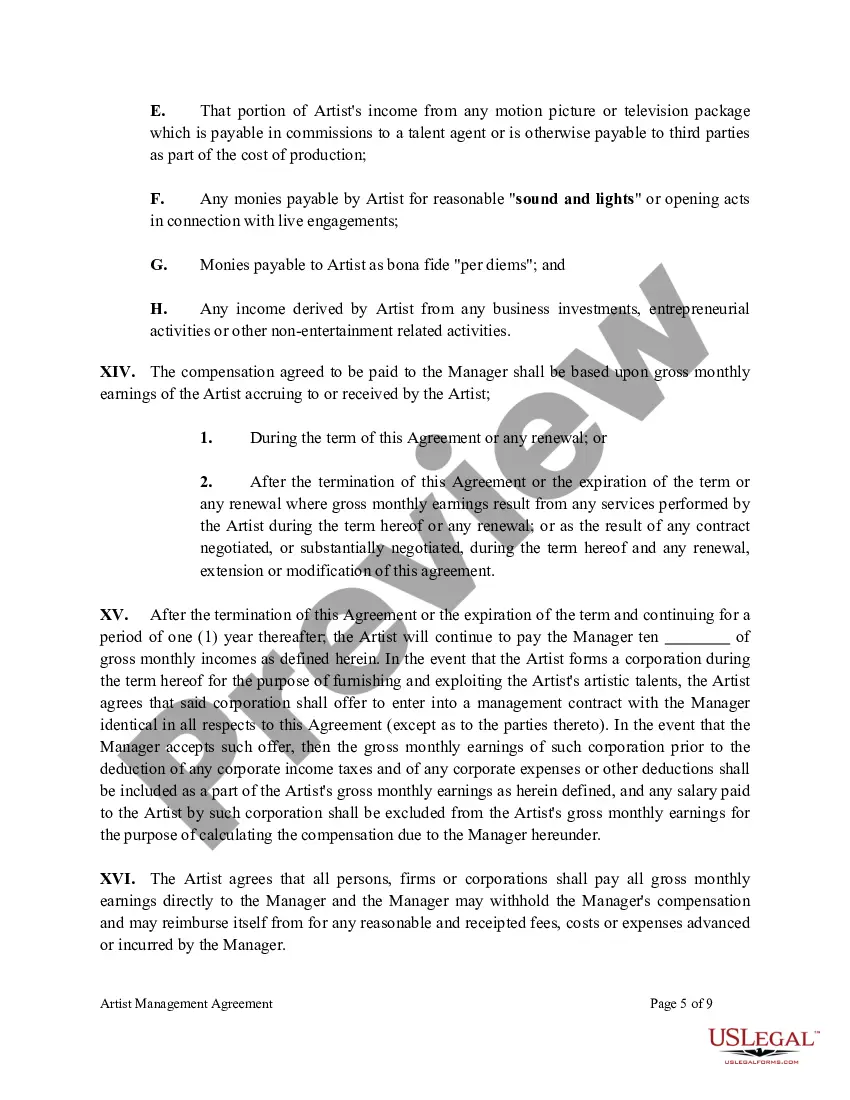
Get your form ready online
Our built-in tools help you complete, sign, share, and store your documents in one place.
Make edits, fill in missing information, and update formatting in US Legal Forms—just like you would in MS Word.
Download a copy, print it, send it by email, or mail it via USPS—whatever works best for your next step.
Sign and collect signatures with our SignNow integration. Send to multiple recipients, set reminders, and more. Go Premium to unlock E-Sign.
If this form requires notarization, complete it online through a secure video call—no need to meet a notary in person or wait for an appointment.
We protect your documents and personal data by following strict security and privacy standards.

Make edits, fill in missing information, and update formatting in US Legal Forms—just like you would in MS Word.

Download a copy, print it, send it by email, or mail it via USPS—whatever works best for your next step.

Sign and collect signatures with our SignNow integration. Send to multiple recipients, set reminders, and more. Go Premium to unlock E-Sign.

If this form requires notarization, complete it online through a secure video call—no need to meet a notary in person or wait for an appointment.

We protect your documents and personal data by following strict security and privacy standards.
Looking for another form?










Form popularity
FAQ
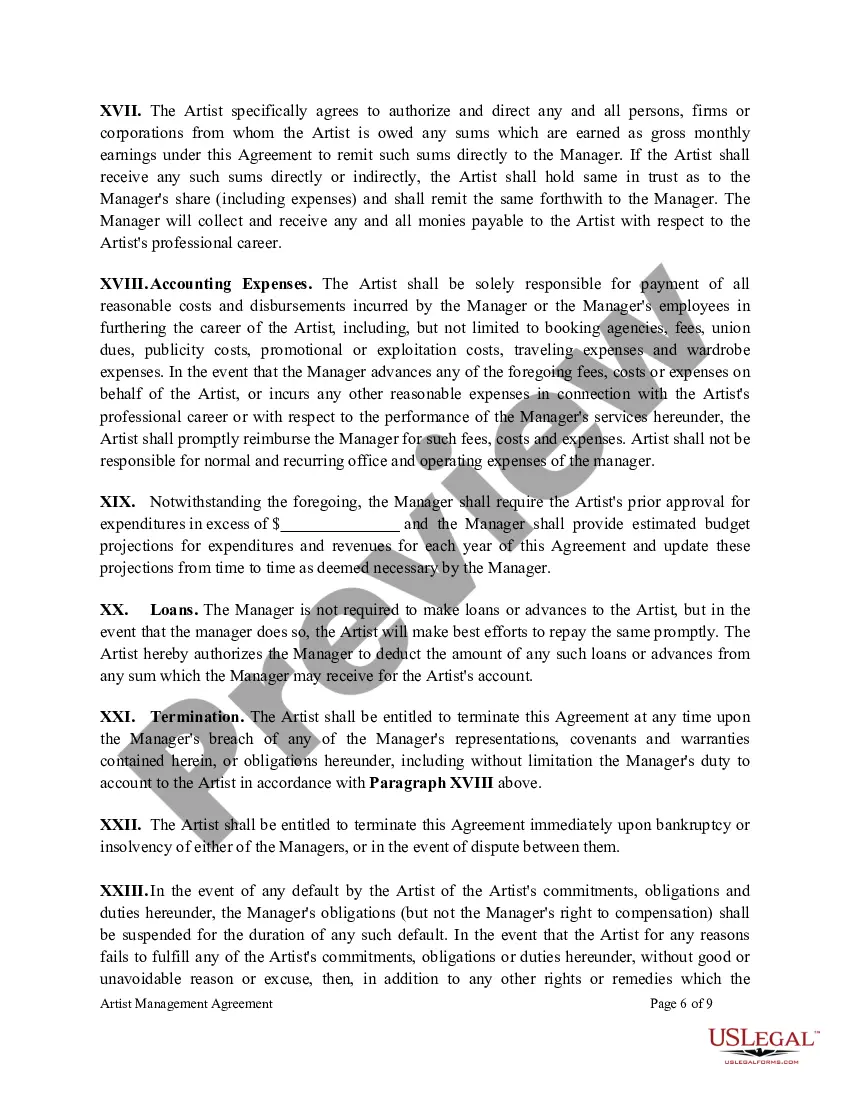
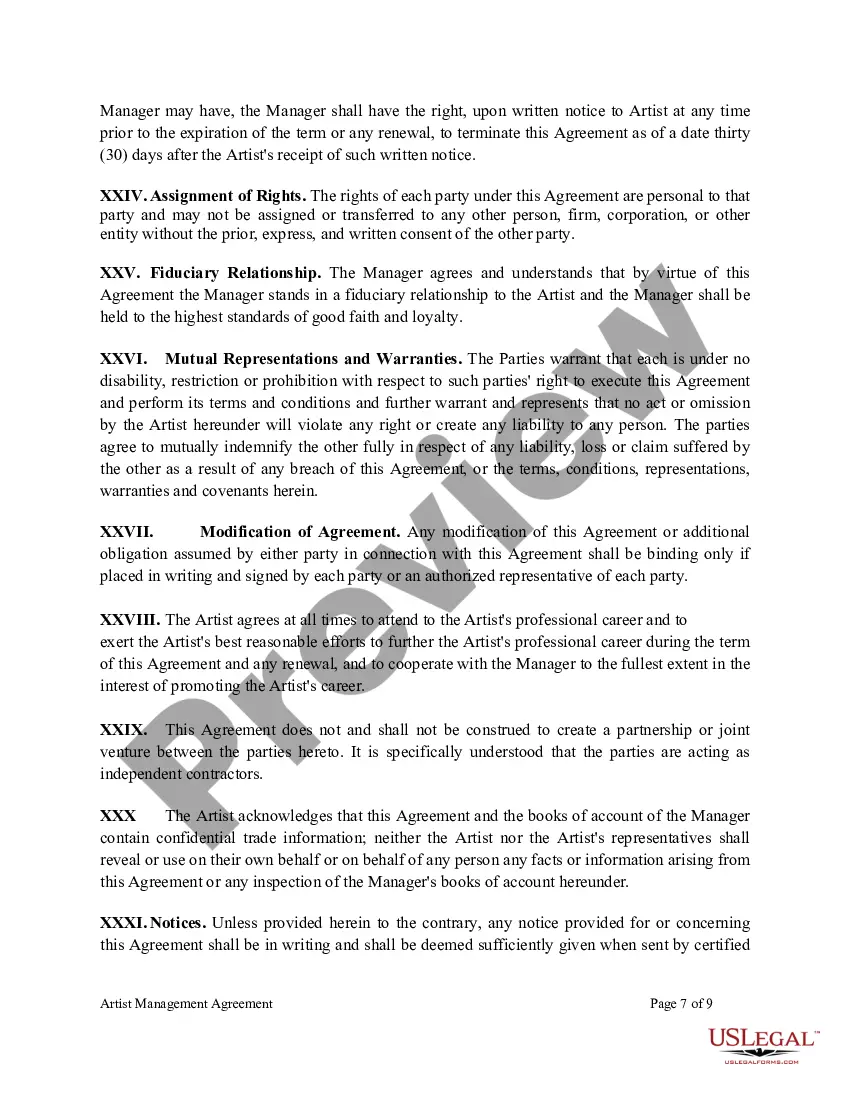
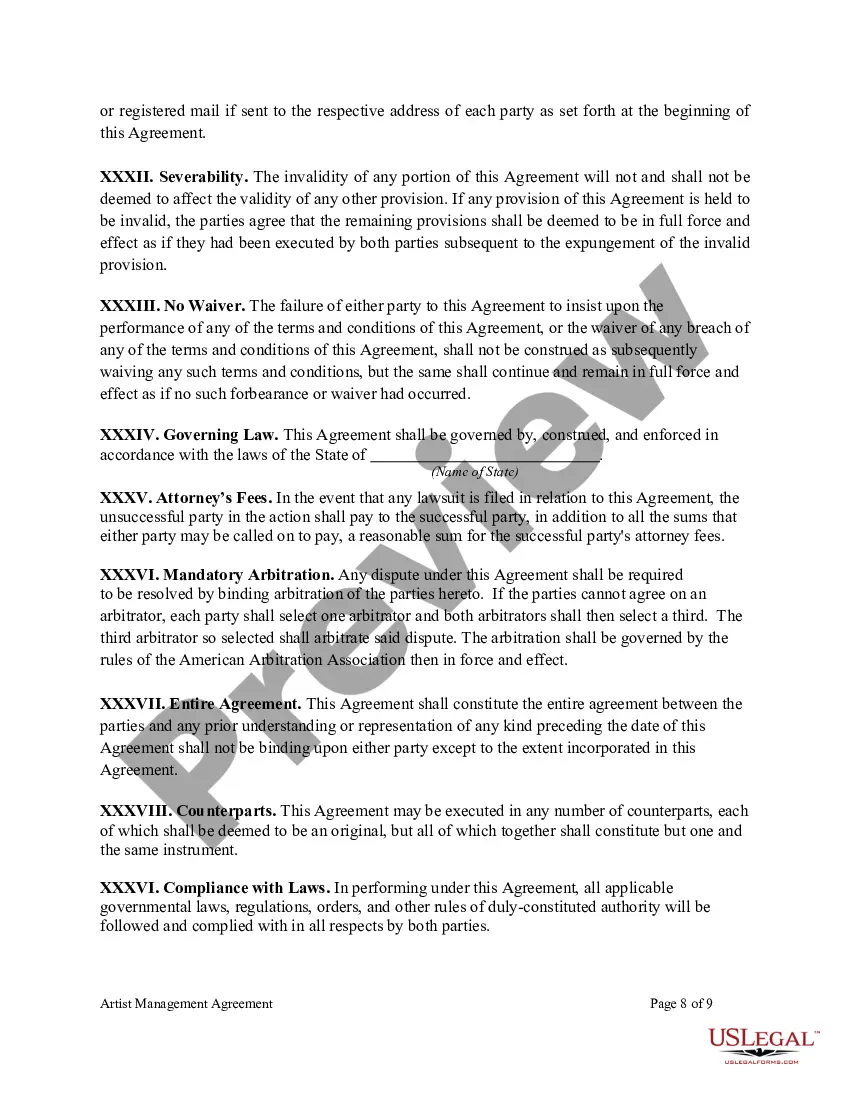
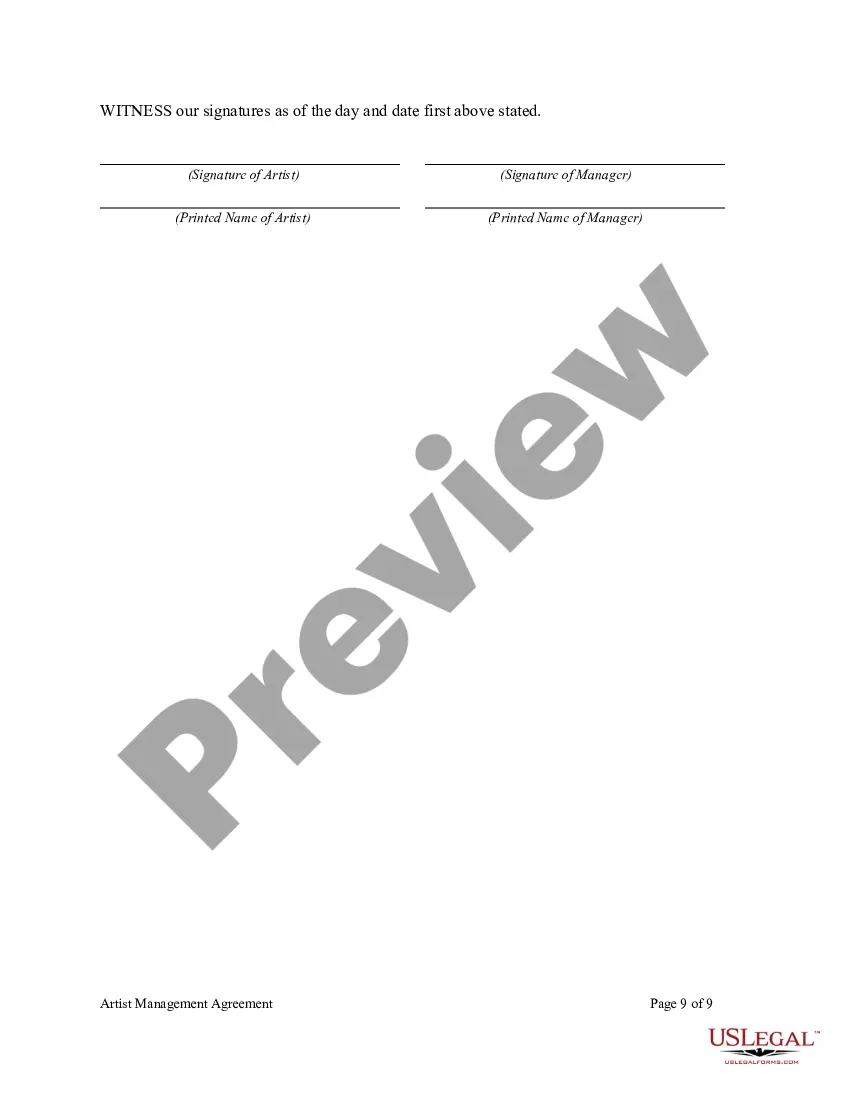
Always choose an independent witness to sign deeds or agreements requiring witnessing. Avoid using minors, relatives, or anyone with a personal stake in the contract. For electronic signatures, ensure compliance with relevant laws and verify identity through reliable methods.
A witness is any neutral, third-party observer of a document signing. Both signature guarantors and notaries can serve as a witness to a document signing. Most legal documents require a witness of some sort to be considered valid, regardless of whether it is a signature guarantor or a notary.
Notary must place witness under oath to swear or affirm identity of signer.
A witness signature is a type of notarial act permitted in numerous states. The signer must personally come before the notary to witness their signature, and they must present an adequate ID. The document must then be signed by the signer in the presence of the notary, who subsequently adds the necessary notarial text.
Witnesses must be at least 18 years old. Witnesses must be of sound mind and have the capacity to witness. Witnesses must not be a beneficiary or party of the legal document. Witnesses must not be under the influence of drugs or alcohol.
To attest, the witness must: be present; see the document being signed by the executing party; and. sign a statement in the document stating that it has been signed by the executing party in their presence as a witness.
Attention to detail Be as thorough as possible. Include all your relevant personal information and background details to the report. Write in the first person. The reader needs to be clear about who did what, why, when, to whom, and how you know what occurred. Avoid abbreviations.
Some documents have specific witnessing requirements, but most contracts do not. A witness is not necessary for the agree- ment to be valid and binding. However, even though having a witness may not be legally required in order for the contract to be binding, it is prudent to always try to have signatures witnessed.
