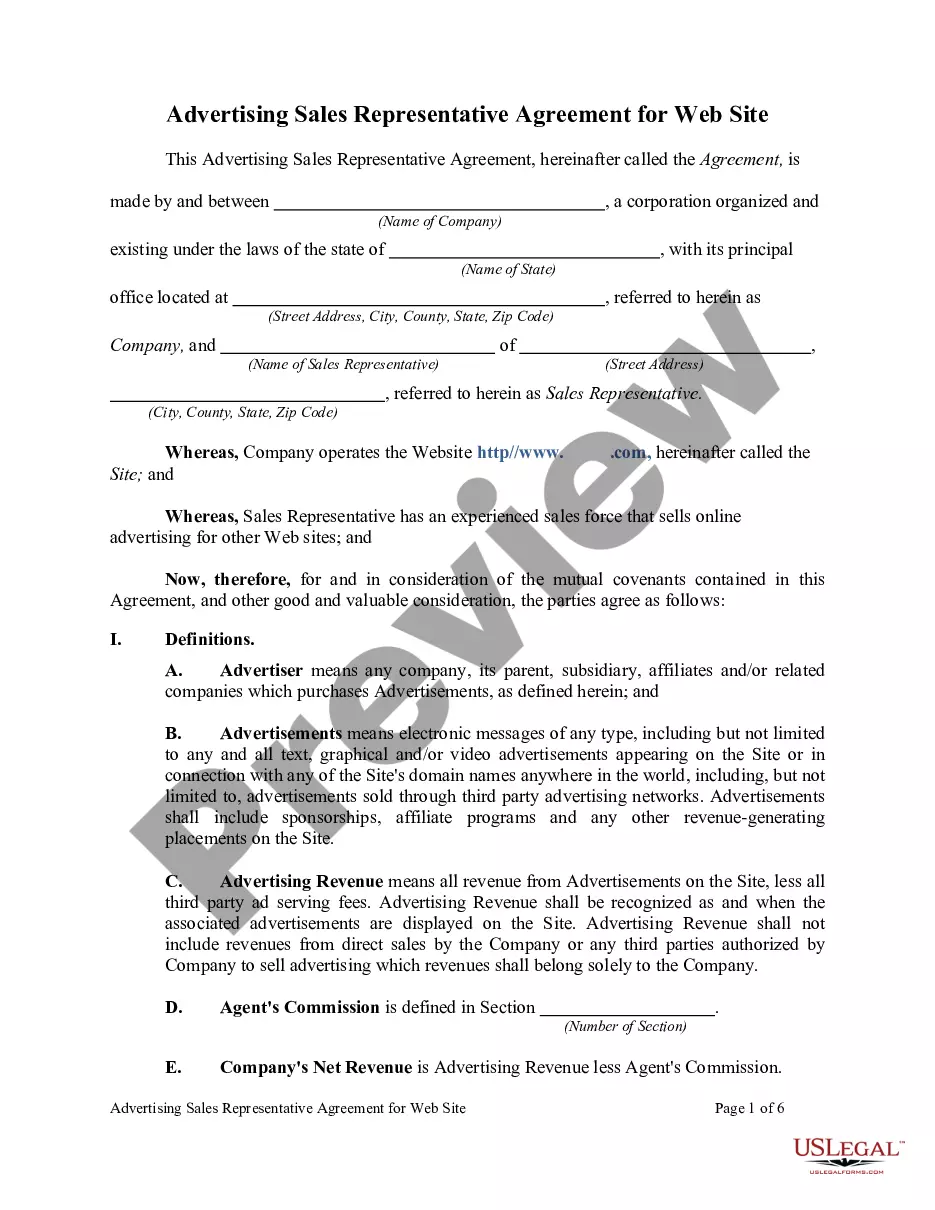
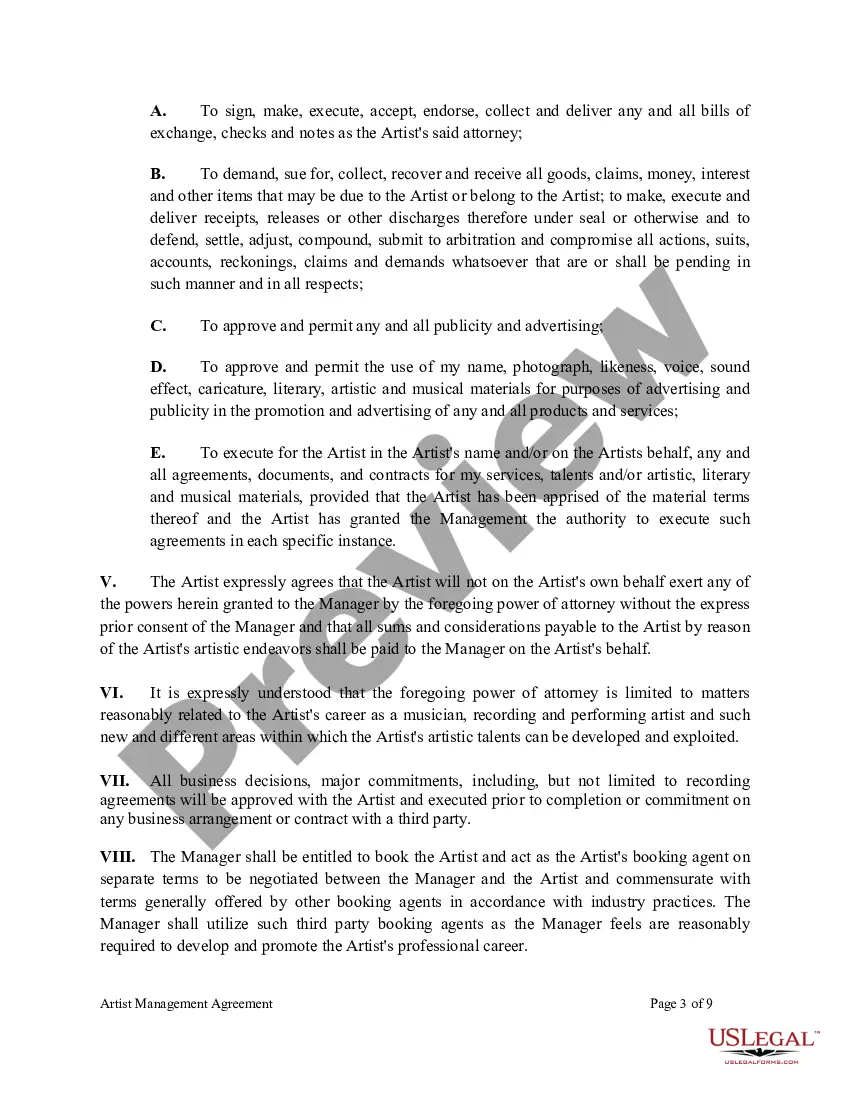
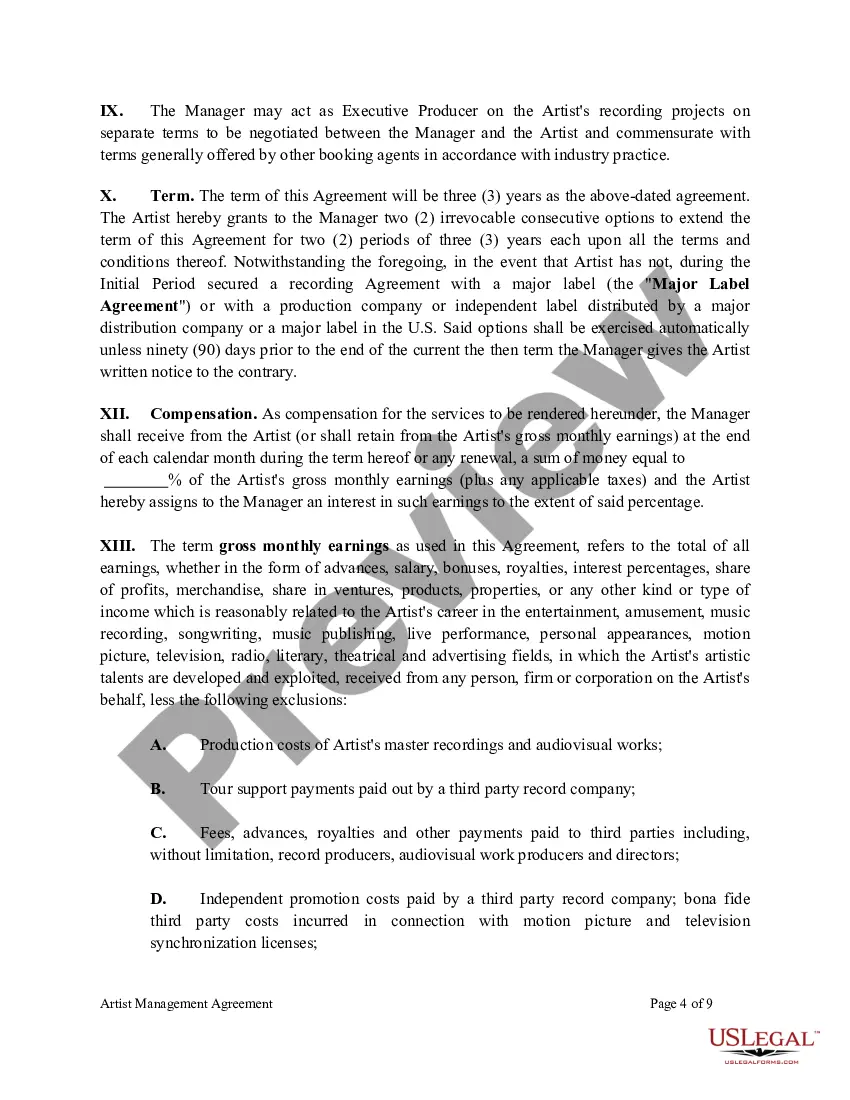
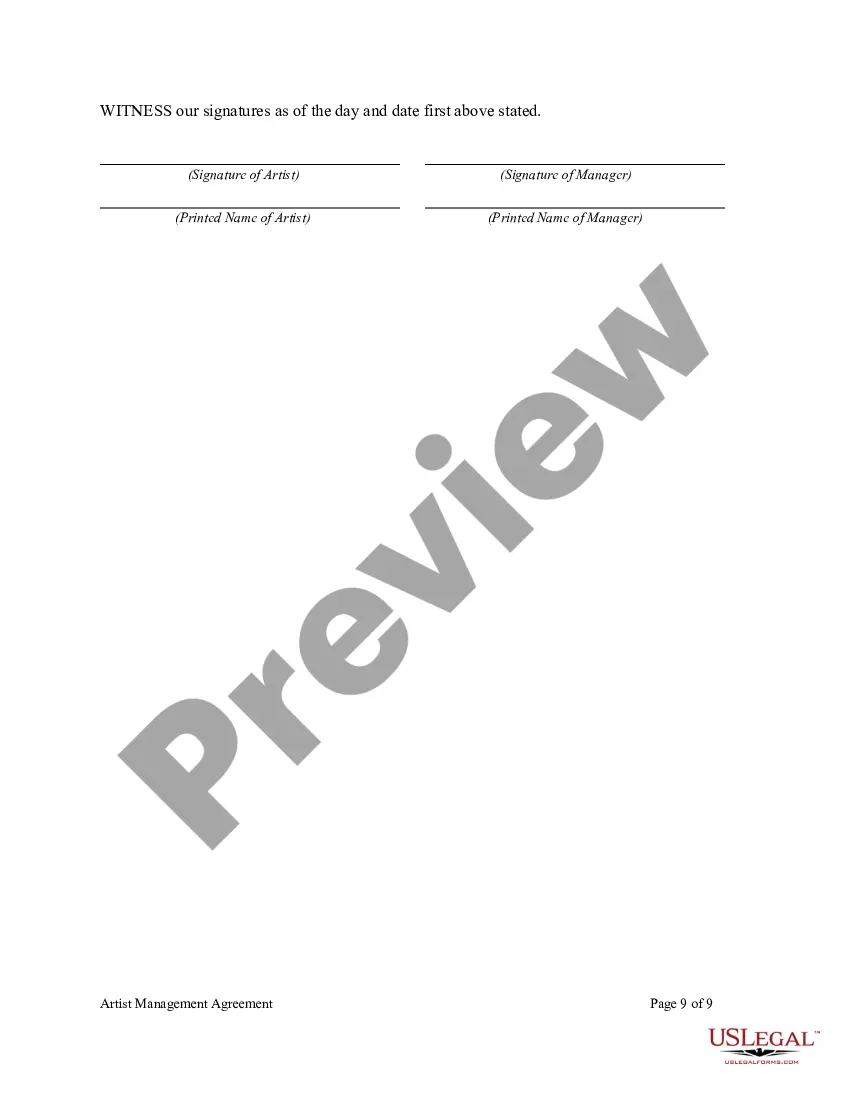
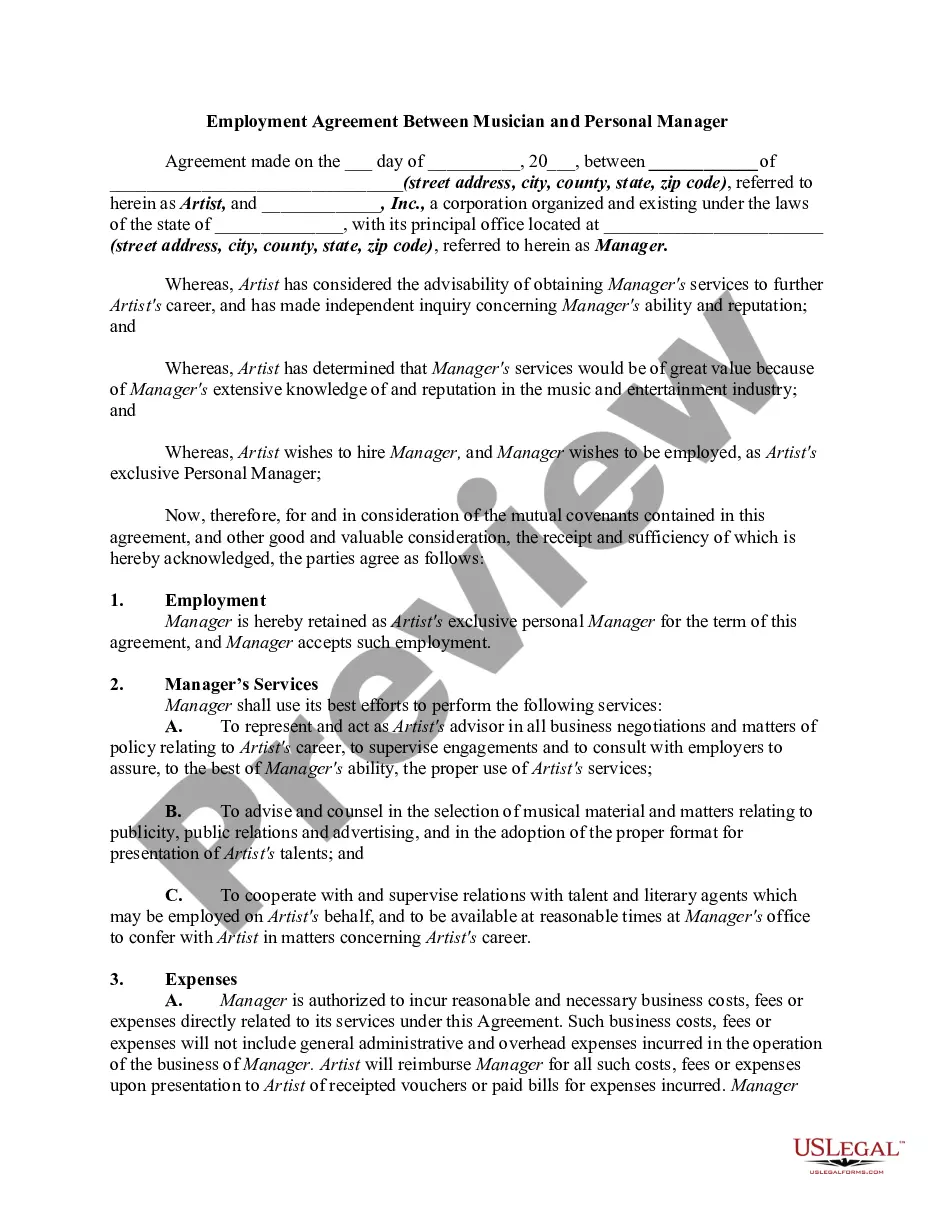
Artist Record Deal Contract In Dallas
Description

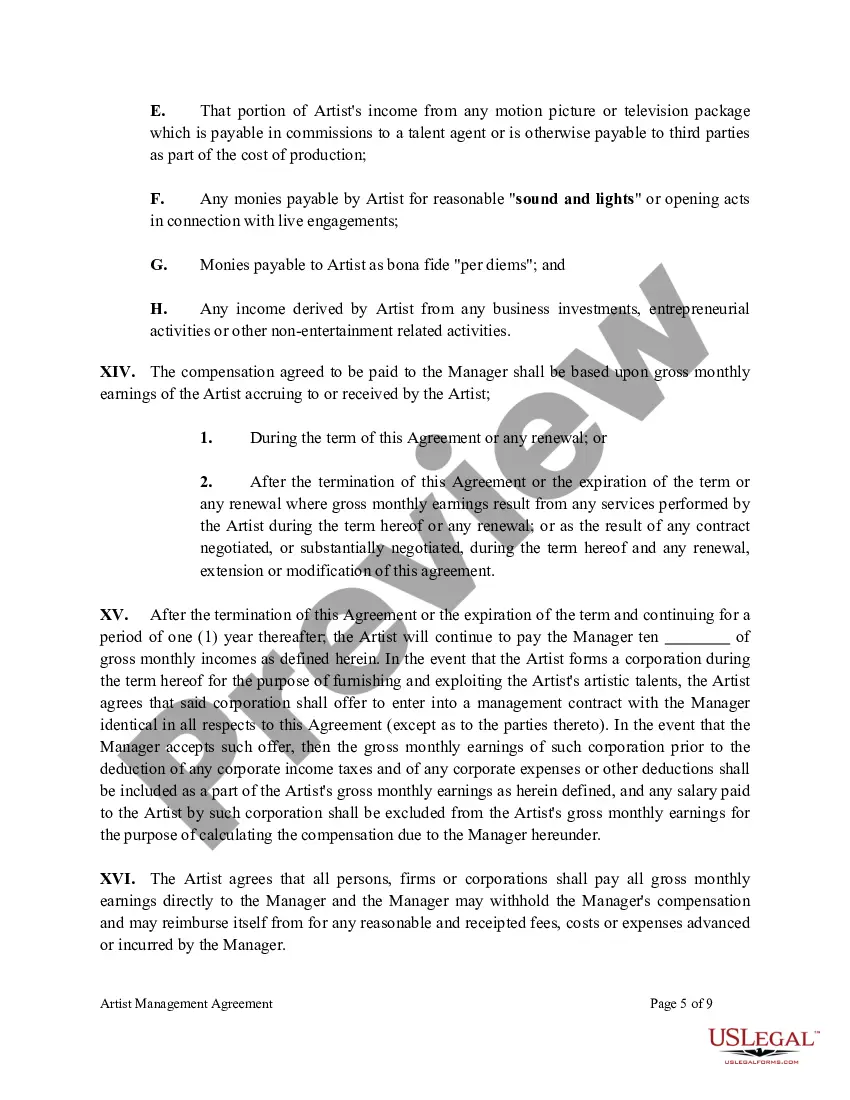
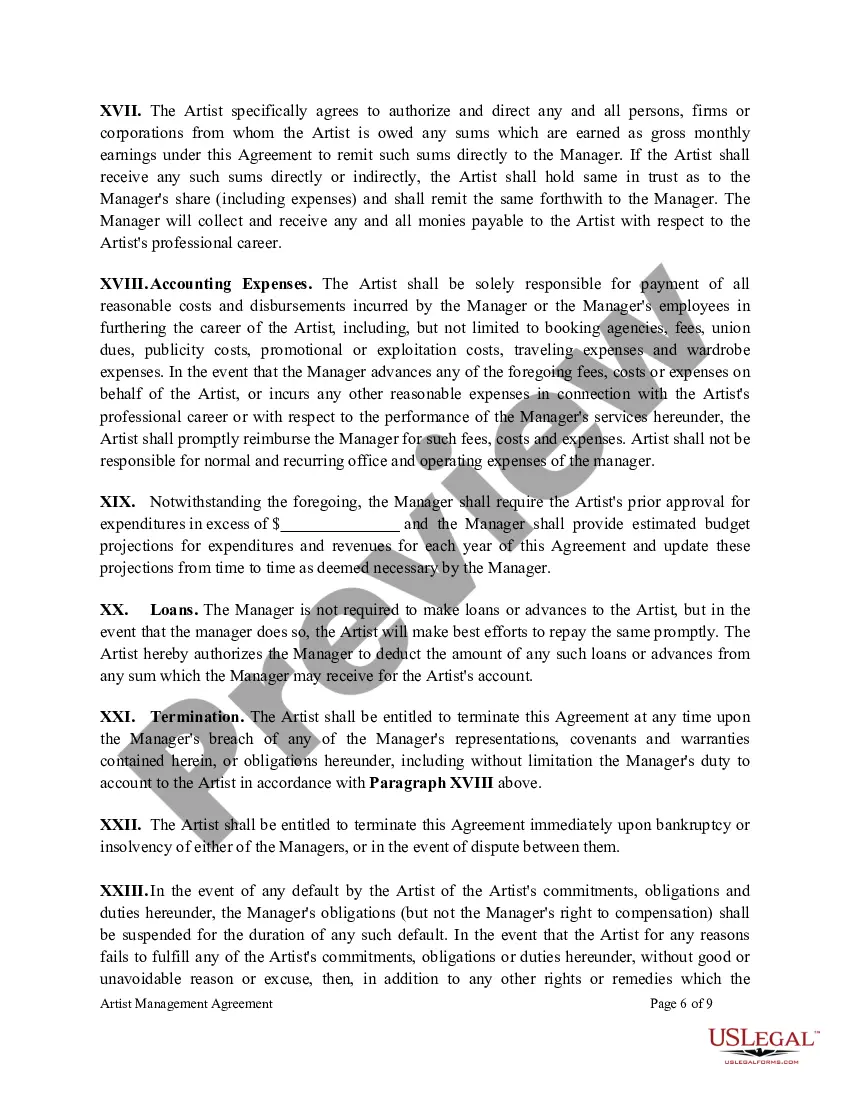
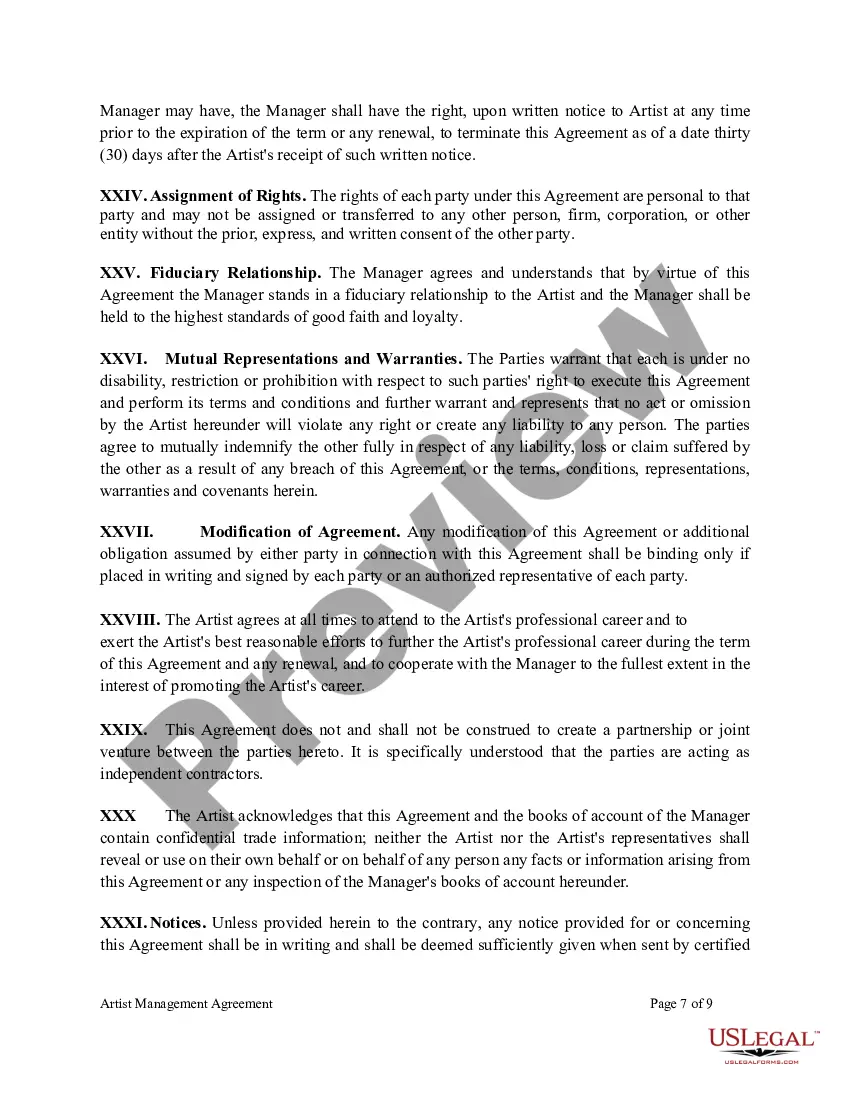
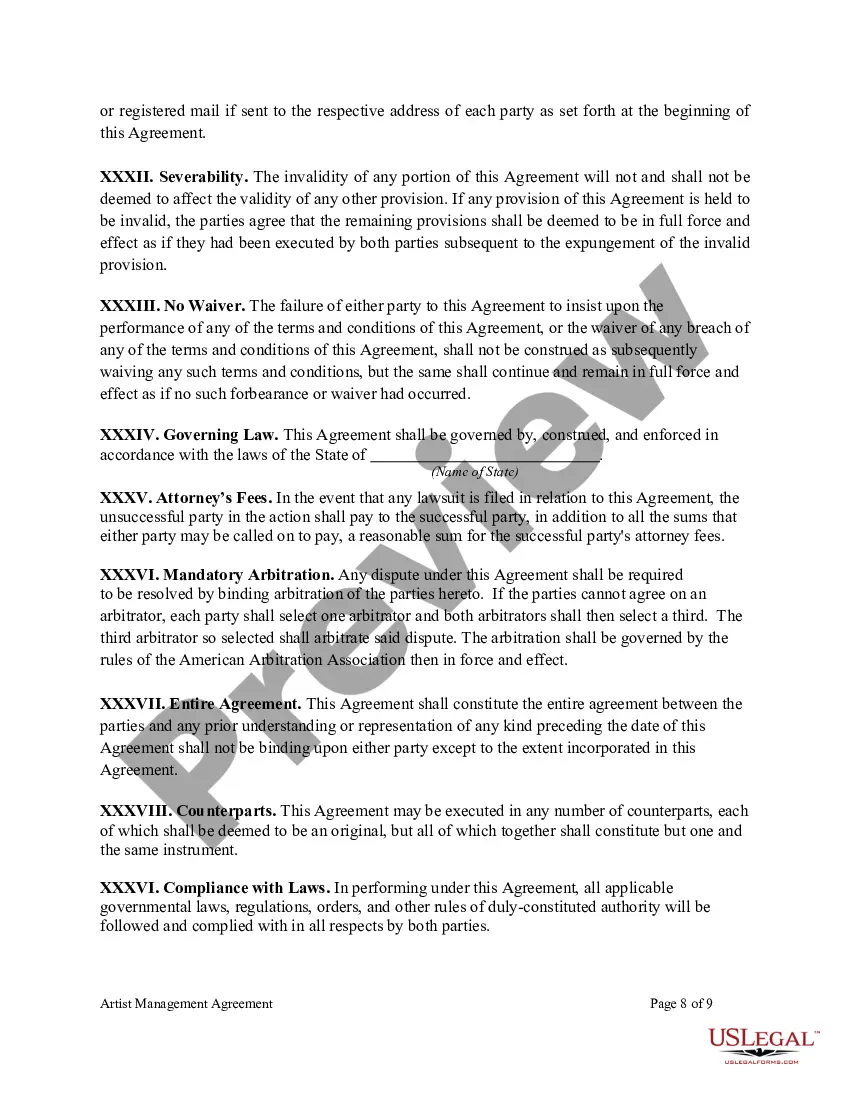
Get your form ready online
Our built-in tools help you complete, sign, share, and store your documents in one place.
Make edits, fill in missing information, and update formatting in US Legal Forms—just like you would in MS Word.
Download a copy, print it, send it by email, or mail it via USPS—whatever works best for your next step.
Sign and collect signatures with our SignNow integration. Send to multiple recipients, set reminders, and more. Go Premium to unlock E-Sign.
If this form requires notarization, complete it online through a secure video call—no need to meet a notary in person or wait for an appointment.
We protect your documents and personal data by following strict security and privacy standards.

Make edits, fill in missing information, and update formatting in US Legal Forms—just like you would in MS Word.

Download a copy, print it, send it by email, or mail it via USPS—whatever works best for your next step.

Sign and collect signatures with our SignNow integration. Send to multiple recipients, set reminders, and more. Go Premium to unlock E-Sign.

If this form requires notarization, complete it online through a secure video call—no need to meet a notary in person or wait for an appointment.

We protect your documents and personal data by following strict security and privacy standards.
Looking for another form?







Form popularity
FAQ
I'd second between 100 and 200. Commissions in general should run higher than something you might make in your own time. I think around 120 or so is plenty reasonable for a piece of that size.
A record deal usually lasts for a period of time where you will have to release a certain number of albums or songs during that period. The profits will be split up between the parties involved and usually ends up with the artist receiving somewhere around 10 percent of the royalties that they earn.
Your Music Recording Contract should cover details like: Compensation and royalties. Where and when the album will be recorded. The album's release date. Who has creative control over specific elements of the album. The termination clause. The exclusive agreement clause. Dispute resolution. Promotional appearances.
Writing an Artist's Statement? Start with These Questions What does your work look like? What are its physical properties? How does it exist in space? Where do we see it? Is your work temporal? How are you making this work? Why do you make this work? How do viewers experience your work?
Play lots of live shows, develop a social networking presence, put your songs on YouTube, SoundCloud, and Apple Music, and get your fans excited about what you're doing. The more momentum and excitement you can build around your act, the more likely the label execs are to take notice.
GETTING SIGNED TO A MAJOR LABEL We're talking between 20-100k followers. Many artists end up hiring social media management to get this done so they can stay focused on the music.
Stand out musically. Appear to be hardworking by actually being hardworking. Don't wait for labels to contact you. Contact them with a kit/package. Have some experience playing out a lot. Tour if needed. Have a marketing plan and online presence. Once you get signed... advocate for yourselves in every business dealing.
The average major record label receives between 10,000 – 20,000 submissions a year from independent artists. Depending on the size of their budget, each label can only sign around 5 – 40 artists a year. So as you can see, competition is ferocious!
The revenue is generally split between the label and the artists, but prominent artists may be able to arrange exclusive or preferential contracts. This option may not always be available for artists of lesser stature. On average, record labels take between 50 and 90 percent of what an artist or band makes.
HOW TO GET SIGNED TO A RECORD LABEL? Make the Best Album or Demo You Can. Build a Fanbase and Build Momentum. Consider a Publishing Deal First. Build Music Industry Connections. Improve Your Sound.