Management Of Agreement Contract In Cuyahoga
Description

Form popularity
FAQ
Contract Management: Contract management primarily focuses on the post-award phase of a contract. It involves activities such as tracking contract performance, ensuring compliance, and managing changes or amendments after the contract has been executed.
Contract management can be complex but it's easily broken down into three essential phases: Pre-execution. Execution. Post-execution.
Some examples of Contract Management activities are: Phone calls with suppliers; Meetings with suppliers; Score carding of suppliers; Site visits; Analysing performance information; Problem solving; Benchmarking against other similar contracts/suppliers; Analysing management information.
Contract management includes negotiating the terms and conditions in contracts and ensuring compliance with the terms and conditions, as well as documenting and agreeing on any changes or amendments that may arise during its implementation or execution.
Exploring the key stages of the contract management lifecycle Stage 1: Contract Initiation. Stage 2: Contract Creation and Negotiation. Stage 3: Contract Approval. Stage 4: Contract Execution. Stage 5: Contract Monitoring and Management. Stage 6: Contract Renewal or Termination.
Collective Bargaining Agreements File: Online Listings of Private and Public Sector Agreements. Collective bargaining agreements (CBAs) are available from the Office of Labor-Management Standards (OLMS) Online Public Disclosure Room.
Contract Overview. Briefly outline. Objectives. List objectives and desired outcomes here. Transitional arrangements and mobilisation. Briefly outline. Performance management. Briefly outline. Finance. Briefly outline. Governance arrangements. Communication with provider. Briefly outline. Communication with stakeholders.
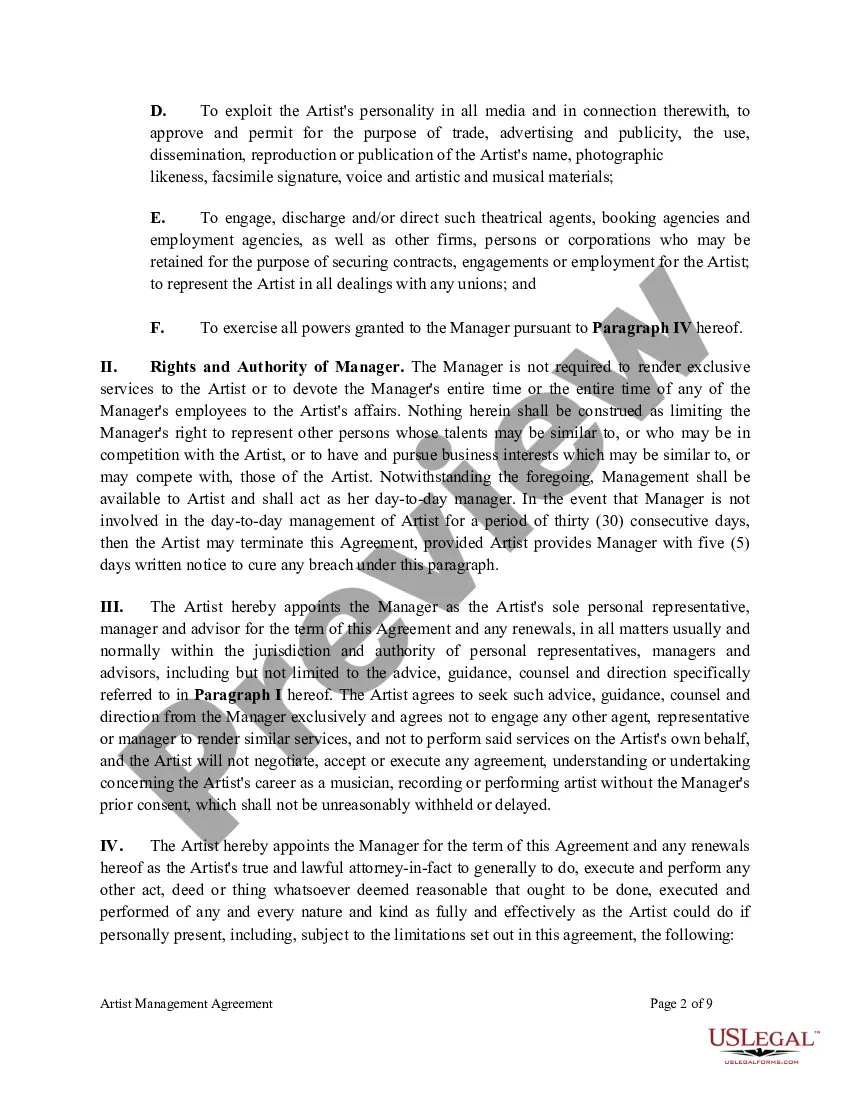
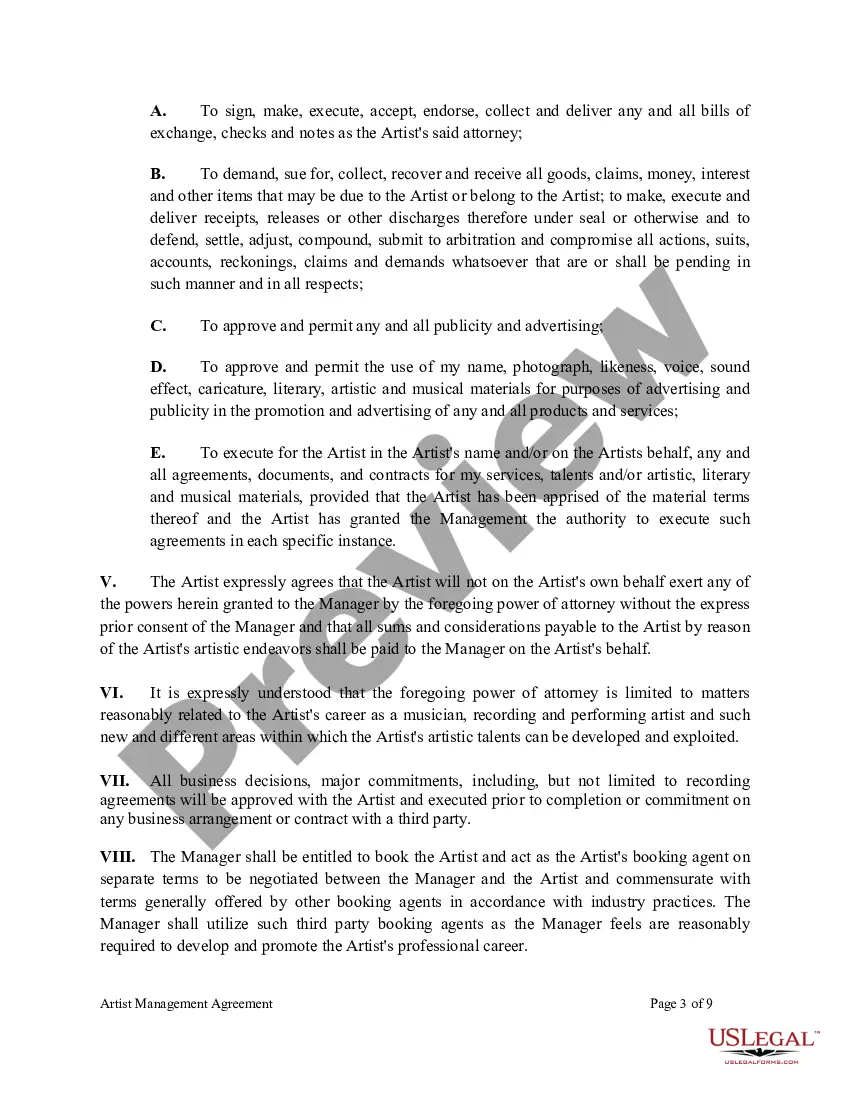
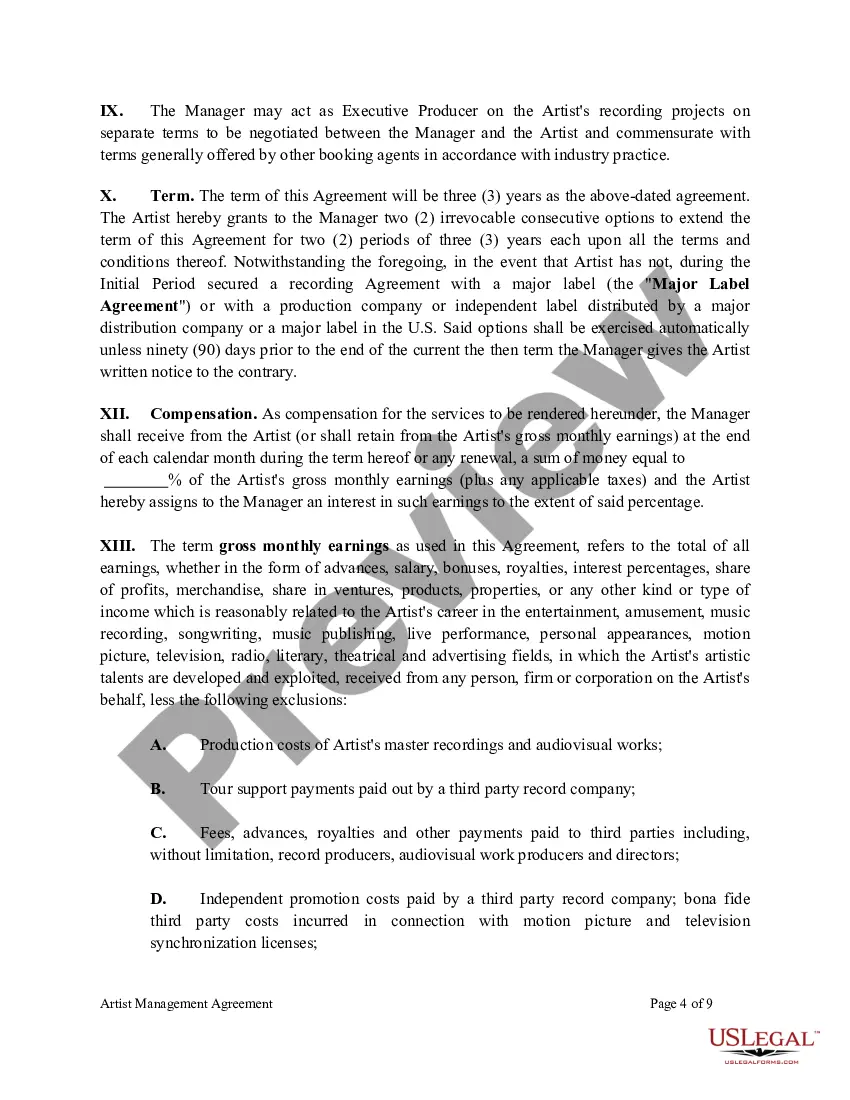
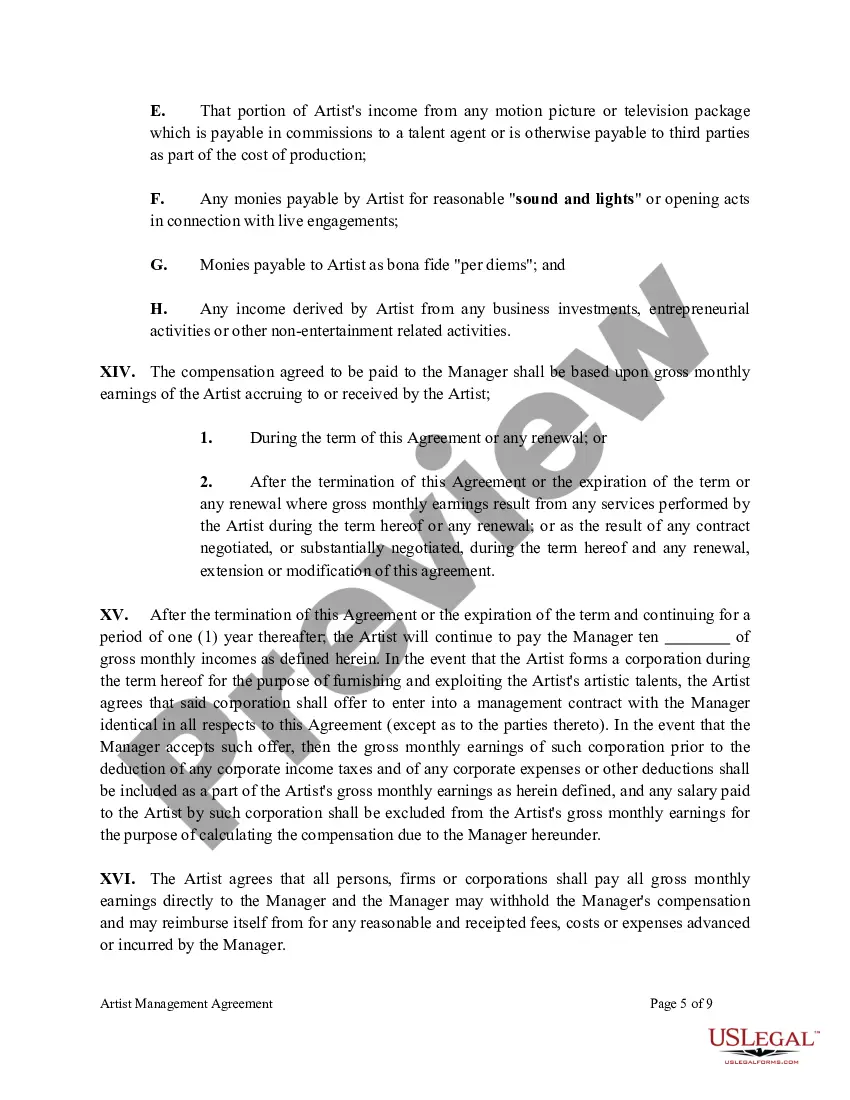
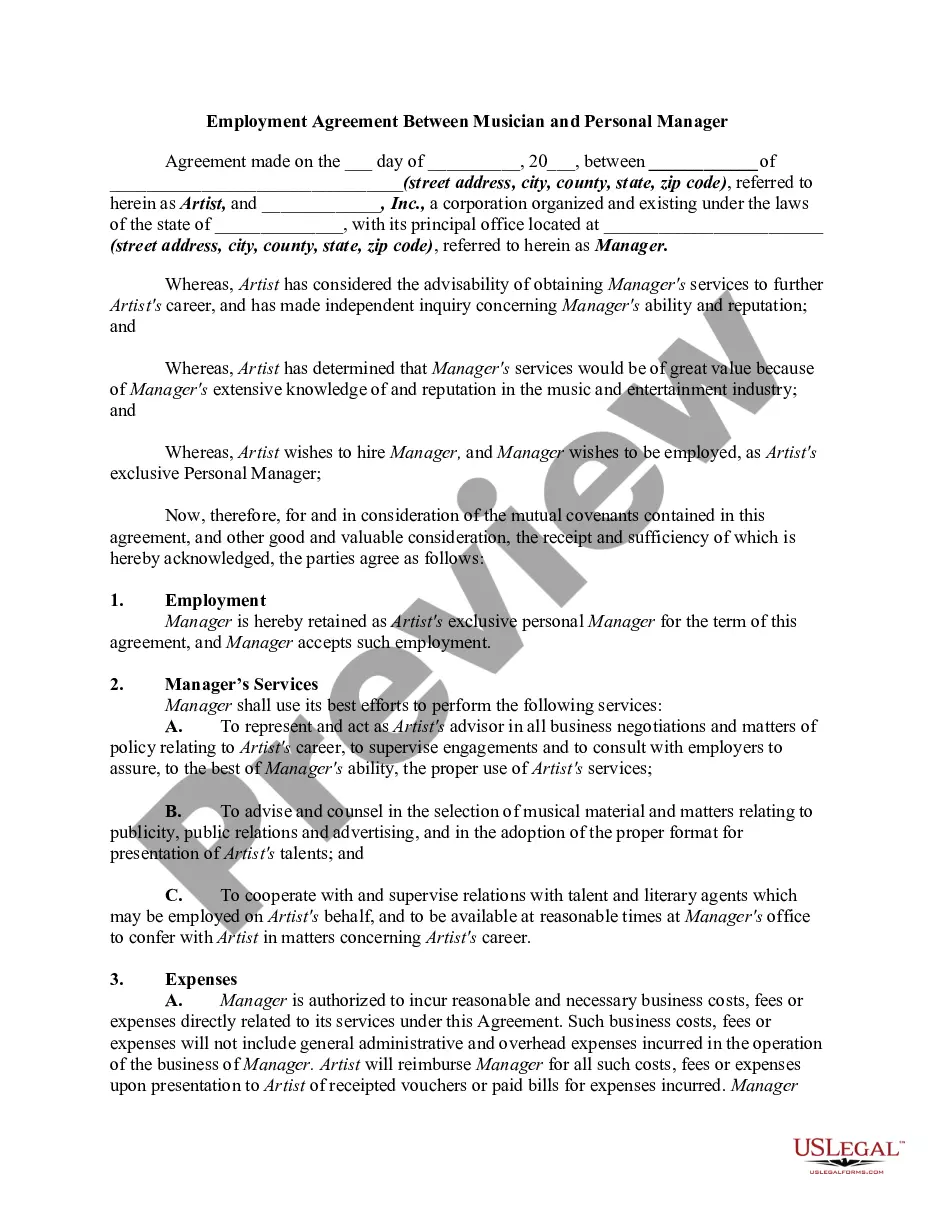
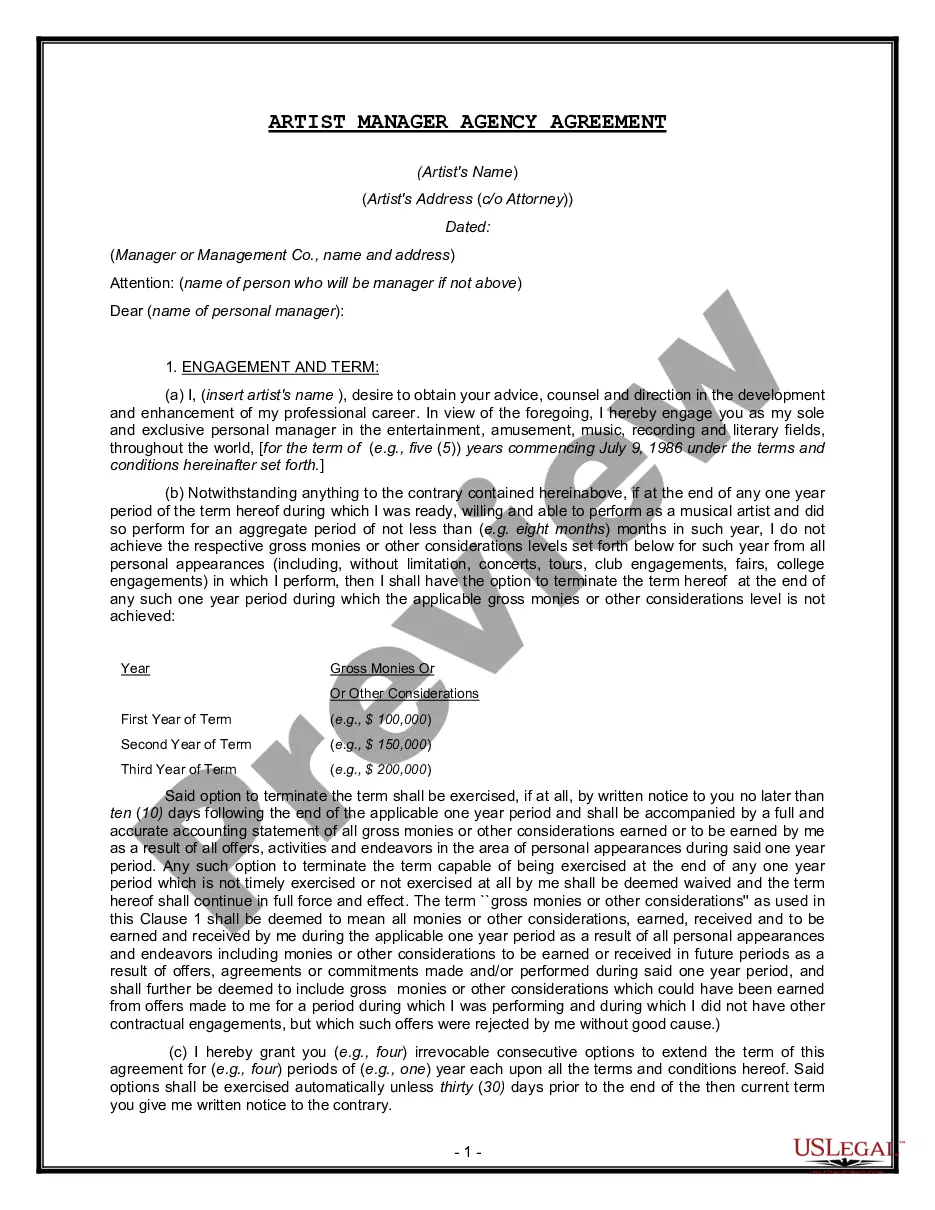
A contract management agreement, sometimes called a delegated contract management agreement, is a legal document that allows a company to manage contracts for another party. Sometimes these contracts will be between a company and vendors, employees, customers, or contractors providing goods or services.
A property management agreement is a contract between a property owner and the management firm. It outlines how that company will run the rental property's daily operations. Therefore, this document aims to define what services are the responsibility of the property manager and what tasks remain with the owner.
A management agreement is a binding contract that establishes the manager's legal authority over the operation of a given property. The manager usually is an agent for the owner, serving as the owner's fiduciary or trustee of the owner's funds and assets associated with the property.
