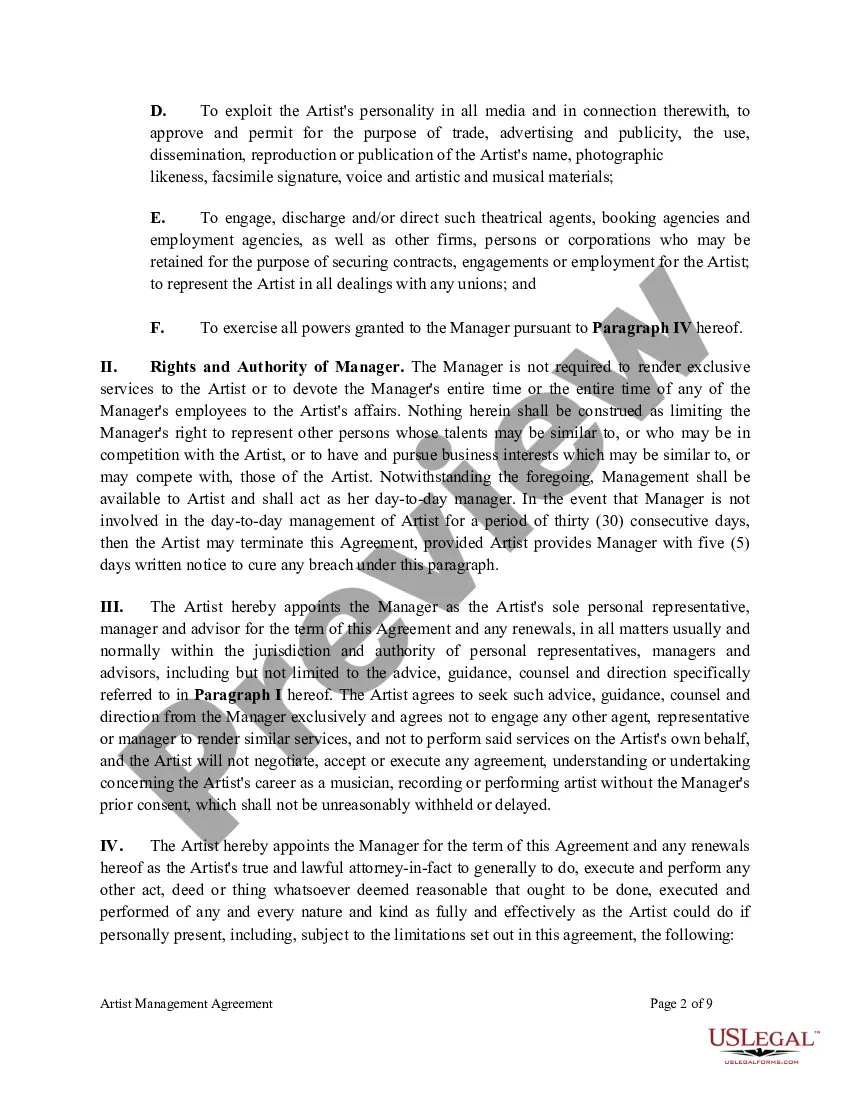
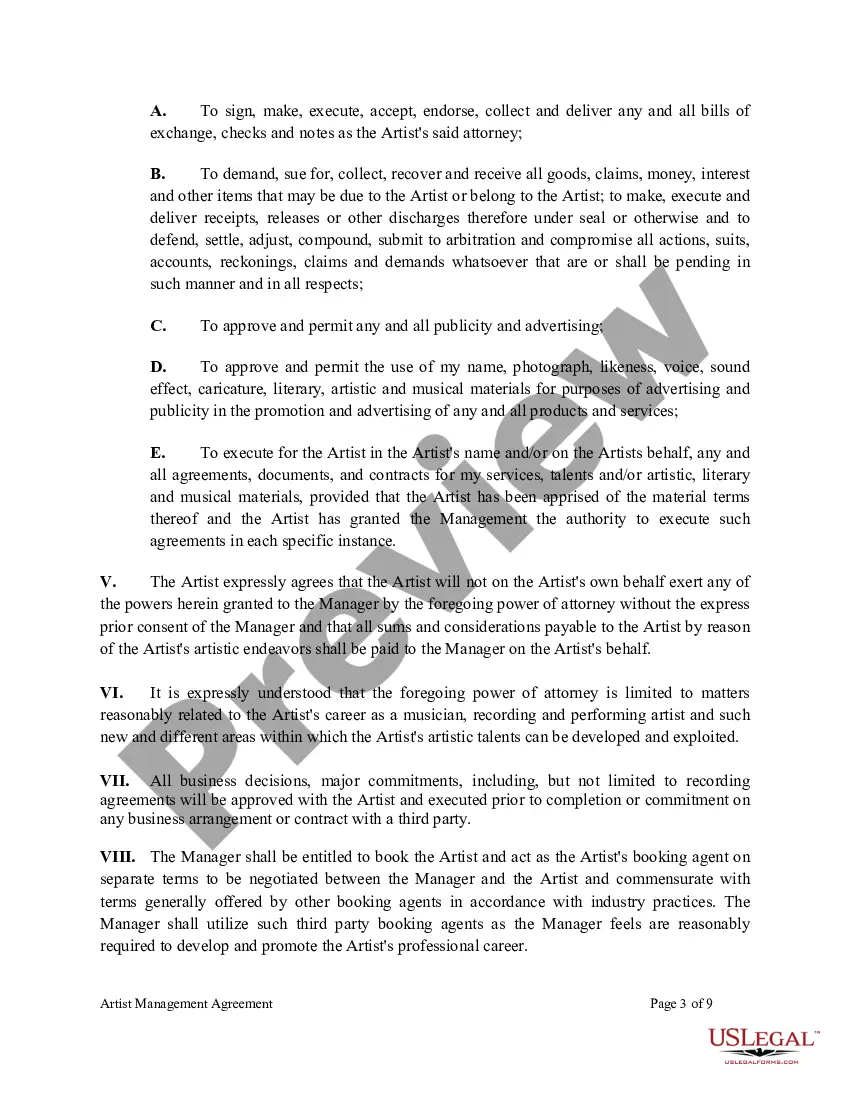
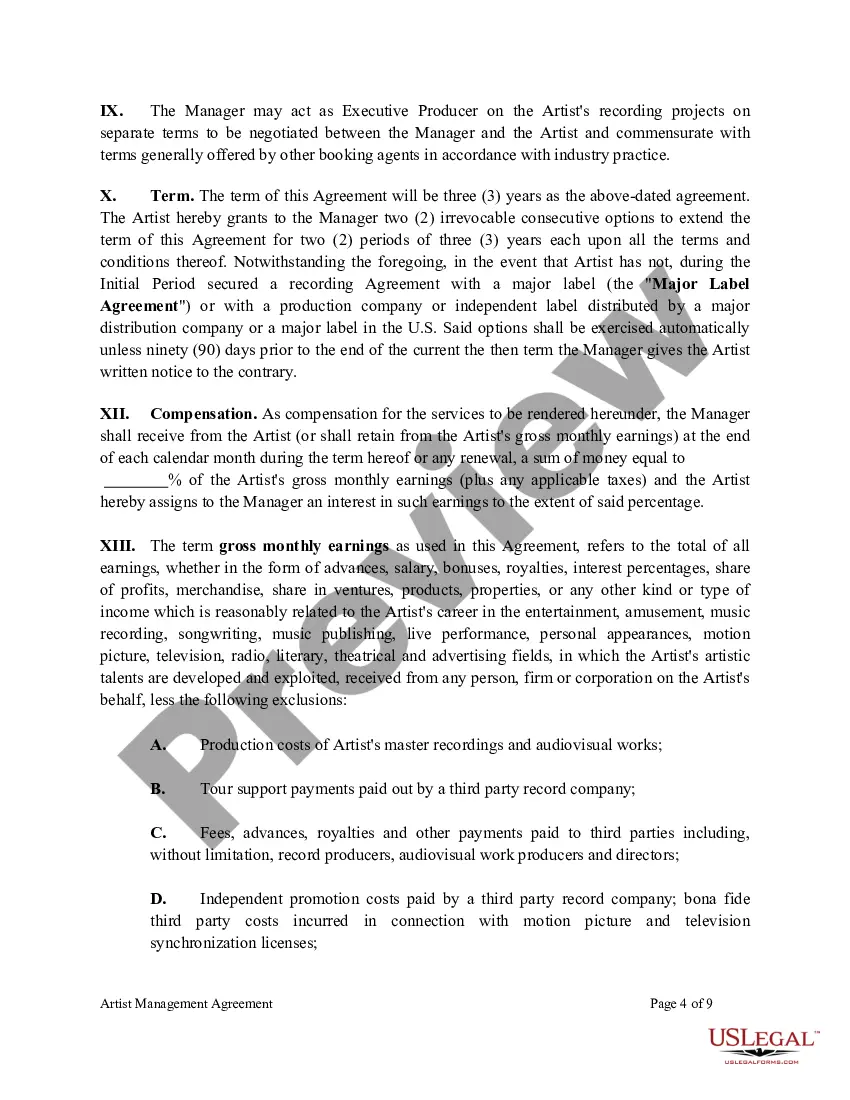
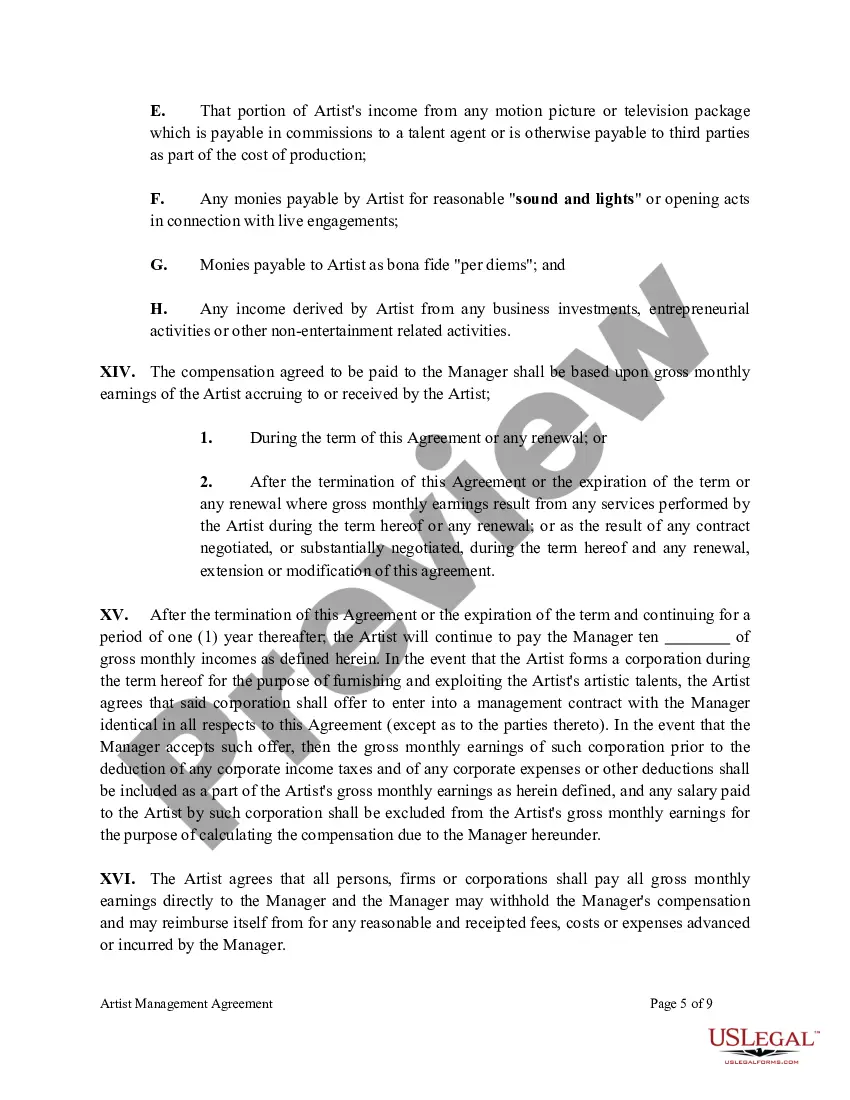
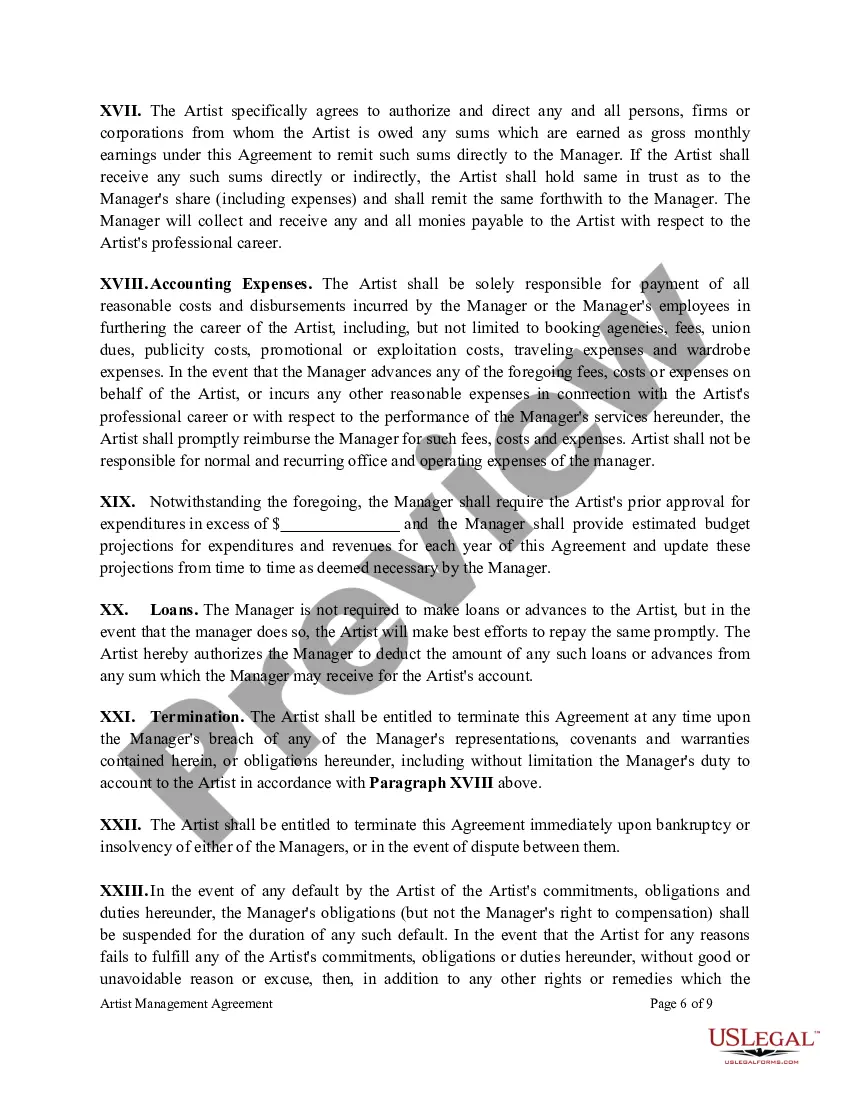
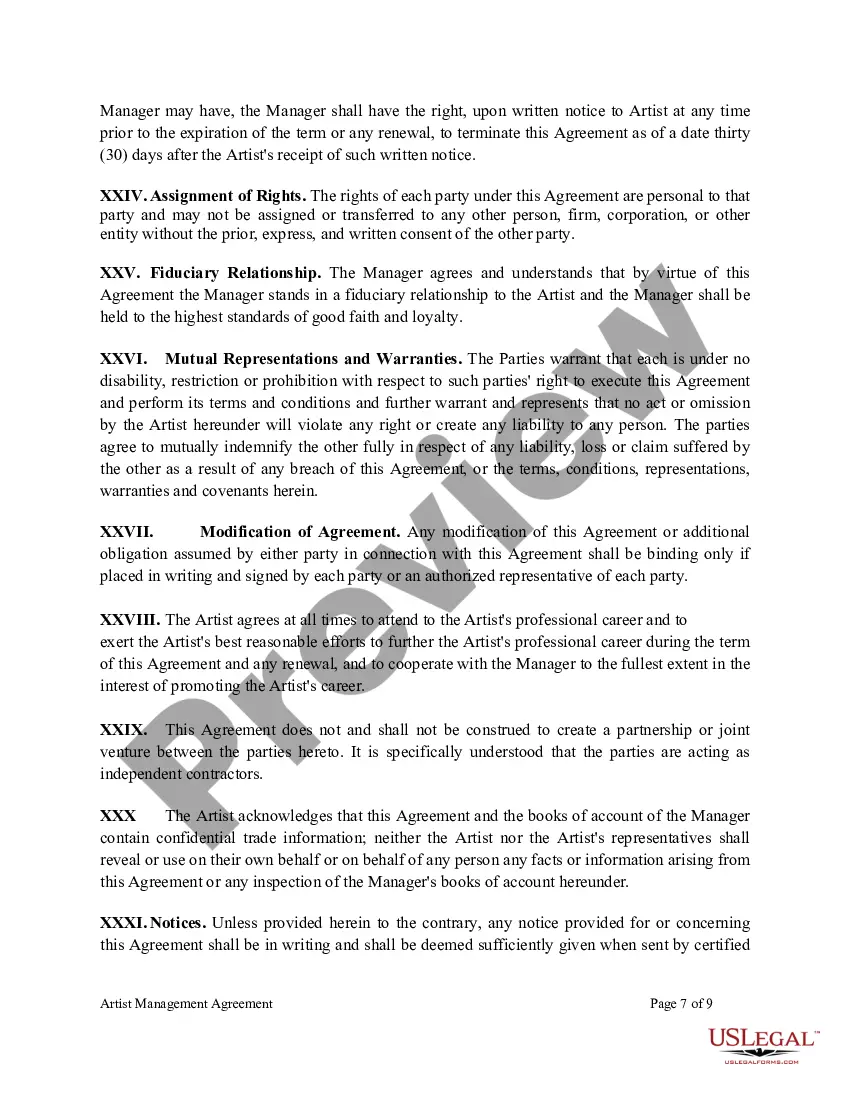
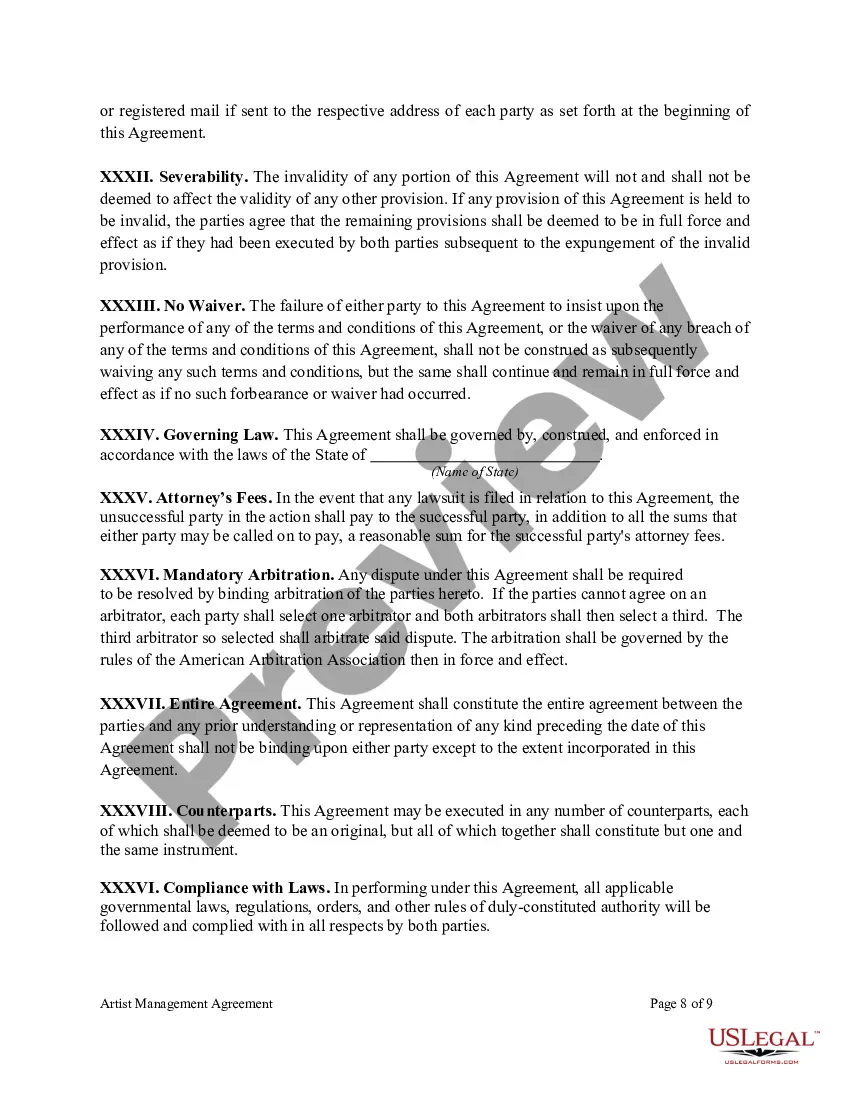
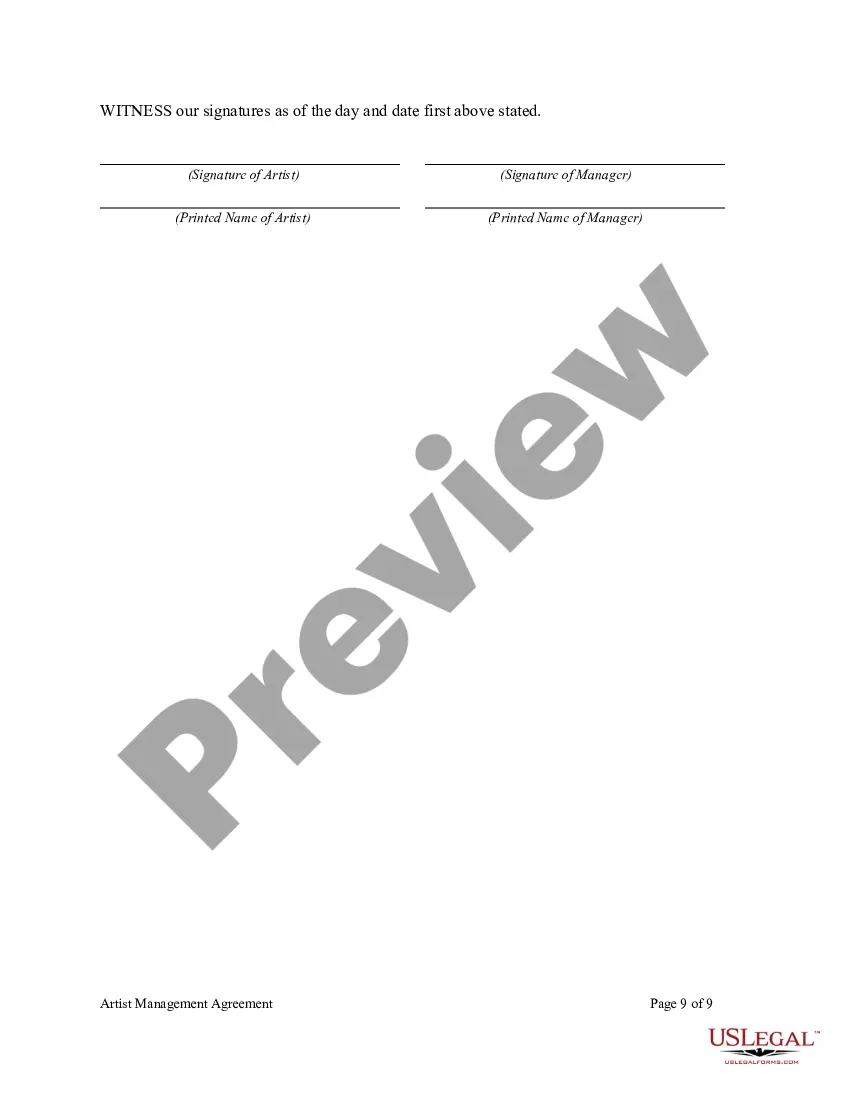
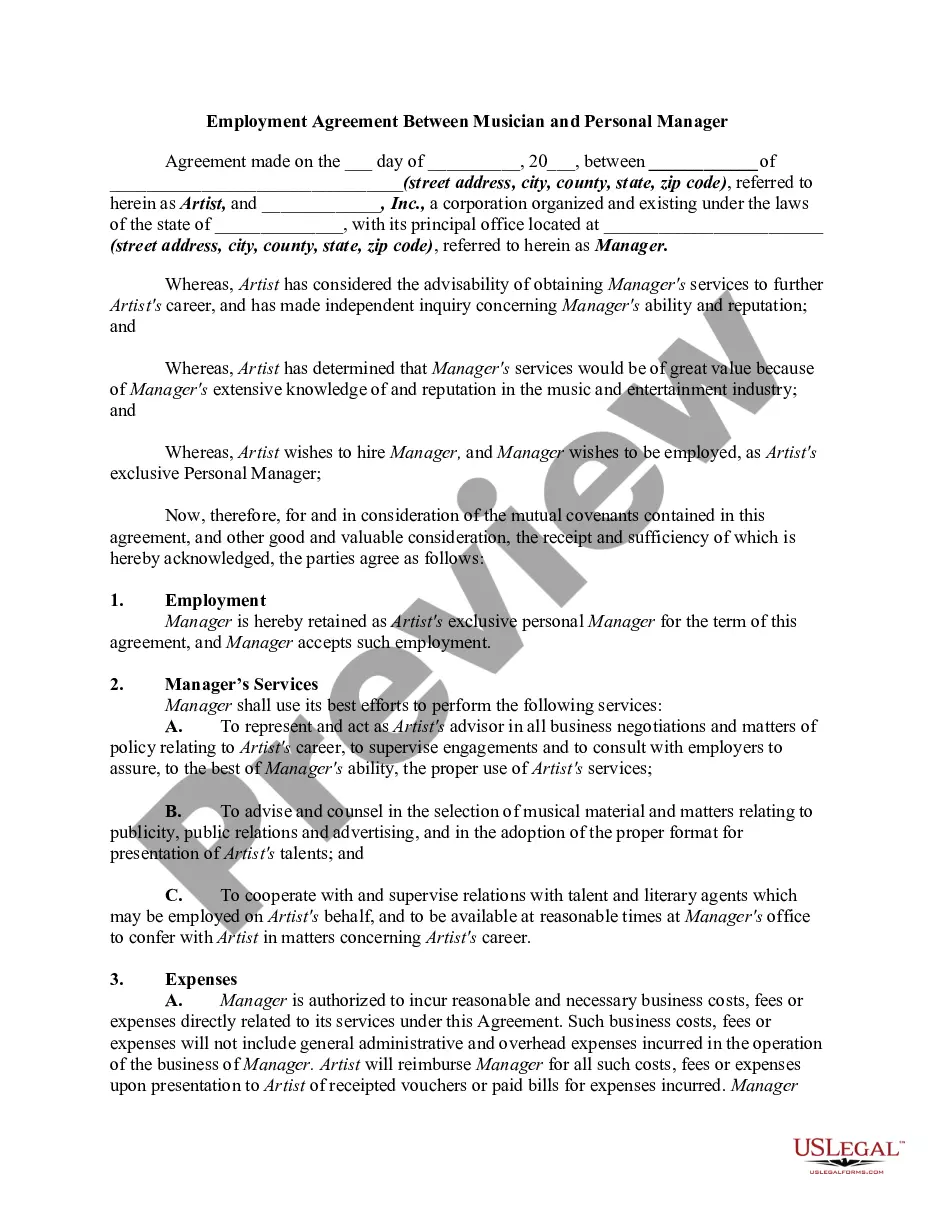
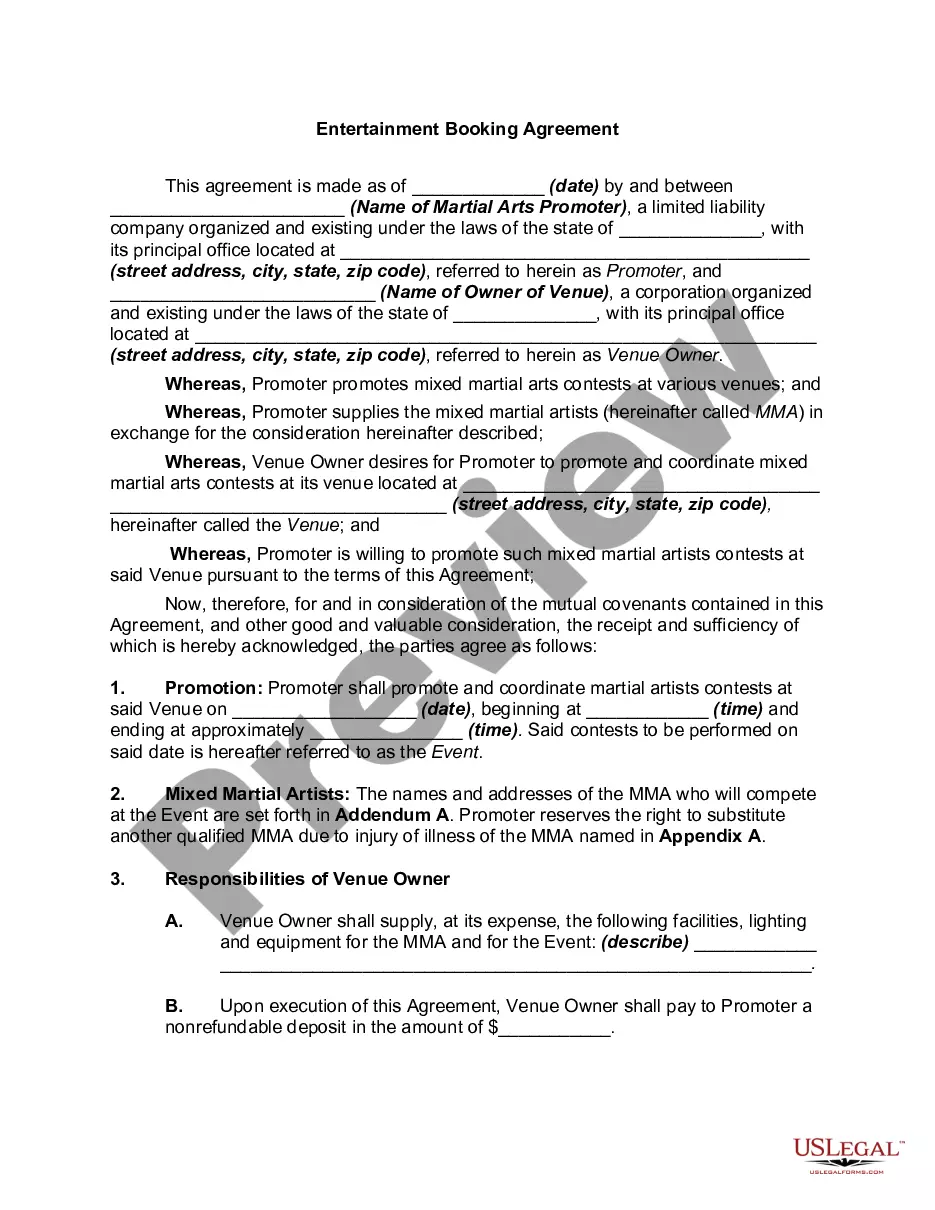
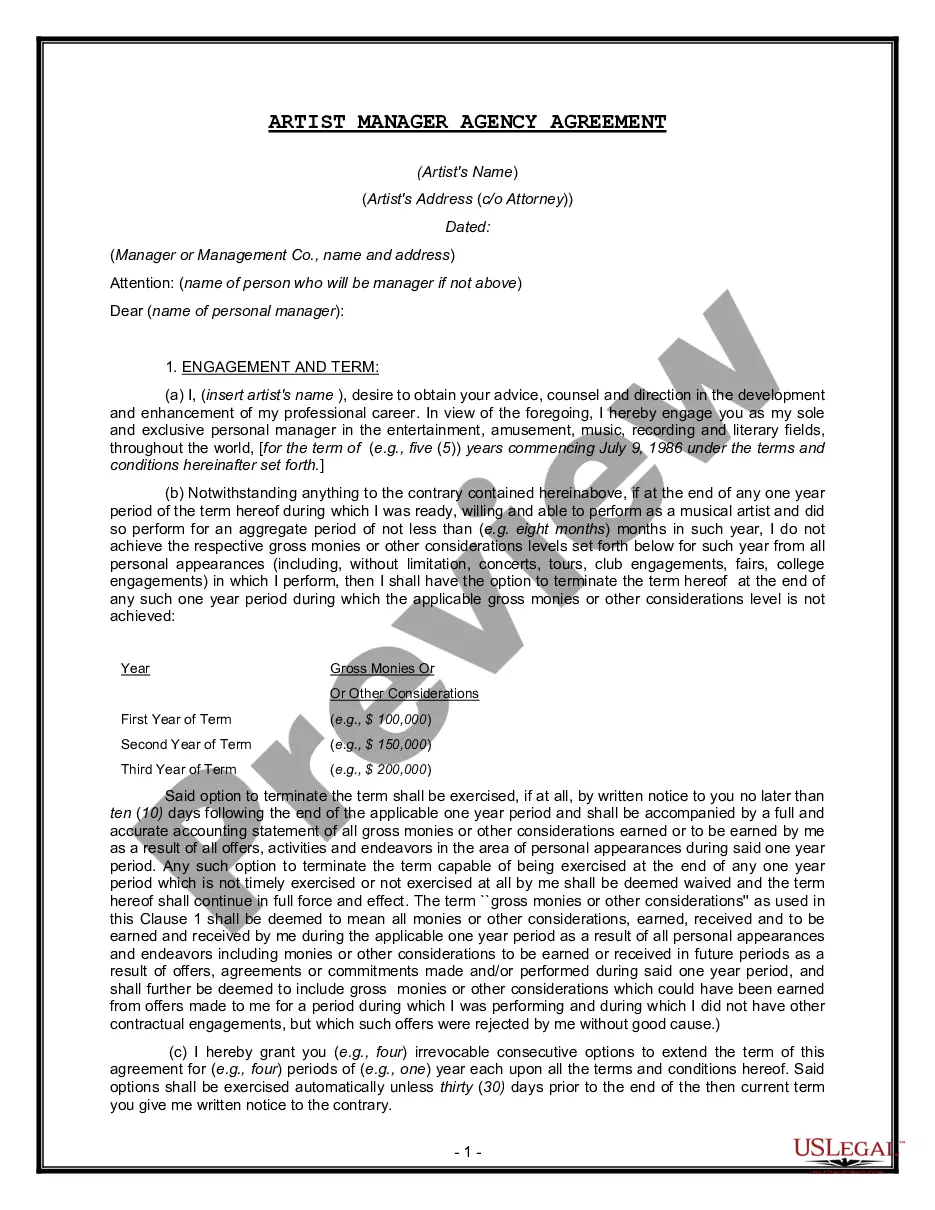
Sample Management Contract With Witness Signature In Cook
Description

Get your form ready online
Our built-in tools help you complete, sign, share, and store your documents in one place.
Make edits, fill in missing information, and update formatting in US Legal Forms—just like you would in MS Word.
Download a copy, print it, send it by email, or mail it via USPS—whatever works best for your next step.
Sign and collect signatures with our SignNow integration. Send to multiple recipients, set reminders, and more. Go Premium to unlock E-Sign.
If this form requires notarization, complete it online through a secure video call—no need to meet a notary in person or wait for an appointment.
We protect your documents and personal data by following strict security and privacy standards.

Make edits, fill in missing information, and update formatting in US Legal Forms—just like you would in MS Word.

Download a copy, print it, send it by email, or mail it via USPS—whatever works best for your next step.

Sign and collect signatures with our SignNow integration. Send to multiple recipients, set reminders, and more. Go Premium to unlock E-Sign.

If this form requires notarization, complete it online through a secure video call—no need to meet a notary in person or wait for an appointment.

We protect your documents and personal data by following strict security and privacy standards.
Looking for another form?








Form popularity
FAQ
A witness signature is the signature of someone who witnessed the person executing the legal document. So, for example, if you are signing up for a new lease, a person who watches you sign the document can indicate that they witnessed this by also signing the document.
Not all contracts require you to have a witness sign with you. However, there are some important documents that require one or more witness signatures. Some documents that might need the signature of a witness or a notary public are: Estate planning documents, such as a Last Will and Testament or Power of Attorney.
The short answer is No – a witness does not need to sign But, there are some exceptions and things to consider. Most documents do not need witnesses to sign them. Most agreements do not even need to be signed by the parties agreeing. Most agreements do not even need to be in writing.
Verbal Contracts: No Signature Required If you make an agreement with someone that has all the elements of a contract (offer, acceptance, consideration, and intention), you are both competent to do so, and the contract is for less than $500, you often do not need a written contract.
How to Properly Sign a Contract So It Will Be Enforceable Make Sure the Contract You're Signing Is the Contract You Agreed to Sign. Date the Contract. Make Sure Both Parties Sign the Contract. Make Sure Any Last Minute Changes to the Contract Are Initialed. The Parties Must Sign the Contract in Their Correct Capacity.
All that needs to be is some mark that represents you. It can be a series of squiggles, a picture, or even the traditional "X" for people who can't read and write. As long as it records the intent of the parties involved in a contractual agreement, it's a valid signature.
Not all contracts require you to have a witness sign with you. However, there are some important documents that require one or more witness signatures. Some documents that might need the signature of a witness or a notary public are: Estate planning documents, such as a Last Will and Testament or Power of Attorney.
Witnesses must be of sound mind and have the capacity to witness. Witnesses must not be a beneficiary or party of the legal document. Witnesses must not be under the influence of drugs or alcohol. In some instances, witnesses must know the individual they're acting as witnesses for, for a certain period of time.
Some contracts must be witnessed The witness must be an “officer” as defined under the law, which includes a lawyer, notary public, judge, and some other professional categories. The witness must be present when the party whose signature is to be witnessed is signing the contract.
Signature witnessing is defined under an official notarial act but is not legally applicable in all states. Signature witnessing happens when the witness is presented in front of the notary and the principal signer to identify the individual and sign the document in the notary's presence.
