Sample Management Contract For House Rental In California
Description

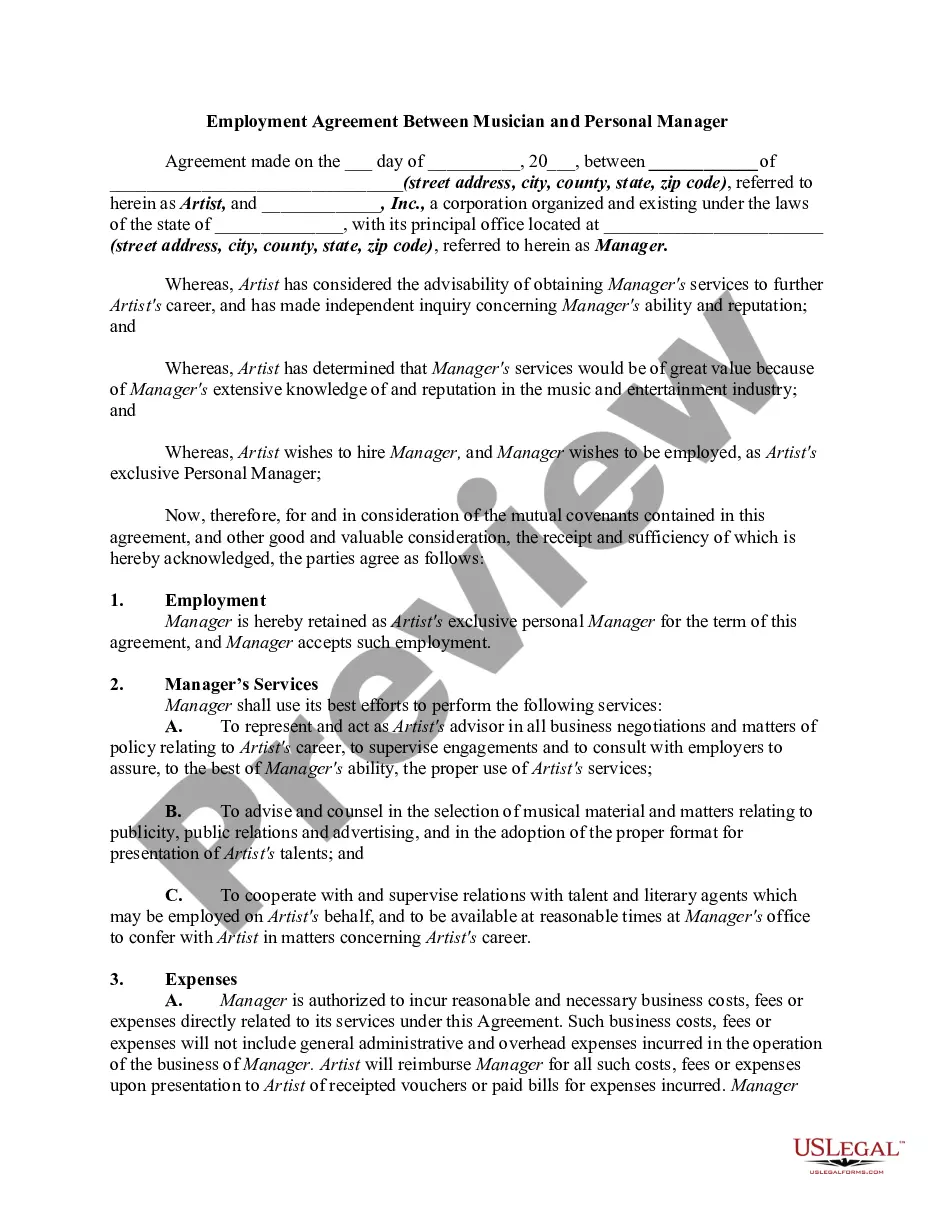
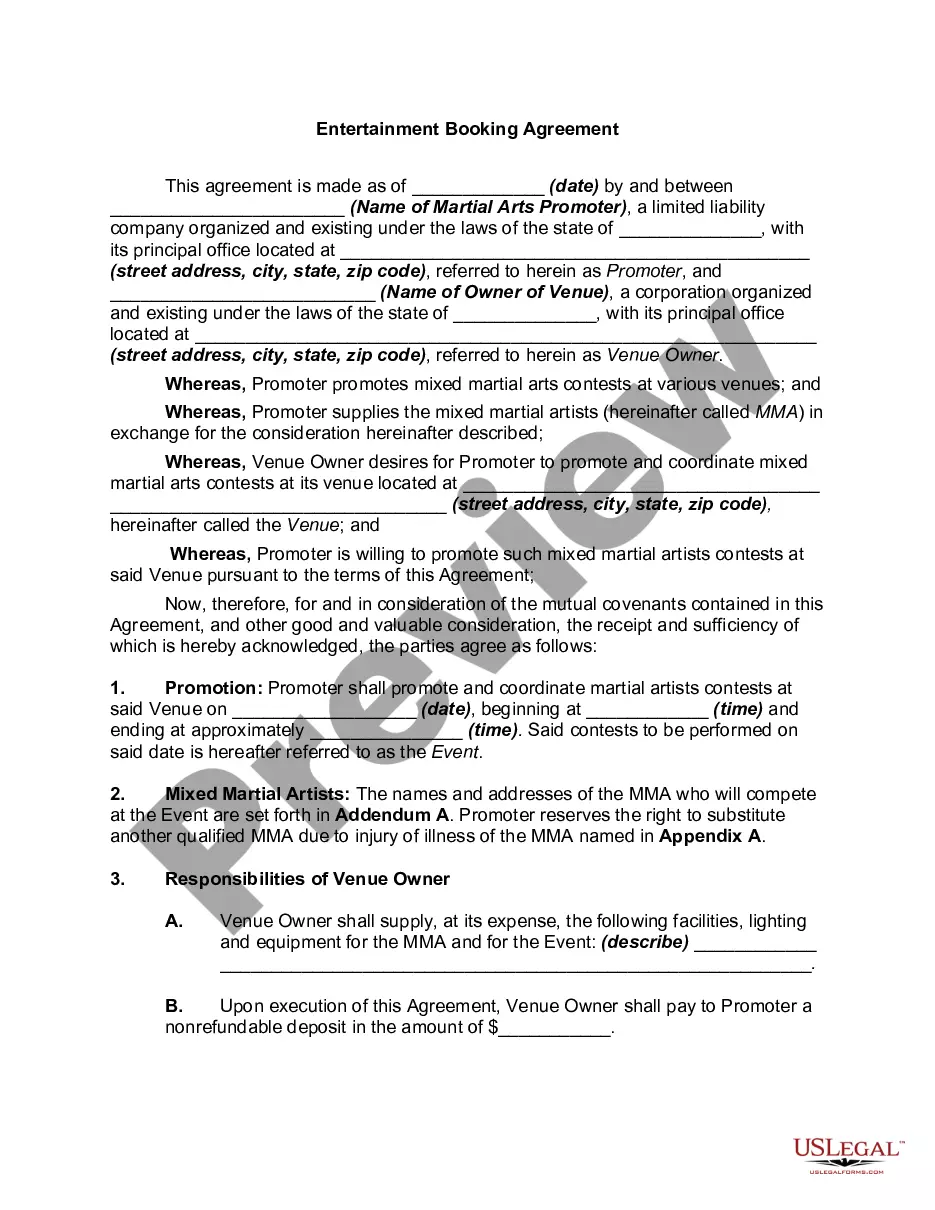
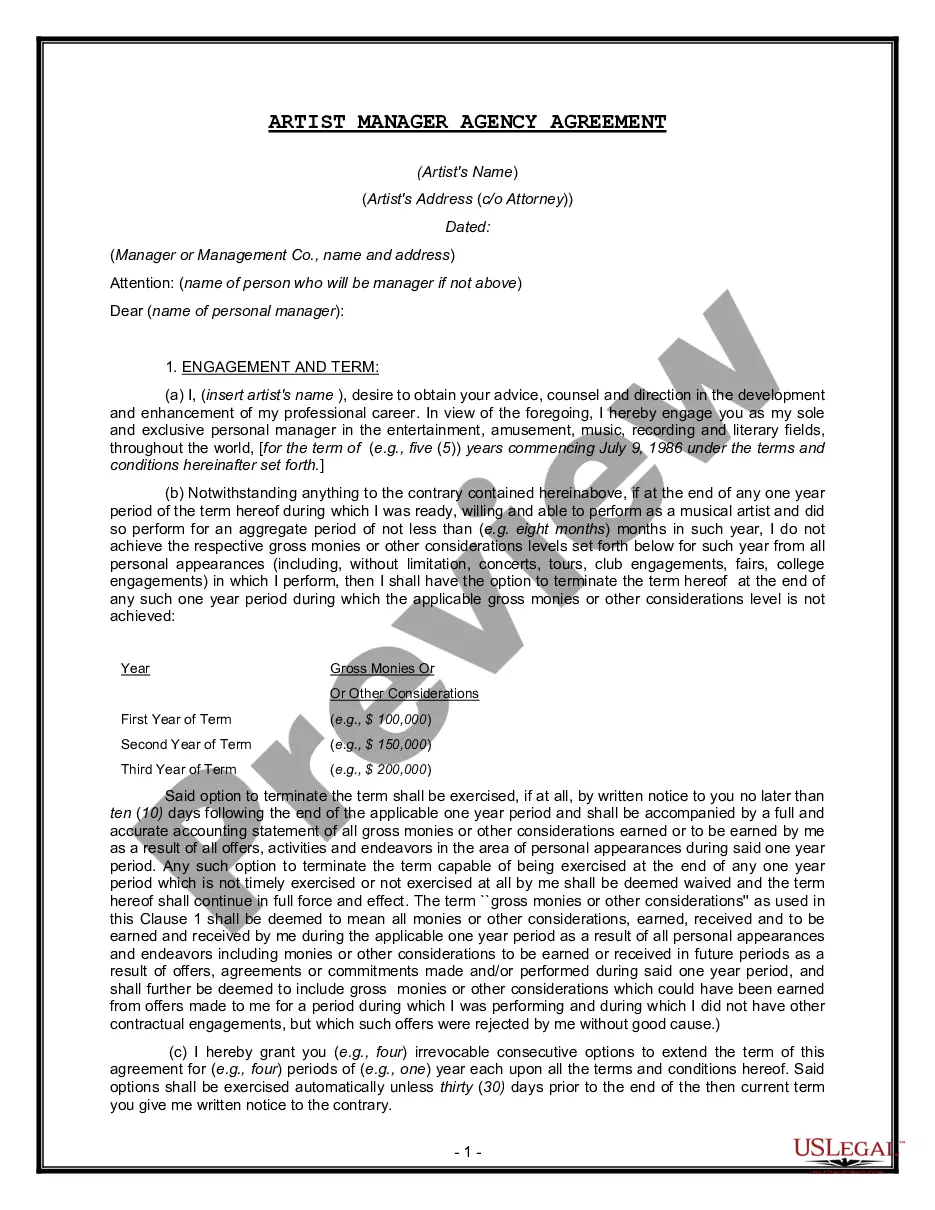
Get your form ready online
Our built-in tools help you complete, sign, share, and store your documents in one place.
Make edits, fill in missing information, and update formatting in US Legal Forms—just like you would in MS Word.
Download a copy, print it, send it by email, or mail it via USPS—whatever works best for your next step.
Sign and collect signatures with our SignNow integration. Send to multiple recipients, set reminders, and more. Go Premium to unlock E-Sign.
If this form requires notarization, complete it online through a secure video call—no need to meet a notary in person or wait for an appointment.
We protect your documents and personal data by following strict security and privacy standards.

Make edits, fill in missing information, and update formatting in US Legal Forms—just like you would in MS Word.

Download a copy, print it, send it by email, or mail it via USPS—whatever works best for your next step.

Sign and collect signatures with our SignNow integration. Send to multiple recipients, set reminders, and more. Go Premium to unlock E-Sign.

If this form requires notarization, complete it online through a secure video call—no need to meet a notary in person or wait for an appointment.

We protect your documents and personal data by following strict security and privacy standards.
Looking for another form?








Form popularity
FAQ
Here's a list of standard fields that you should include in your lease agreement: Tenant information. Include each tenant's full name and contact information. Rental property description. Security deposit. Monthly rent amount. Utilities. Lease term. Policies. Late fees.
Essential clauses of a property management agreement Introduction. The intro part identifies the document as a property management agreement. Recitals. Description of rental property. Property manager's duties; obligations. Owner's obligations. Reimbursement of expenses. Term. Compensation.
What to Look Out For in a Property Management Contract Services. Fees. Cancellation. Duration/Term of Agreement. Compensation for Special Services. Collection & Disbursement of Income. Affiliates. Owner Obligations.
It delineates and confirms the respective responsibilities of the owner and the manager and outlines the liabilities of each as well. Essentially, everything the owner and property manager expect of each other should be covered in writing through the Property Management Agreement.
License Requirement. Generally a real estate license is necessary to rent, lease, or manage property or solicit tenants, if done for others, for compensation or in expectation of compensation. (B & P § 10130 and 10131(b).)
Finding tenants using a network of contacts is an effective strategy for any property manager. A property manager's network of contacts can include current tenants, real estate agents, bankers and financial advisors, community organizations, local business owners, and the local chamber of commerce.
Asking for referrals from business contacts you know and trust is one of the best ways to find commercial property vendors that deliver quality results. Once you have a few potential companies, perform some due diligence to ensure that the business can perform at your required quality level.
In most states, contractors like plumbers and electricians must be licensed to work legally on your properties, or anyone else's for that matter. As with most state laws, the rules and regulations regarding licensing requirements for contractors can vary widely from state to state.
