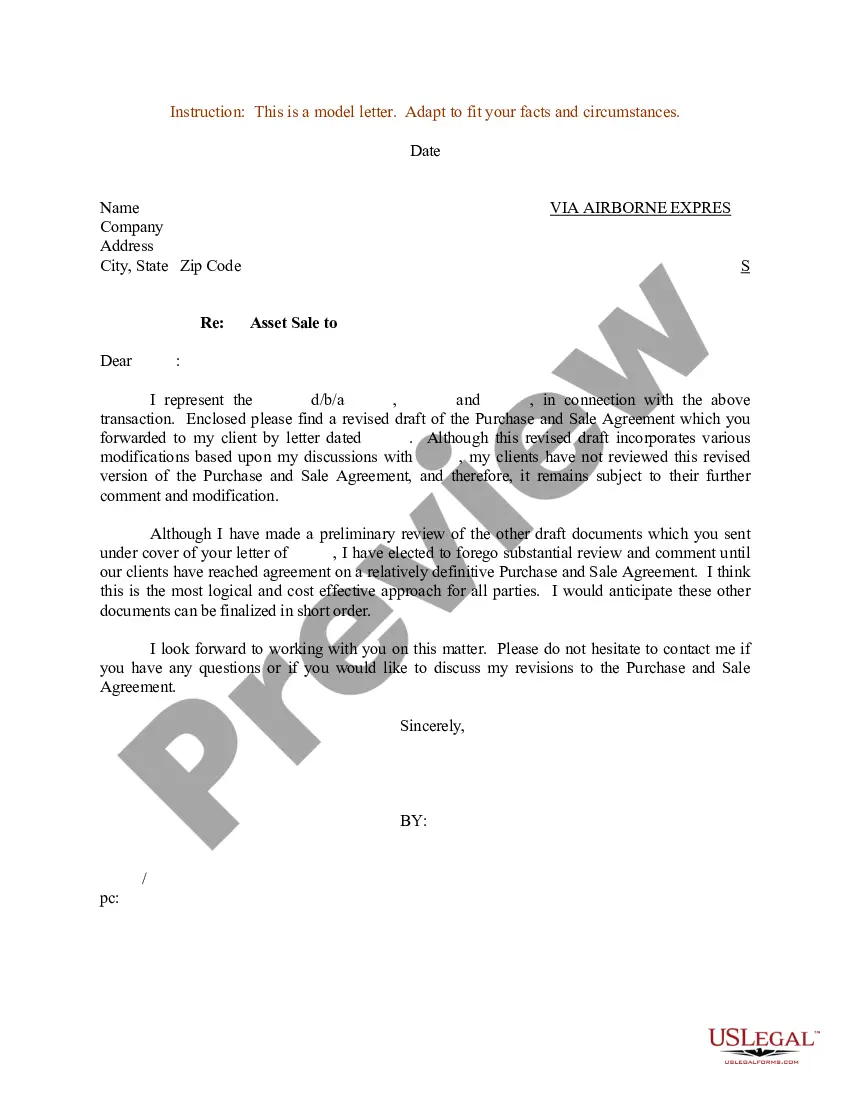
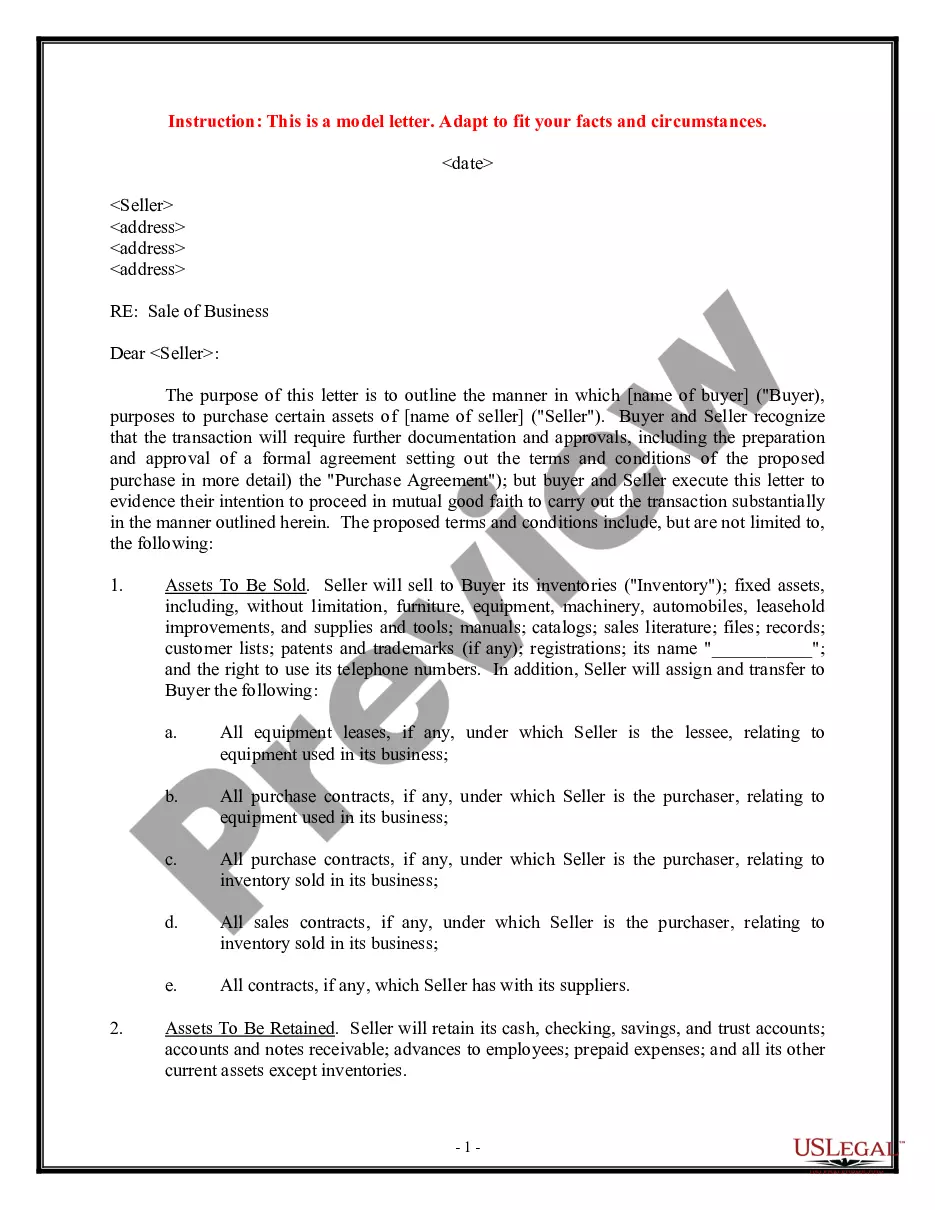
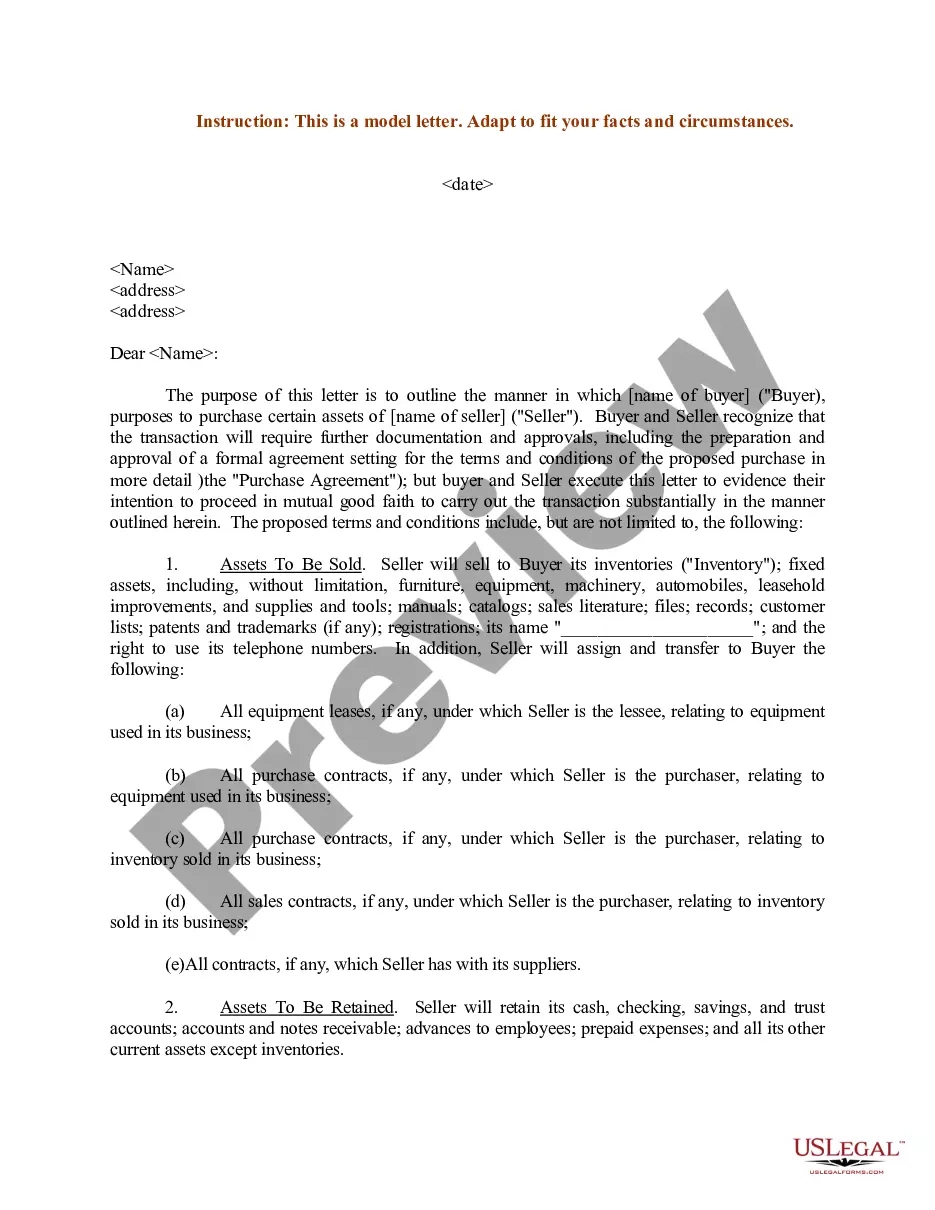
Assets Asset Purchase With Lease In Ohio
Description
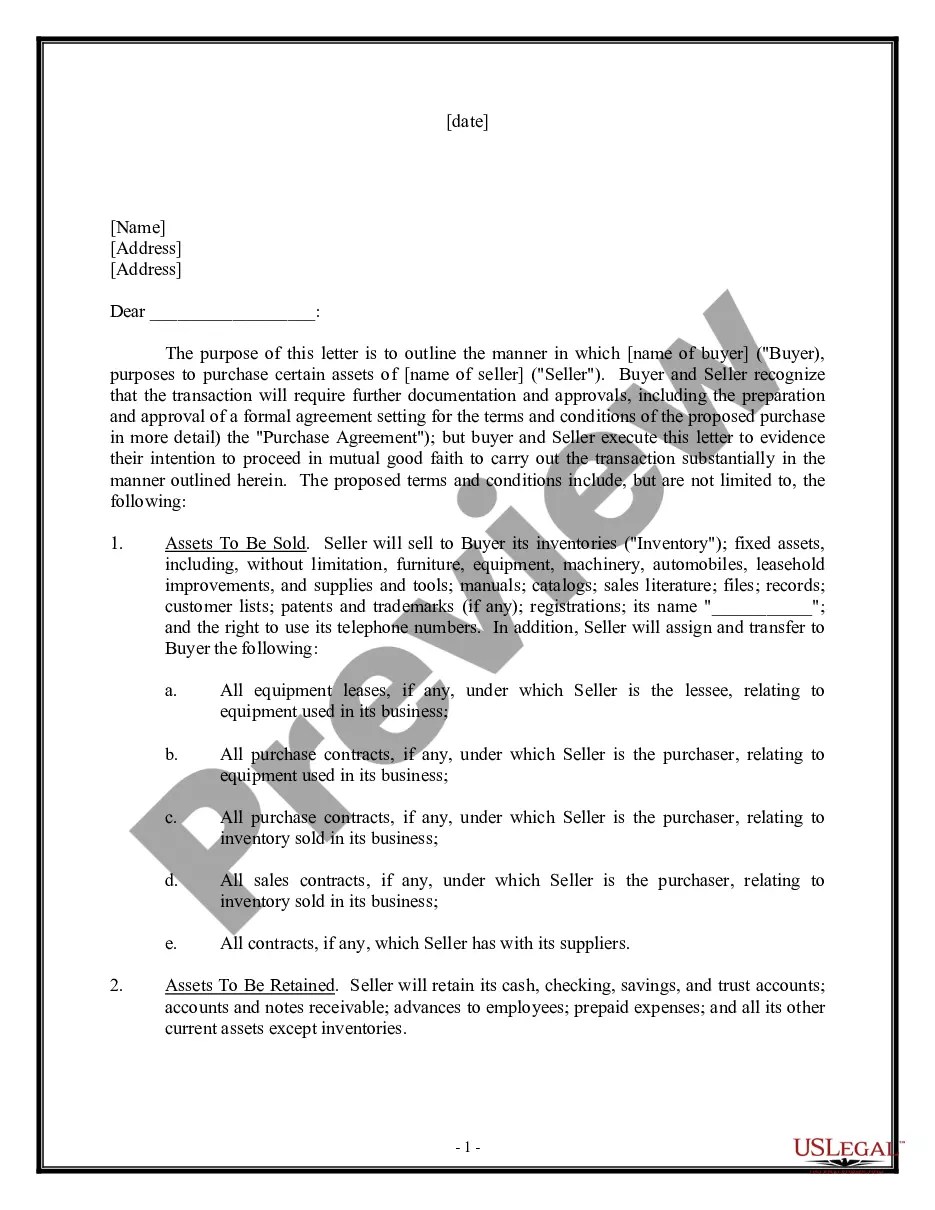
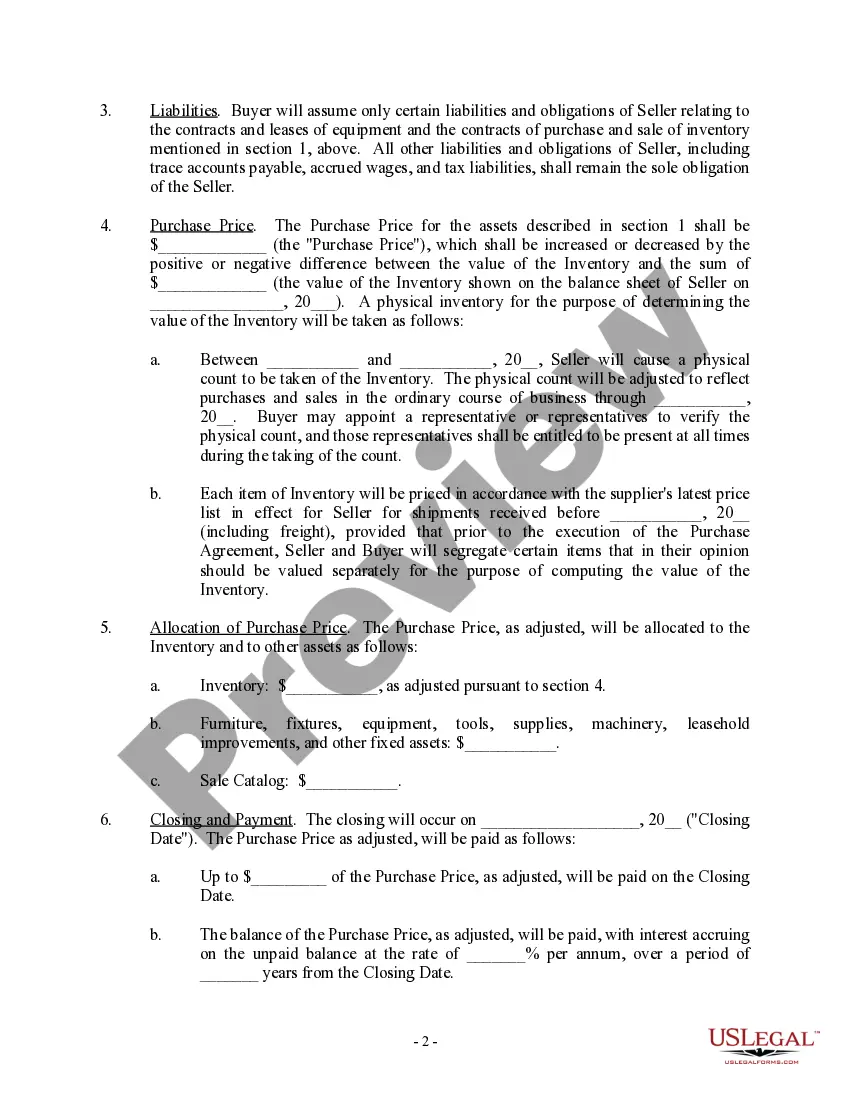
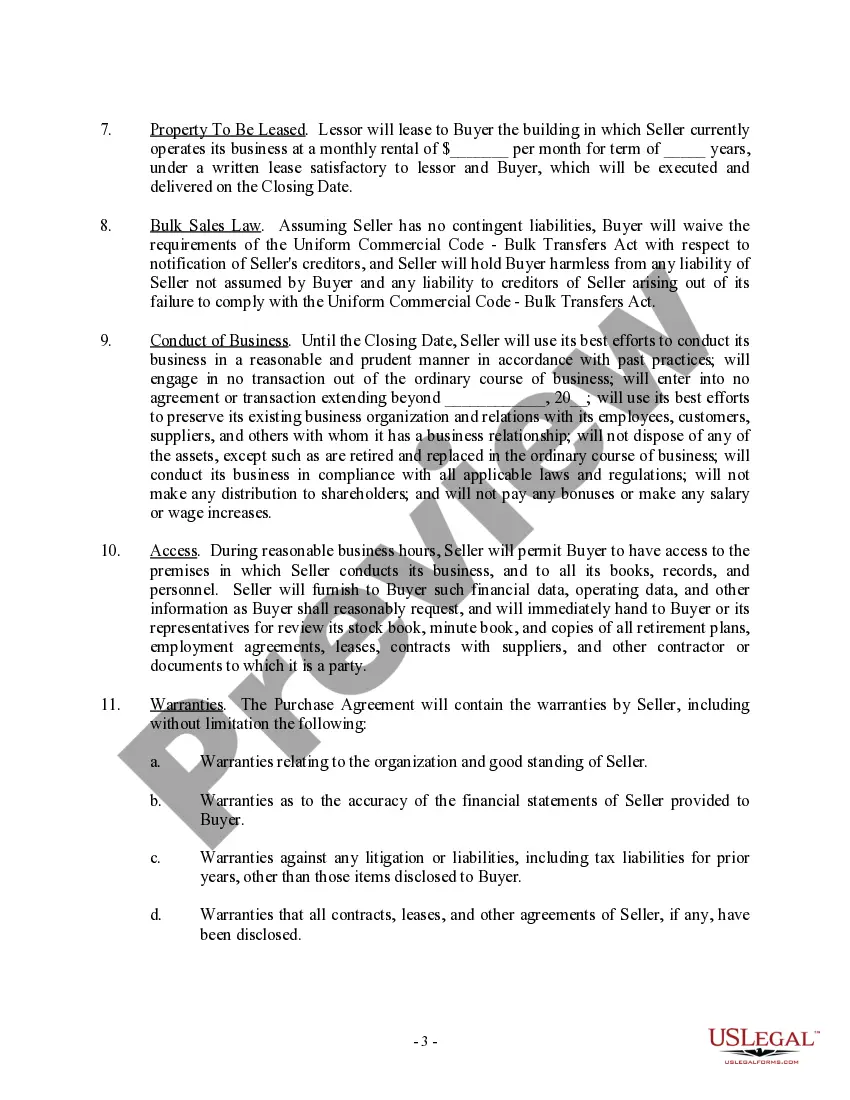
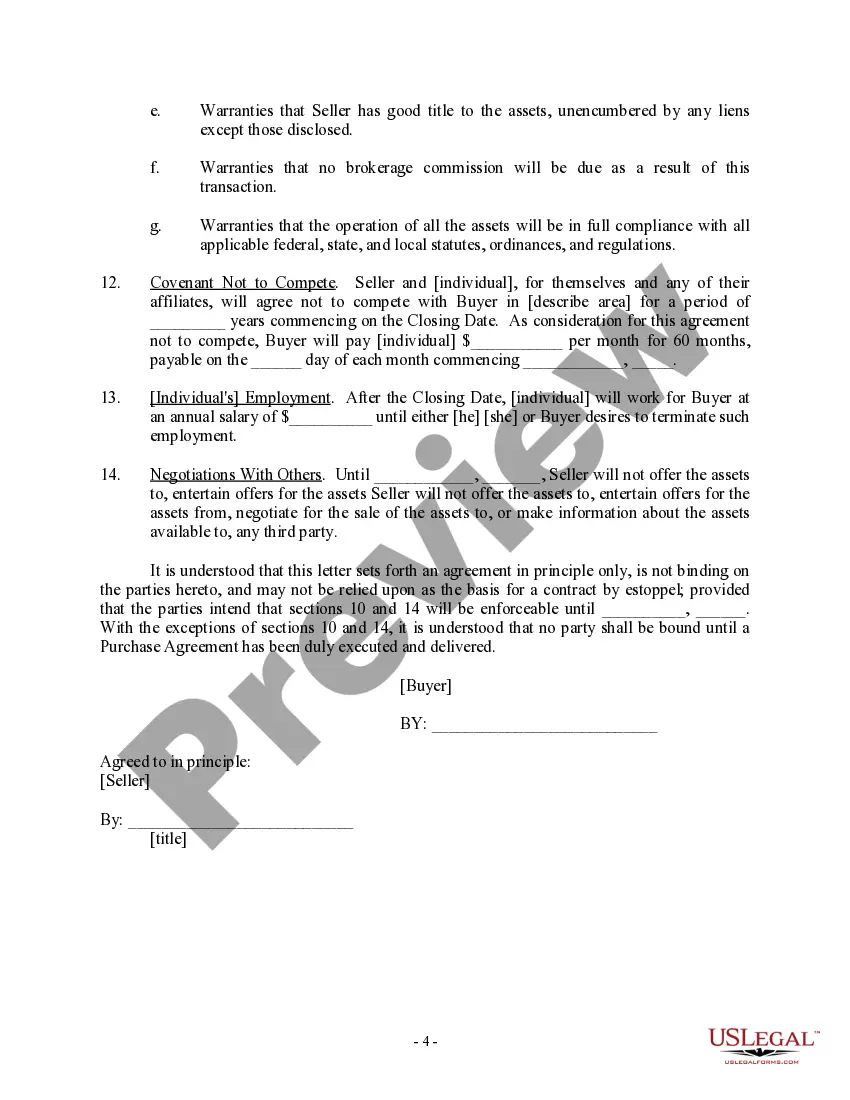
Get your form ready online
Our built-in tools help you complete, sign, share, and store your documents in one place.
Make edits, fill in missing information, and update formatting in US Legal Forms—just like you would in MS Word.
Download a copy, print it, send it by email, or mail it via USPS—whatever works best for your next step.
Sign and collect signatures with our SignNow integration. Send to multiple recipients, set reminders, and more. Go Premium to unlock E-Sign.
If this form requires notarization, complete it online through a secure video call—no need to meet a notary in person or wait for an appointment.
We protect your documents and personal data by following strict security and privacy standards.

Make edits, fill in missing information, and update formatting in US Legal Forms—just like you would in MS Word.

Download a copy, print it, send it by email, or mail it via USPS—whatever works best for your next step.

Sign and collect signatures with our SignNow integration. Send to multiple recipients, set reminders, and more. Go Premium to unlock E-Sign.

If this form requires notarization, complete it online through a secure video call—no need to meet a notary in person or wait for an appointment.

We protect your documents and personal data by following strict security and privacy standards.
Looking for another form?







Form popularity
FAQ
Types of Leased Assets All types of equipment and machinery including heavy equipment for construction (e.g. loaders, bulldozers, excavators … etc.) All types of heavy and light transportation vehicles (trucks, buses, passenger cars). Computer devices and equipment. Medical equipment.
touse lease asset is an intangible capital asset. The asset represents the right to use an underlying asset identified in a lease contract, as specified for a period of time.
The equipment (personal property) or real estate (real property) that is the subject of a lease and currently leased is a leased asset. In general, any identifiable, tangible and nonconsumable asset to which title can be held can be leased.
touse lease asset is an intangible capital asset. The asset represents the right to use an underlying asset identified in a lease contract, as specified for a period of time.
Disadvantages of leasing or renting equipment you may have to put down a deposit or make some payments in advance. it can work out to be more expensive than if you buy the assets outright. your business can be locked into inflexible medium or long-term agreements, which may be difficult to terminate.
The lessor in a lease agreement is the person or legal entity who grants a lease to an individual or family, often a lease on a property. The lessor is the owner of the asset in the lease agreement.
A finance lease transfers the asset and any risk or return to the lessee. This means that ownership is transferred in a financial lease to the entity that leases the asset. In an operating lease, the ownership remains with the lessor, the entity that leased the asset to the lessee.
In terms of financial reporting, capital leases are recognized as both assets and liabilities on the balance sheet. This can significantly affect the company's financial ratios. Operating leases, however, are recorded as operating expenses on the income statement. They do not appear as liabilities on the balance sheet.
Right to Use means a right to disclose, copy, duplicate, reproduce, modify and otherwise use.
