Assets Asset Purchase With Lease In Arizona
Description
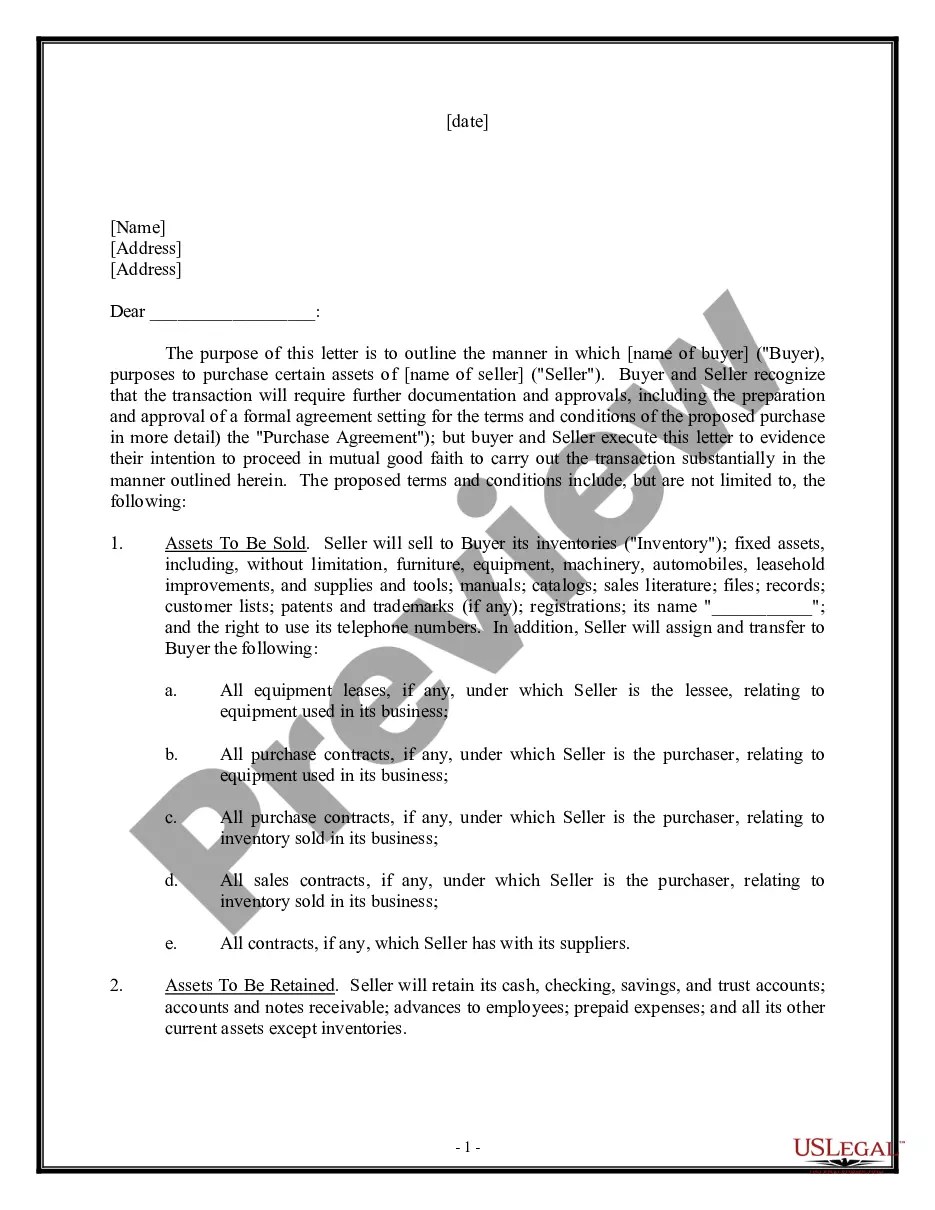
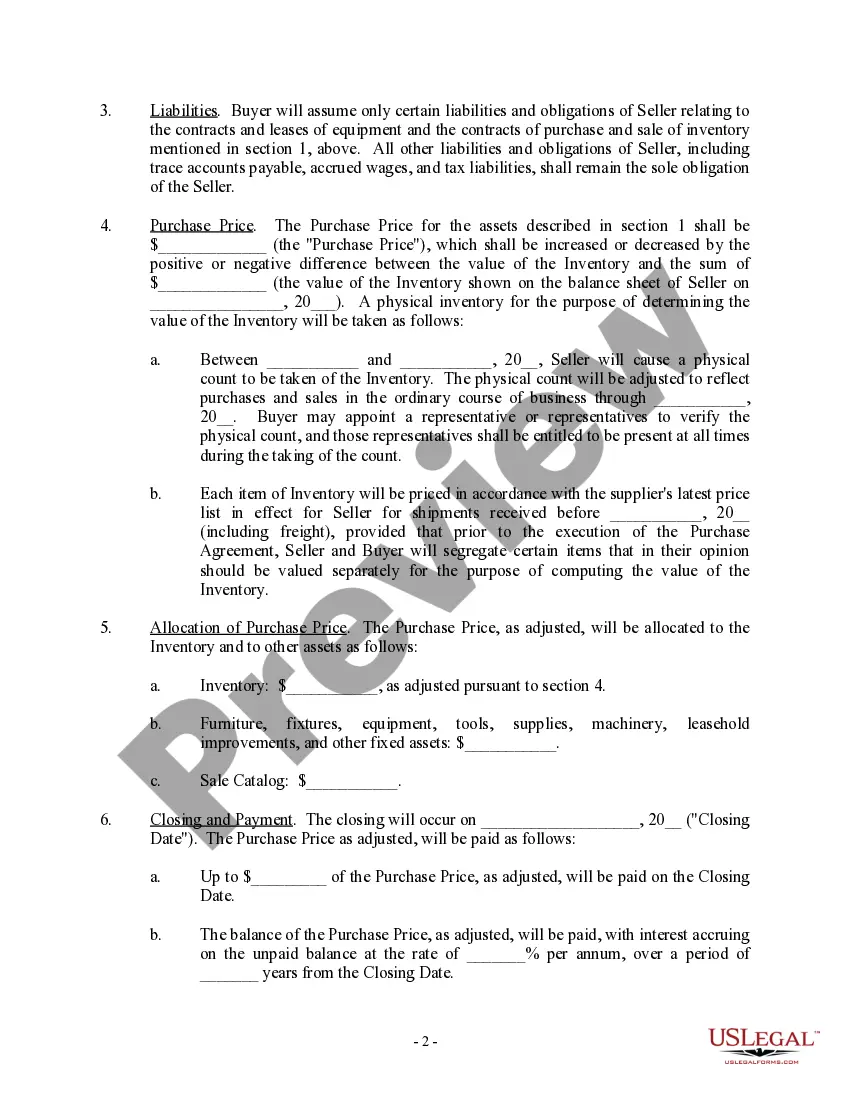
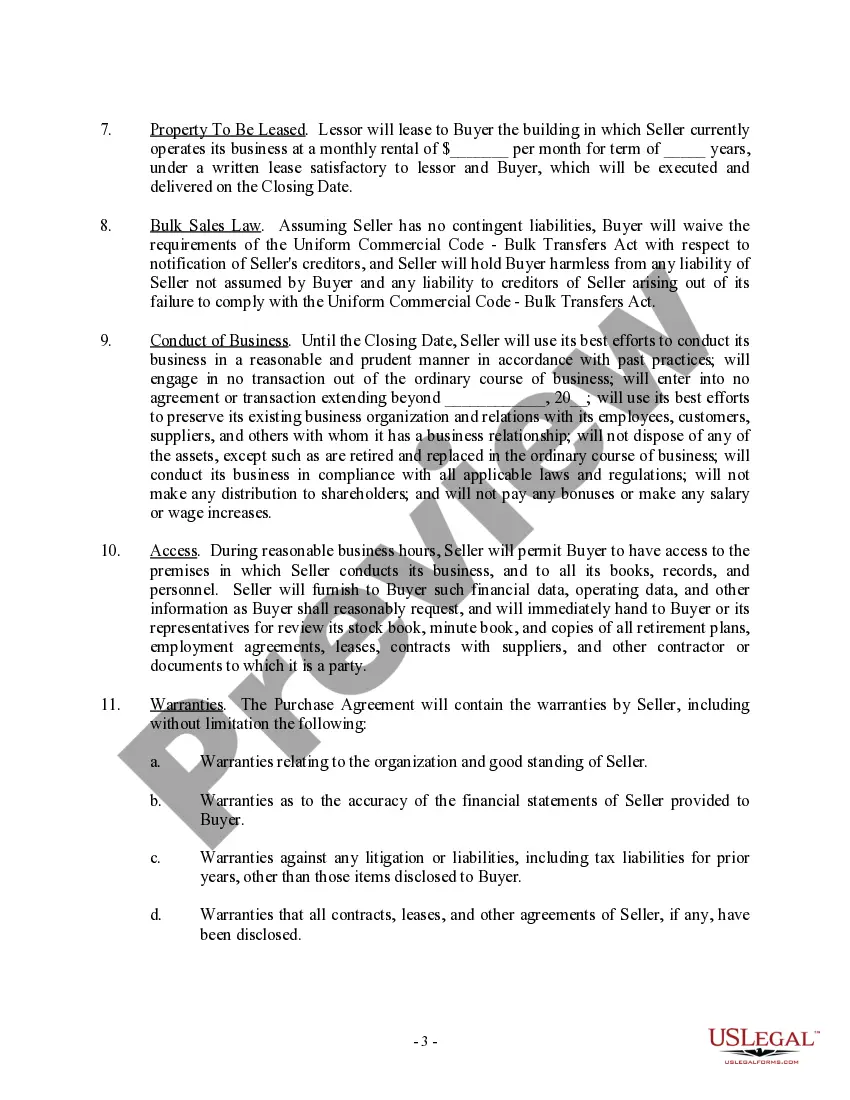
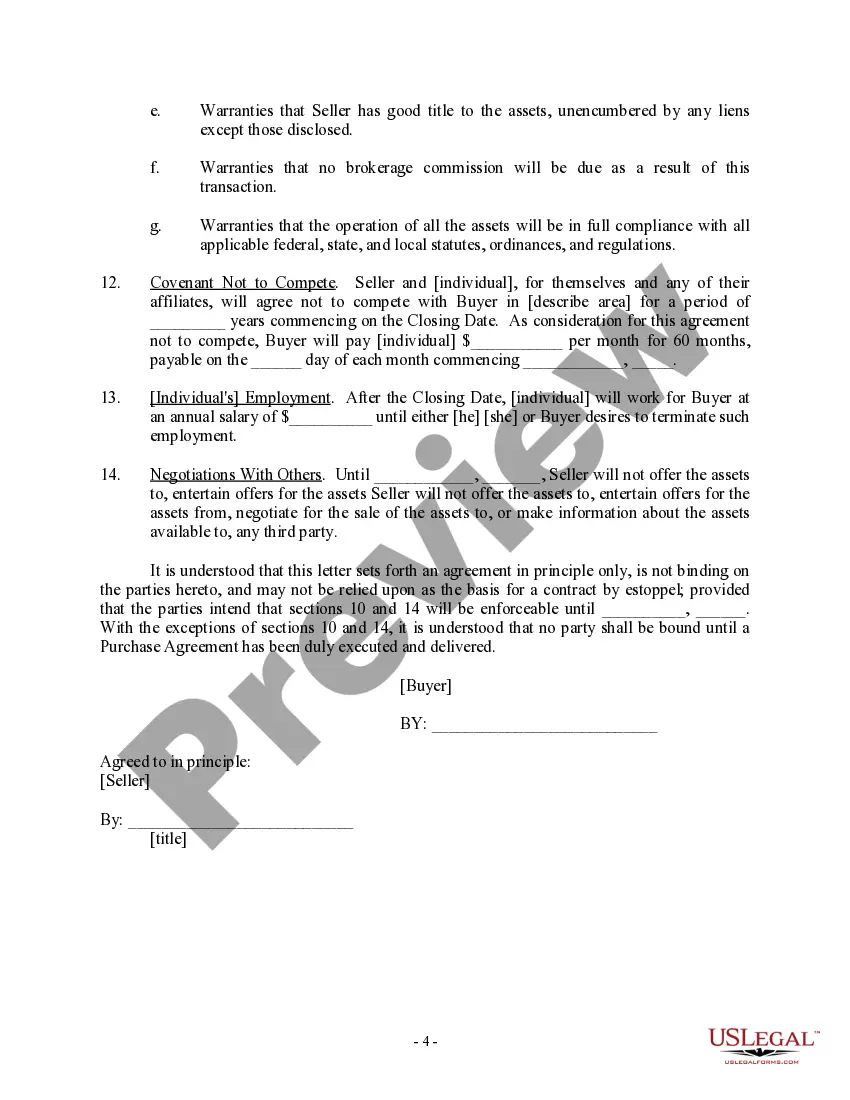
Get your form ready online
Our built-in tools help you complete, sign, share, and store your documents in one place.
Make edits, fill in missing information, and update formatting in US Legal Forms—just like you would in MS Word.
Download a copy, print it, send it by email, or mail it via USPS—whatever works best for your next step.
Sign and collect signatures with our SignNow integration. Send to multiple recipients, set reminders, and more. Go Premium to unlock E-Sign.
If this form requires notarization, complete it online through a secure video call—no need to meet a notary in person or wait for an appointment.
We protect your documents and personal data by following strict security and privacy standards.

Make edits, fill in missing information, and update formatting in US Legal Forms—just like you would in MS Word.

Download a copy, print it, send it by email, or mail it via USPS—whatever works best for your next step.

Sign and collect signatures with our SignNow integration. Send to multiple recipients, set reminders, and more. Go Premium to unlock E-Sign.

If this form requires notarization, complete it online through a secure video call—no need to meet a notary in person or wait for an appointment.

We protect your documents and personal data by following strict security and privacy standards.
Looking for another form?
Form popularity
FAQ
Transaction Structure In an asset sale, the seller retains the existing legal entity and sells both the tangible and intangible assets of the business. The buyer obtains these assets through a newly established entity. In a minority of transactions, small businesses undergo a stock or equity sale.
Asset management is the process of planning and controlling the acquisition, operation, maintenance, renewal, and disposal of organizational assets. This process improves the delivery potential of assets and minimizes the costs and risks involved.
The seller retains legal ownership of the company that has sold the assets but has no further recourse to the sold assets. The buyer assumes no liabilities in an asset sale. Typically, for reasons having to do with tax benefits, buyers prefer asset sales, whereas sellers prefer stock sales.
Common assets that are leased include real estate, automobiles, aircraft, or heavy equipment. By renting and not owning, operating leases enable companies to keep from recording an asset on their balance sheets by treating them as operating expenses.
An operating lease is recorded on the balance sheet as an asset and the monthly rental payments are treated as operational expenses, not debt.
touse lease asset is an intangible capital asset. The asset represents the right to use an underlying asset identified in a lease contract, as specified for a period of time.
In terms of financial reporting, capital leases are recognized as both assets and liabilities on the balance sheet. This can significantly affect the company's financial ratios. Operating leases, however, are recorded as operating expenses on the income statement.
