Granting Plea For Religious Liberty In Santa Clara
Description
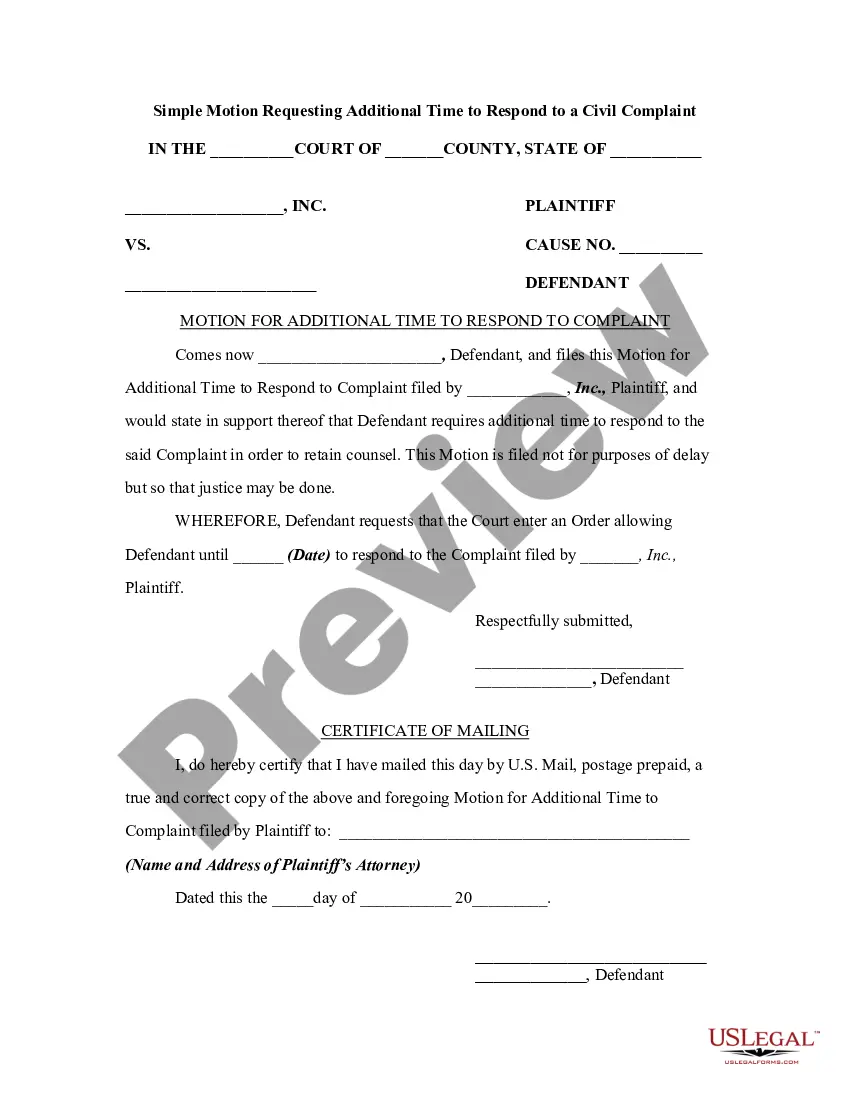
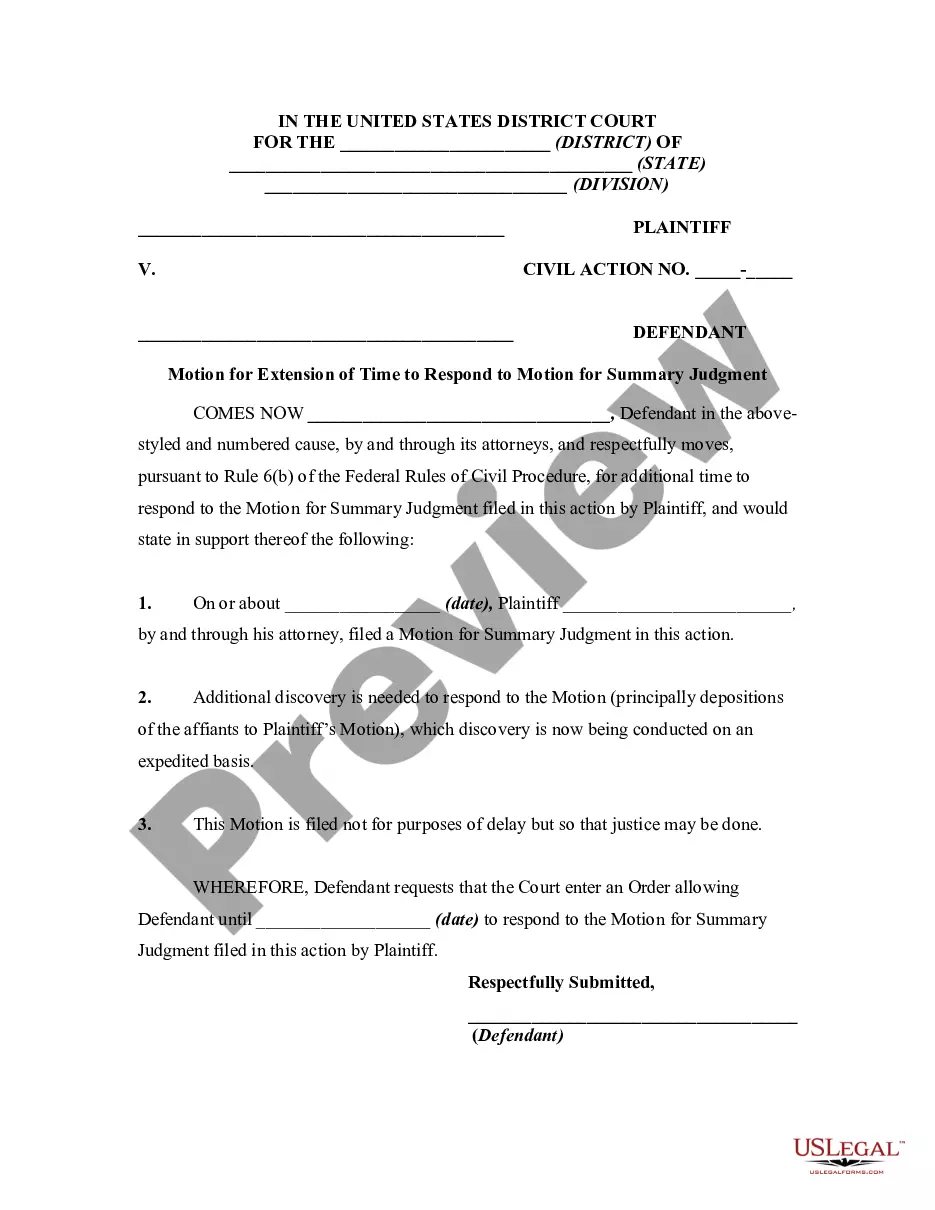
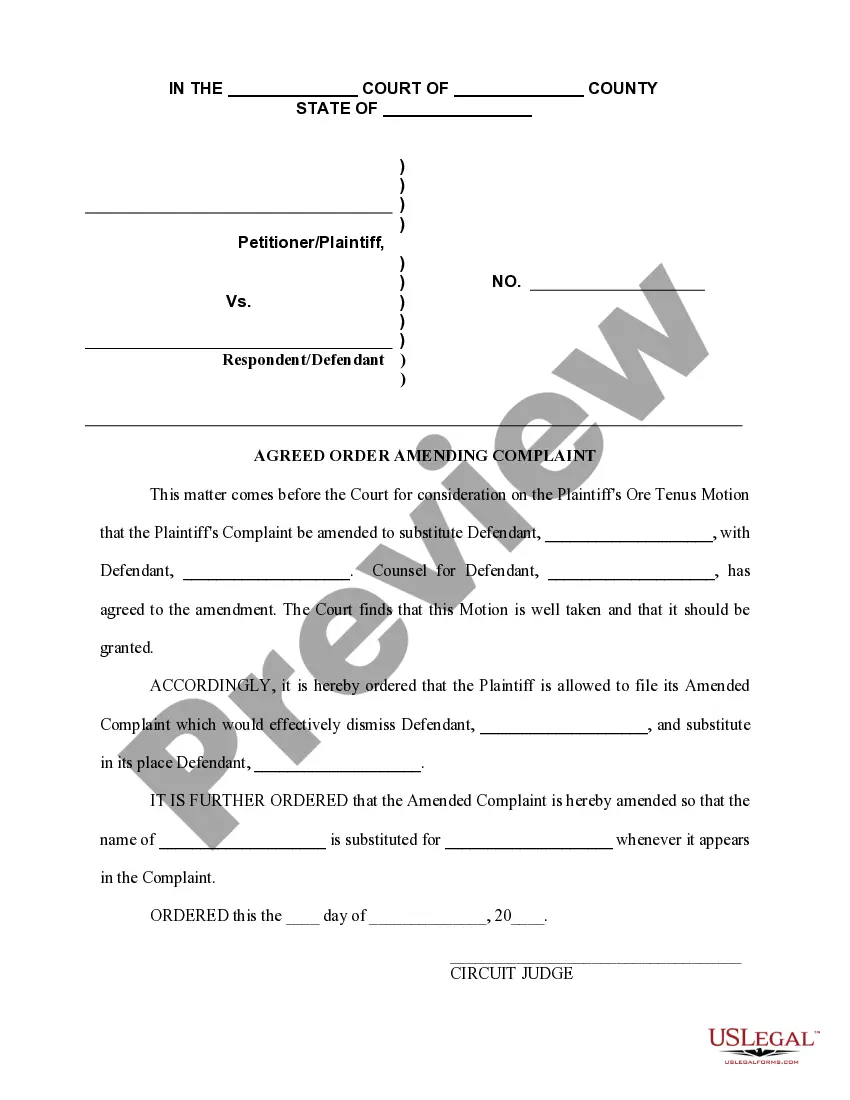
Get your form ready online
Our built-in tools help you complete, sign, share, and store your documents in one place.
Make edits, fill in missing information, and update formatting in US Legal Forms—just like you would in MS Word.
Download a copy, print it, send it by email, or mail it via USPS—whatever works best for your next step.
Sign and collect signatures with our SignNow integration. Send to multiple recipients, set reminders, and more. Go Premium to unlock E-Sign.
If this form requires notarization, complete it online through a secure video call—no need to meet a notary in person or wait for an appointment.
We protect your documents and personal data by following strict security and privacy standards.

Make edits, fill in missing information, and update formatting in US Legal Forms—just like you would in MS Word.

Download a copy, print it, send it by email, or mail it via USPS—whatever works best for your next step.

Sign and collect signatures with our SignNow integration. Send to multiple recipients, set reminders, and more. Go Premium to unlock E-Sign.

If this form requires notarization, complete it online through a secure video call—no need to meet a notary in person or wait for an appointment.

We protect your documents and personal data by following strict security and privacy standards.
Looking for another form?

Form popularity
FAQ
Religious liberty is enshrined in the text of our Constitution and in numerous federal statutes. It encompasses the right of all Americans to exercise their religion freely, without being coerced to join an established church or to satisfy a religious test as a qualification for public office.
To define churches and other religious entities, some of the IRS guidelines consider whether or not an institution has: a distinct legal existence and religious history, a recognized creed and form of worship, established places of worship. a regular congregation and regular religious services, and.
“The right to religious profession and worship has a two-fold aspect, vis., freedom to believe and freedom to act on one's belief.
They define religion as. a relatively-bounded system of beliefs, symbols and practices that addresses the nature of existence, and in which communion with others and Otherness is lived as if it both takes in and spiritually transcends socially-grounded ontologies of time, space, embodiment and knowing.
Title VII defines “religion” broadly to include all aspects of religious observance or practice, except when an employer can establish that a particular aspect of such observance or practice cannot reasonably be accommodated without undue hardship to the business.
Title VII defines “religion” broadly to include all aspects of religious observance or practice, except when an employer can establish that a particular aspect of such observance or practice cannot reasonably be accommodated without undue hardship to the business.
"any specific system of belief and worship, often involving a code of ethics and a philosophy." This definition would exclude religions that do not engage in worship. It implies that there are two important components to religion: one's belief and worship in a deity or deities.
In July 2018, the Department of Justice announced the formation of the Religious Liberty Task Force. The Task Force brings together department components to coordinate their work on religious liberty litigation and policy, and to implement the Attorney General's 2017 Religious Liberty Guidance.
Freedom of Religion, and The 1st and 14th Amendment It also means that the government will not interfere with a person's beliefs. The 14th amendment simply extends that protection out to state governments, holding them to the same standards as the federal government.
States can only limit manifestations of one's religion or belief, but never can place limits on holding beliefs. Manifestations of FoRB that can be limited by states extend to (1) worship, (2) observance, (3) practice, and (4) teaching, which encompass a broad range of acts.
