Agreed Plead Agreement Form In Florida
Description
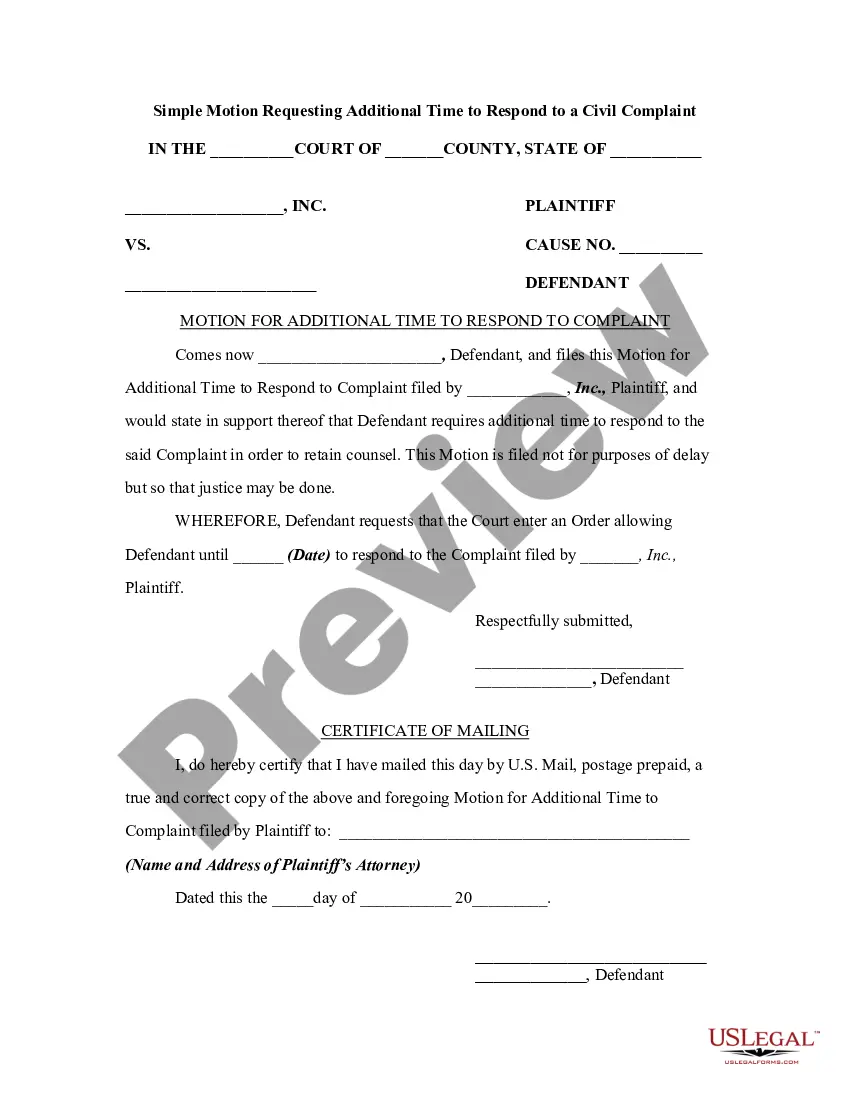
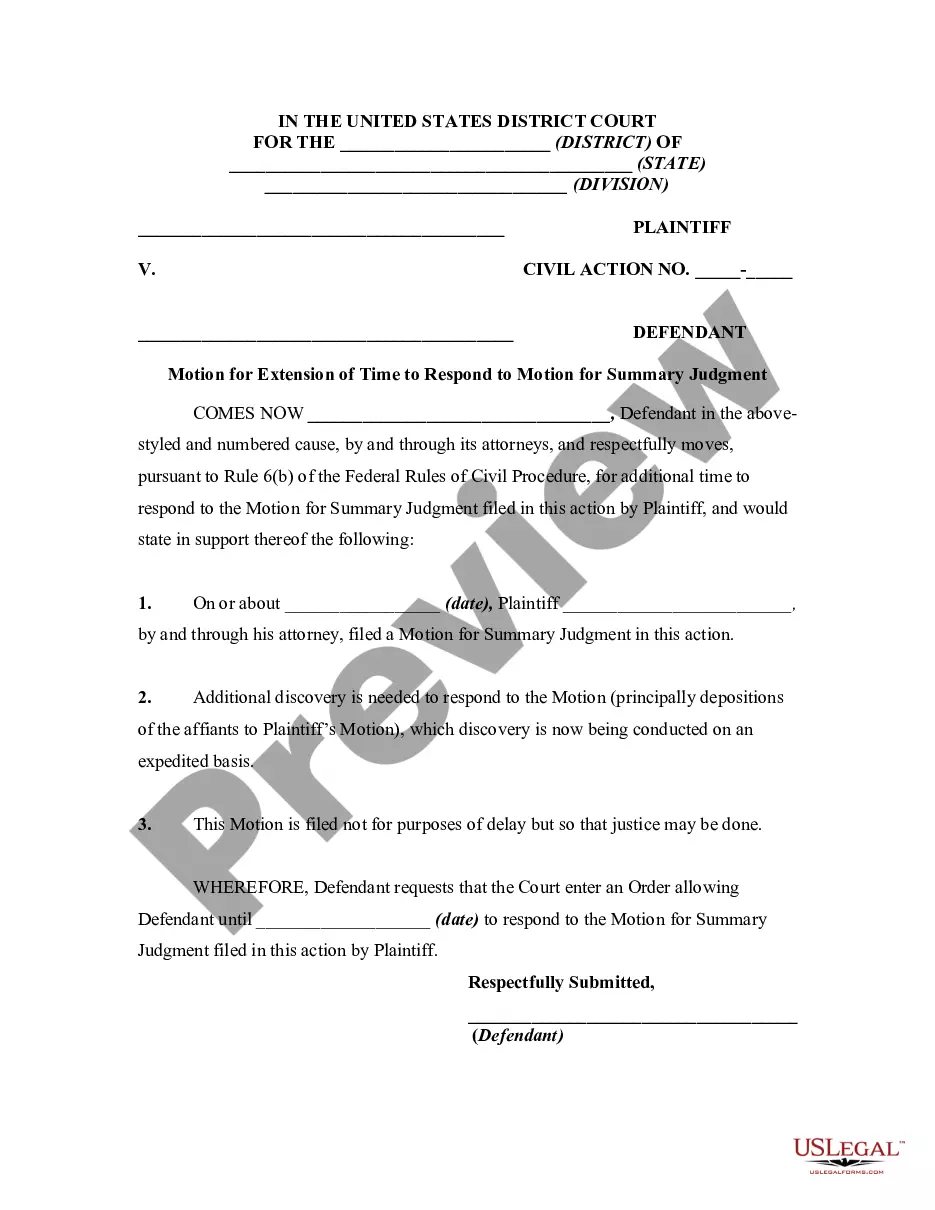
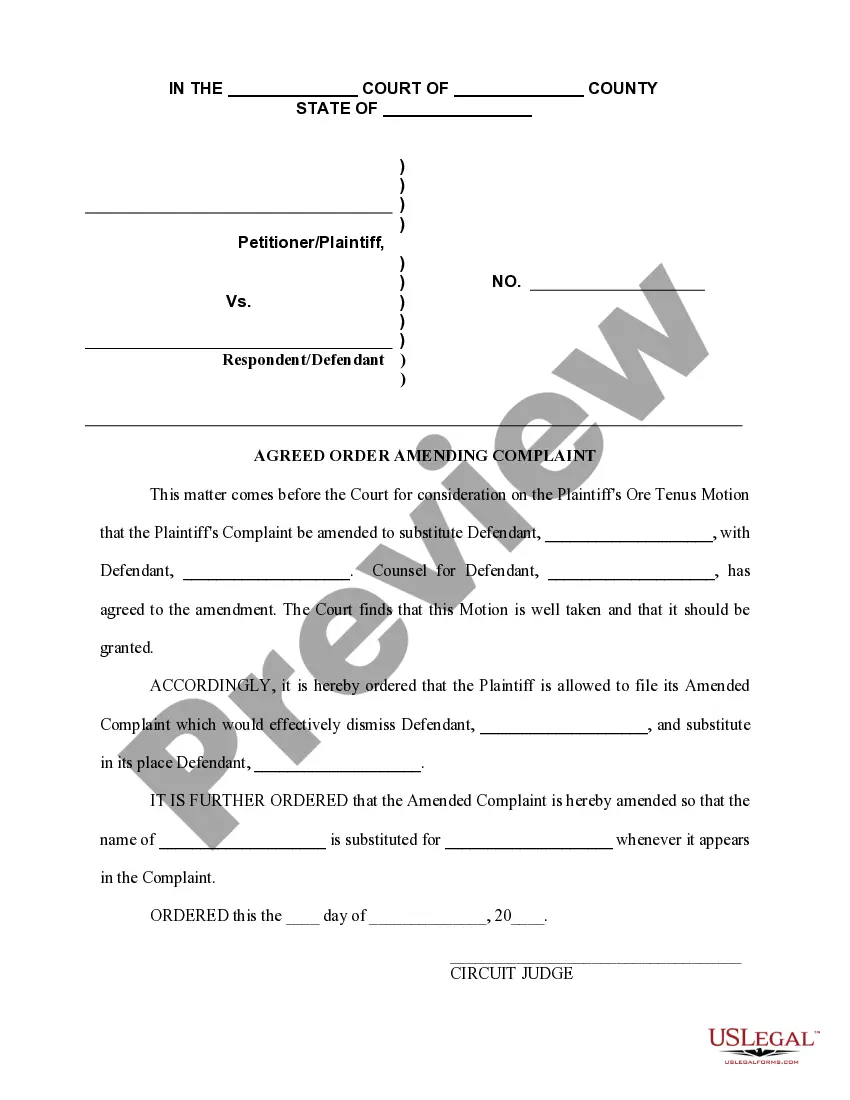
Get your form ready online
Our built-in tools help you complete, sign, share, and store your documents in one place.
Make edits, fill in missing information, and update formatting in US Legal Forms—just like you would in MS Word.
Download a copy, print it, send it by email, or mail it via USPS—whatever works best for your next step.
Sign and collect signatures with our SignNow integration. Send to multiple recipients, set reminders, and more. Go Premium to unlock E-Sign.
If this form requires notarization, complete it online through a secure video call—no need to meet a notary in person or wait for an appointment.
We protect your documents and personal data by following strict security and privacy standards.

Make edits, fill in missing information, and update formatting in US Legal Forms—just like you would in MS Word.

Download a copy, print it, send it by email, or mail it via USPS—whatever works best for your next step.

Sign and collect signatures with our SignNow integration. Send to multiple recipients, set reminders, and more. Go Premium to unlock E-Sign.

If this form requires notarization, complete it online through a secure video call—no need to meet a notary in person or wait for an appointment.

We protect your documents and personal data by following strict security and privacy standards.
Looking for another form?


Form popularity
FAQ
Any material provided to The Florida Bar that is confidential under applicable law will remain confidential and will not be disclosed except as authorized by the applicable law.
If you entered a plea, your ability to appeal is even more circumscribed. Florida Rule of Appellate Procedure 9.140(b)(2) provides that a “defendant may not appeal from a guilty or nolo contendere plea except” in certain circumstances.
If, at the close of the evidence for the state or at the close of all the evidence in the cause, the court is of the opinion that the evidence is insufficient to warrant a conviction, it may, and on the motion of the prosecuting attorney or the defendant shall, enter a judgment of acquittal.
Rule 1.730 - COMPLETION OF MEDIATION (a) No Agreement. If the parties do not reach an agreement as to any matter as a result of mediation, the mediator shall report the lack of an agreement to the court without comment or recommendation.
Rule 3.170(l)(Motion to Withdraw the Plea after Sentencing), provides that a motion to withdraw a plea may be filed within 30 days after rendition of the sentence, on the grounds specified in Florida Rule of Appellate Procedure 9.140(b)(2)(A)(ii)a-e.
The Defense Attorney will set a court date called a plea conference, where the Defense Attorney will approach the Judge and state an intent to enter a plea to the bench. The Judge may then choose to make an offer, or not make an offer and tell the Defense Lawyer that the Defendant will have to “plea blind.”
Plea negotiations often occur after arraignment and discovery and involve discussions between the prosecution and defense about resolving the case through a plea agreement. In a plea agreement, the defendant agrees to plead guilty or no contest to certain charges in exchange for a reduced sentence or other concessions.
Motion to Dismiss. Though either party can file a motion to dismiss if they believe the case should be terminated for legal reasons (e.g., lack of jurisdiction, failure to state a claim), it is typically the defendant who files such a motion. This is not a traditional pleading but can be part of the pre-trial process.
A party attempting to set aside a clerk's default must demonstrate excusable neglect, a meritorious defense, and due diligence in order for the trial court to vacate the default.
On motion and upon such terms as are just, the court may relieve a party or a party's legal representative from a final judgment, decree, order, or proceeding for the following reasons: (1) mistake, inadvertence, surprise, or excusable neglect; (2) newly discovered evidence which by due diligence could not have been ...
