Granting Plea For Religious Liberty In Bexar
Description
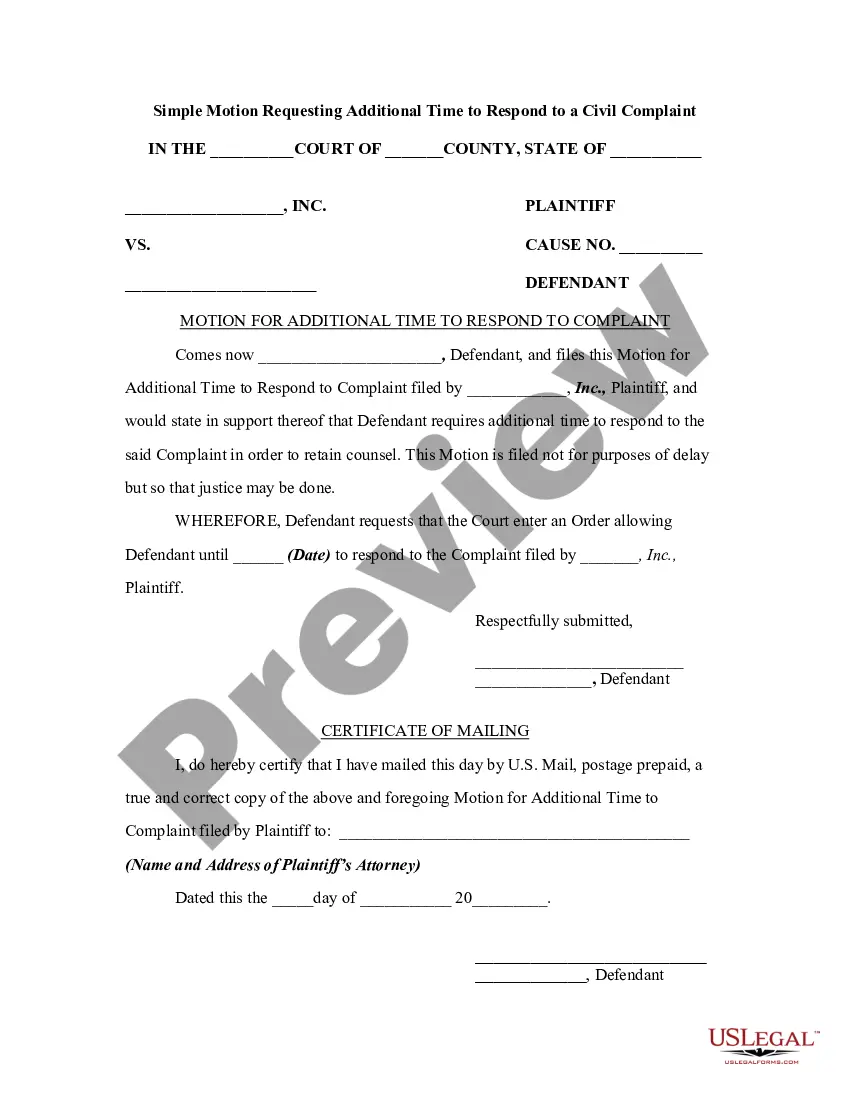
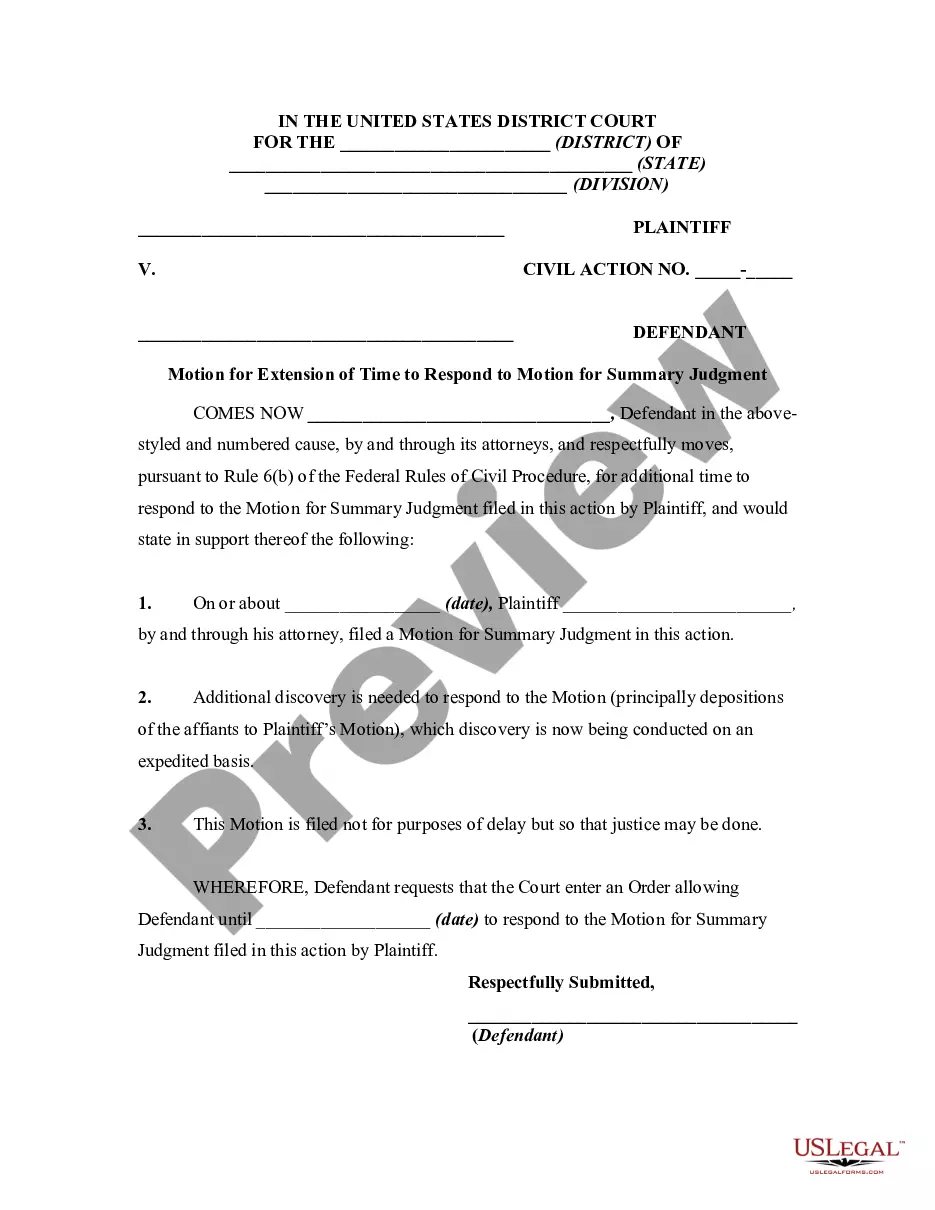
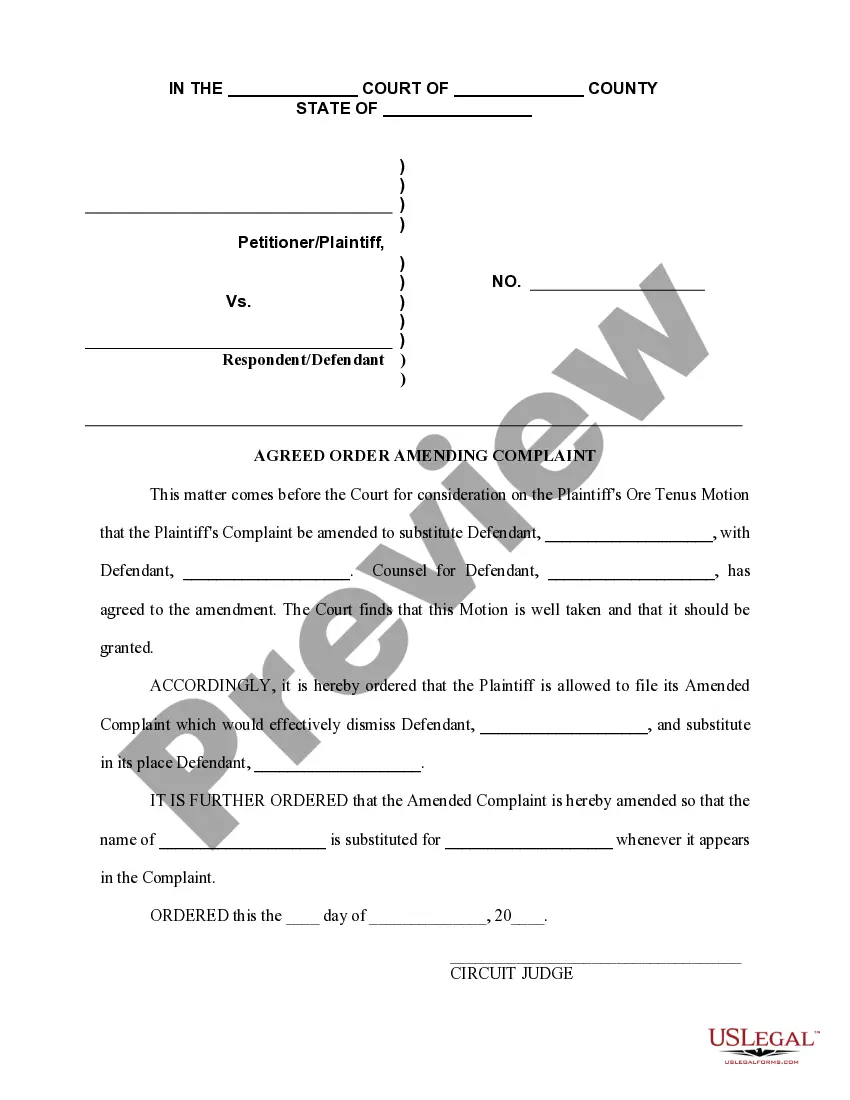
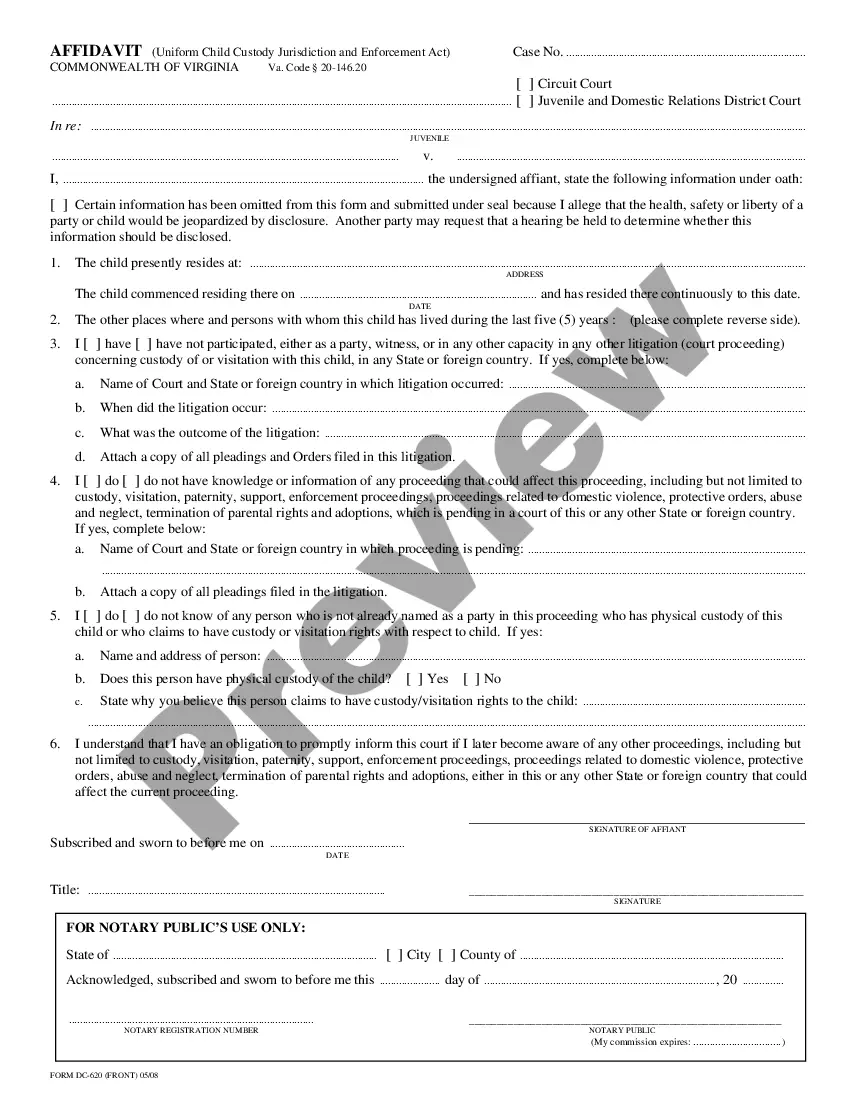
Get your form ready online
Our built-in tools help you complete, sign, share, and store your documents in one place.
Make edits, fill in missing information, and update formatting in US Legal Forms—just like you would in MS Word.
Download a copy, print it, send it by email, or mail it via USPS—whatever works best for your next step.
Sign and collect signatures with our SignNow integration. Send to multiple recipients, set reminders, and more. Go Premium to unlock E-Sign.
If this form requires notarization, complete it online through a secure video call—no need to meet a notary in person or wait for an appointment.
We protect your documents and personal data by following strict security and privacy standards.

Make edits, fill in missing information, and update formatting in US Legal Forms—just like you would in MS Word.

Download a copy, print it, send it by email, or mail it via USPS—whatever works best for your next step.

Sign and collect signatures with our SignNow integration. Send to multiple recipients, set reminders, and more. Go Premium to unlock E-Sign.

If this form requires notarization, complete it online through a secure video call—no need to meet a notary in person or wait for an appointment.

We protect your documents and personal data by following strict security and privacy standards.
Looking for another form?






Form popularity
FAQ
Freedom of Religion, and The 1st and 14th Amendment It also means that the government will not interfere with a person's beliefs. The 14th amendment simply extends that protection out to state governments, holding them to the same standards as the federal government.
States can only limit manifestations of one's religion or belief, but never can place limits on holding beliefs. Manifestations of FoRB that can be limited by states extend to (1) worship, (2) observance, (3) practice, and (4) teaching, which encompass a broad range of acts.
Religious freedom is a fundamental American value, so fundamental that it is protected by the First Amendment to our nation's Constitution. And historically, religious exemptions have protected the tried-and-true American values of freedom of belief, worship and religious exercise.
In City of Boerne v. Flores (1997), the Court struck down the provisions of the RFRA as they applied to the states. RFRA remains constitutional on the federal level.
The Texas Religious Freedom and Restoration Act, or RFRA, prohibits government from infringing on religion. The law allows individuals to challenge laws that "substantially" burden their practice of religion.
A defendant may challenge subject matter jurisdiction by filing what is known as a "plea to the jurisdiction." A plea to the jurisdiction seeks dismissal of the case on the ground that the court lacks subject matter jurisdiction over the action.
Adventists see religious liberty as an essential human right. After all, God endowed humanity with freedom of choice from the very beginning. So we believe it's best for governments to also support their citizens' rights to worship based on their convictions.
Our constitutional law of religious liberty is a riot of principles: principles of freedom of conscience, neutrality, separation of church and state, and others. To resolve concrete disputes, we must identify what those principles are and how they could ever jointly deliver singular answers to constitutional questions.
Religious liberty is enshrined in the text of our Constitution and in numerous federal statutes. It encompasses the right of all Americans to exercise their religion freely, without being coerced to join an established church or to satisfy a religious test as a qualification for public office.
Religious liberty is enshrined in the text of our Constitution and in numerous federal statutes. It encompasses the right of all Americans to exercise their religion freely, without being coerced to join an established church or to satisfy a religious test as a qualification for public office.
