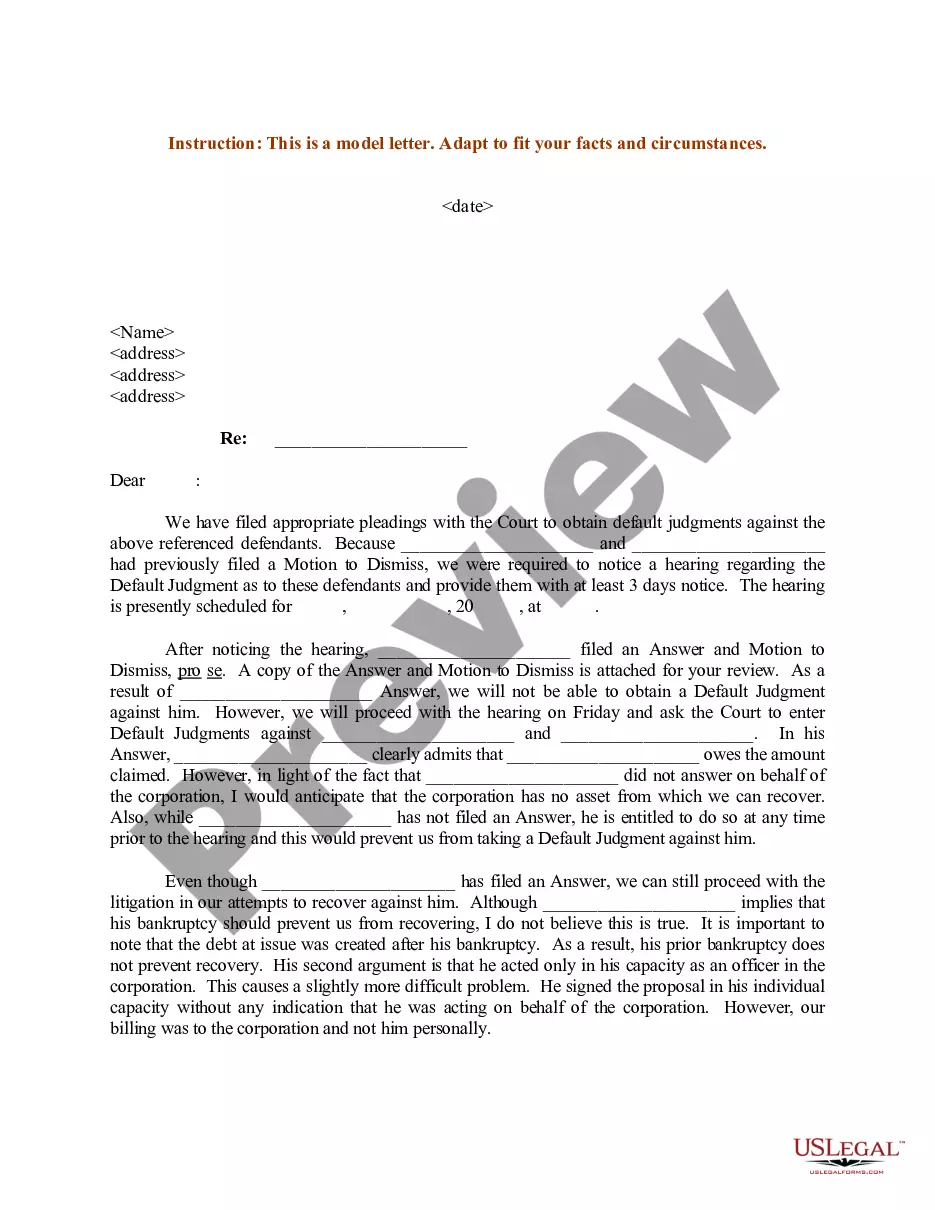
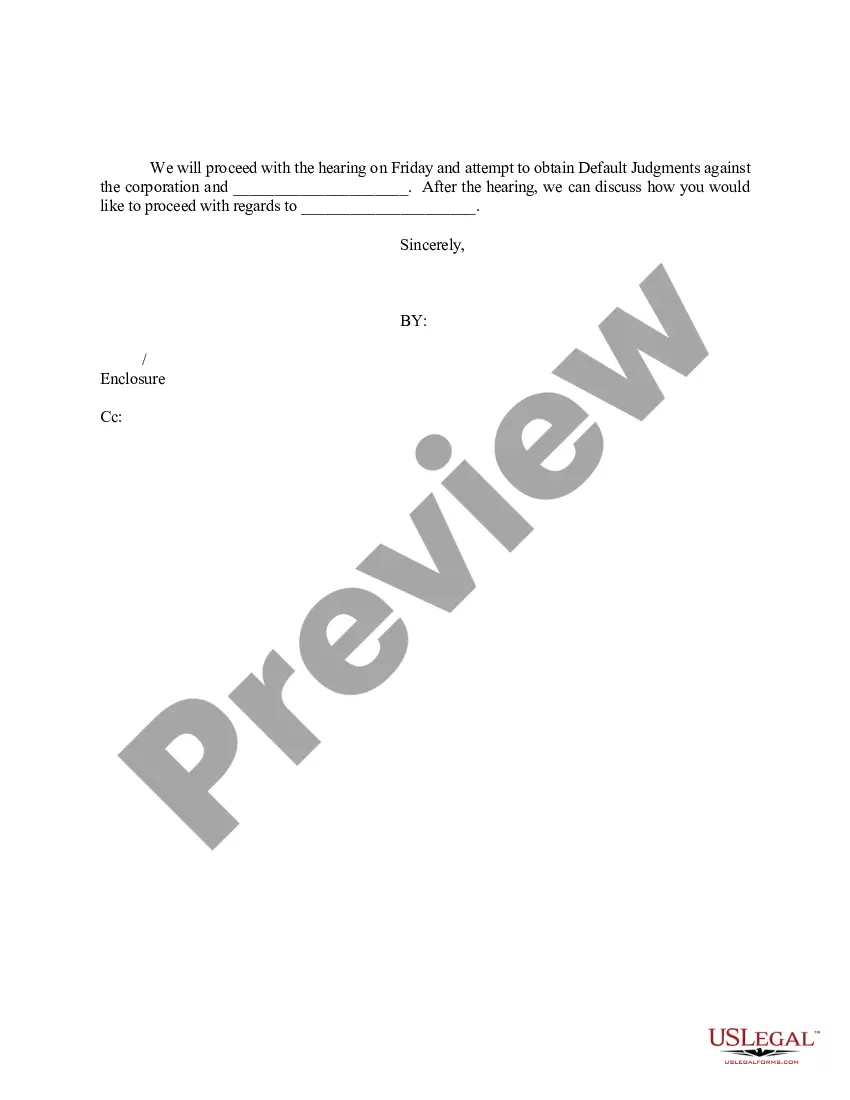
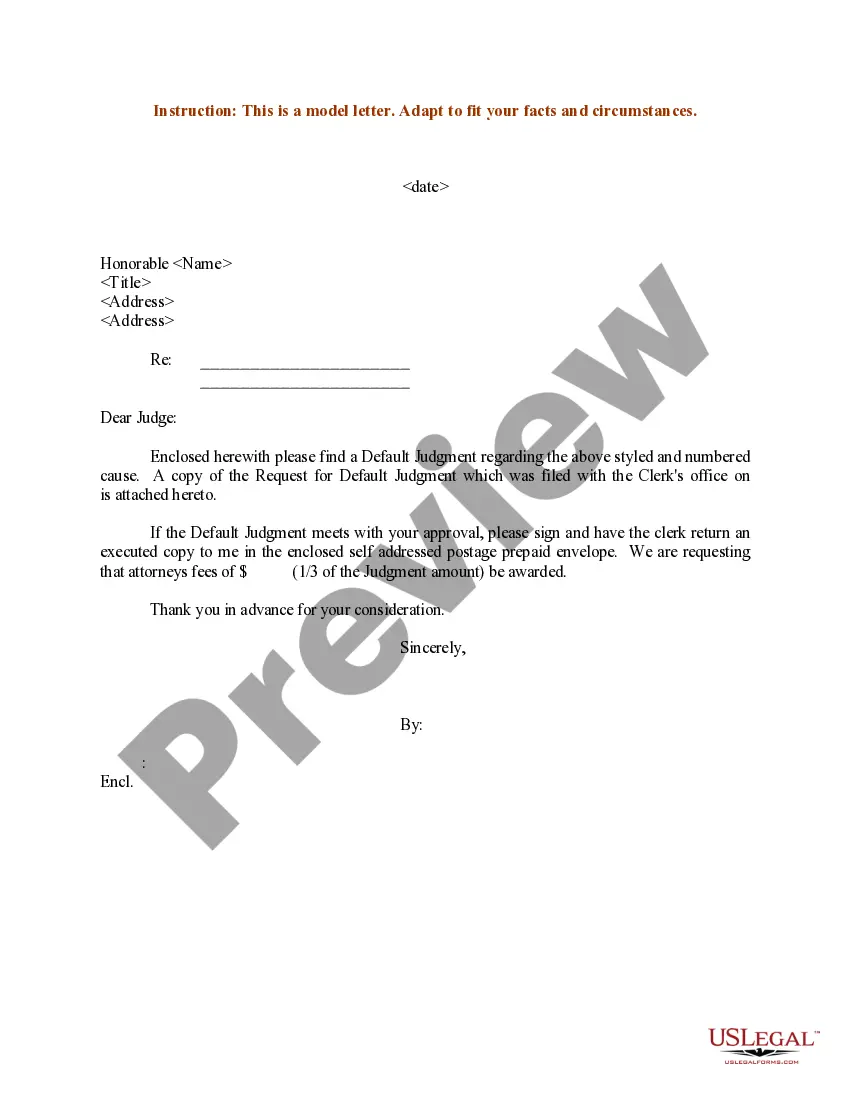
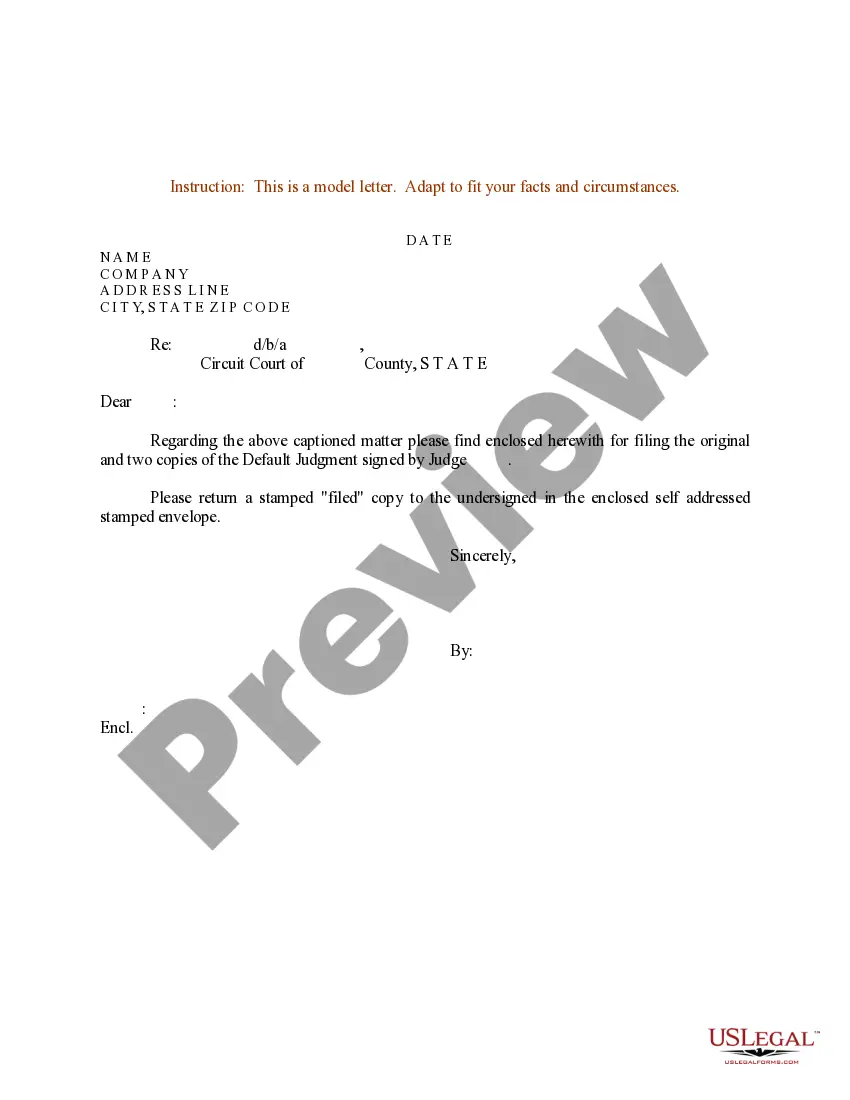
Letter Requesting Motion To Vacate Order Of Default Without Notice In Queens
Description
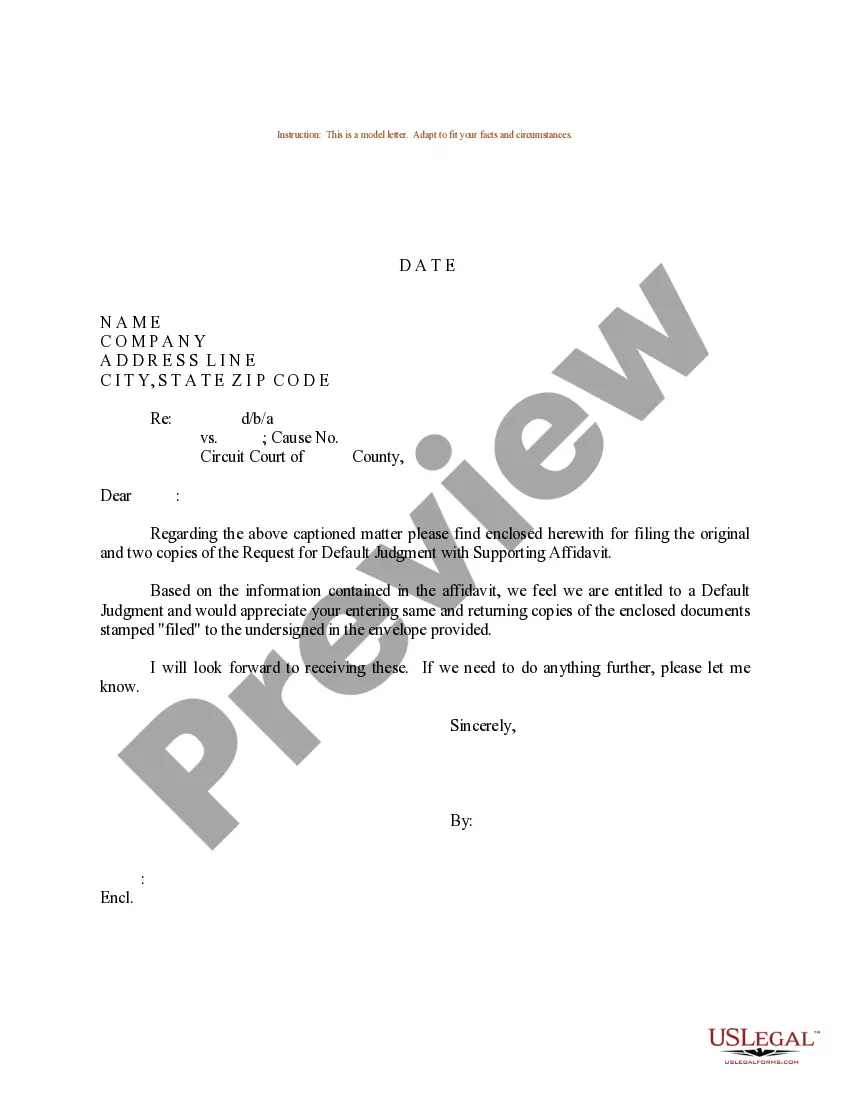
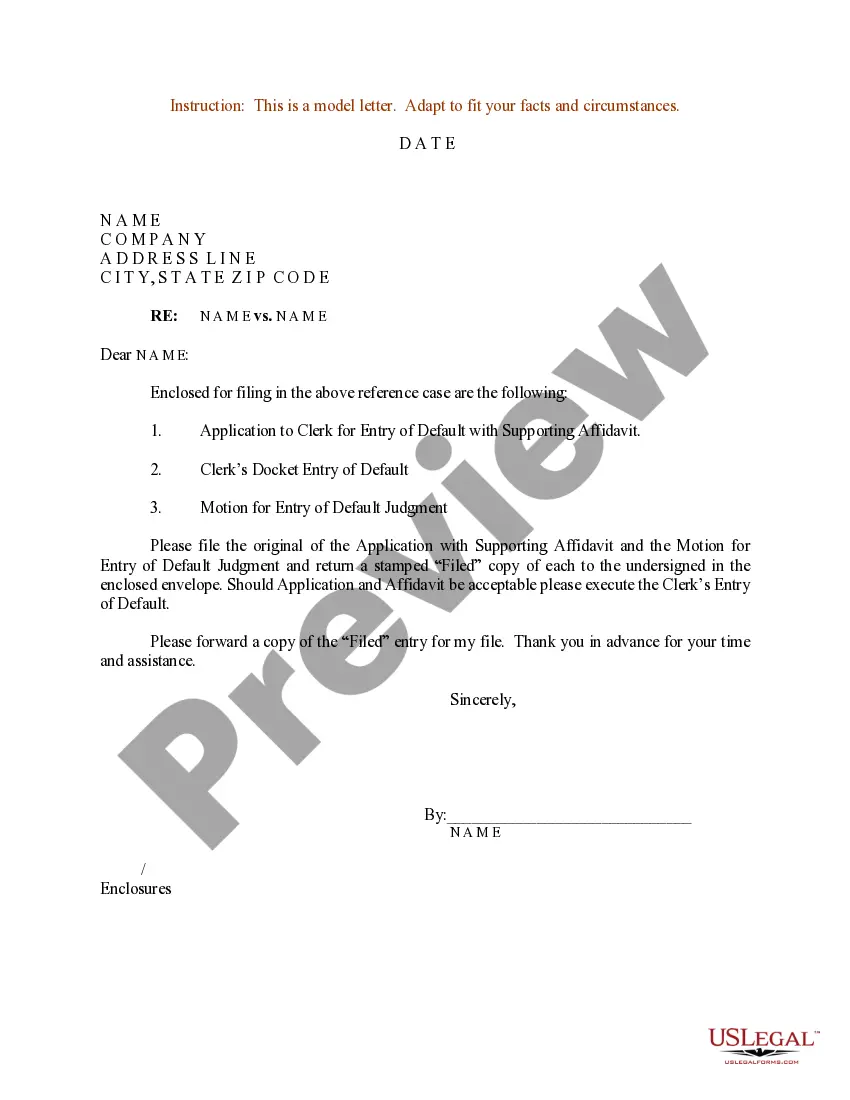
Get your form ready online
Our built-in tools help you complete, sign, share, and store your documents in one place.
Make edits, fill in missing information, and update formatting in US Legal Forms—just like you would in MS Word.
Download a copy, print it, send it by email, or mail it via USPS—whatever works best for your next step.
Sign and collect signatures with our SignNow integration. Send to multiple recipients, set reminders, and more. Go Premium to unlock E-Sign.
If this form requires notarization, complete it online through a secure video call—no need to meet a notary in person or wait for an appointment.
We protect your documents and personal data by following strict security and privacy standards.

Make edits, fill in missing information, and update formatting in US Legal Forms—just like you would in MS Word.

Download a copy, print it, send it by email, or mail it via USPS—whatever works best for your next step.

Sign and collect signatures with our SignNow integration. Send to multiple recipients, set reminders, and more. Go Premium to unlock E-Sign.

If this form requires notarization, complete it online through a secure video call—no need to meet a notary in person or wait for an appointment.

We protect your documents and personal data by following strict security and privacy standards.
Looking for another form?



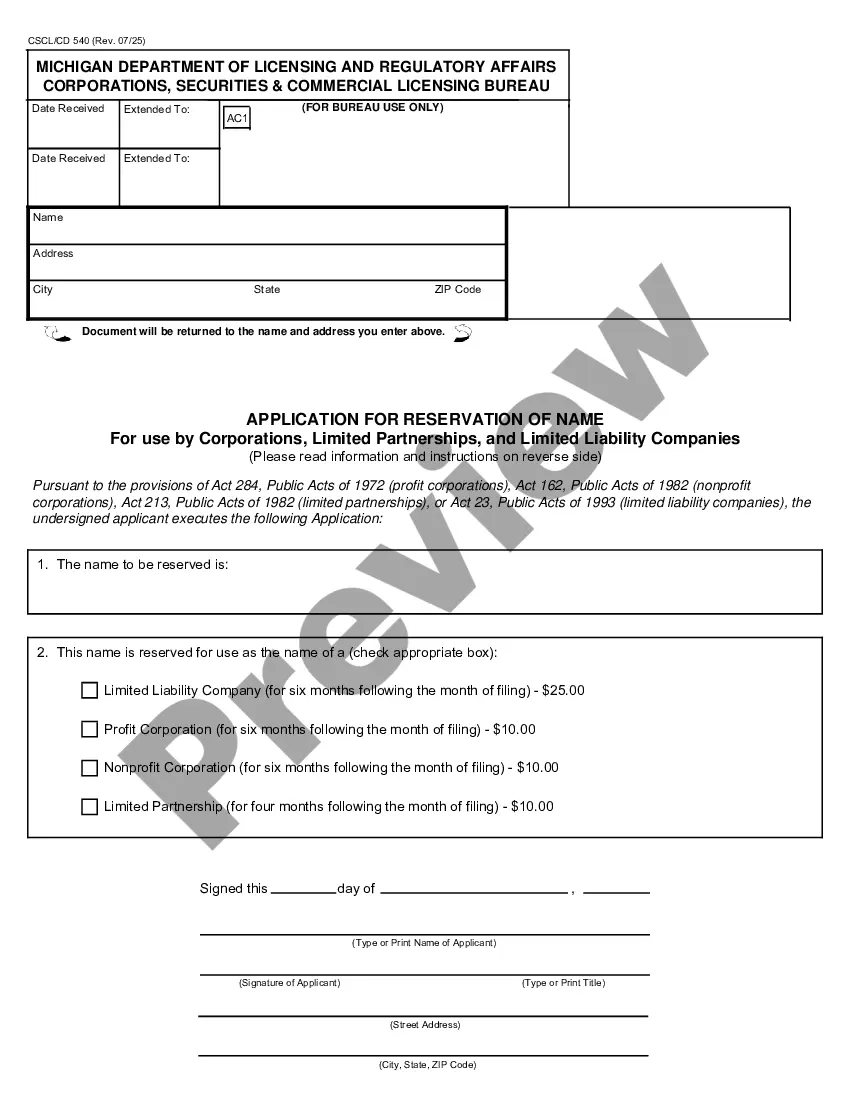





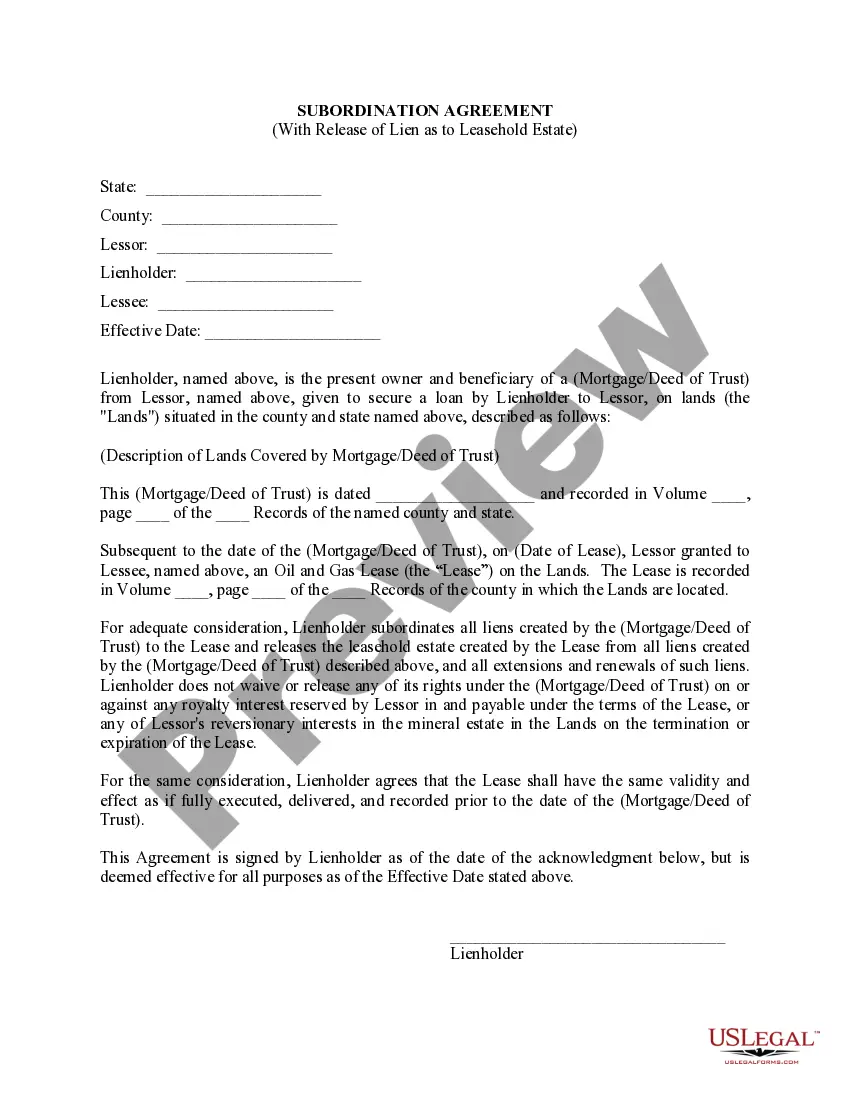
Form popularity
FAQ
New York law (CPLR § 5015) allows you to file a motion to vacate a judgment. This means you can ask the court to set aside the judgment and give you another chance to defend yourself. Several grounds for vacating a judgment include excusable neglect, lack of personal jurisdiction, and meritorious defenses.
To vacate a default, your motion papers must show a good reason or excuse for your default and that your claims or defenses have legal merit. Whenever a motion is to be brought, the person filing the motion is called the moving party or the movant.
Default Judgments If the defendant/respondent does not answer in time or make a motion, the plaintiff (or petitioner) can ask the court for a default judgment. A default judgment can give the plaintiff what they want because the defendant failed to respond or tell their side of the story.
To stop the entry of a default or default judgment before it is entered, one generally has to file something in court. This can be an Answer, a Motion to Extend Time, a Motion to Quash Service of Process, or perhaps others. A motion will likely interrupt entry of a default, but a motion is merely a request.
At the hearing, the judge will decide to grant or deny the motion. If the judge grants your motion, the default or a default judgment will be set aside, and the case will move forward.
A motion for judgment as a matter of law asks the court to enter a judgment based on the conclusion that no reasonable jury could reach a different conclusion. The motion is made before the case is submitted to the jury but after a party has been fully heard on the issue.
If the defendant has a valid reason for not responding, such as never being notified, they may file a motion asking the judge to set aside the default judgment. This is also called a motion for relief from default or a motion to vacate judgment.
To vacate a default, your motion papers must show a good reason or excuse for your default and that your claims or defenses have legal merit. Whenever a motion is to be brought, the person filing the motion is called the moving party or the movant.
On application a default judgment where the plaintiff has agreed in writing can be rescinded or varied. “On application” means that the applicant needs to serve on the plaintiff a copy of the application and file with the clerk of the court the application.
An appeal asks a higher court to change the decision made by a lower court. A Motion to Vacate asks the same court to cancel its decision, as if the case never happened.
