Default Prove Up Hearing With Motion In Pima
Description

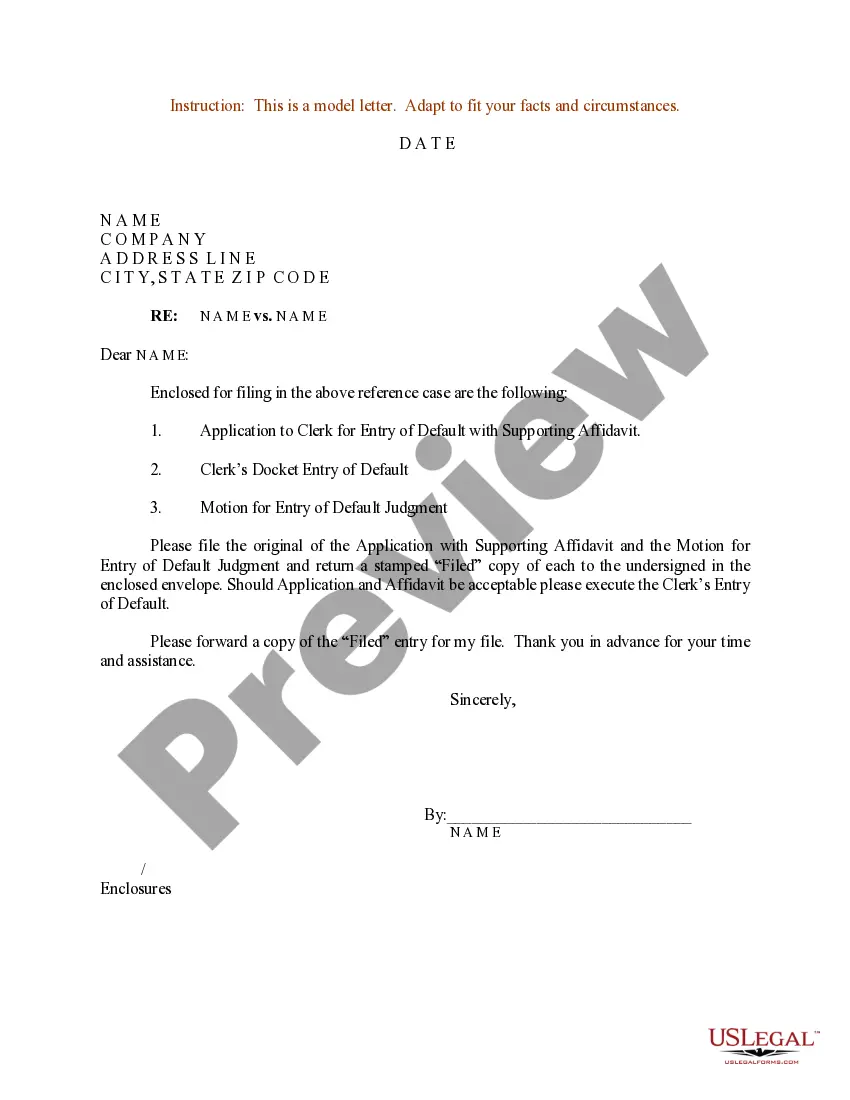
Get your form ready online
Our built-in tools help you complete, sign, share, and store your documents in one place.
Make edits, fill in missing information, and update formatting in US Legal Forms—just like you would in MS Word.
Download a copy, print it, send it by email, or mail it via USPS—whatever works best for your next step.
Sign and collect signatures with our SignNow integration. Send to multiple recipients, set reminders, and more. Go Premium to unlock E-Sign.
If this form requires notarization, complete it online through a secure video call—no need to meet a notary in person or wait for an appointment.
We protect your documents and personal data by following strict security and privacy standards.

Make edits, fill in missing information, and update formatting in US Legal Forms—just like you would in MS Word.

Download a copy, print it, send it by email, or mail it via USPS—whatever works best for your next step.

Sign and collect signatures with our SignNow integration. Send to multiple recipients, set reminders, and more. Go Premium to unlock E-Sign.

If this form requires notarization, complete it online through a secure video call—no need to meet a notary in person or wait for an appointment.

We protect your documents and personal data by following strict security and privacy standards.
Looking for another form?







Form popularity
FAQ
Allowing a default judgment to be entered against should be avoided at all costs. Once a default judgment is issued, serious consequences can unfold quickly—often without any further opportunity for you to present a defense. Also, fighting to strike or open a default judgment always makes your case more expensive.
Once a Default Judgment is issued, it has the same legal impact as if there had been a hearing on the merits of the case. A Default Hearing may also be held if the Judge has some additional questions about the case or if it is requested by a party. JCRCP 140(f).
A default prove up hearing occurs when the defendant has failed to respond to the plaintiff's complaint within the specified time frame. As a result, the defendant is considered to be in default, and the hearing is held to determine the appropriate judgment in favor of the plaintiff.
Generally speaking, in a default hearing, you will get everything that you asked for that is allowable under the law. When the other side chooses not to respond, the court has the discretion to award relief on every issue that you requested. Keep in mind that they cannot give you something that the law does not allow.
This means that you do not file any response by the deadline. The Plaintiff then can ask the judge to decide the case without your input. This is called a default or a default judgment. Get help if you have a default but didn't want one.
Default Hearing Process: During the default hearing, the petitioner presents their case, providing evidence to support their claims. The judge evaluates the evidence and considers the petitioner's arguments.
A default hearing is scheduled when you want a divorce, other judgment or order of the Court when the opposing side does not respond in writing to your petition or motion. A default hearing cannot be set for at least 61 days after the date the petition (and other documents) were served on the Respondent.
