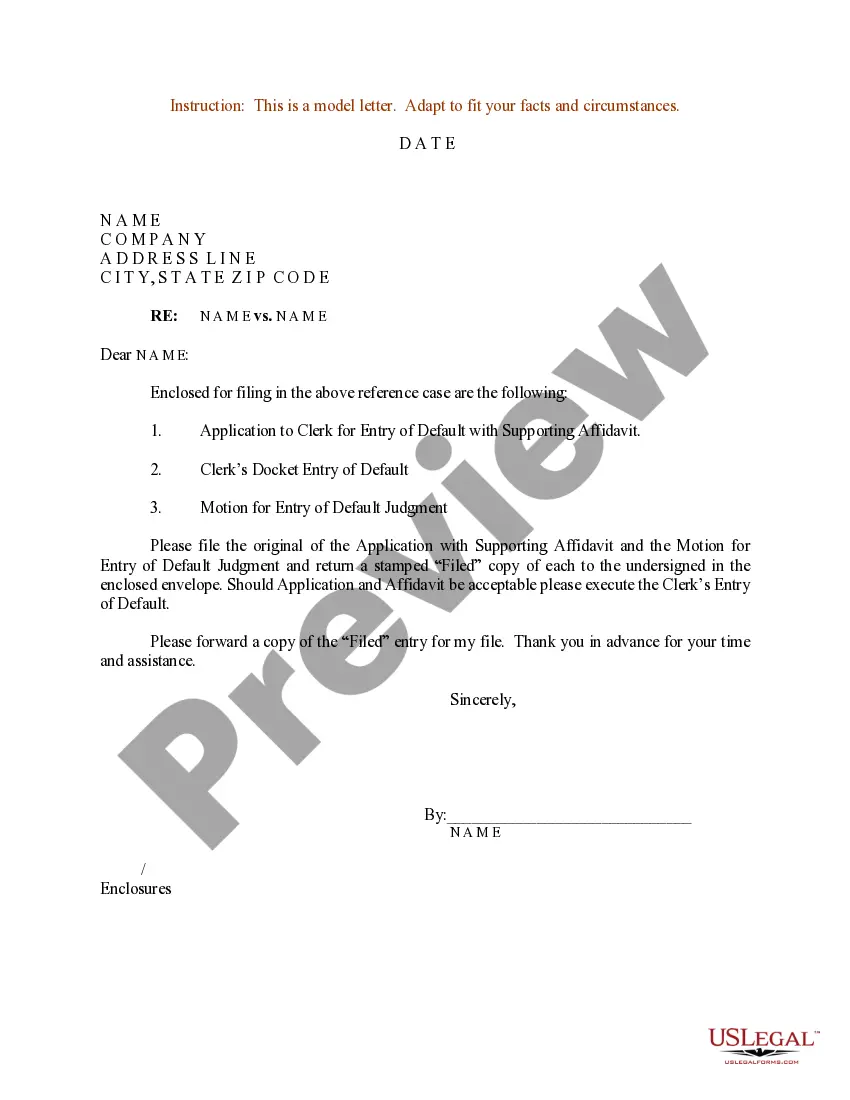
Letter Requesting Motion To Vacate Order Of Default Form In Orange
Description

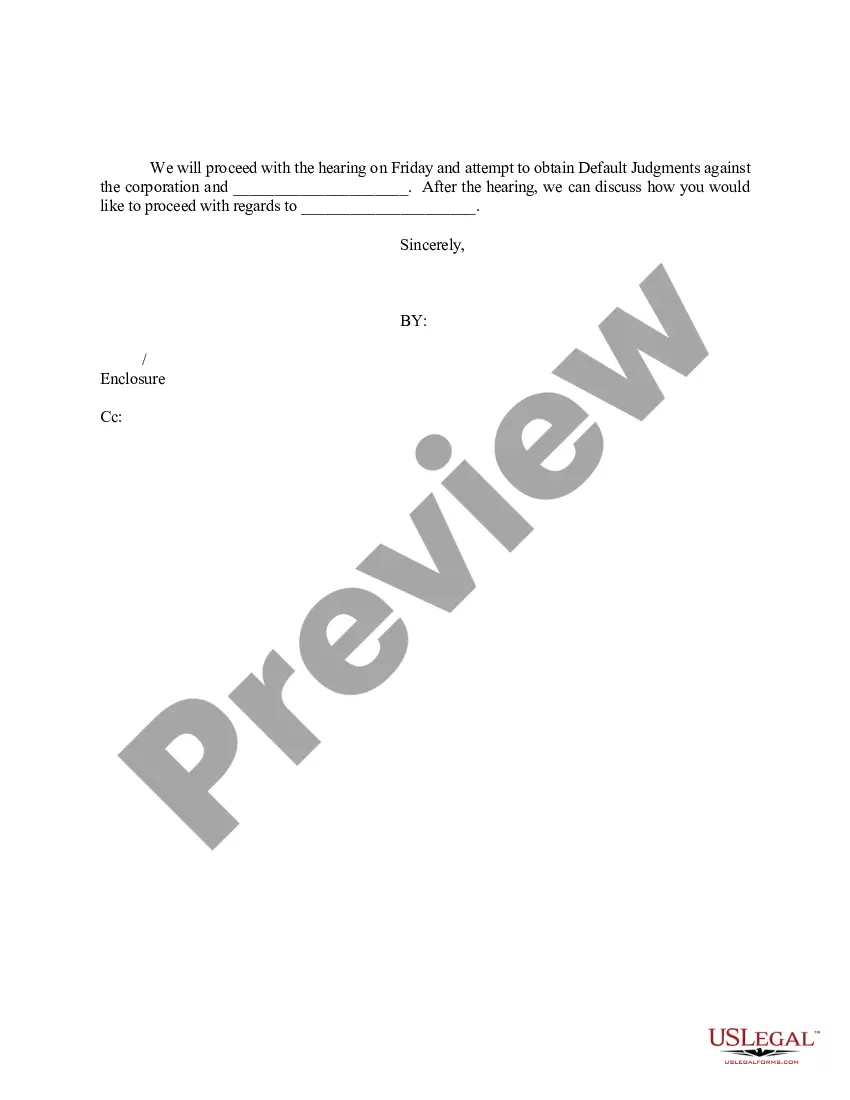
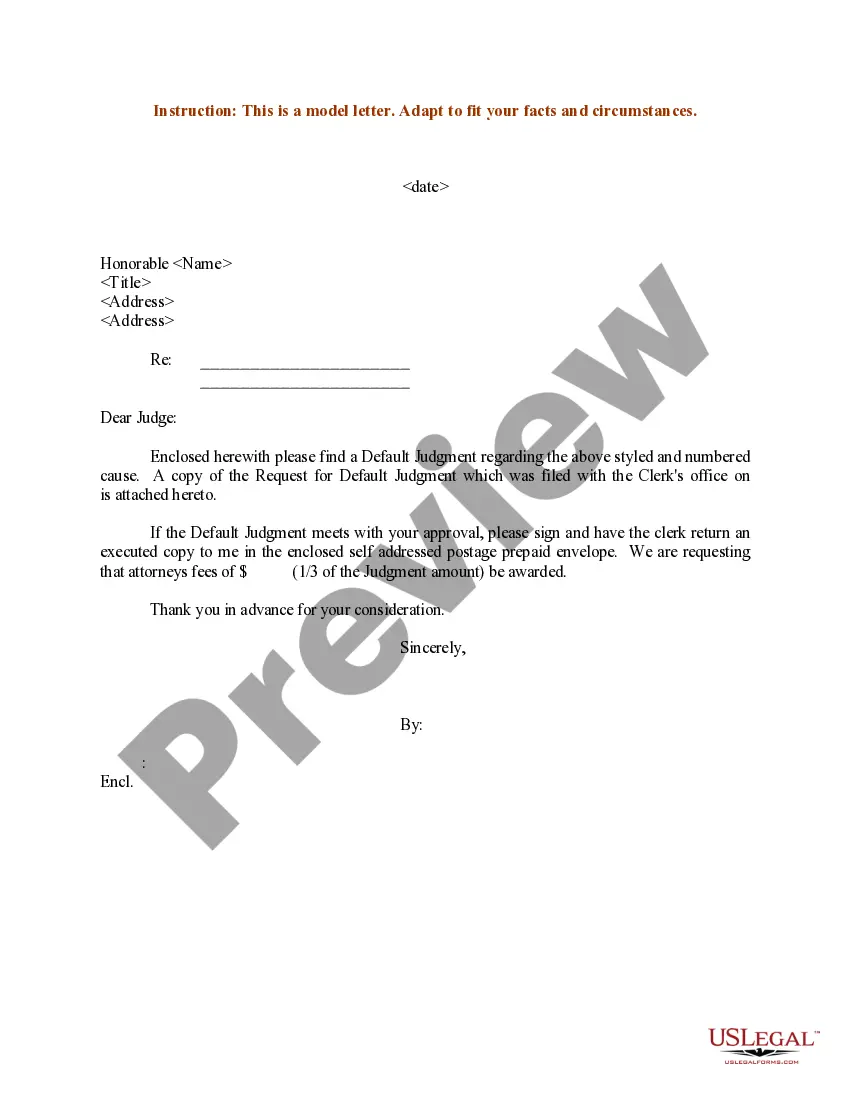
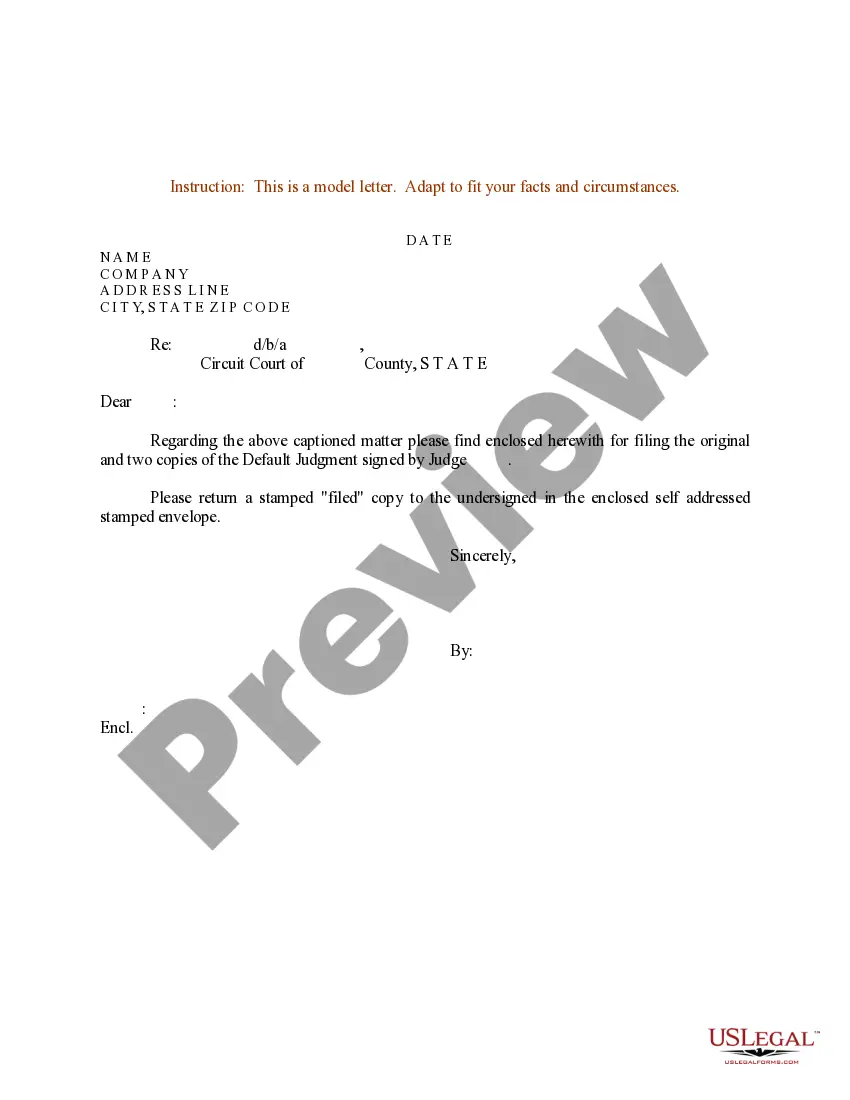
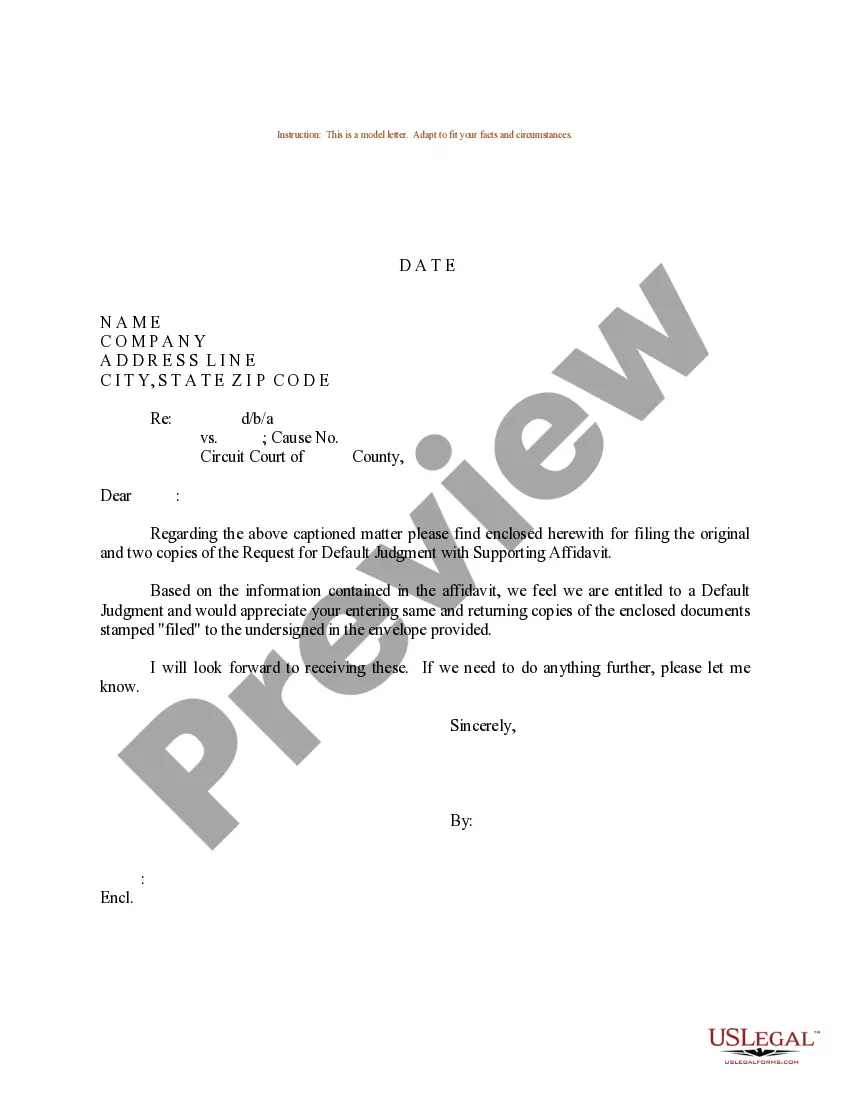
Get your form ready online
Our built-in tools help you complete, sign, share, and store your documents in one place.
Make edits, fill in missing information, and update formatting in US Legal Forms—just like you would in MS Word.
Download a copy, print it, send it by email, or mail it via USPS—whatever works best for your next step.
Sign and collect signatures with our SignNow integration. Send to multiple recipients, set reminders, and more. Go Premium to unlock E-Sign.
If this form requires notarization, complete it online through a secure video call—no need to meet a notary in person or wait for an appointment.
We protect your documents and personal data by following strict security and privacy standards.

Make edits, fill in missing information, and update formatting in US Legal Forms—just like you would in MS Word.

Download a copy, print it, send it by email, or mail it via USPS—whatever works best for your next step.

Sign and collect signatures with our SignNow integration. Send to multiple recipients, set reminders, and more. Go Premium to unlock E-Sign.

If this form requires notarization, complete it online through a secure video call—no need to meet a notary in person or wait for an appointment.

We protect your documents and personal data by following strict security and privacy standards.
Looking for another form?









Form popularity
FAQ
After a default judgment has been entered in the court record, the Office of the Special Civil Part will mail you a postcard that shows the date and amount of the judgment entered by the court against the defendant.
This Note explains who may file a motion to dismiss, when they may file the motion, and the available defenses (grounds) to assert, including lack of subject matter or personal jurisdiction, insufficient process or service of process, failure to state a claim on which relief may be granted, and failure to join a ...
(g) Request for entry of default If a responsive pleading is not served within the time limits specified in this rule and no extension of time has been granted, the plaintiff must file a request for entry of default within 10 days after the time for service has elapsed.
To set aside a default judgment, the defendant must demonstrate that its failure to answer or otherwise appear and defend was due to excusable neglect under the circumstances and that it has a meritorious defense either to the cause of action itself or the quantum of damages assessed.
This form is used to ask the court to correct or cancel a small claims judgment. You must file this form no later than 30 days after the clerk mailed Form SC-130, Notice of Entry of Judgment. Filing this form does not extend the deadline to file an appeal.
If you do not think the default judgment was appropriately entered against you, you must file a motion with the court asking the judge to “set aside” (void or nullify) the judgment. If the judge grants your motion, the case starts back up again.
In civil and criminal legal proceedings , vacate means to set aside or annul a previous judgment or order . Vacate is also used in property law to indicate the surrender or leaving of the premises . For examples of its usage, refer to Sears v. Upton (pertaining to a judgment) and Thorpe v.
If you don't file an Answer or you miss a court date, the party suing you will ask the court for a default judgment against you. You can ask the court to vacate (undo) the default judgment. If the judgment is vacated and the case is put back on the court's calendar and the case will continue.
The defendant may be eligible for a new trial or even released from prison similarly. If a civilMoreThe defendant may be eligible for a new trial or even released from prison similarly. If a civil judgment is vacated the parties may need to go back to court to resolve the matter. Again.
For that purpose the judgment debtor should approach the plaintiff/judgment creditor or his/her/its attorney to obtain the written consent to rescission of judgment. There is however no requirement in law that obliges a plaintiff/judgment creditor to give a consent to rescission of judgment.