Default Prove Up Hearing With California In Los Angeles
Description
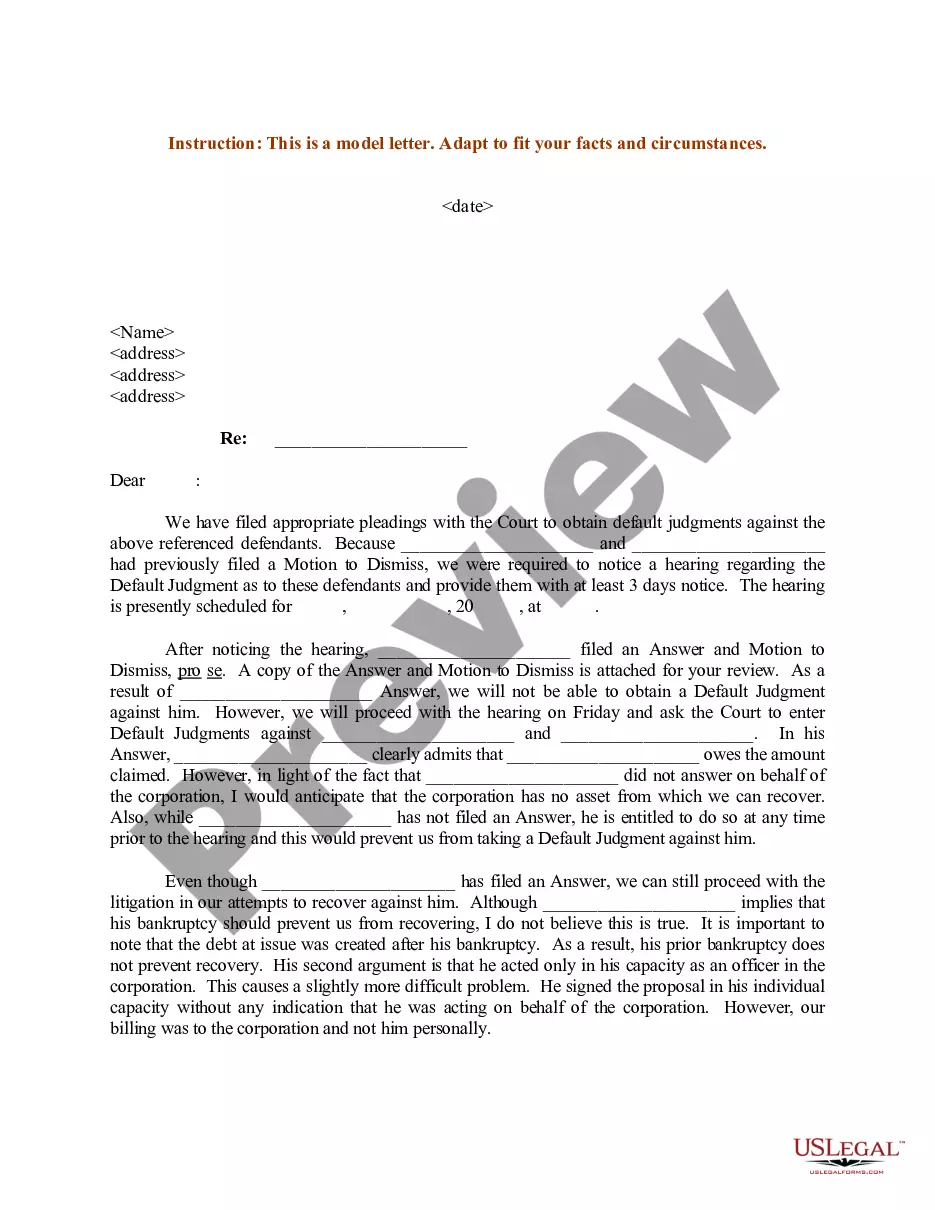
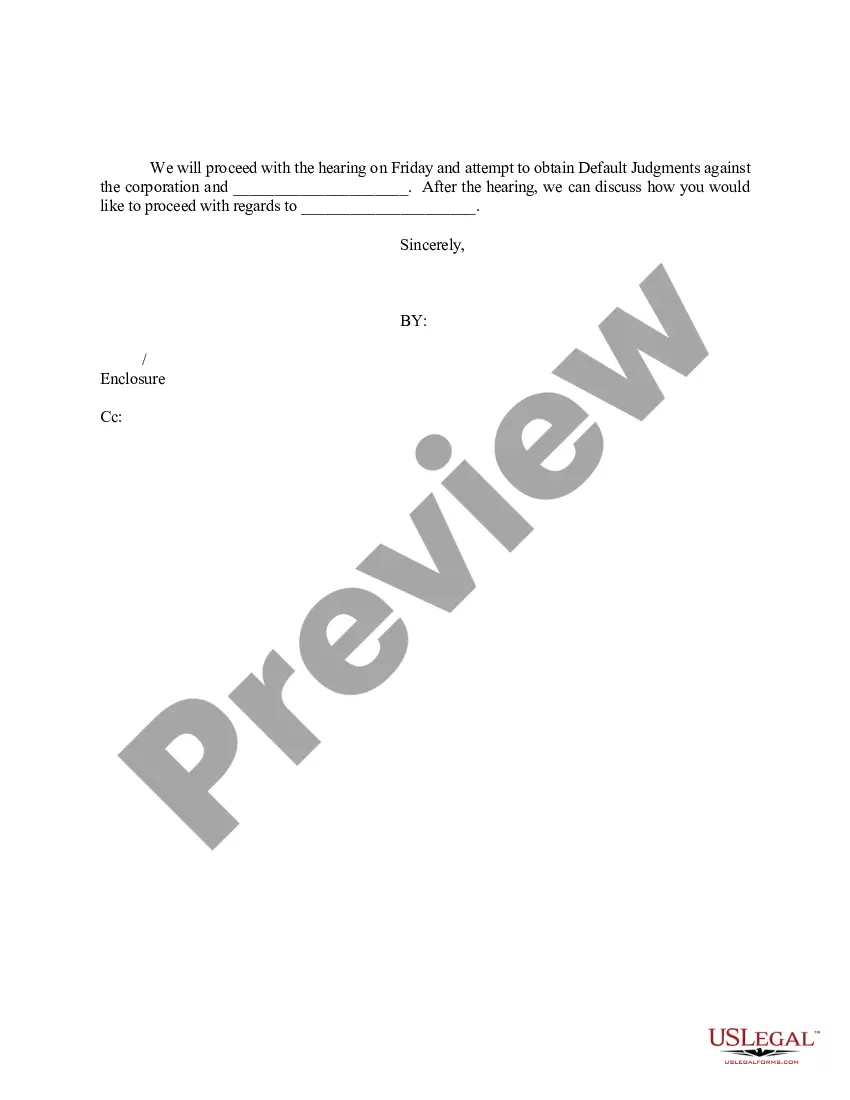
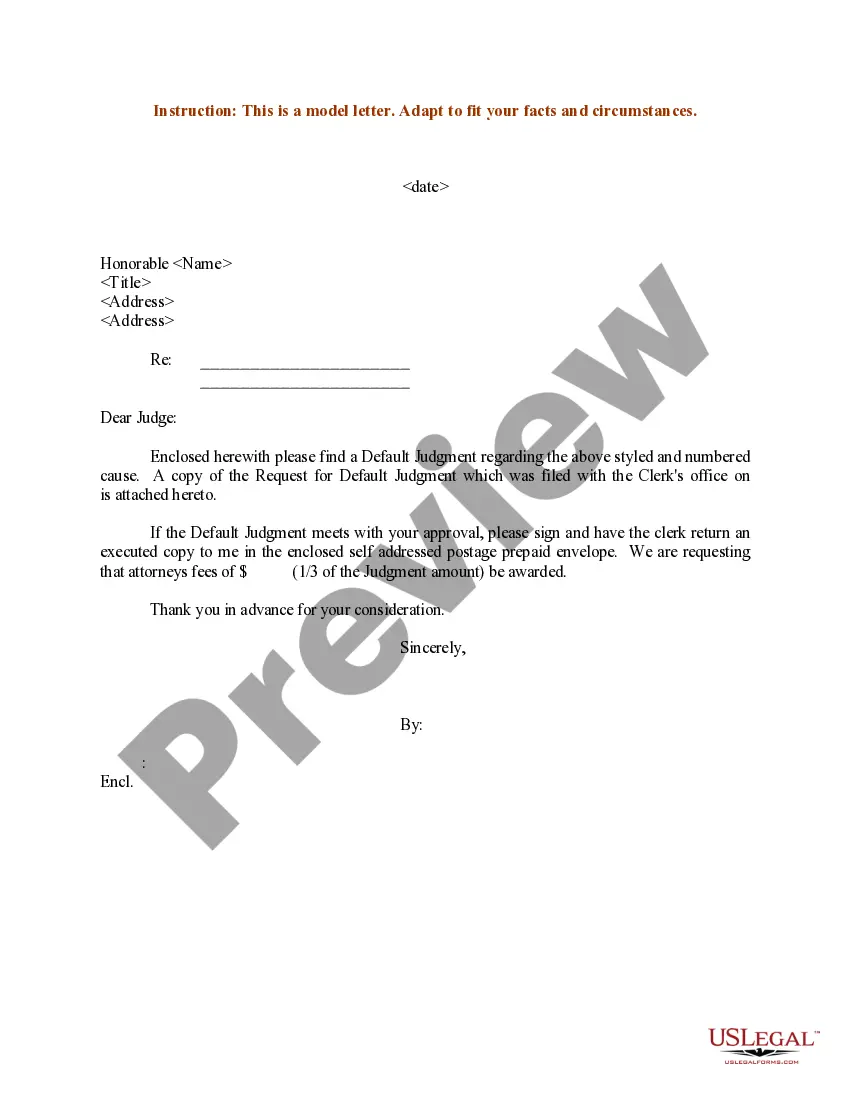
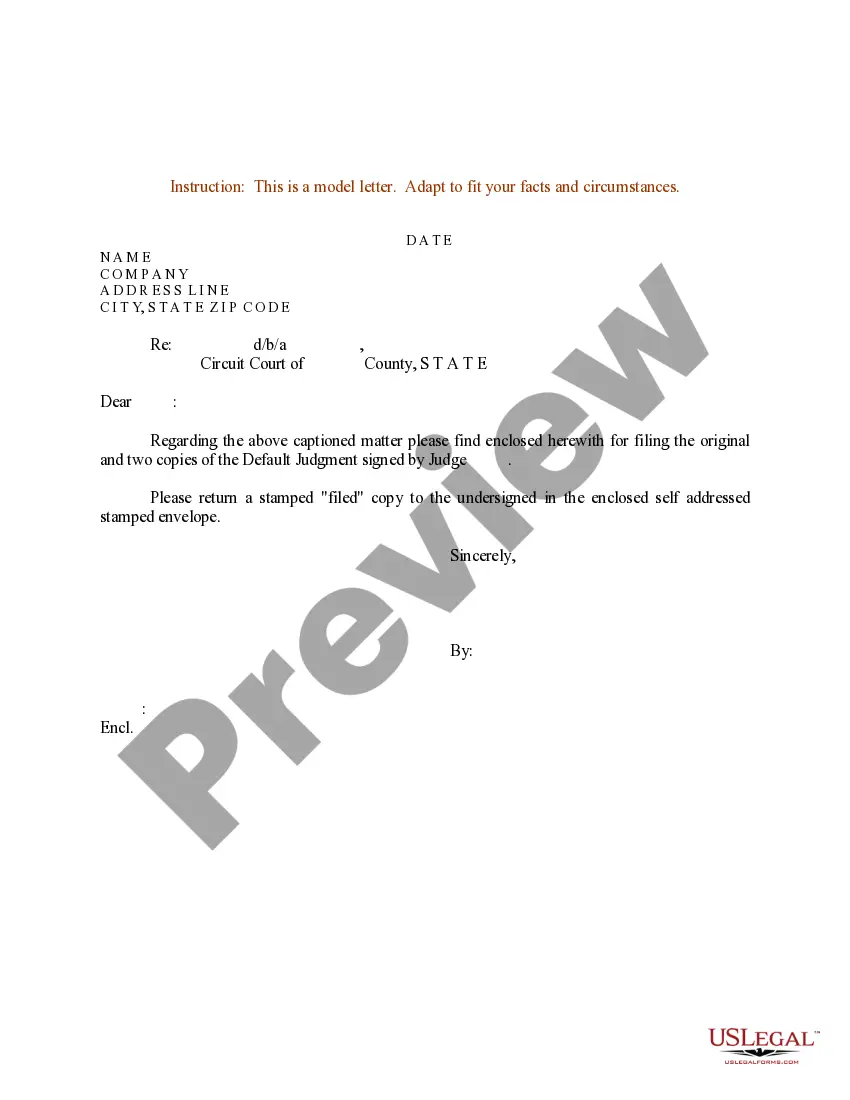
Get your form ready online
Our built-in tools help you complete, sign, share, and store your documents in one place.
Make edits, fill in missing information, and update formatting in US Legal Forms—just like you would in MS Word.
Download a copy, print it, send it by email, or mail it via USPS—whatever works best for your next step.
Sign and collect signatures with our SignNow integration. Send to multiple recipients, set reminders, and more. Go Premium to unlock E-Sign.
If this form requires notarization, complete it online through a secure video call—no need to meet a notary in person or wait for an appointment.
We protect your documents and personal data by following strict security and privacy standards.

Make edits, fill in missing information, and update formatting in US Legal Forms—just like you would in MS Word.

Download a copy, print it, send it by email, or mail it via USPS—whatever works best for your next step.

Sign and collect signatures with our SignNow integration. Send to multiple recipients, set reminders, and more. Go Premium to unlock E-Sign.

If this form requires notarization, complete it online through a secure video call—no need to meet a notary in person or wait for an appointment.

We protect your documents and personal data by following strict security and privacy standards.
Looking for another form?









Form popularity
FAQ
Judgment: During the default hearing, the petitioner presents their case, providing evidence to support their claims. The judge evaluates the evidence and considers the petitioner's arguments.
A prove up hearing is necessary to finalize the divorce in a default case. It serves as a means for the court to review the submitted judgment and ensure that all legal requirements have been met.
To stop the entry of a default or default judgment before it is entered, one generally has to file something in court. This can be an Answer, a Motion to Extend Time, a Motion to Quash Service of Process, or perhaps others. A motion will likely interrupt entry of a default, but a motion is merely a request.
Judgment: During the default hearing, the petitioner presents their case, providing evidence to support their claims. The judge evaluates the evidence and considers the petitioner's arguments.
California Rule of Court 5.125 requires that the prevailing party provide the other party with a copy of the PROPOSED ORDER before submitting it to the Court. If the other party appeared in court, you must serve them with a proposed Findings and Order After Hearing within 10 days of the hearing date.
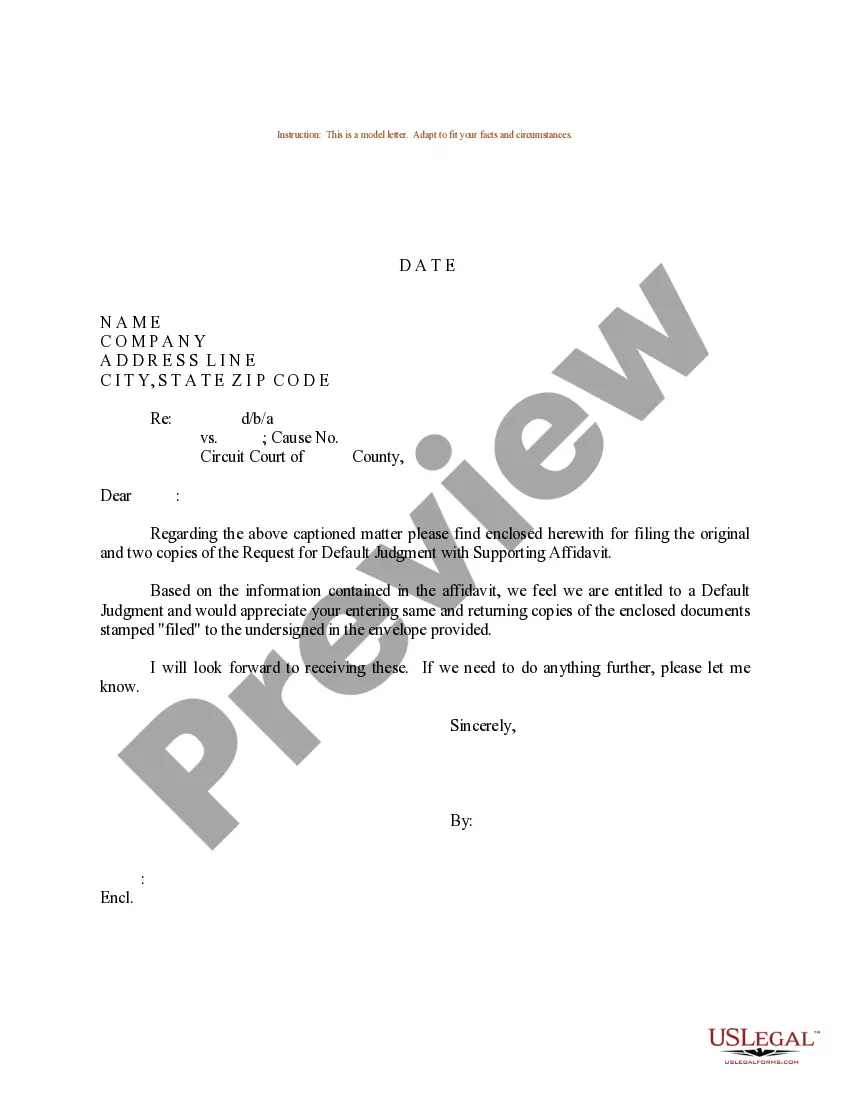
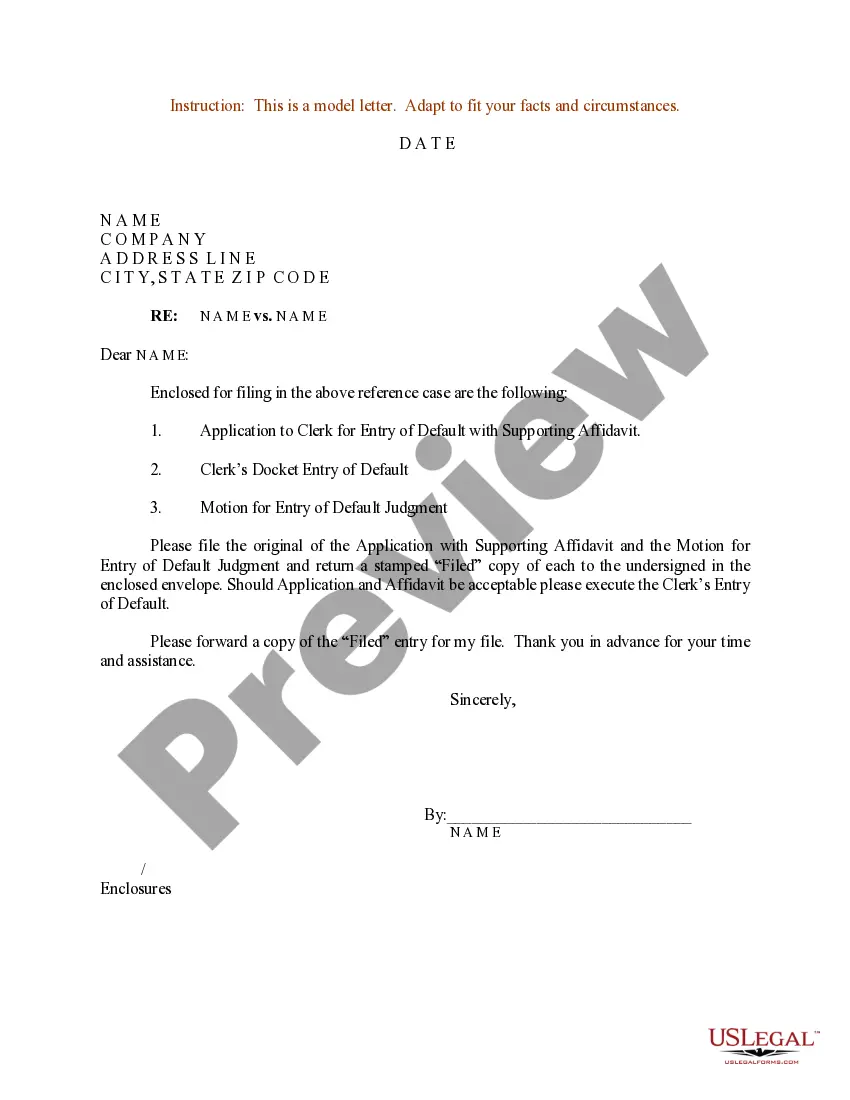
How to ask for a default Fill out request for default. Request for Entry of Default (form CIV-100) ... If ready, also fill out forms to ask for a judgement. Judgment (form JUD-100) ... Mail copies to the defendant. Make at least 2 copies of everything. File forms. Bring the Request for Default to the court clerk.
Enforcing Your Judgment Get in touch with the judgment debtor. Levy (seize) assets that you have personal knowledge of. Examine judgment debtor in court to locate unknown assets. Suspend the judgment debtor's driver's license if the judgment is for auto accident.
Parties to a case may use motions to ask the judge for specific relief, such as case dismissal. Motions usually contain a written brief which explains the legal argument for case dismissal.
If the court has your address, the clerk mails you a Notice of Entry of Default. If they sent this, you must file and serve the request to set aside within 180 days from the date you were served that notice.
How to ask for a default Fill out request for default. Request for Entry of Default (form CIV-100) ... If ready, also fill out forms to ask for a judgement. Judgment (form JUD-100) ... Mail copies to the defendant. Make at least 2 copies of everything. File forms. Bring the Request for Default to the court clerk.
