Default Prove Up Hearing With California In Kings
Description
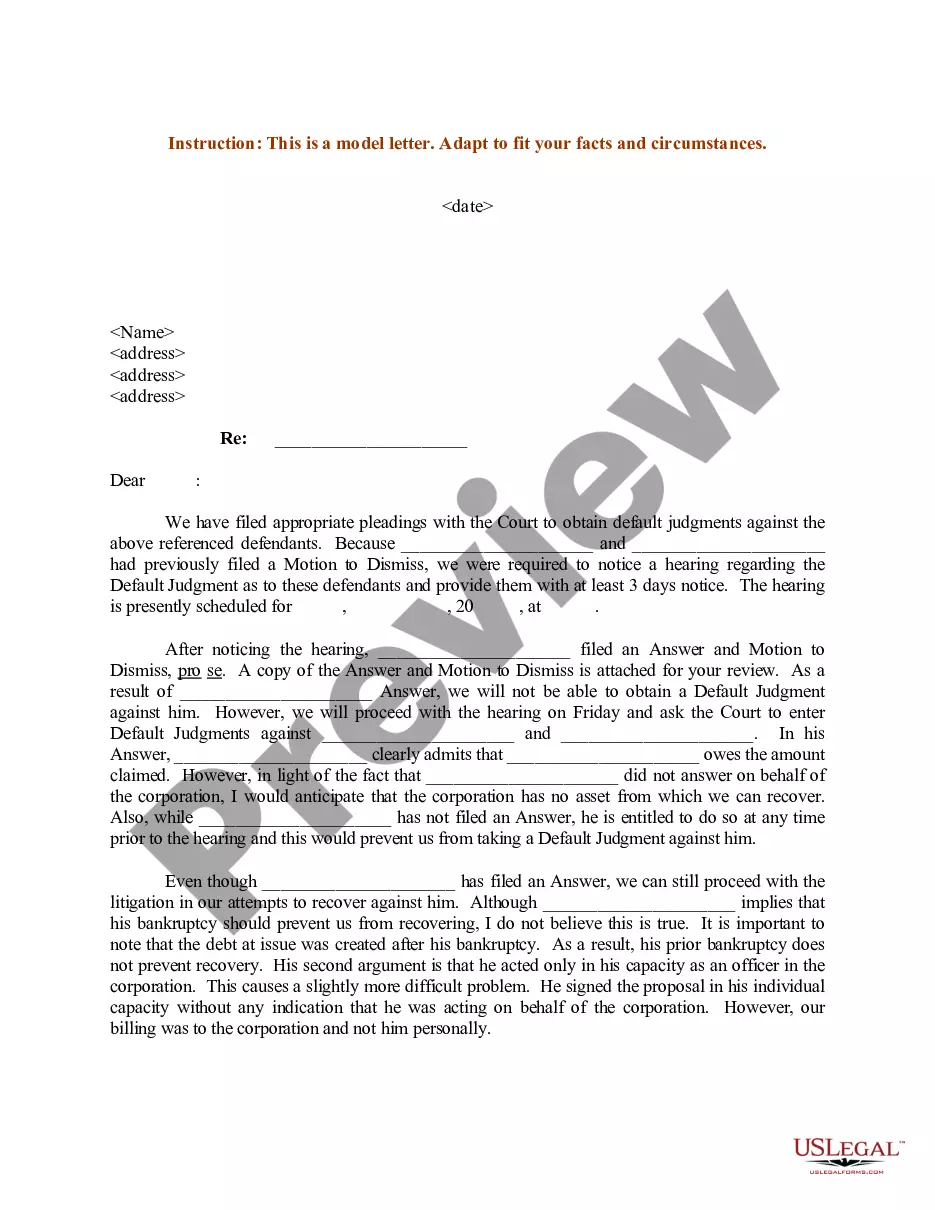
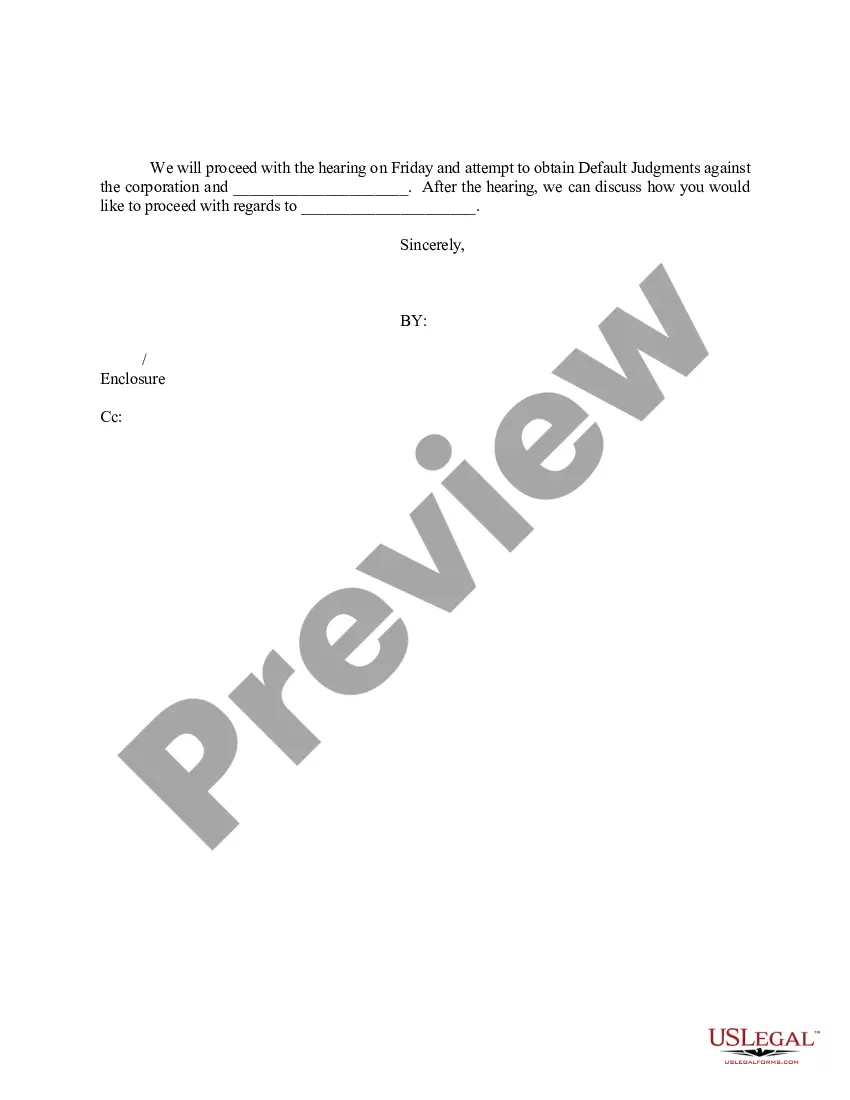
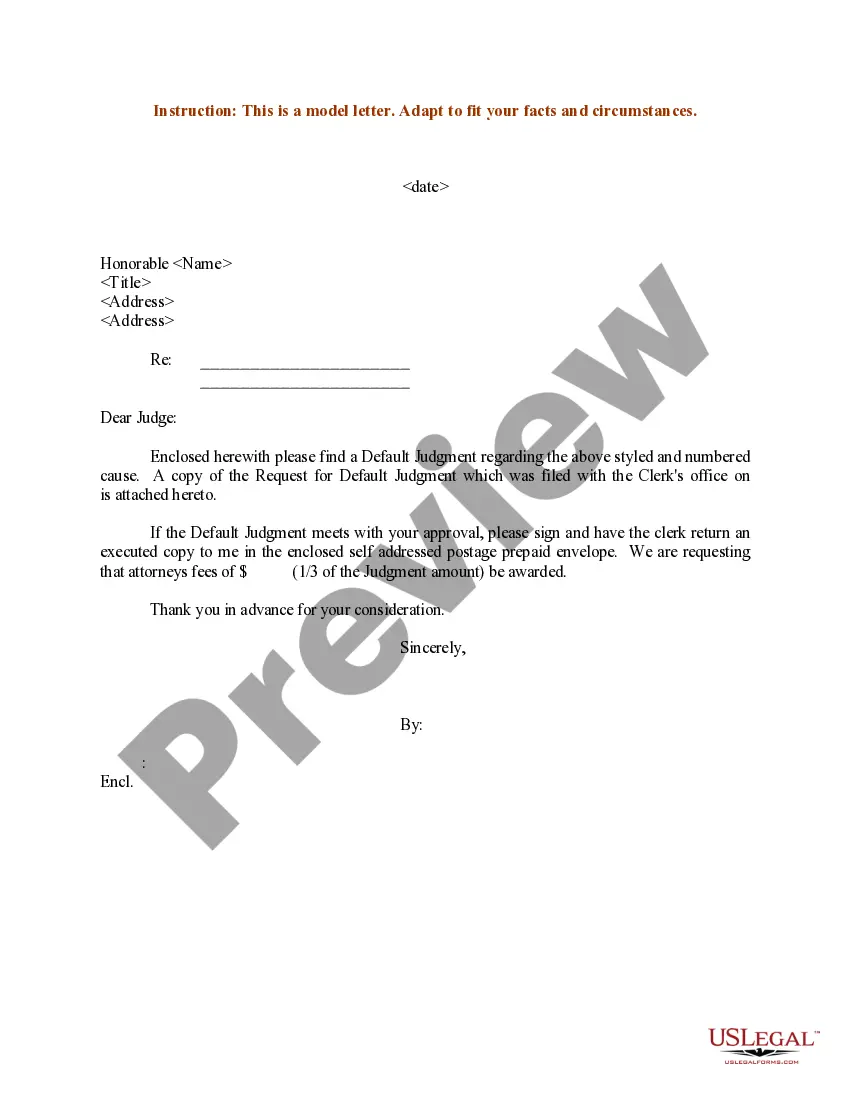
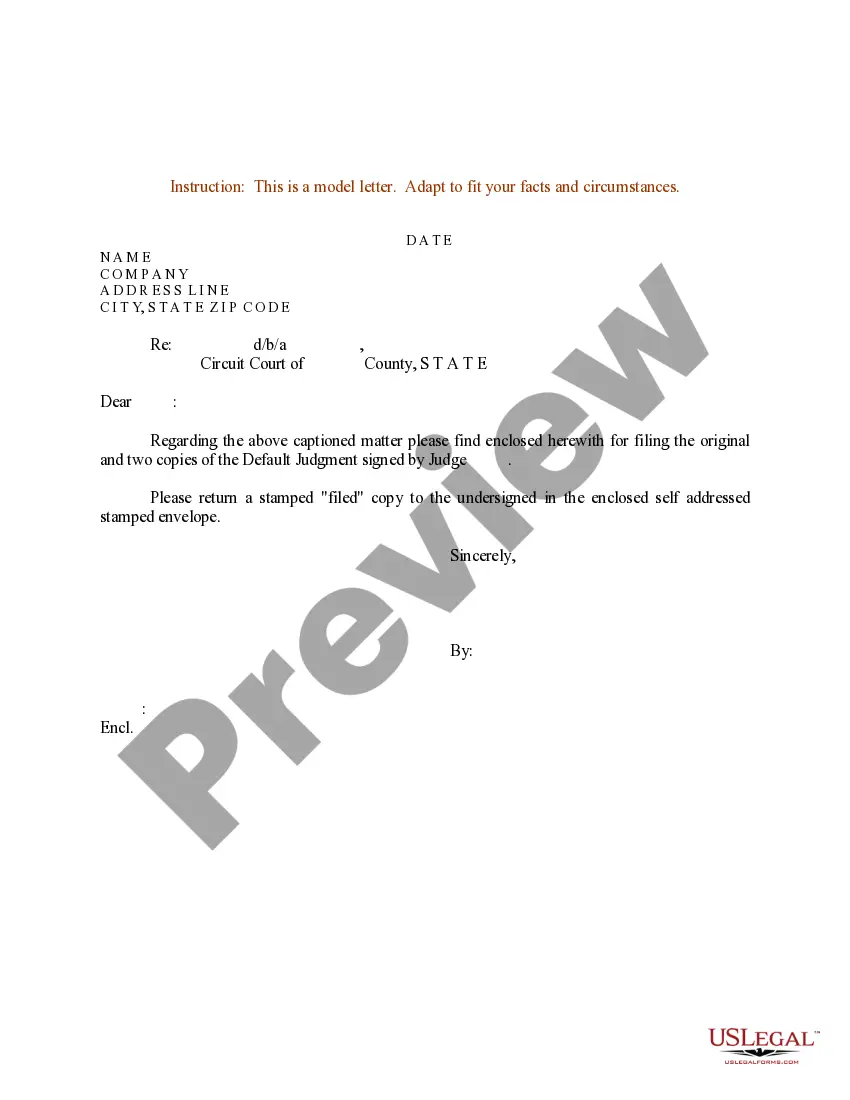
Get your form ready online
Our built-in tools help you complete, sign, share, and store your documents in one place.
Make edits, fill in missing information, and update formatting in US Legal Forms—just like you would in MS Word.
Download a copy, print it, send it by email, or mail it via USPS—whatever works best for your next step.
Sign and collect signatures with our SignNow integration. Send to multiple recipients, set reminders, and more. Go Premium to unlock E-Sign.
If this form requires notarization, complete it online through a secure video call—no need to meet a notary in person or wait for an appointment.
We protect your documents and personal data by following strict security and privacy standards.

Make edits, fill in missing information, and update formatting in US Legal Forms—just like you would in MS Word.

Download a copy, print it, send it by email, or mail it via USPS—whatever works best for your next step.

Sign and collect signatures with our SignNow integration. Send to multiple recipients, set reminders, and more. Go Premium to unlock E-Sign.

If this form requires notarization, complete it online through a secure video call—no need to meet a notary in person or wait for an appointment.

We protect your documents and personal data by following strict security and privacy standards.
Looking for another form?









Form popularity
FAQ
The burden of proof at a preliminary hearing is different from the burden of proof at a trial. The burden of proof at a preliminary hearing is probable cause, which is a low burden for the prosecution, while the burden at a trial is beyond a reasonable doubt, which is a high burden for the prosecution.
A prove up hearing is necessary to finalize the divorce in a default case. It serves as a means for the court to review the submitted judgment and ensure that all legal requirements have been met.
Judgment: During the default hearing, the petitioner presents their case, providing evidence to support their claims. The judge evaluates the evidence and considers the petitioner's arguments.
To stop the entry of a default or default judgment before it is entered, one generally has to file something in court. This can be an Answer, a Motion to Extend Time, a Motion to Quash Service of Process, or perhaps others. A motion will likely interrupt entry of a default, but a motion is merely a request.
A defendant can challenge the entry of default by filing a motion pursuant to Federal Rule of Civil Procedure 55(c), which allows the court to set it aside for “good cause” shown. Under certain circumstances, the court is required to do so.
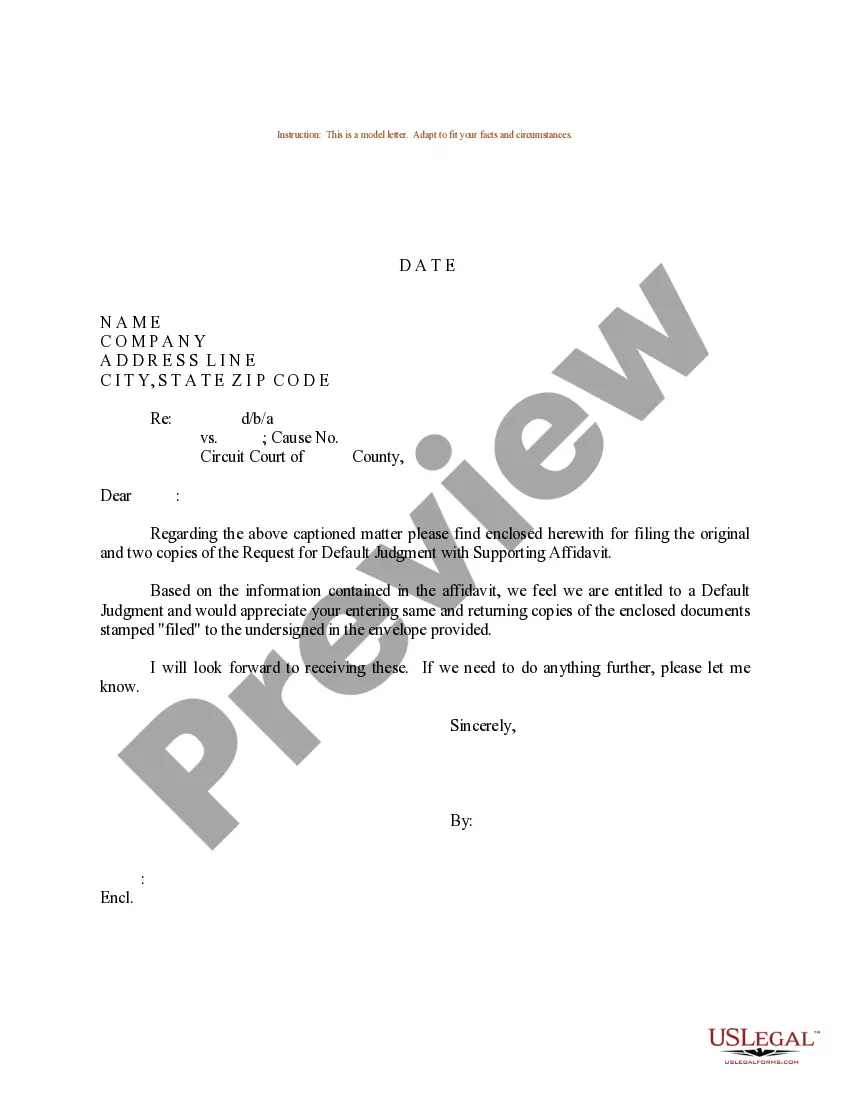
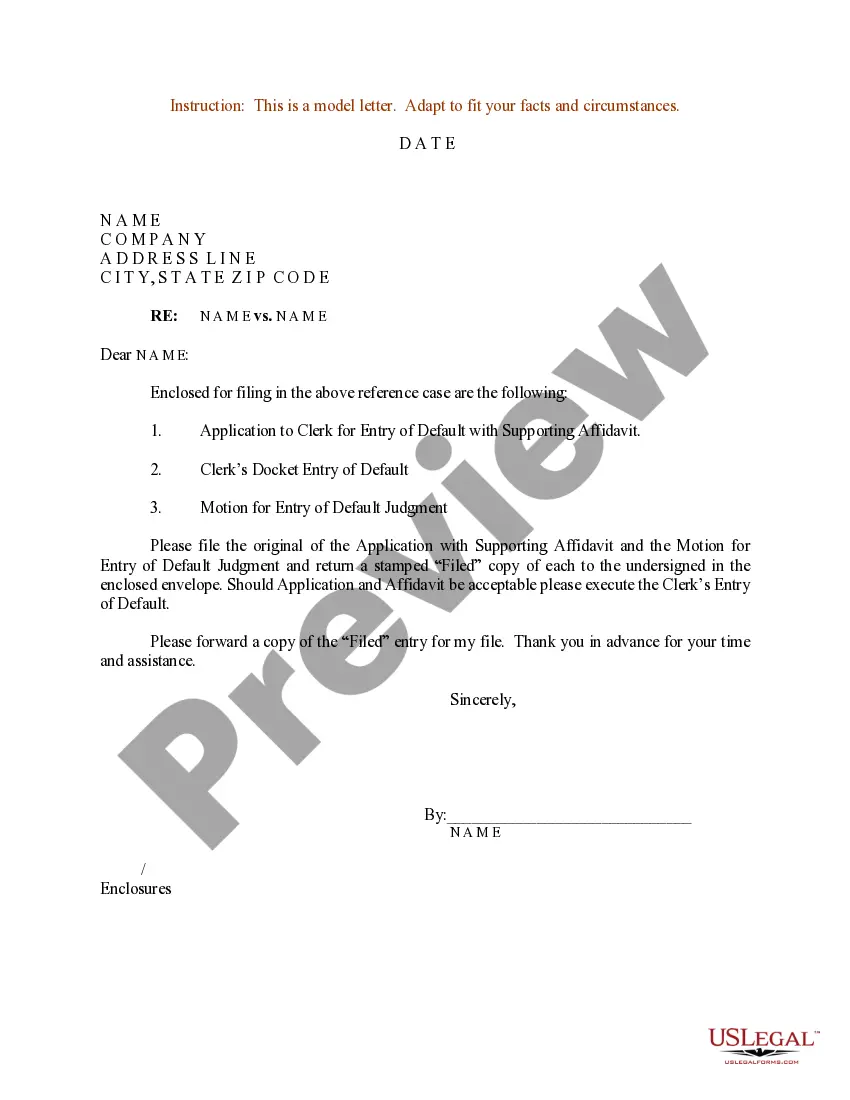
File the original and both copies with the Clerk. Complete the rest of this guide when you are ready to request the judgment. Your deadline is within 45 days after entry of default, unless you ask the court for an extension.
A Default Prove Up is a court hearing where the judge reviews the details of your case. The court needs to ensure that proper procedures were followed during the divorce process, especially since the other party did not participate. This hearing is crucial because it validates that the default was properly handled.
A default doesn't mean your divorce happens right away. It takes at least 6 months from when you first got the Petition for a divorce to finish. Your spouse will need to complete more steps and a judge will need to sign the final papers (the Judgment).
A default judgment may be had, if the defendant fails to file an answer or otherwise respond to the complaint within the time allowed by law after proper service has been made. The plaintiff may request the entry of default and a default judgment.
How to ask for a default Fill out request for default. Request for Entry of Default (form CIV-100) ... If ready, also fill out forms to ask for a judgement. Judgment (form JUD-100) ... Mail copies to the defendant. Make at least 2 copies of everything. File forms. Bring the Request for Default to the court clerk.
