Letter Requesting Motion To Vacate Order Of Default Form In Harris
Description

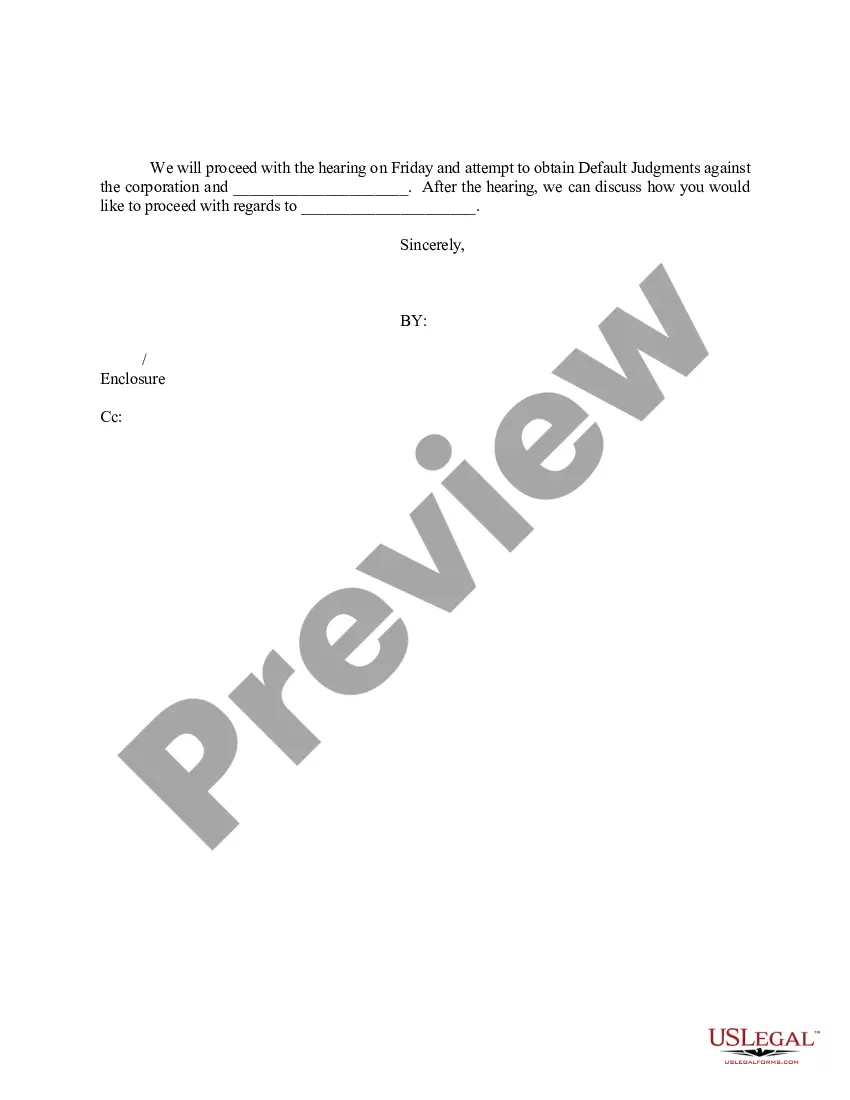
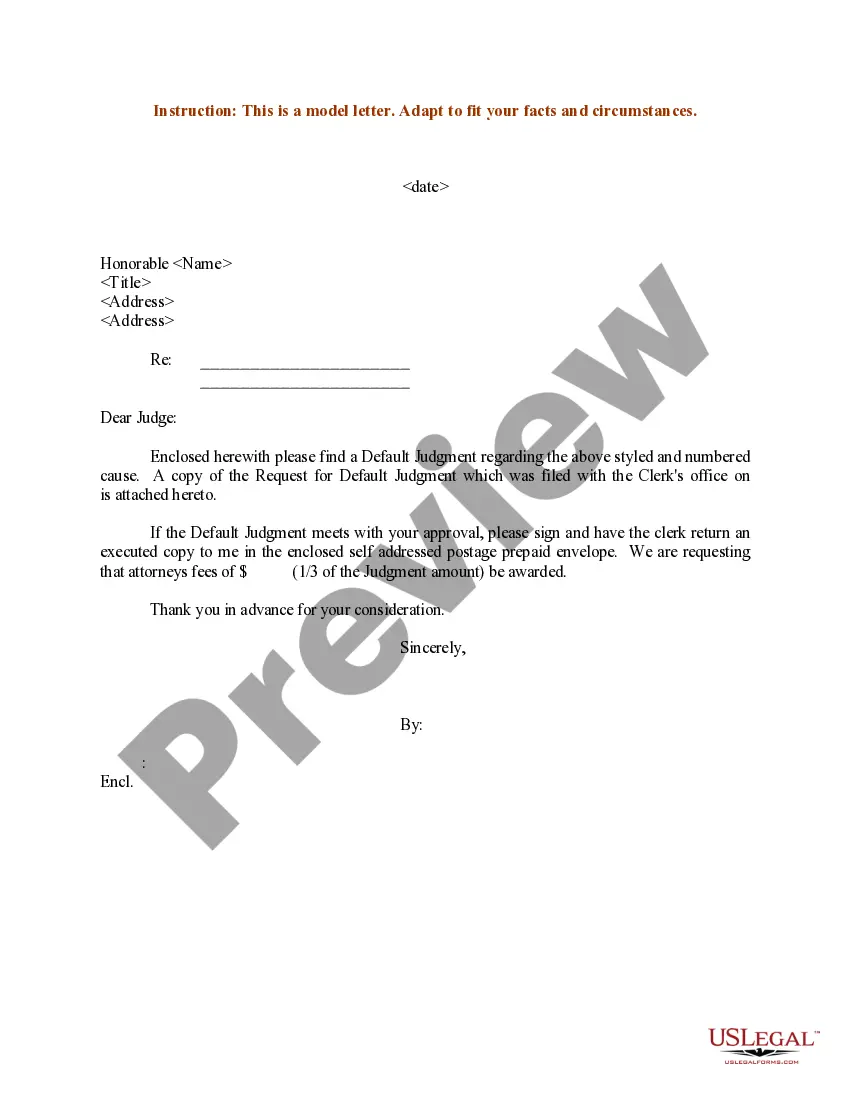
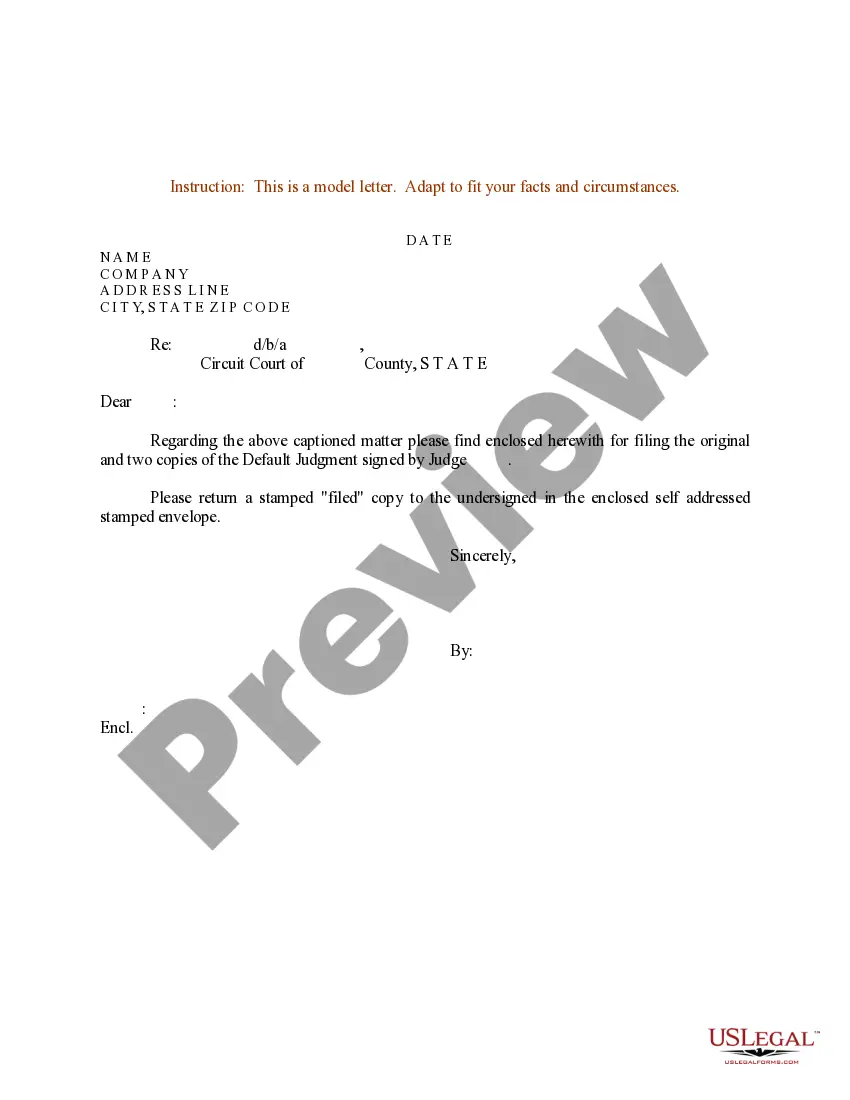
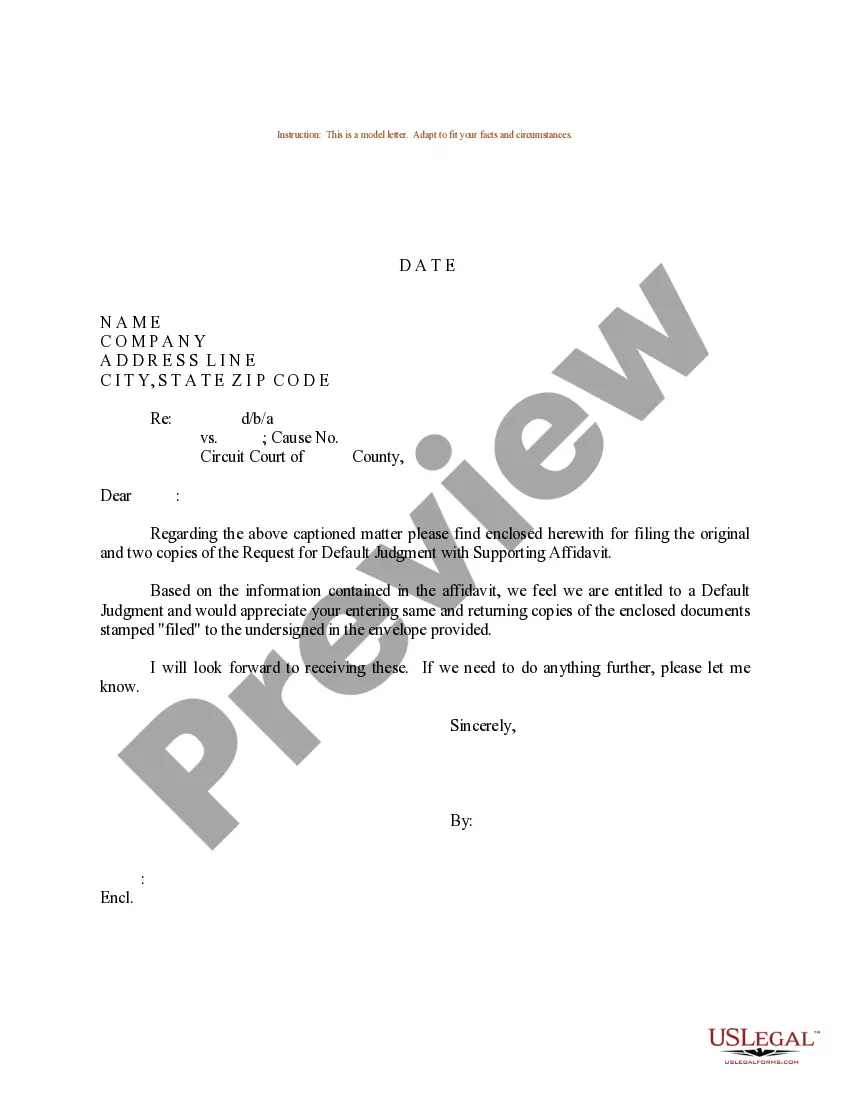
Get your form ready online
Our built-in tools help you complete, sign, share, and store your documents in one place.
Make edits, fill in missing information, and update formatting in US Legal Forms—just like you would in MS Word.
Download a copy, print it, send it by email, or mail it via USPS—whatever works best for your next step.
Sign and collect signatures with our SignNow integration. Send to multiple recipients, set reminders, and more. Go Premium to unlock E-Sign.
If this form requires notarization, complete it online through a secure video call—no need to meet a notary in person or wait for an appointment.
We protect your documents and personal data by following strict security and privacy standards.

Make edits, fill in missing information, and update formatting in US Legal Forms—just like you would in MS Word.

Download a copy, print it, send it by email, or mail it via USPS—whatever works best for your next step.

Sign and collect signatures with our SignNow integration. Send to multiple recipients, set reminders, and more. Go Premium to unlock E-Sign.

If this form requires notarization, complete it online through a secure video call—no need to meet a notary in person or wait for an appointment.

We protect your documents and personal data by following strict security and privacy standards.
Looking for another form?


Form popularity
FAQ
If the defendant has a valid reason for not responding, such as never being notified, they may file a motion asking the judge to set aside the default judgment. This is also called a motion for relief from default or a motion to vacate judgment.
It's saying I should win by default. But the court has to agree that it's fair. Play when a judgeMoreIt's saying I should win by default. But the court has to agree that it's fair. Play when a judge denies this motion they're not buying.
Most Courts, including California, put strict time limits on when that motion may be filed (six months from entry of default in California though this time limit may be altered based on various factors) and the longer the period of time from entry of default, the harder it is to have the Court remove it.
To stop the entry of a default or default judgment before it is entered, one generally has to file something in court. This can be an Answer, a Motion to Extend Time, a Motion to Quash Service of Process, or perhaps others. A motion will likely interrupt entry of a default, but a motion is merely a request.
Do judgments expire in Texas? Judgments awarded in Texas to a non-government creditor are generally valid for ten years but can be renewed for longer. If a judgment is not renewed, it will become dormant. A creditor can request to revive a dormant judgment to continue to try and collect the debt.
You must file a Motion to Set Aside Default Judgment and Notice of Hearing within 30 days of the date the default judgment was signed by the judge. See Texas Rule of Civil Procedure 329(b). In Justice Court, the deadline is 14 days. See Texas Rule of Civil Procedure 505.3.
An appeal asks a higher court to change the decision made by a lower court. A Motion to Vacate asks the same court to cancel its decision, as if the case never happened.
At or immediately prior to the time an interlocutory or final default judgment is rendered, the party taking the same or his attorney shall certify to the clerk in writing the last known mailing address of the party against whom the judgment is taken, which certificate shall be filed among the papers in the cause.
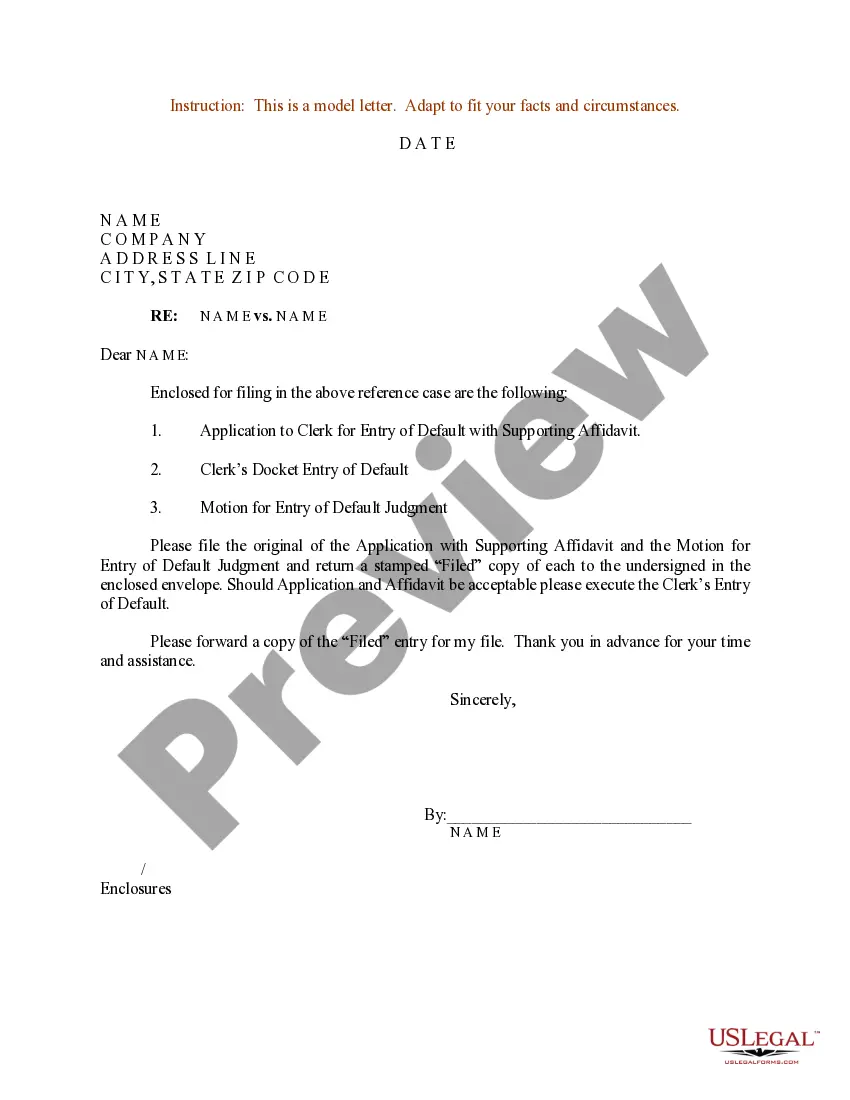
The motion for default judgment and proposed default judgment are entered on the docket. From the Clerk: The plaintiff should make a written request for the clerk to enter a default judgment, and provide the clerk with an affidavit of the amount owed by the defendant and a proposed clerk's default judgment.
In Texas, a motion for default judgment is a request made by a plaintiff when the defendant fails to respond to a civil complaint within the required time. If the defendant does not file a timely answer, the court may grant a default judgment in favor of the plaintiff.
