Letter Requesting Motion To Vacate Order Of Default Without Notice In Collin
Description
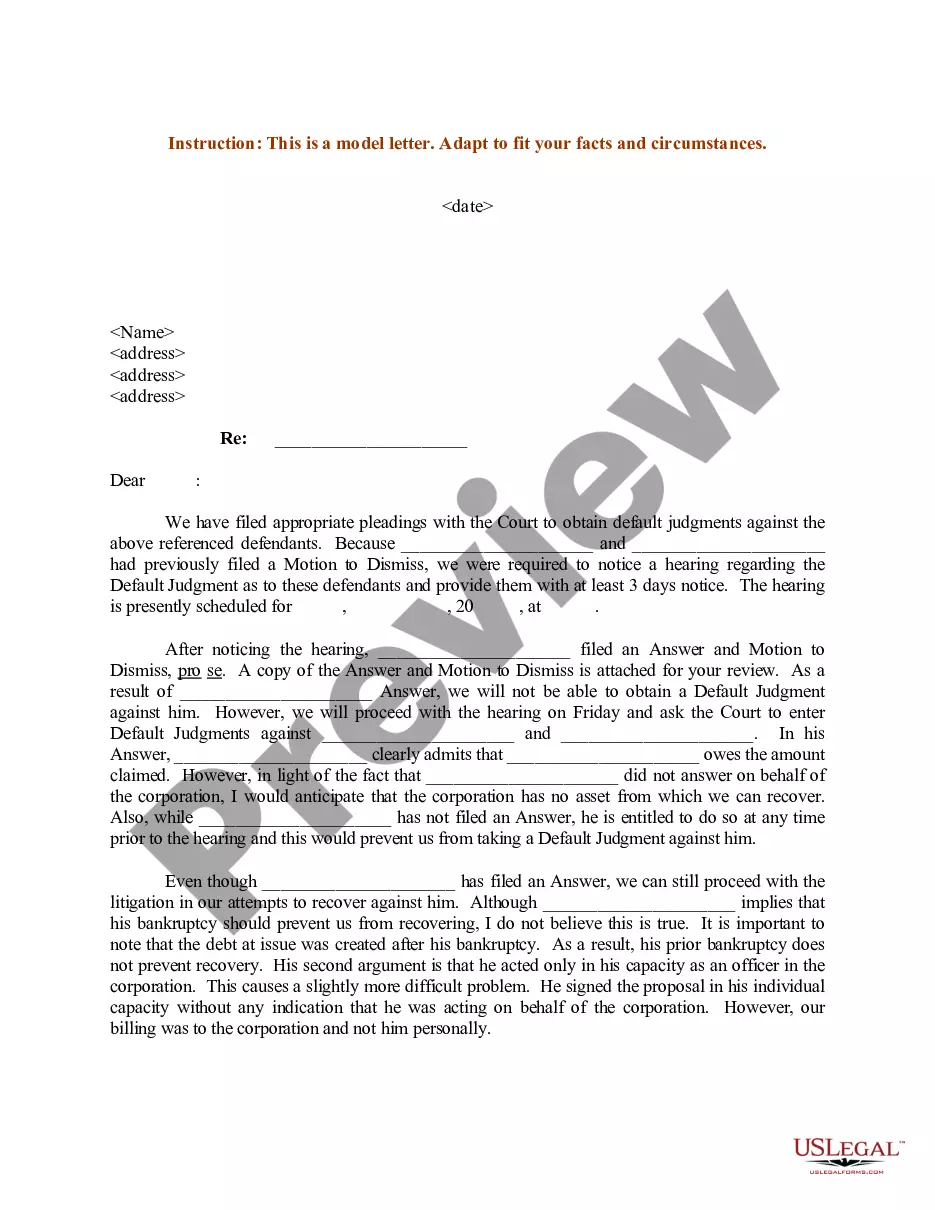
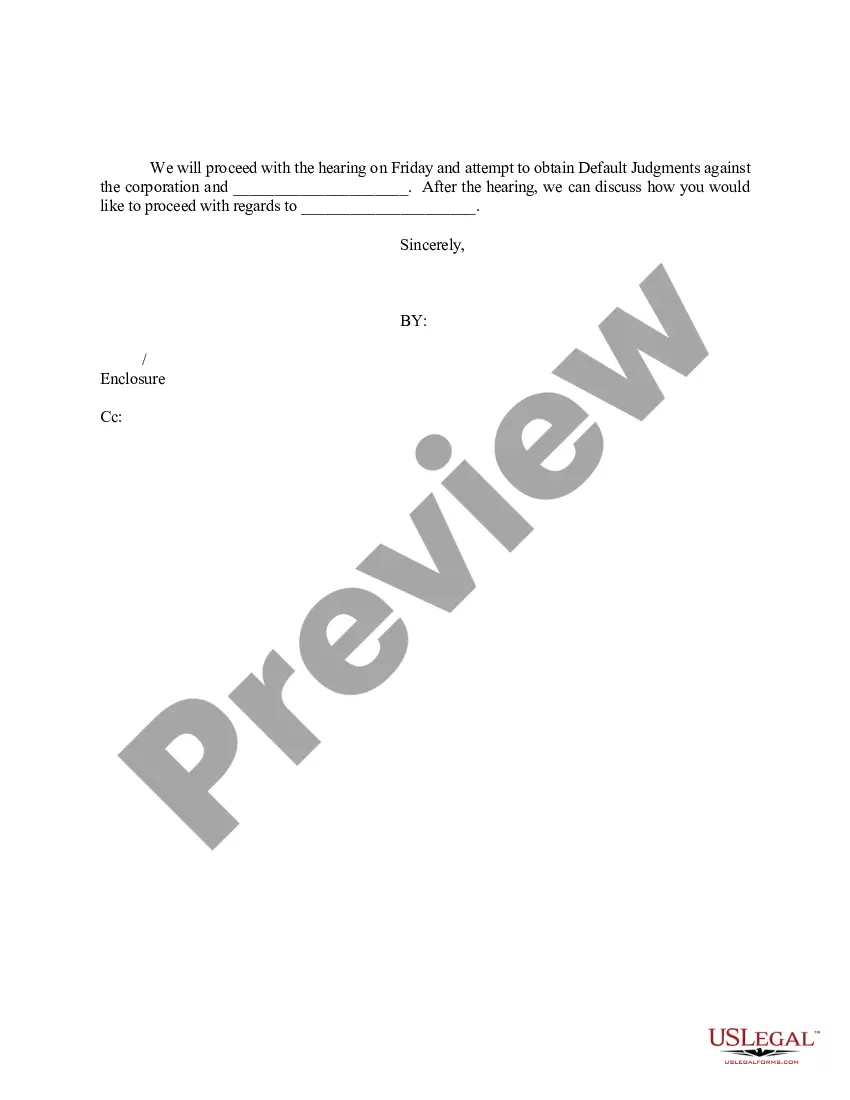
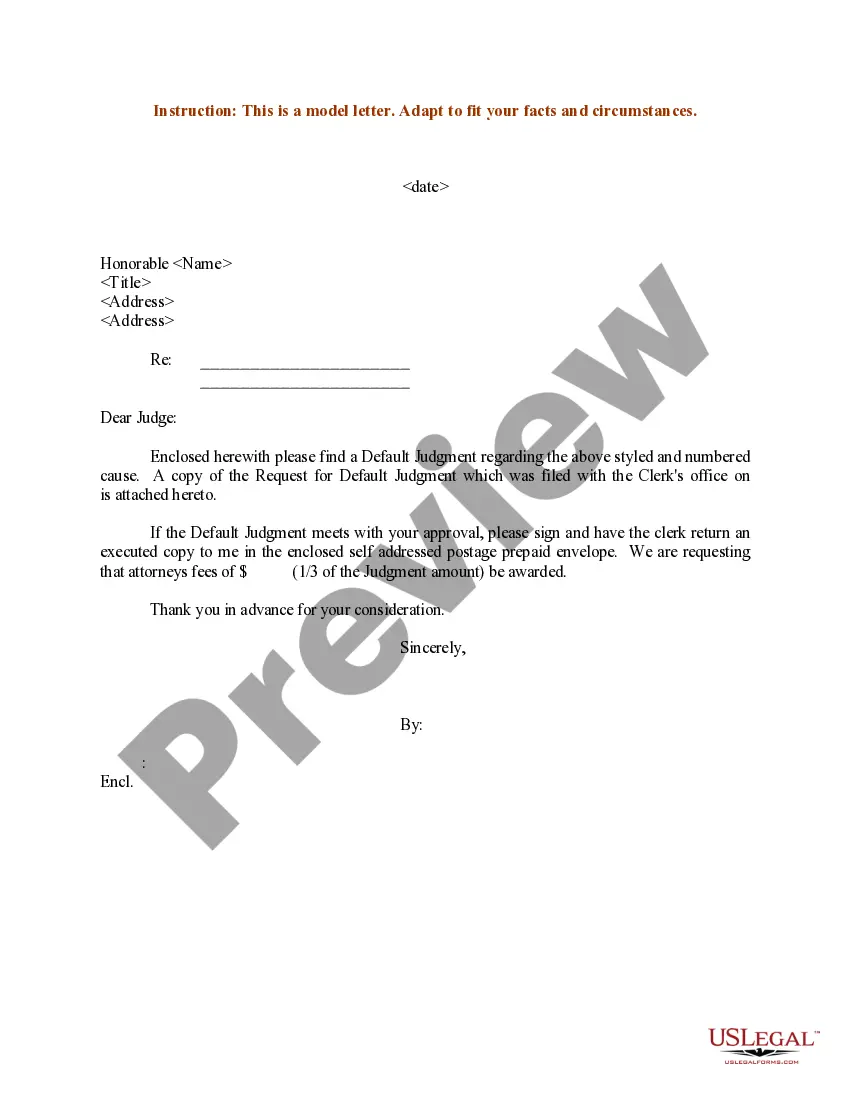

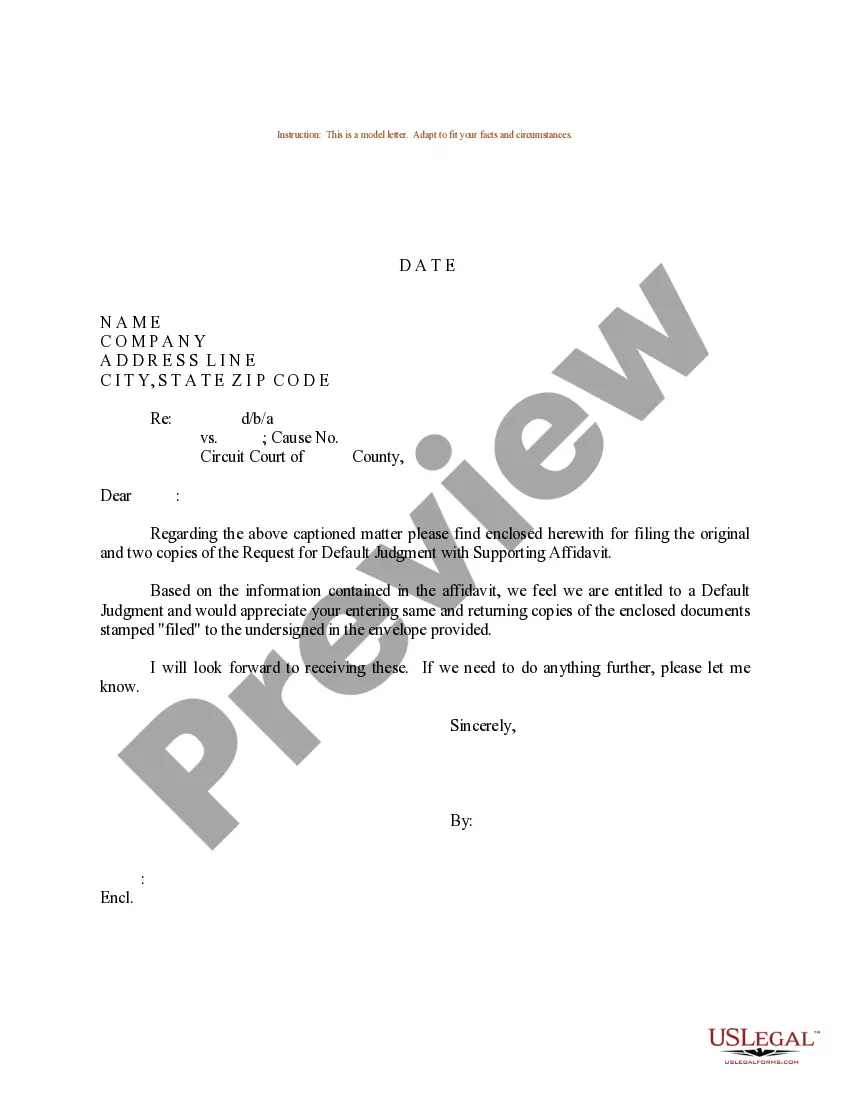
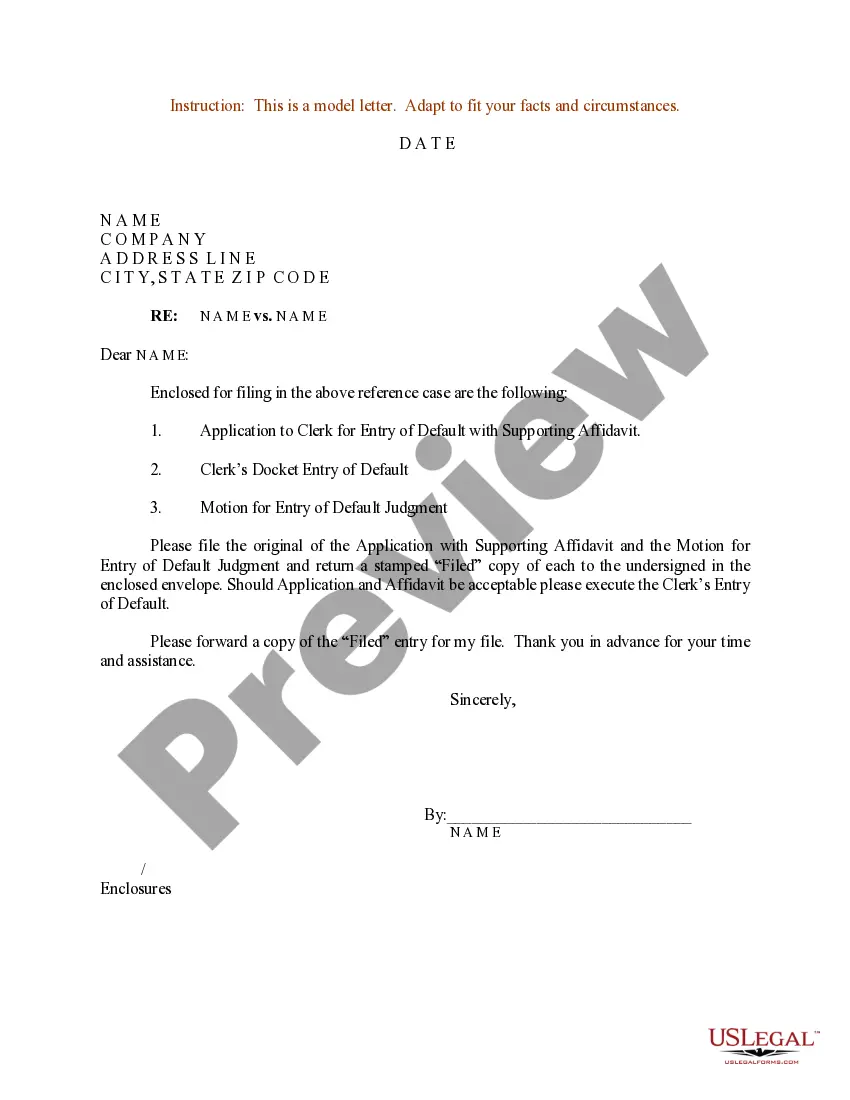
Get your form ready online
Our built-in tools help you complete, sign, share, and store your documents in one place.
Make edits, fill in missing information, and update formatting in US Legal Forms—just like you would in MS Word.
Download a copy, print it, send it by email, or mail it via USPS—whatever works best for your next step.
Sign and collect signatures with our SignNow integration. Send to multiple recipients, set reminders, and more. Go Premium to unlock E-Sign.
If this form requires notarization, complete it online through a secure video call—no need to meet a notary in person or wait for an appointment.
We protect your documents and personal data by following strict security and privacy standards.

Make edits, fill in missing information, and update formatting in US Legal Forms—just like you would in MS Word.

Download a copy, print it, send it by email, or mail it via USPS—whatever works best for your next step.

Sign and collect signatures with our SignNow integration. Send to multiple recipients, set reminders, and more. Go Premium to unlock E-Sign.

If this form requires notarization, complete it online through a secure video call—no need to meet a notary in person or wait for an appointment.

We protect your documents and personal data by following strict security and privacy standards.
Looking for another form?








Form popularity
FAQ
Eviction cases must be filed in the in the justice court in the precinct and county where the property is located. If you file the case in any other precinct, the court must dismiss your case, and you do not get a refund of the filing fees. The court may be able to help you determine the proper precinct to file in.
Abstract of Judgment: If the defendant owns real property (land), you can get an abstract of judgment from the court that issued the judgment and file it with the county clerk in the county or counties where the defendant owns the property.
An appeal asks a higher court to change the decision made by a lower court. A Motion to Vacate asks the same court to cancel its decision, as if the case never happened.
In Texas, a motion for default judgment is a request made by a plaintiff when the defendant fails to respond to a civil complaint within the required time. If the defendant does not file a timely answer, the court may grant a default judgment in favor of the plaintiff.
Eviction cases must be filed in the in the justice court in the precinct and county where the property is located. If you file the case in any other precinct, the court must dismiss your case, and you do not get a refund of the filing fees. The court may be able to help you determine the proper precinct to file in.
To remove a holdover tenant in Texas, the landlord must give the tenant a three-day notice to vacate. If the tenant does not move out by the end of the three-day period, then the landlord can file an eviction lawsuit with the court. (Tex. Prop.
The motion for default judgment and proposed default judgment are entered on the docket. From the Clerk: The plaintiff should make a written request for the clerk to enter a default judgment, and provide the clerk with an affidavit of the amount owed by the defendant and a proposed clerk's default judgment.
Until a writ of possession is issued, the tenant can remain in their home. Step 1: Written Notice to Vacate. Unless the lease agreement says otherwise, the landlord must give the tenant at least 3 days to move out. Step 2: Filing of Eviction Suit. Step 3: Judgment. Step 4 (optional): Appeal. Step 5: Writ of Possession.
In Texas, an eviction is also called a “forcible entry and detainer,” and a landlord cannot remove a tenant from the property without filing such a case. You can be evicted for violations of terms listed in your lease, for example: Not paying rent on time.
