Letter Requesting Motion To Vacate Order Of Default With Student Loans In Chicago
Description

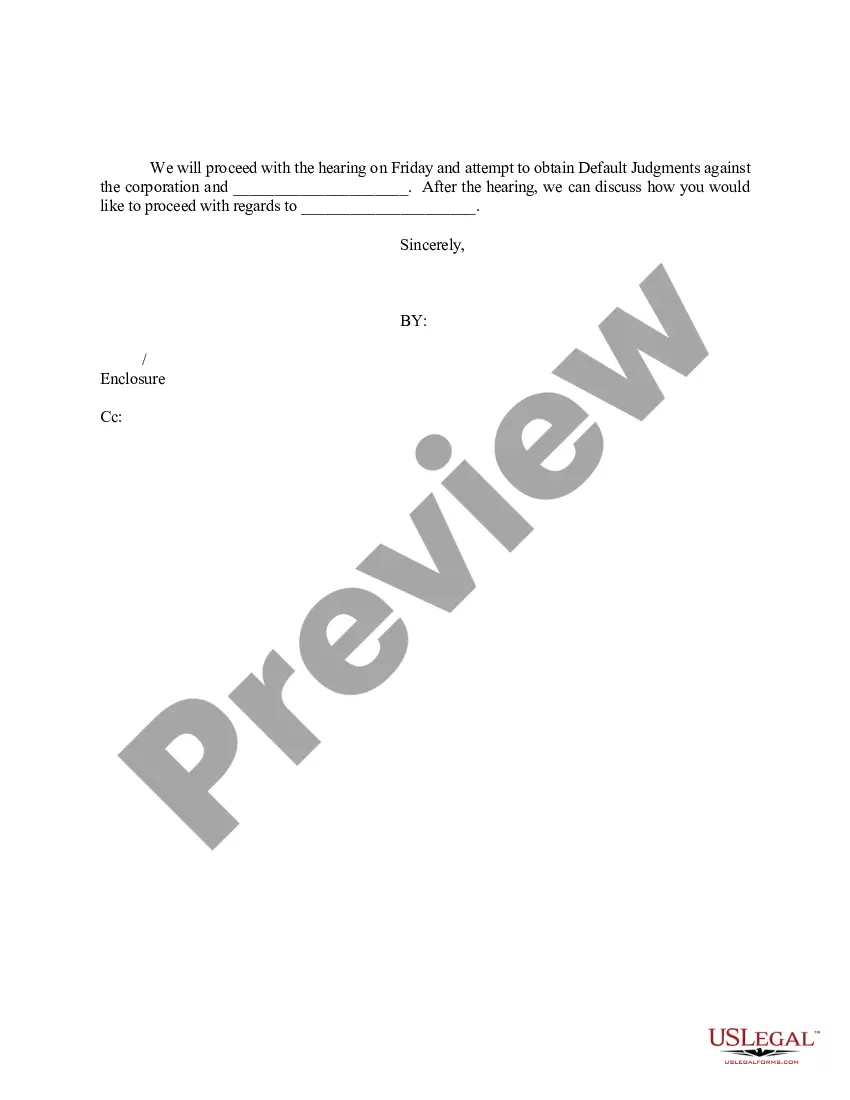
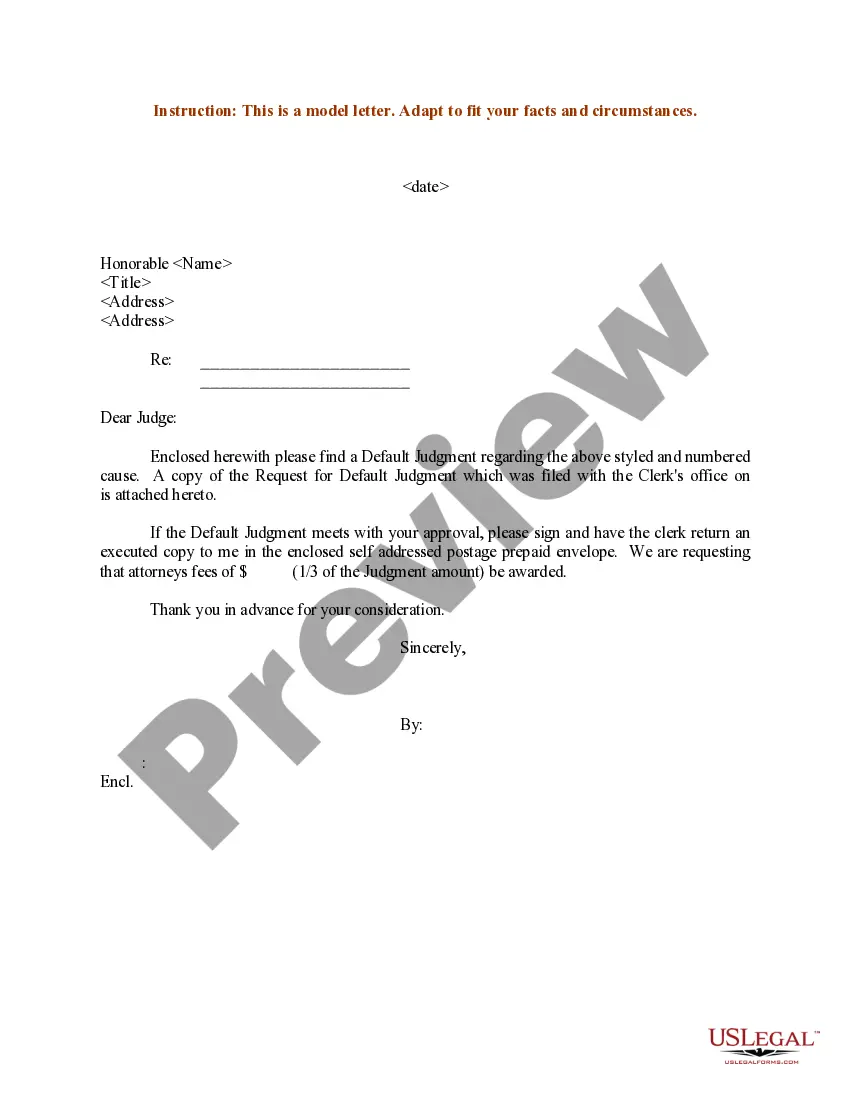
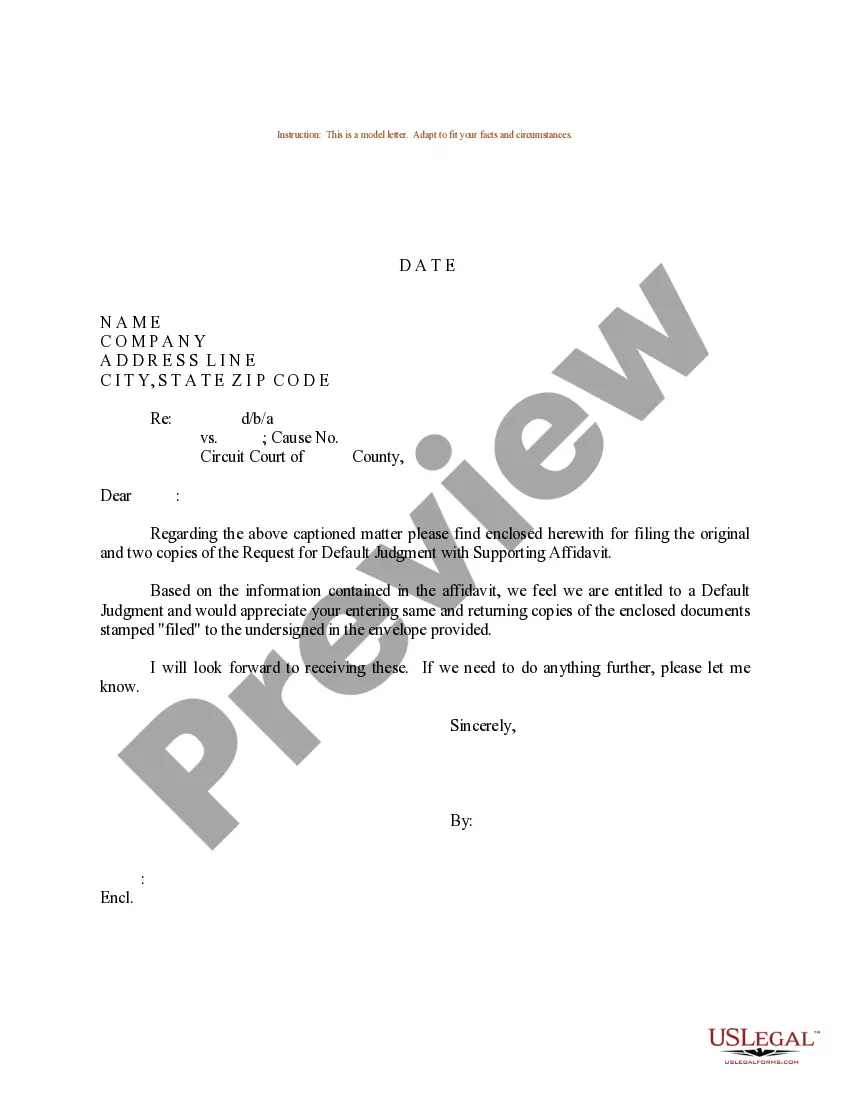
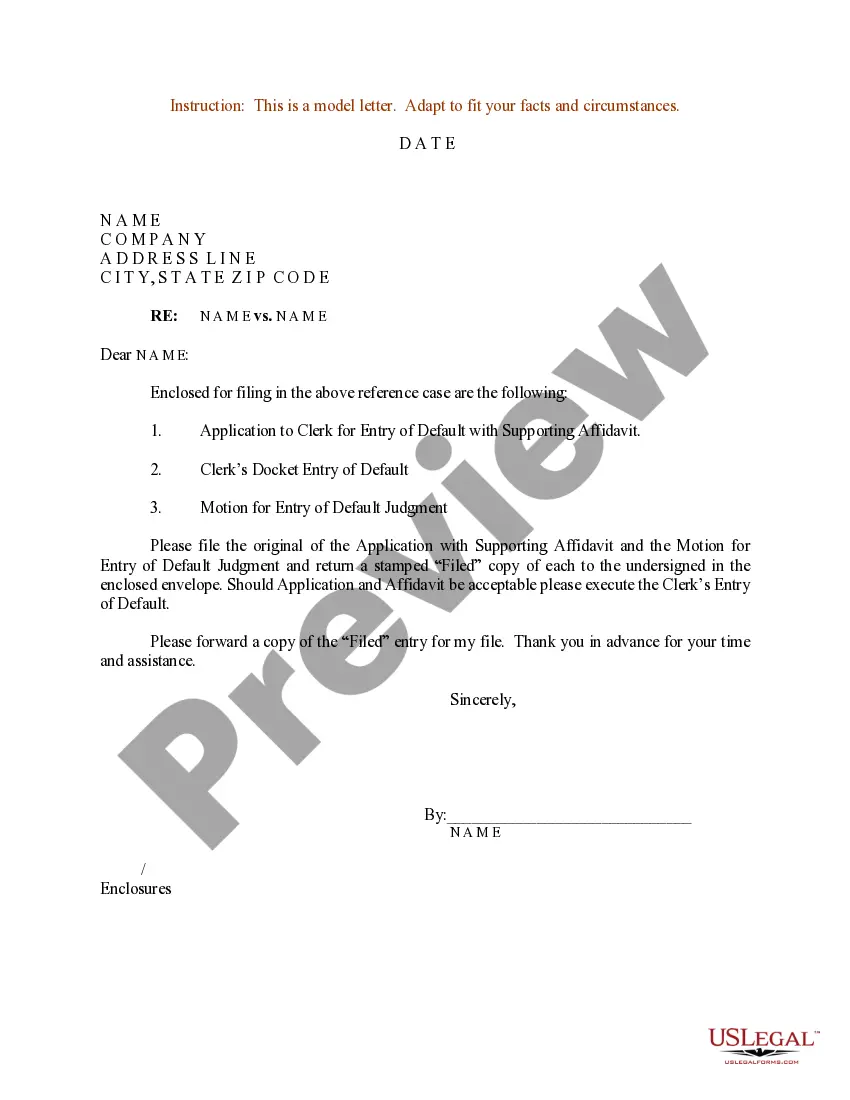
Get your form ready online
Our built-in tools help you complete, sign, share, and store your documents in one place.
Make edits, fill in missing information, and update formatting in US Legal Forms—just like you would in MS Word.
Download a copy, print it, send it by email, or mail it via USPS—whatever works best for your next step.
Sign and collect signatures with our SignNow integration. Send to multiple recipients, set reminders, and more. Go Premium to unlock E-Sign.
If this form requires notarization, complete it online through a secure video call—no need to meet a notary in person or wait for an appointment.
We protect your documents and personal data by following strict security and privacy standards.

Make edits, fill in missing information, and update formatting in US Legal Forms—just like you would in MS Word.

Download a copy, print it, send it by email, or mail it via USPS—whatever works best for your next step.

Sign and collect signatures with our SignNow integration. Send to multiple recipients, set reminders, and more. Go Premium to unlock E-Sign.

If this form requires notarization, complete it online through a secure video call—no need to meet a notary in person or wait for an appointment.

We protect your documents and personal data by following strict security and privacy standards.
Looking for another form?








Form popularity
FAQ
If the defendant has a valid reason for not responding, such as never being notified, they may file a motion asking the judge to set aside the default judgment. This is also called a motion for relief from default or a motion to vacate judgment.
Grounds for Filing: A motion to vacate pursuant to 2-1301 is filed when there are errors or defects in the order or judgment, such as lack of jurisdiction, incorrect calculations, or fraud.
Section 2-1301(e) provides litigants with the option to bring a motion to vacate a non-final or final order during the course of litigation. 735 ILCS 5/2-1301(e). Under section 2-1301(e), a litigant can move to vacate a non-final order or judgment at any time before that order or judgment becomes final.
If it has been 30 days or less, you can get rid of ("vacate") a default judgment by filing a motion. This is a written request to the judge asking them to throw out the judgment. You will have to send a copy of the motion to the other party in the case, and then show up in court for a hearing.
If you do not think the default judgment was appropriately entered against you, you must file a motion with the court asking the judge to “set aside” (void or nullify) the judgment. If the judge grants your motion, the case starts back up again.
2-1301. Judgments - Default - Confession. (a) The court shall determine the rights of the parties and grant to any party any affirmative relief to which the party may be entitled on the pleadings and proofs. Judgments shall be in the form required by the nature of the case and by the recovery or relief awarded.
A motion to vacate the chair or motion to declare the chair vacant, commonly shortened to motion to vacate, is a procedure in which a member of a legislative body proposes that the presiding officer vacates their office.
There are two types of Motions to Dismiss: 2-615 Motions and 2-619 Motions. The names of these motions are based on the statute that provides for them (735 ILCS 5/2-615 and 735 ILCS 5/2-619, respectively). 2-615 Motions and 2-619 Motions serve different purposes.
A defendant who has a default judgment against them can apply to the court that issued the judgment to set it aside. If the court sets aside the judgment, it is as though the order was never made. The court still needs to deal with the claim.
An appeal asks a higher court to change the decision made by a lower court. A Motion to Vacate asks the same court to cancel its decision, as if the case never happened.