Default Prove Up Hearing With Judge In Chicago
Description
Get your form ready online
Our built-in tools help you complete, sign, share, and store your documents in one place.
Make edits, fill in missing information, and update formatting in US Legal Forms—just like you would in MS Word.
Download a copy, print it, send it by email, or mail it via USPS—whatever works best for your next step.
Sign and collect signatures with our SignNow integration. Send to multiple recipients, set reminders, and more. Go Premium to unlock E-Sign.
If this form requires notarization, complete it online through a secure video call—no need to meet a notary in person or wait for an appointment.
We protect your documents and personal data by following strict security and privacy standards.

Make edits, fill in missing information, and update formatting in US Legal Forms—just like you would in MS Word.

Download a copy, print it, send it by email, or mail it via USPS—whatever works best for your next step.

Sign and collect signatures with our SignNow integration. Send to multiple recipients, set reminders, and more. Go Premium to unlock E-Sign.

If this form requires notarization, complete it online through a secure video call—no need to meet a notary in person or wait for an appointment.

We protect your documents and personal data by following strict security and privacy standards.
Looking for another form?









Form popularity
FAQ
In Illinois, the final step before officially dissolving their marriage is the prove up hearing. The prove-up hearing is meant to be the finalization date of the divorce. Upon prove-up, the divorce judge gavels down the divorce decree, severs the bonds of matrimony, and dissolves the marriage.
If your spouse has filed an Appearance and you have reached an agreement on all issues, you can request a prove-up hearing date. A prove-up hearing is the court date when you appear before the Judge and request that the Judge grant you a divorce based on the terms of your agreement.
At the prove-up hearing, you will be put under oath and the judge will ask you questions regarding your Petition for Dissolution, and what you are asking of the court.
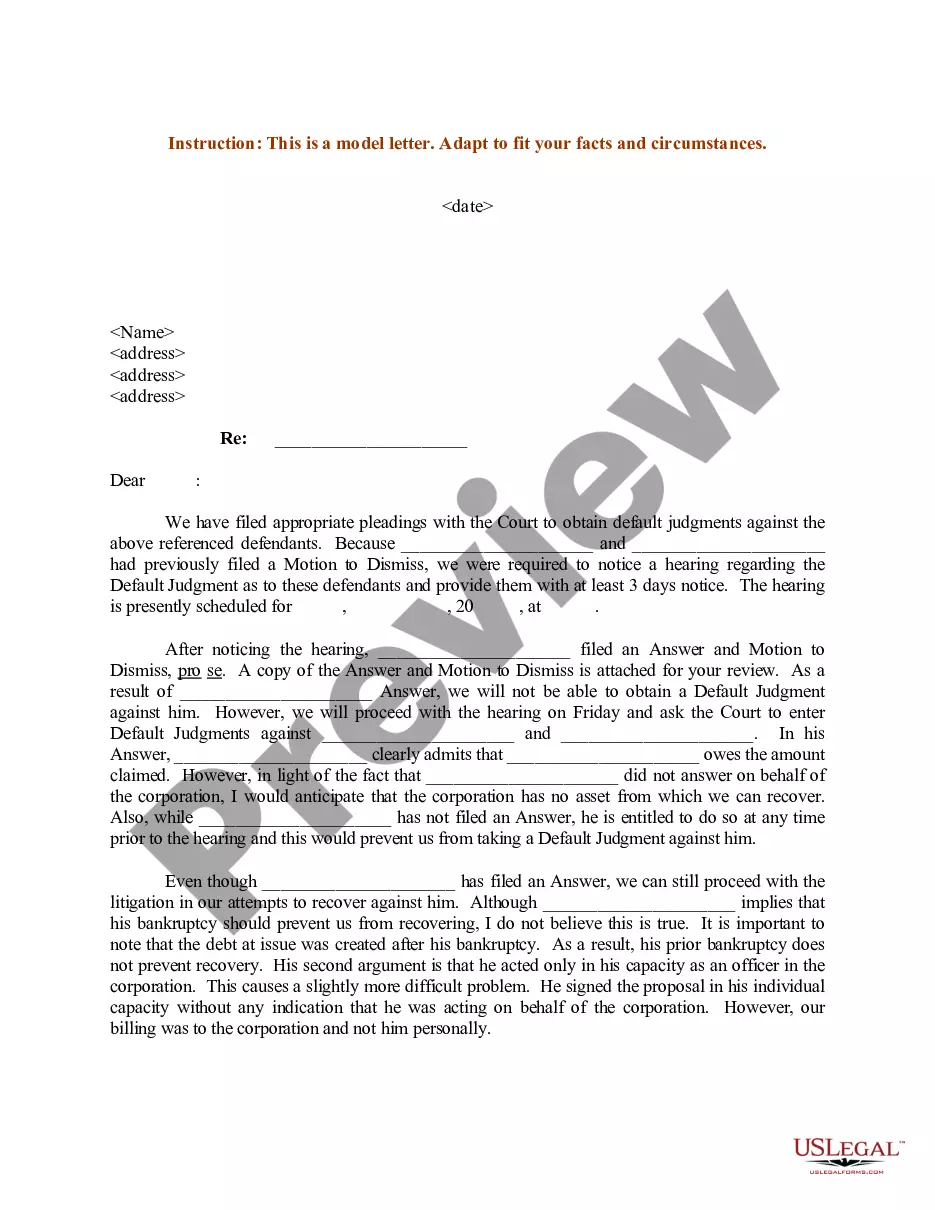
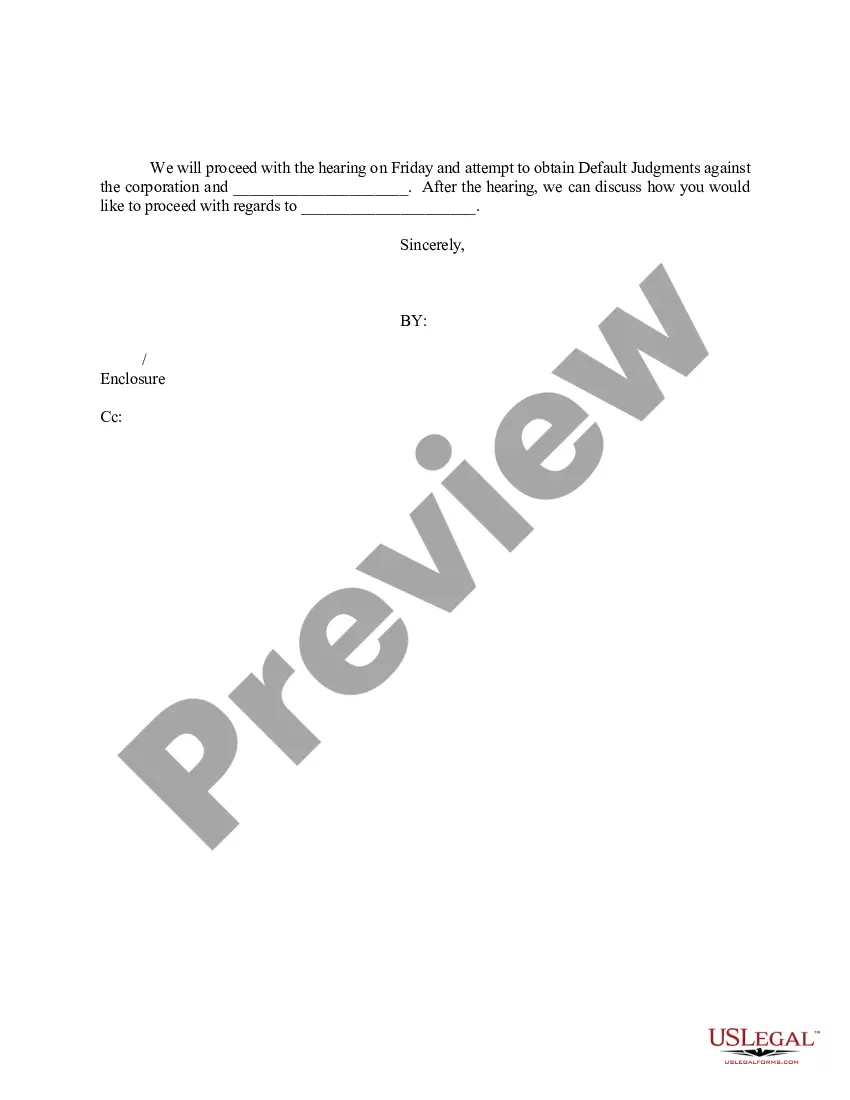
A default prove up hearing is when a divorce can still move forward despite the respondent's refusal to participate. The petitioner must demonstrate they made good faith efforts to inform the other party of the hearing and court permission in order for the judgment to be granted by default.
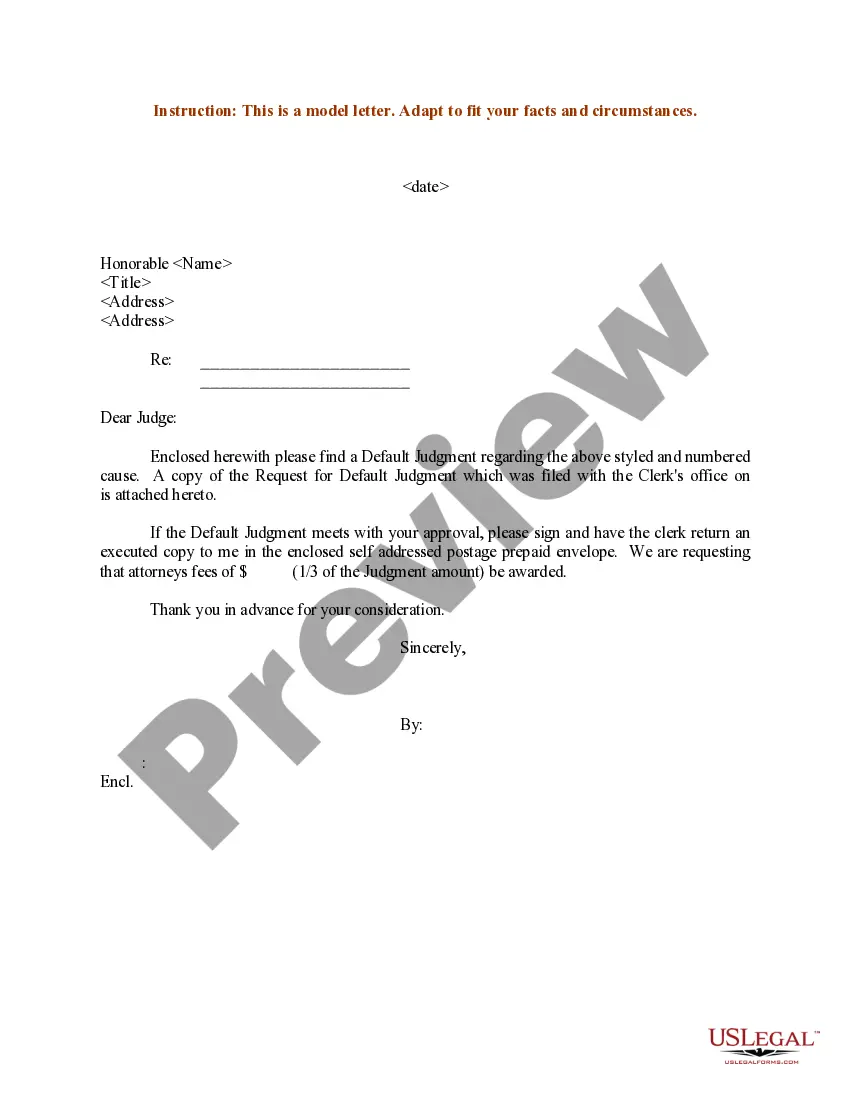
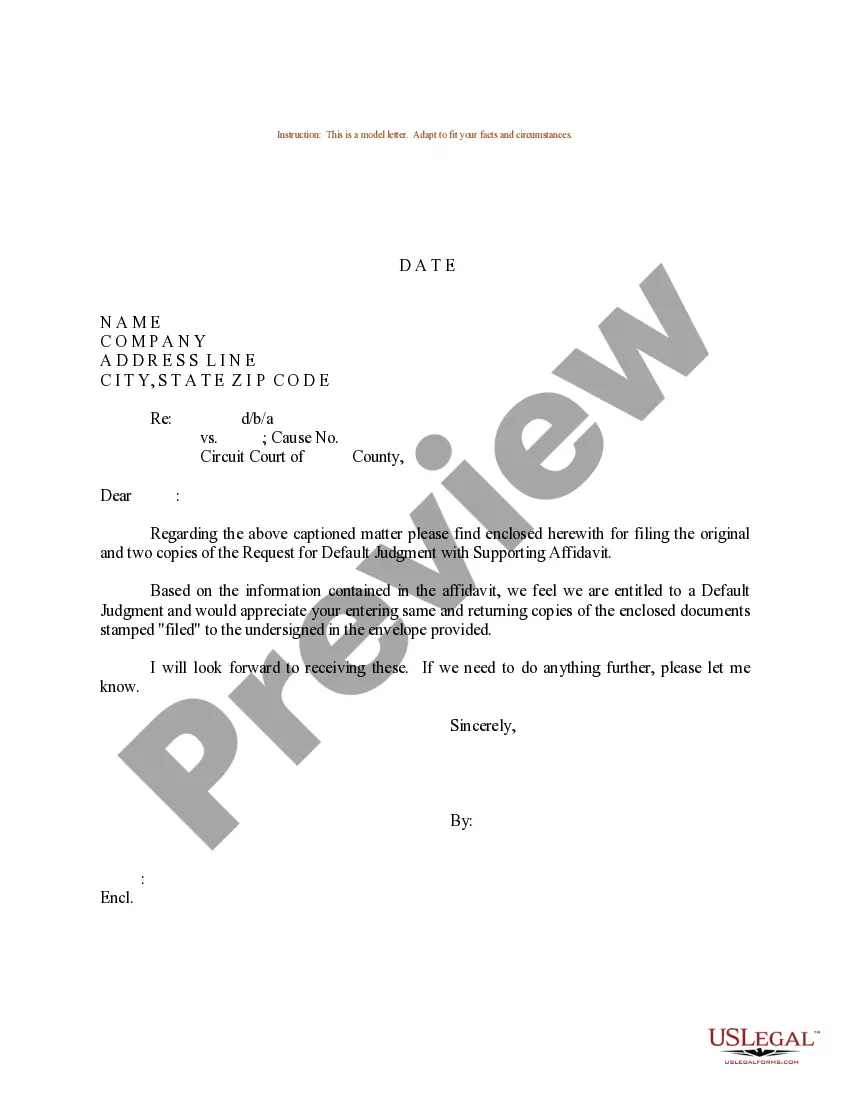
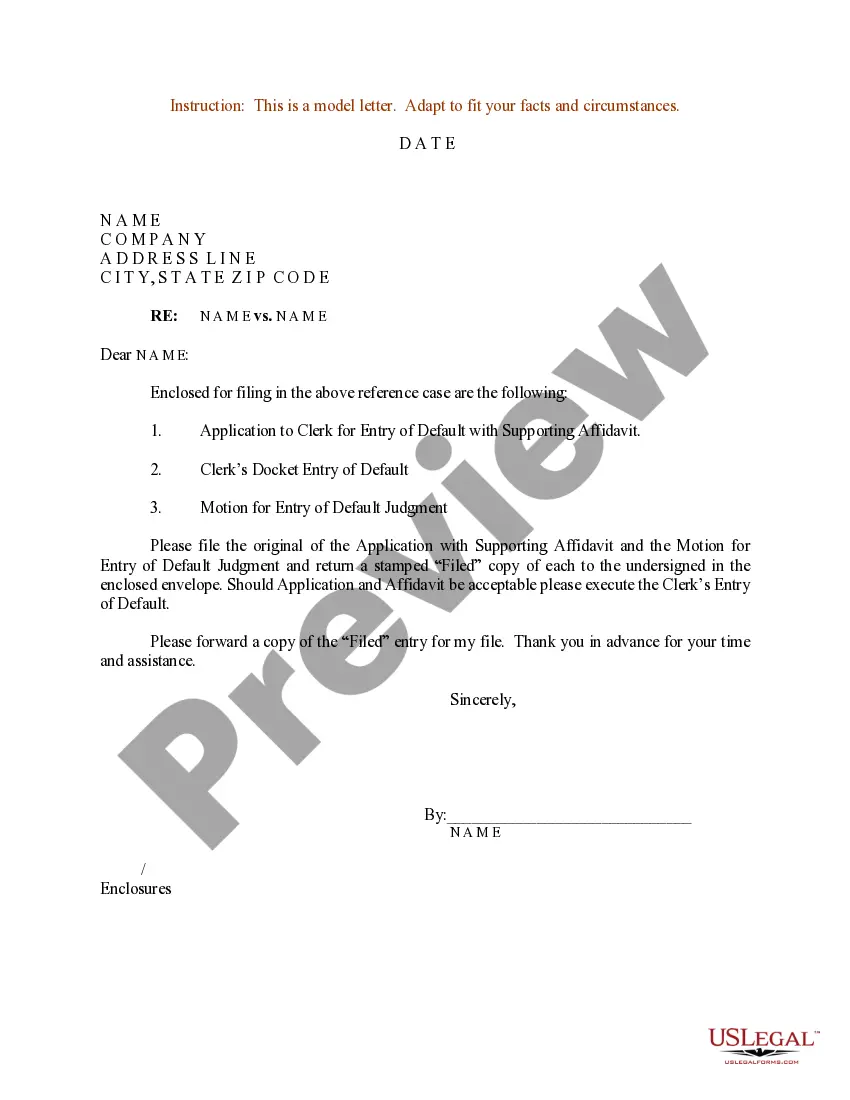
The Court will strike all motions for default judgment that fail to provide sufficient notice. The moving party shall also append as exhibits to the motion for default judgment: (1) a copy of the Clerk's entry of default; (2) supporting affidavits or declarations; and (3) a proposed form of default judgment.
Prove-ups are specific hearings in which divorcing parties “prove-up” (or present) their petition, marital settlement agreement, and parenting plan. The judge follows Illinois laws when deciding whether to approve or disapprove the paperwork.
In this process, a judge (rather than a clerk) determines how much the plaintiff can collect after reviewing the amount requested by the plaintiff, which may require a court hearing. Once the default prove-up process is finished and a ruling by the judge is provided, the case is complete.
Uncontested means cases in which there is no opposition by another party to any issue before the court.
