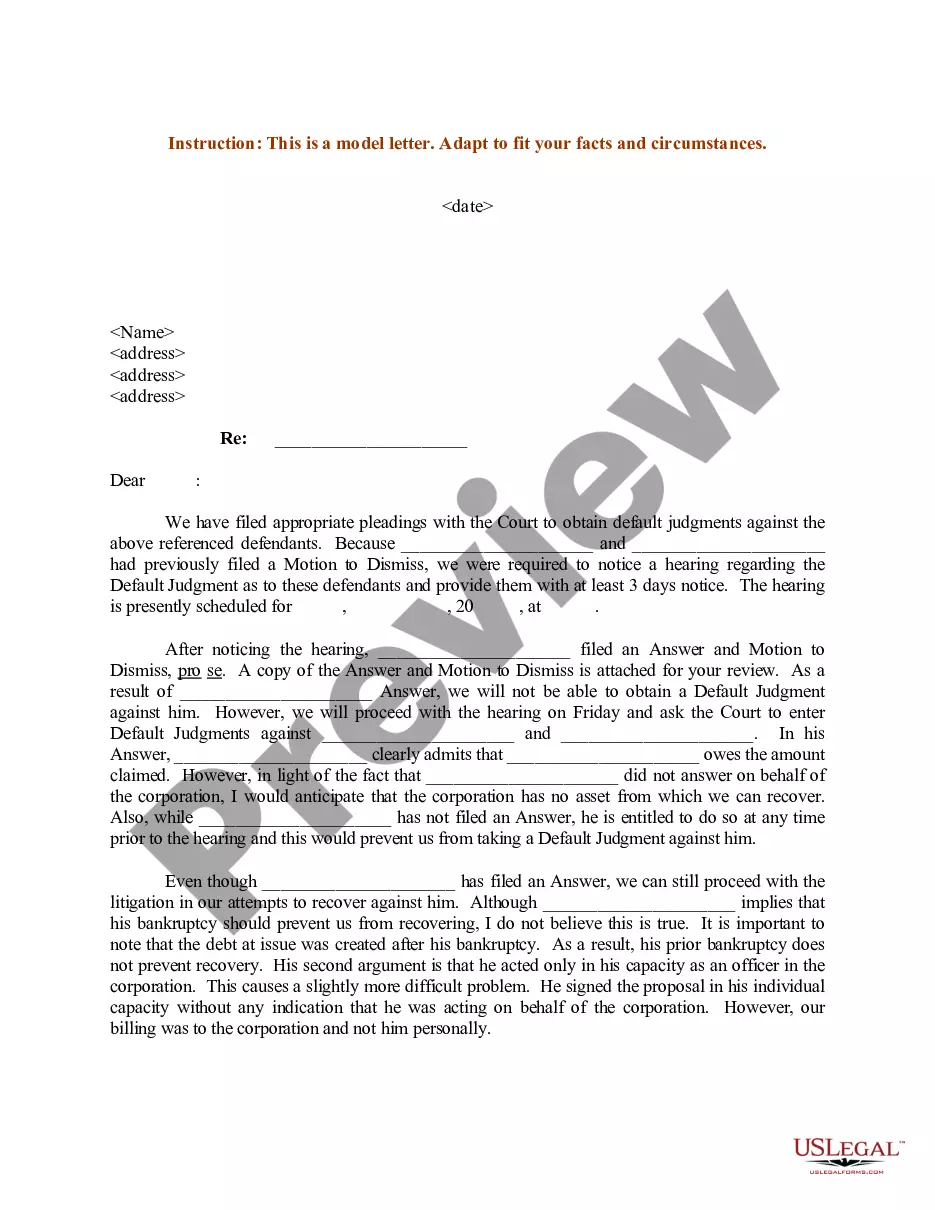
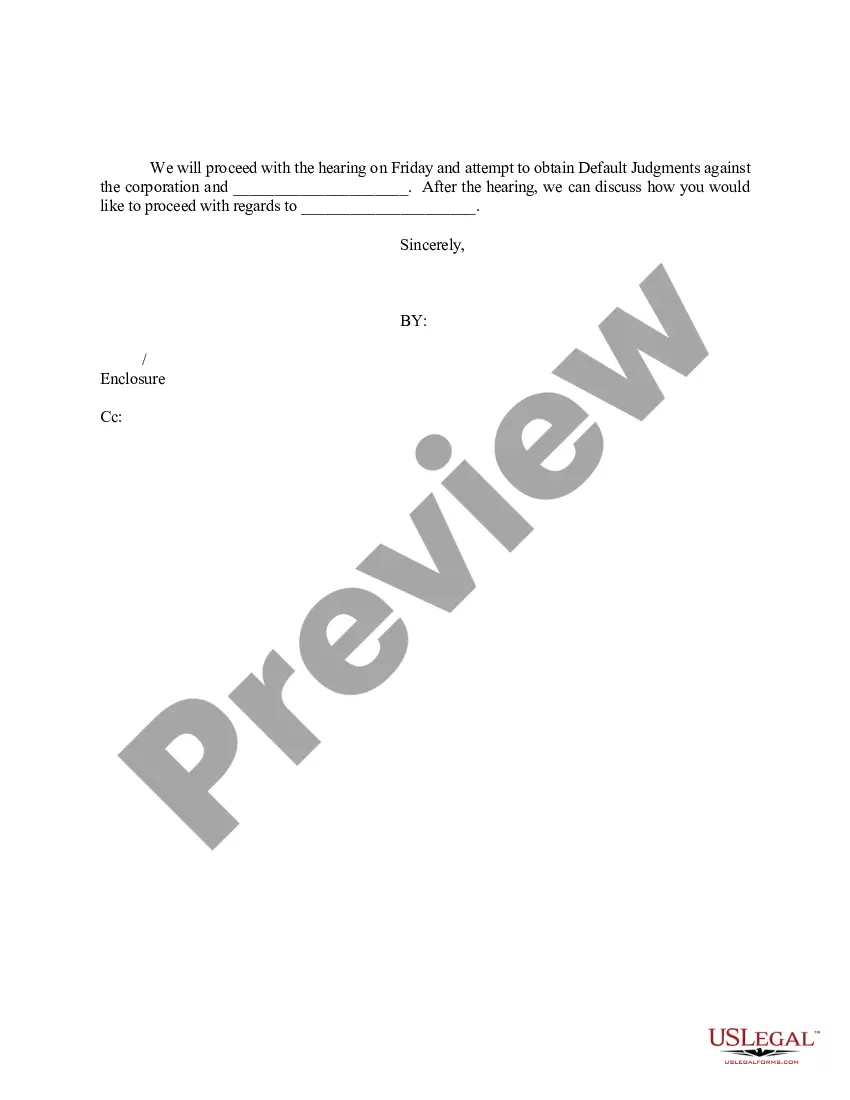
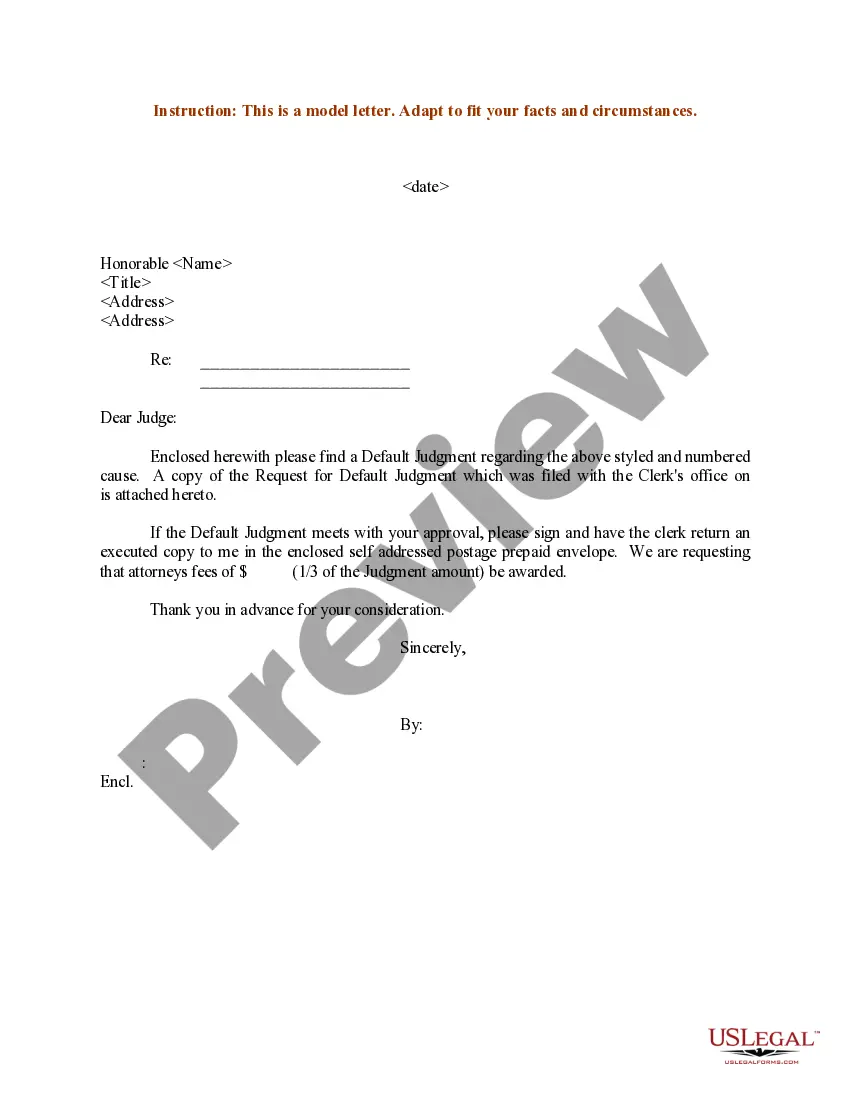
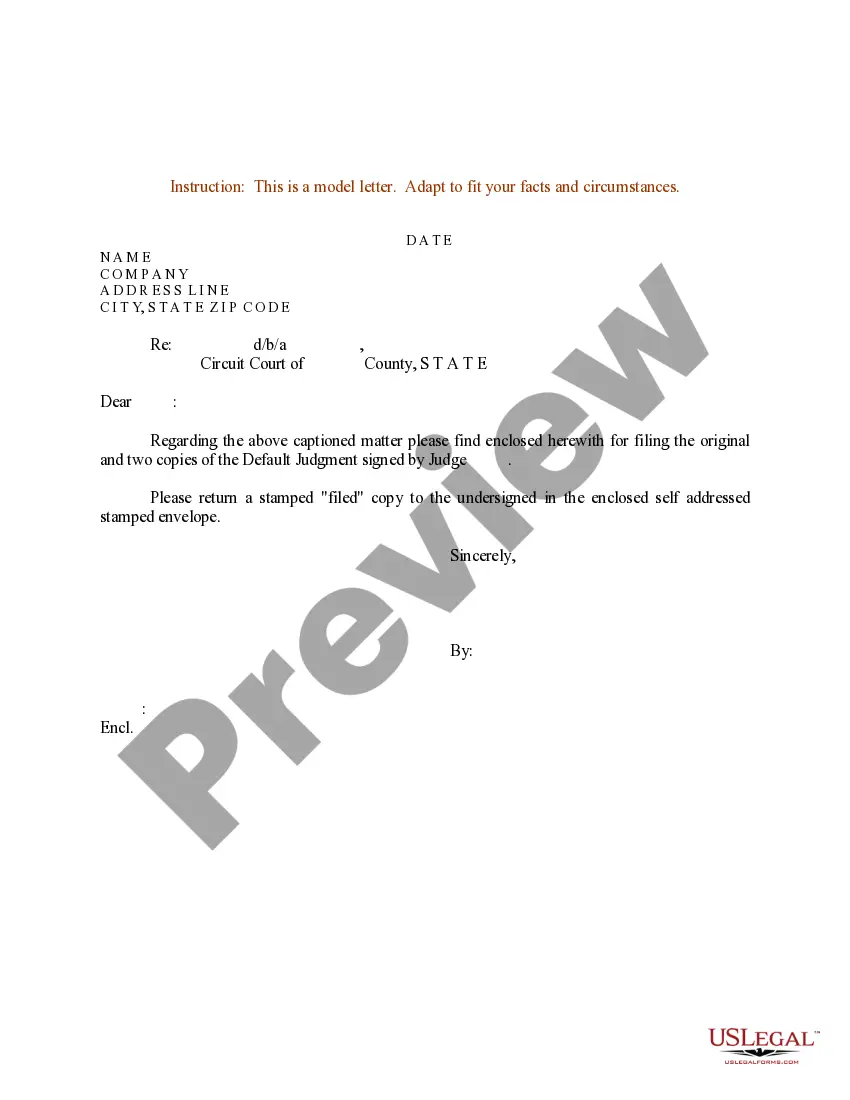
Letter Requesting Motion To Vacate Order Of Default Form In Allegheny
Description
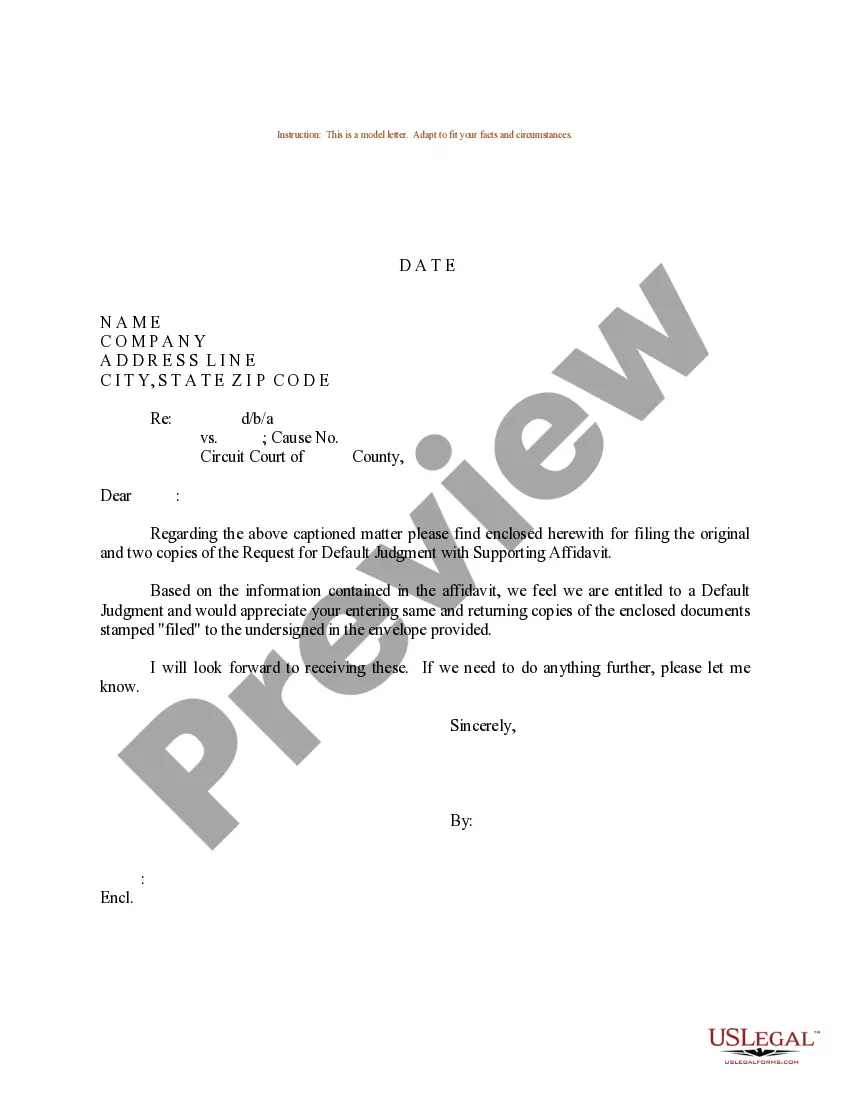
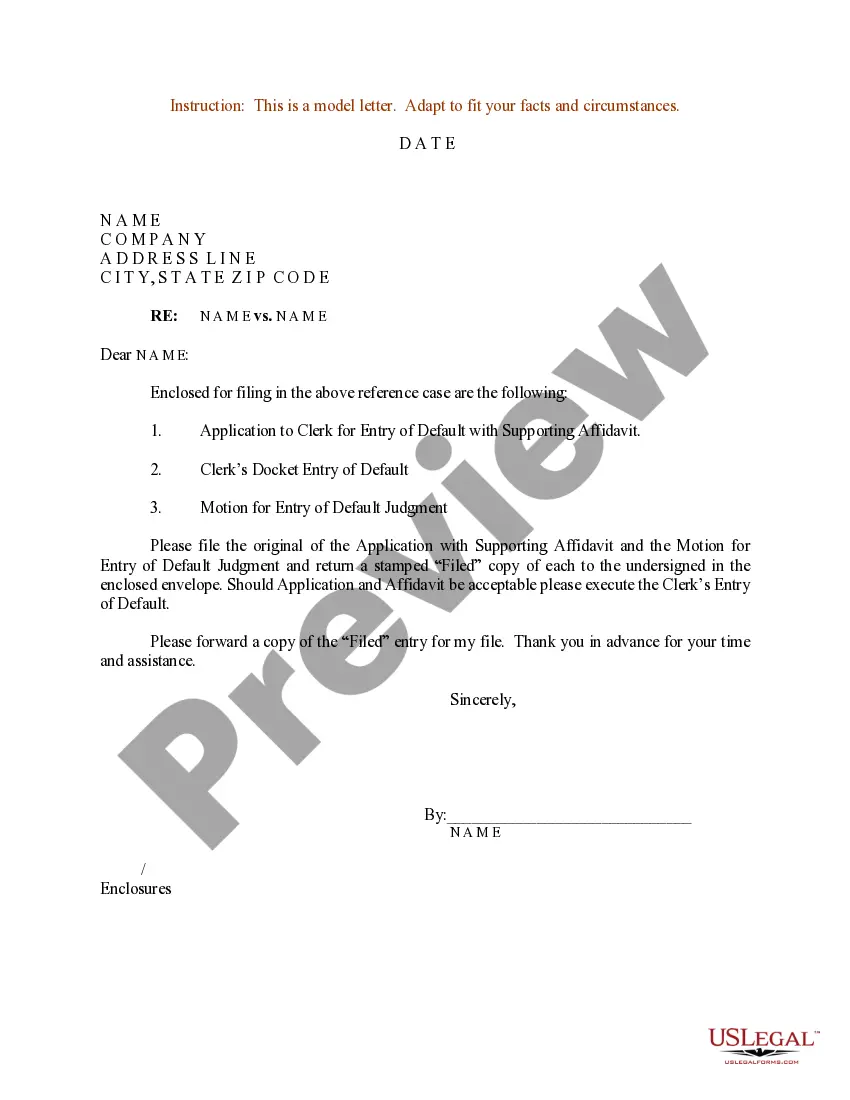
Get your form ready online
Our built-in tools help you complete, sign, share, and store your documents in one place.
Make edits, fill in missing information, and update formatting in US Legal Forms—just like you would in MS Word.
Download a copy, print it, send it by email, or mail it via USPS—whatever works best for your next step.
Sign and collect signatures with our SignNow integration. Send to multiple recipients, set reminders, and more. Go Premium to unlock E-Sign.
If this form requires notarization, complete it online through a secure video call—no need to meet a notary in person or wait for an appointment.
We protect your documents and personal data by following strict security and privacy standards.

Make edits, fill in missing information, and update formatting in US Legal Forms—just like you would in MS Word.

Download a copy, print it, send it by email, or mail it via USPS—whatever works best for your next step.

Sign and collect signatures with our SignNow integration. Send to multiple recipients, set reminders, and more. Go Premium to unlock E-Sign.

If this form requires notarization, complete it online through a secure video call—no need to meet a notary in person or wait for an appointment.

We protect your documents and personal data by following strict security and privacy standards.
Looking for another form?



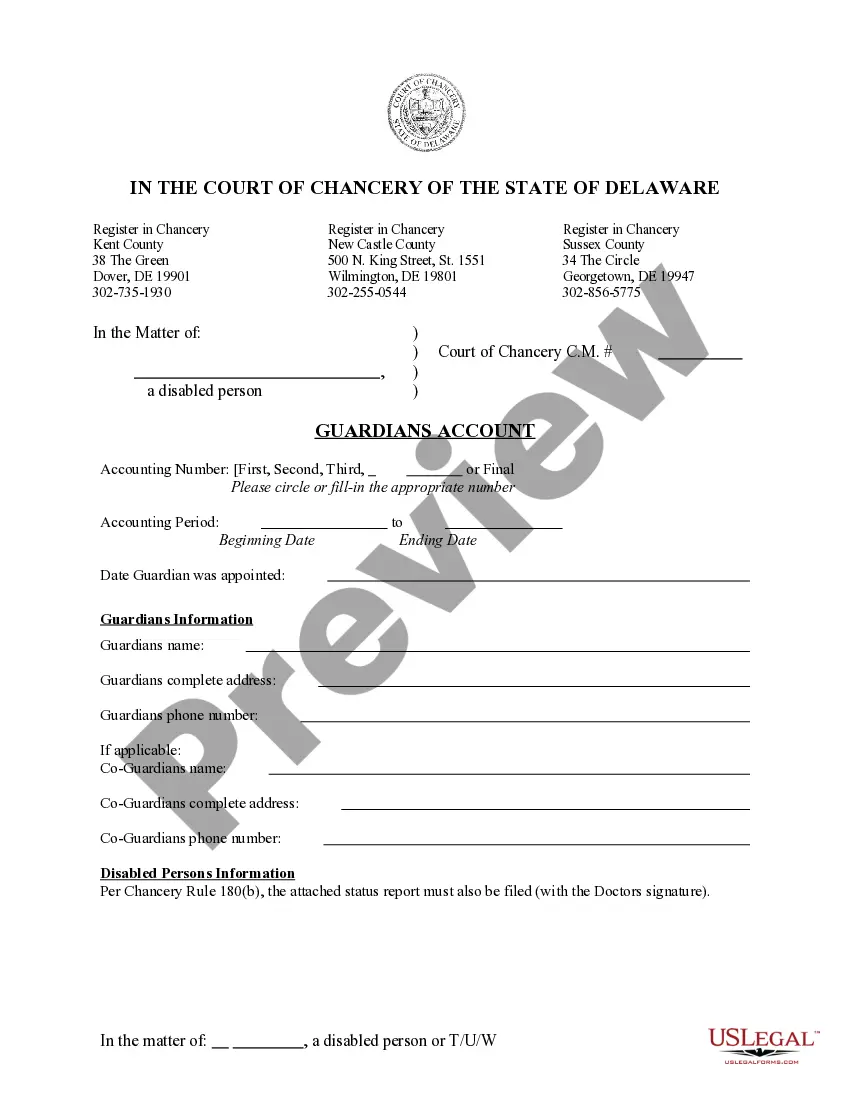






Form popularity
FAQ
You start a lawsuit by filing a complaint. In some circumstances, you file a petition or a motion. The court has several complaint forms that you may use in drafting your complaint. The forms are available online and at the Pro Se Intake Unit.
Civil lawsuits occur when individuals have a disagreement involving what legal responsibilities they may or may not have with each other. Criminal lawsuits, however, involve felonies and misdemeanors — specific crimes with punishment attached.
To vacate a default, your motion papers must show a good reason or excuse for your default and that your claims or defenses have legal merit. Whenever a motion is to be brought, the person filing the motion is called the moving party or the movant.
A defendant can challenge the entry of default by filing a motion pursuant to Federal Rule of Civil Procedure 55(c), which allows the court to set it aside for “good cause” shown. Under certain circumstances, the court is required to do so.
For that purpose the judgment debtor should approach the plaintiff/judgment creditor or his/her/its attorney to obtain the written consent to rescission of judgment. There is however no requirement in law that obliges a plaintiff/judgment creditor to give a consent to rescission of judgment.
If you don't file an Answer or you miss a court date, the party suing you will ask the court for a default judgment against you. You can ask the court to vacate (undo) the default judgment. If the judgment is vacated and the case is put back on the court's calendar and the case will continue.
If you do not think the default judgment was appropriately entered against you, you must file a motion with the court asking the judge to “set aside” (void or nullify) the judgment. If the judge grants your motion, the case starts back up again.
If the complaint is against a United States District Judge, a United States Bankruptcy Judge, or a United States Magistrate Judge, you must file it at the clerk's office of the United States Court of Appeals for the region (“circuit”) in which the judge serves.
Call the Allegheny County Department of Court Records at (412) 350-4201 and tell them you're looking for information on a legal name change. They will describe the entire process to you, including estimated costs, and mail you the necessary forms. As of September 2017, these are the name change petition forms.
Magisterial District Judges handle all traffic cases, minor criminal cases, and civil cases involving amounts up to $12,000.