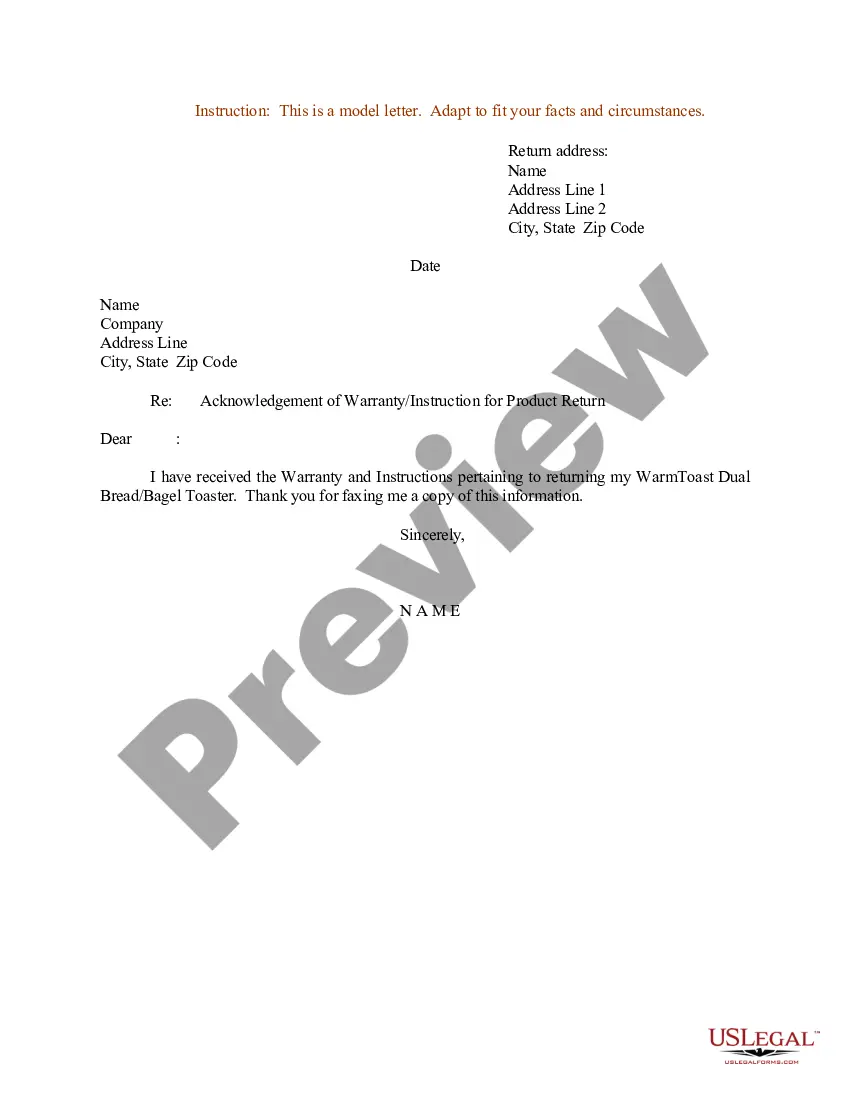
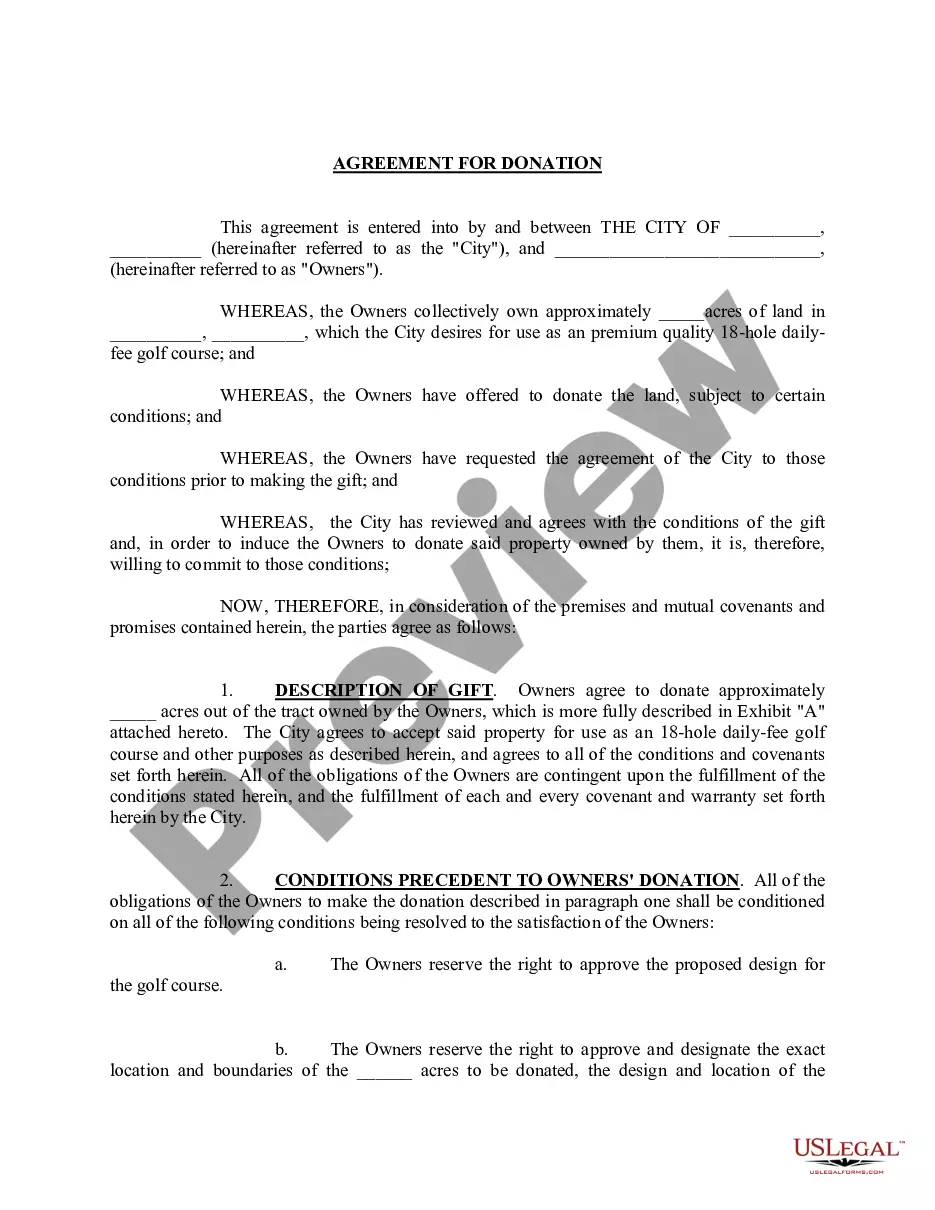
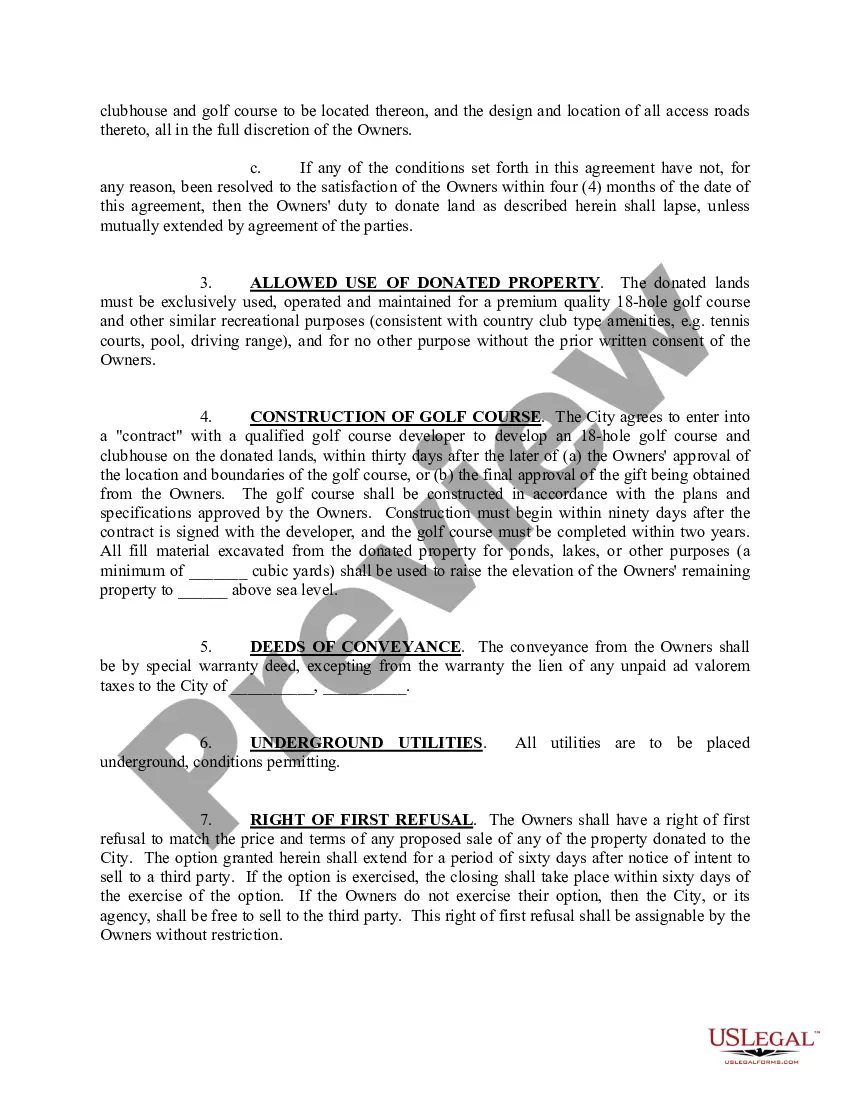
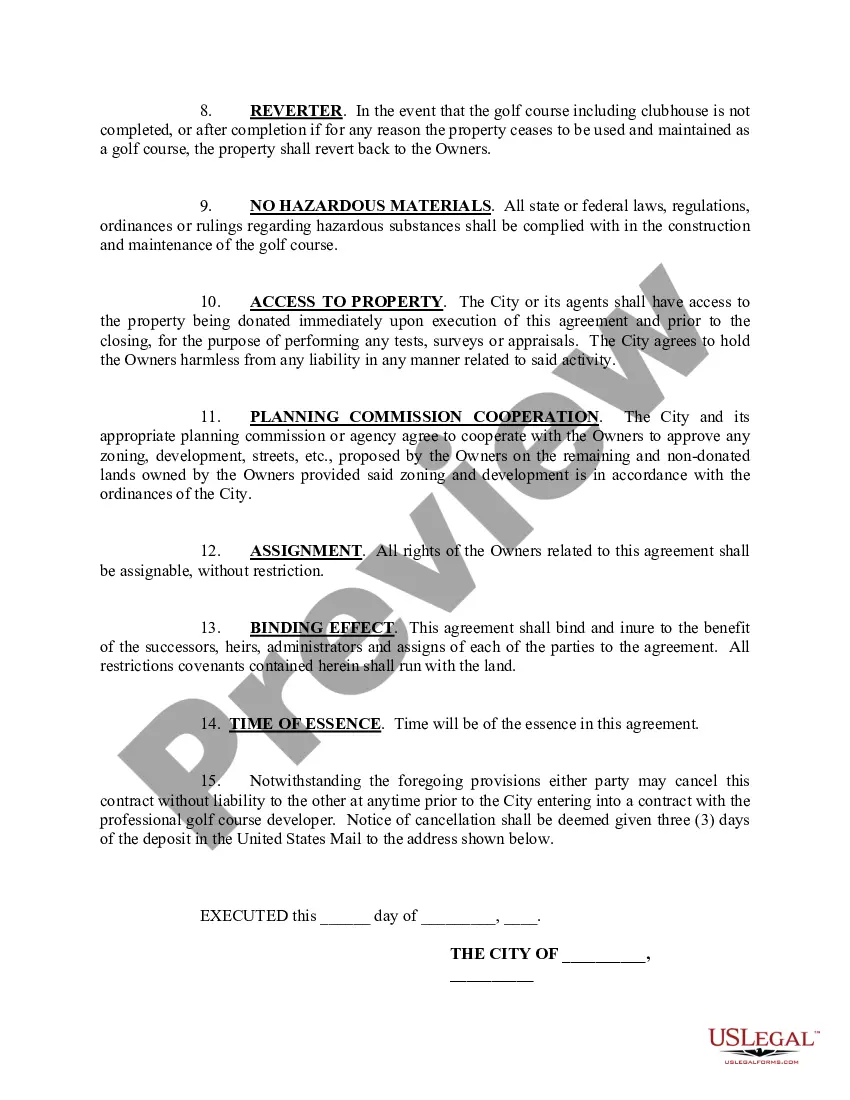
Donación Terreno Within 100 In Pennsylvania
Description

Get your form ready online
Our built-in tools help you complete, sign, share, and store your documents in one place.
Make edits, fill in missing information, and update formatting in US Legal Forms—just like you would in MS Word.
Download a copy, print it, send it by email, or mail it via USPS—whatever works best for your next step.
Sign and collect signatures with our SignNow integration. Send to multiple recipients, set reminders, and more. Go Premium to unlock E-Sign.
If this form requires notarization, complete it online through a secure video call—no need to meet a notary in person or wait for an appointment.
We protect your documents and personal data by following strict security and privacy standards.

Make edits, fill in missing information, and update formatting in US Legal Forms—just like you would in MS Word.

Download a copy, print it, send it by email, or mail it via USPS—whatever works best for your next step.

Sign and collect signatures with our SignNow integration. Send to multiple recipients, set reminders, and more. Go Premium to unlock E-Sign.

If this form requires notarization, complete it online through a secure video call—no need to meet a notary in person or wait for an appointment.

We protect your documents and personal data by following strict security and privacy standards.
Looking for another form?


Form popularity
FAQ
Assets owned jointly between spouses, such as joint bank accounts and real estate owned jointly with right of survivorship, are not subject to Pennsylvania inheritance tax. Additionally, there is no need to even report property owned jointly between spouses on the Pennsylvania inheritance tax return.
The tax rate for Pennsylvania Inheritance Tax is 4.5% for transfers to direct descendants (lineal heirs), 12% for transfers to siblings, and 15% for transfers to other heirs (except charitable organizations, exempt institutions, and government entities that are exempt from tax).
The tax rate for Pennsylvania Inheritance Tax is 4.5% for transfers to direct descendants (lineal heirs), 12% for transfers to siblings, and 15% for transfers to other heirs (except charitable organizations, exempt institutions, and government entities that are exempt from tax).
The family exemption is a right given to specific individuals to retain or claim certain types of a decedent's property in ance with Section 3121 of the Probate, Estate and Fiduciaries Code. For decedents dying after January 29, 1995, the family exemption is $3,500.
While the federal tax uses a three-year look back period for gifts made by the decedent, there is a one-year look back period for the Pennsylvania inheritance tax. All gifts made within the year prior to the decedent's death are subject to the inheritance tax.