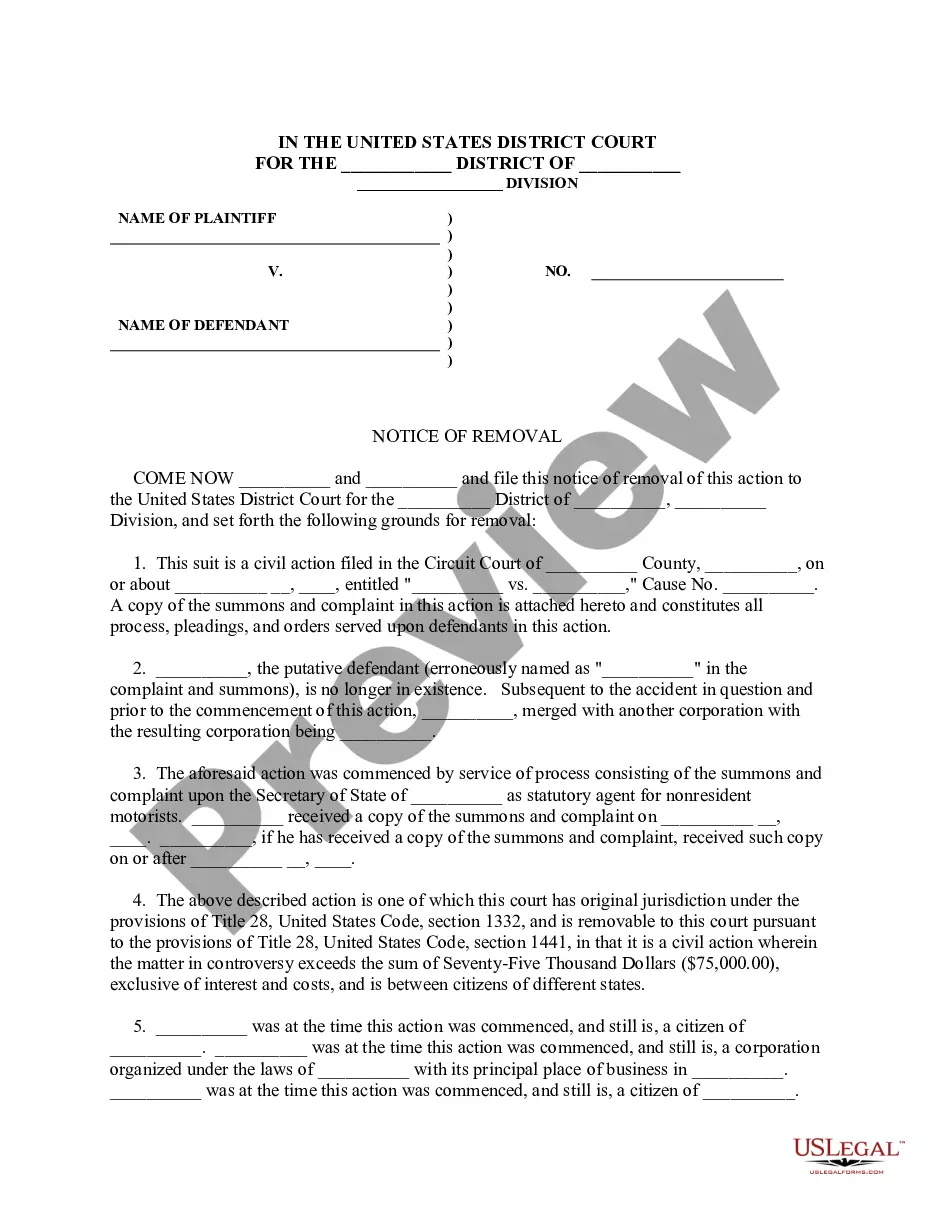
Donation For Land In Michigan
Description
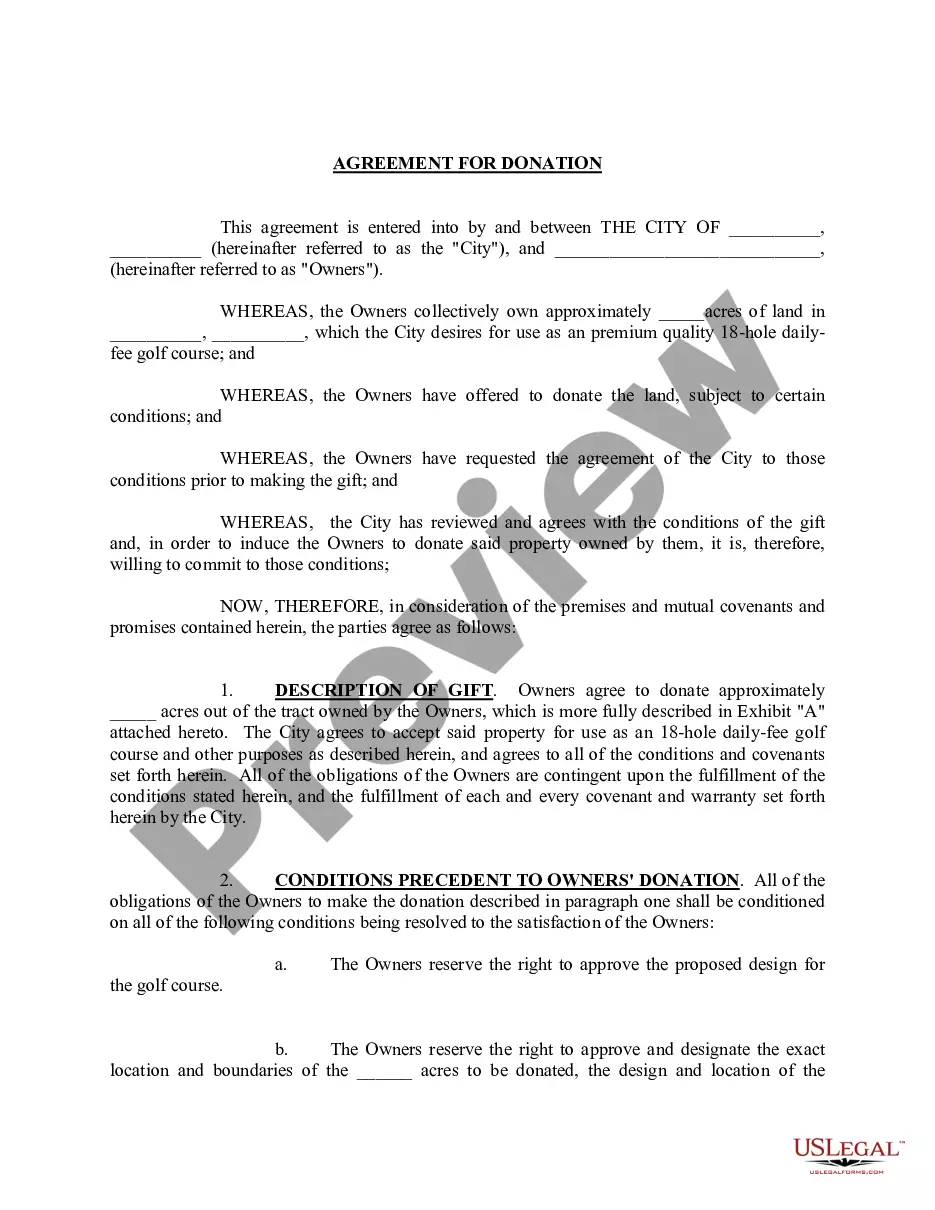
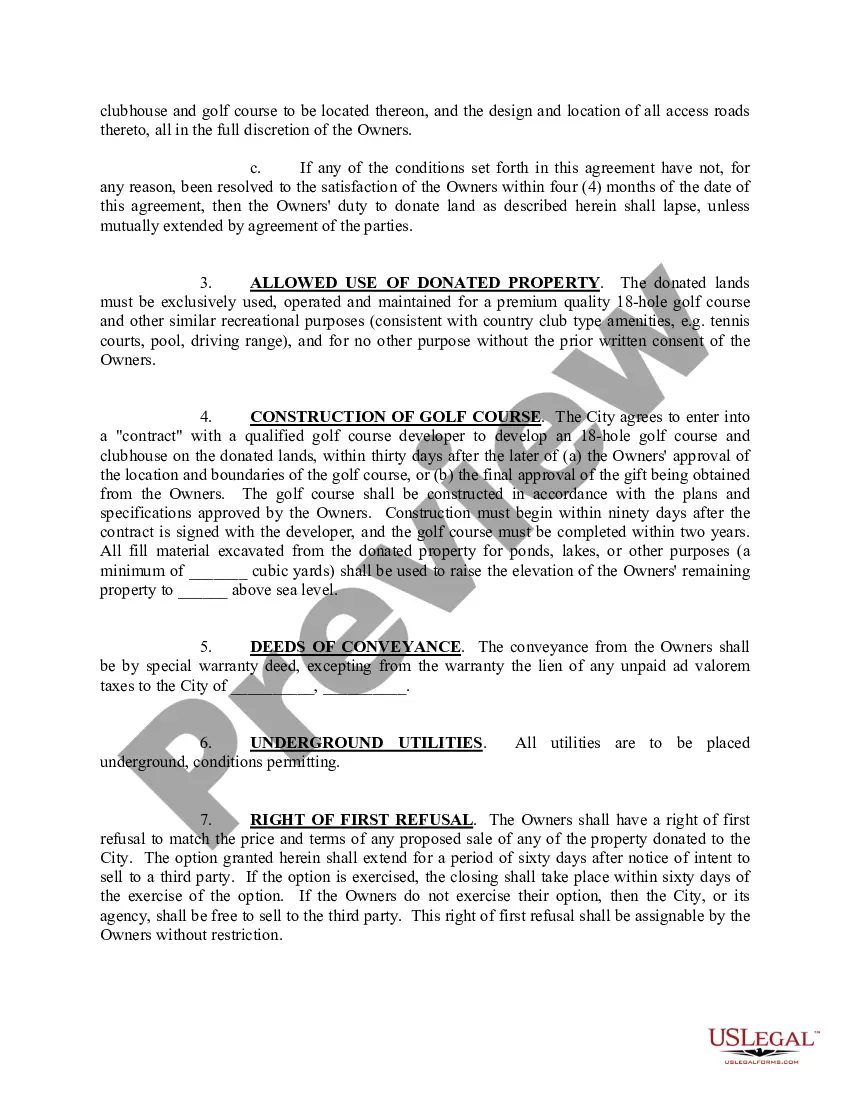
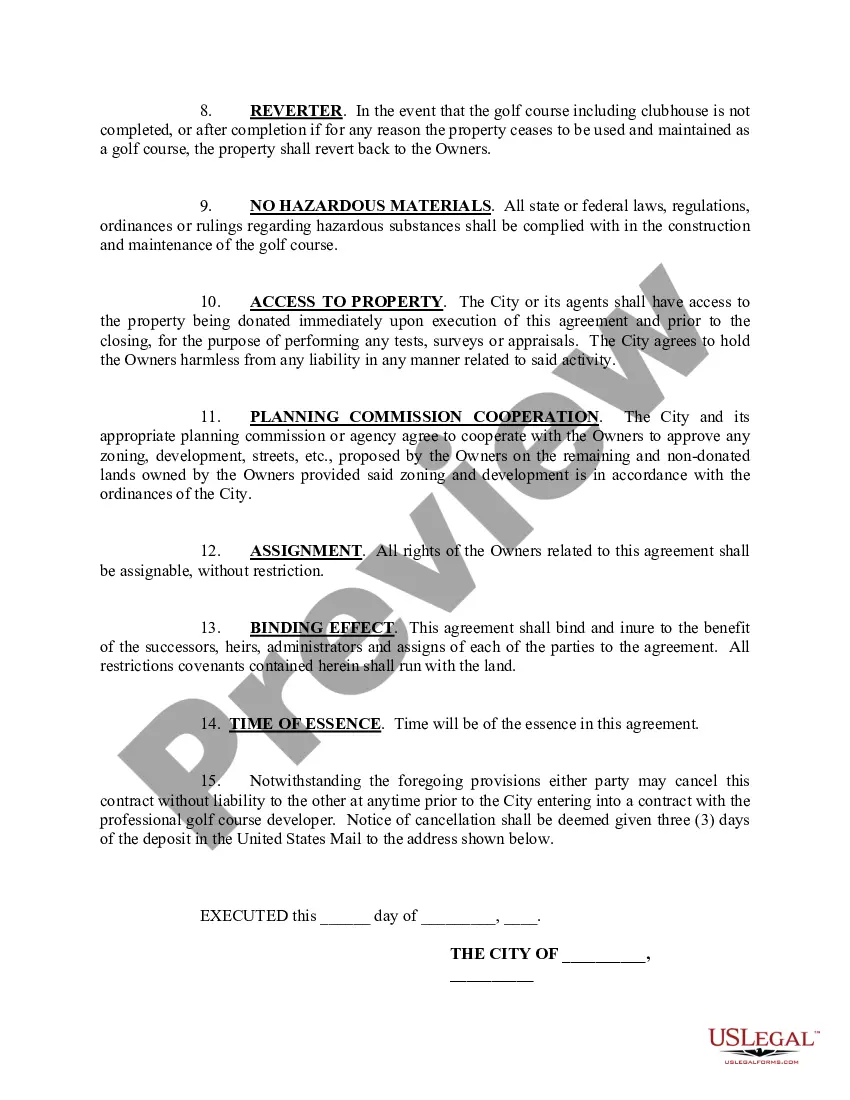
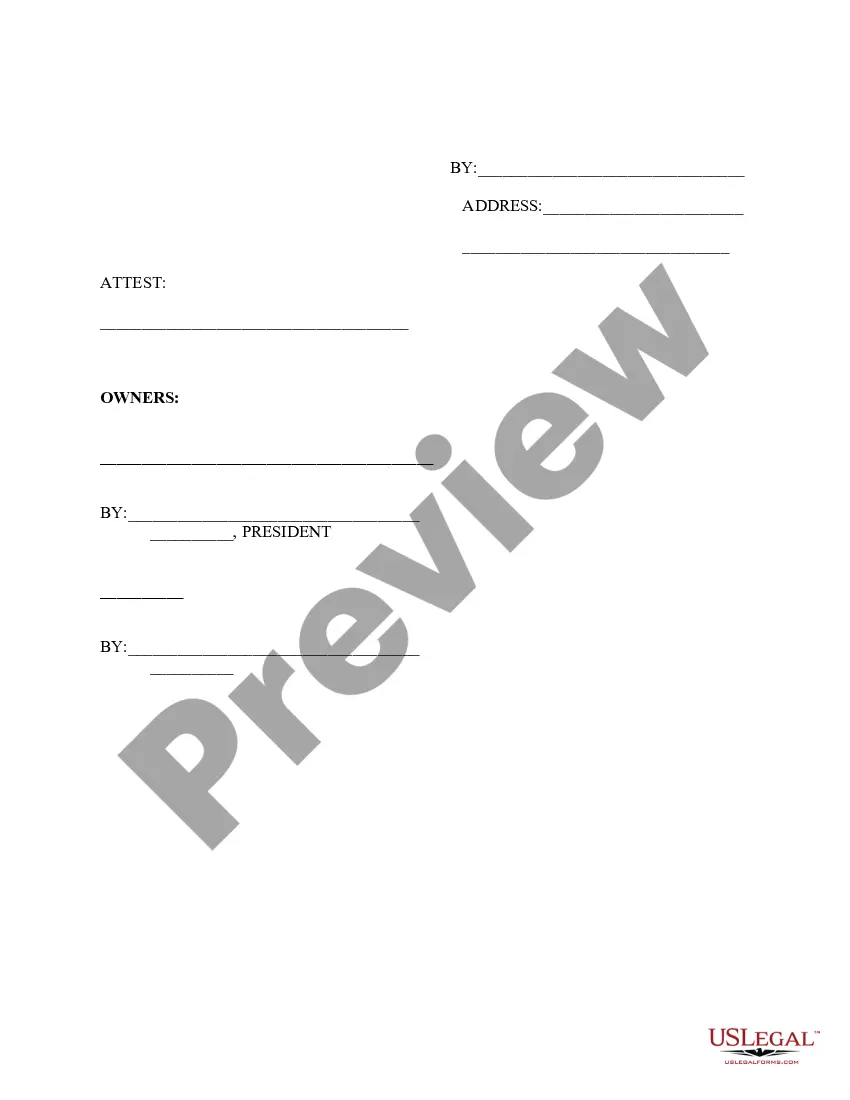
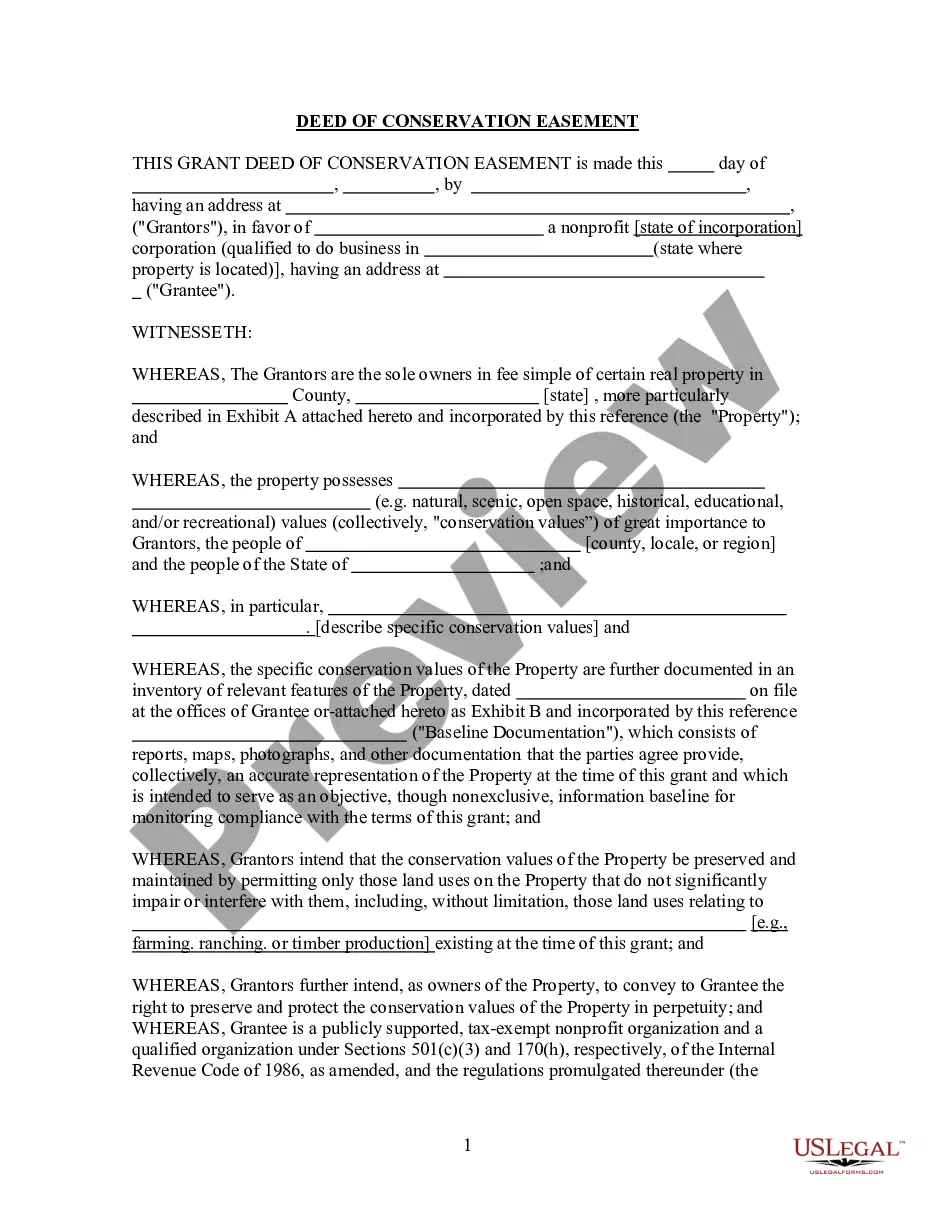
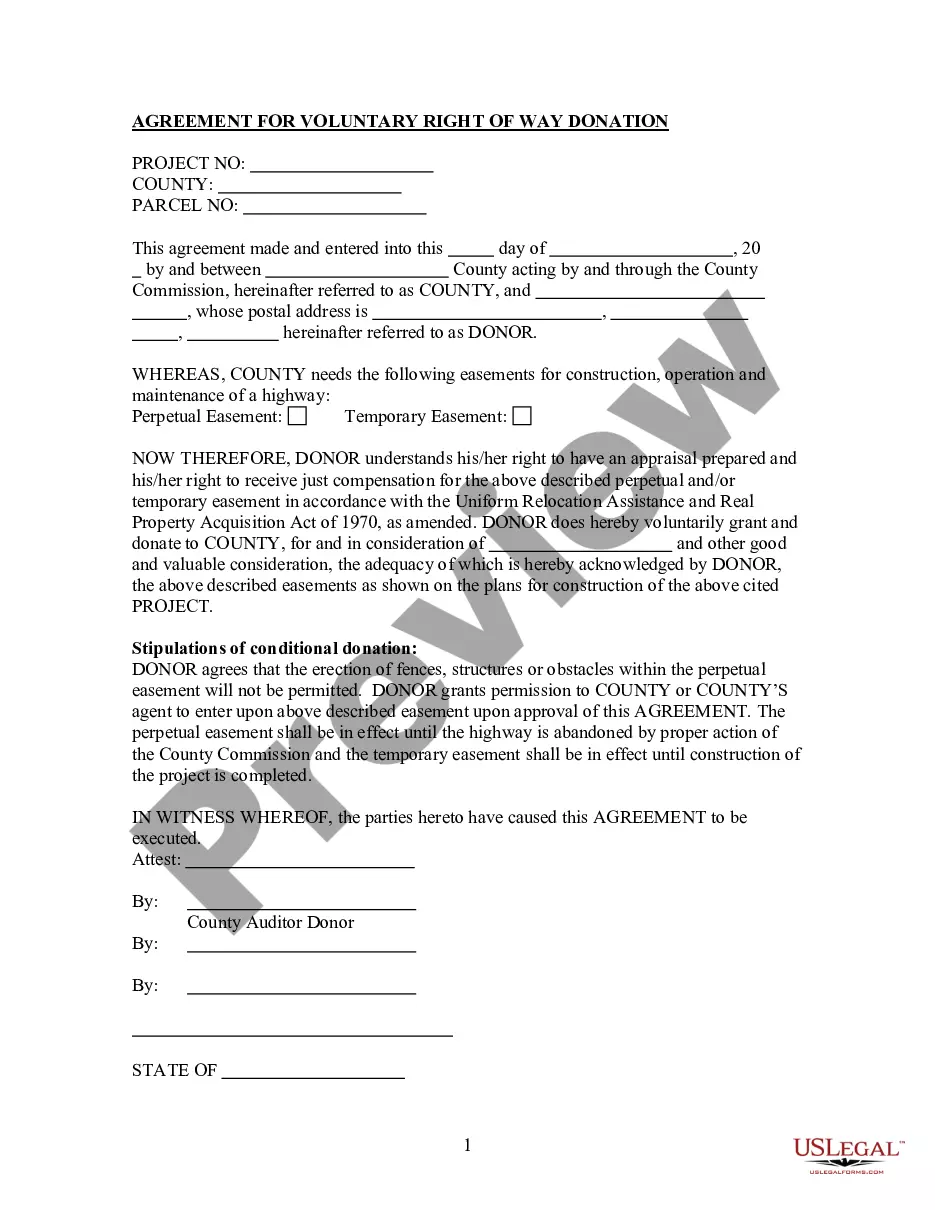
Get your form ready online
Our built-in tools help you complete, sign, share, and store your documents in one place.
Make edits, fill in missing information, and update formatting in US Legal Forms—just like you would in MS Word.
Download a copy, print it, send it by email, or mail it via USPS—whatever works best for your next step.
Sign and collect signatures with our SignNow integration. Send to multiple recipients, set reminders, and more. Go Premium to unlock E-Sign.
If this form requires notarization, complete it online through a secure video call—no need to meet a notary in person or wait for an appointment.
We protect your documents and personal data by following strict security and privacy standards.

Make edits, fill in missing information, and update formatting in US Legal Forms—just like you would in MS Word.

Download a copy, print it, send it by email, or mail it via USPS—whatever works best for your next step.

Sign and collect signatures with our SignNow integration. Send to multiple recipients, set reminders, and more. Go Premium to unlock E-Sign.

If this form requires notarization, complete it online through a secure video call—no need to meet a notary in person or wait for an appointment.

We protect your documents and personal data by following strict security and privacy standards.
Looking for another form?









Form popularity
FAQ
Most conservation easements are intended to be perpetual, and removal can only occur if the terms explicitly allow it or if there is a compelling public interest.
The agency or land trust board will decide whether to approve the agreement. If it does, and if your title, mortgage (if any) and IRS requirements are met, you may finalize the conservation easement. The signed documents will need to be recorded at the county courthouse. Build your partnership.
What Are Michigan's Easement Laws? Michigan law defines three types of easements: regular, necessity, and prescriptive. One property owner may grant regular easements to another for a variety of reasons, and these are usually regulated between the property owner and the property user.
(a) "Conservation easement" means an interest in land that provides limitation on the use of land or a body of water or requires or prohibits certain acts on or with respect to the land or body of water, whether or not the interest is stated in the form of a restriction, easement, covenant, or condition in a deed, will ...
Drawbacks Of Conservation Easements Most conservation easements are permanent and bind all future landowners (including heirs). Conservation easement holders and farmers may not always share a common vision. Conservation easements can reduce the property's overall value, making the land worth less for future sales.
(a) "Conservation easement" means an interest in land that provides limitation on the use of land or a body of water or requires or prohibits certain acts on or with respect to the land or body of water, whether or not the interest is stated in the form of a restriction, easement, covenant, or condition in a deed, will ...
Income tax strategies—Donations to 501(c)(3) public charities qualify for an itemized deduction from income. Because the tax rate is then applied to a reduced income, this can minimize your overall tax liability.
Individuals may deduct qualified contributions of up to 100 percent of their adjusted gross income. A corporation may deduct qualified contributions of up to 25 percent of its taxable income. Contributions that exceed that amount can carry over to the next tax year.
If you give property to a qualified organization, you can generally deduct the fair market value (FMV) of the property at the time of the contribution.
In general, a person can get title to land owned by someone else by using the land exclusively, out in the open, without permission by the owner, and continuously and without interruption for the time period contained in state law for 15 years.