Meeting Board Directors Sample For Nonprofits In San Jose
Description



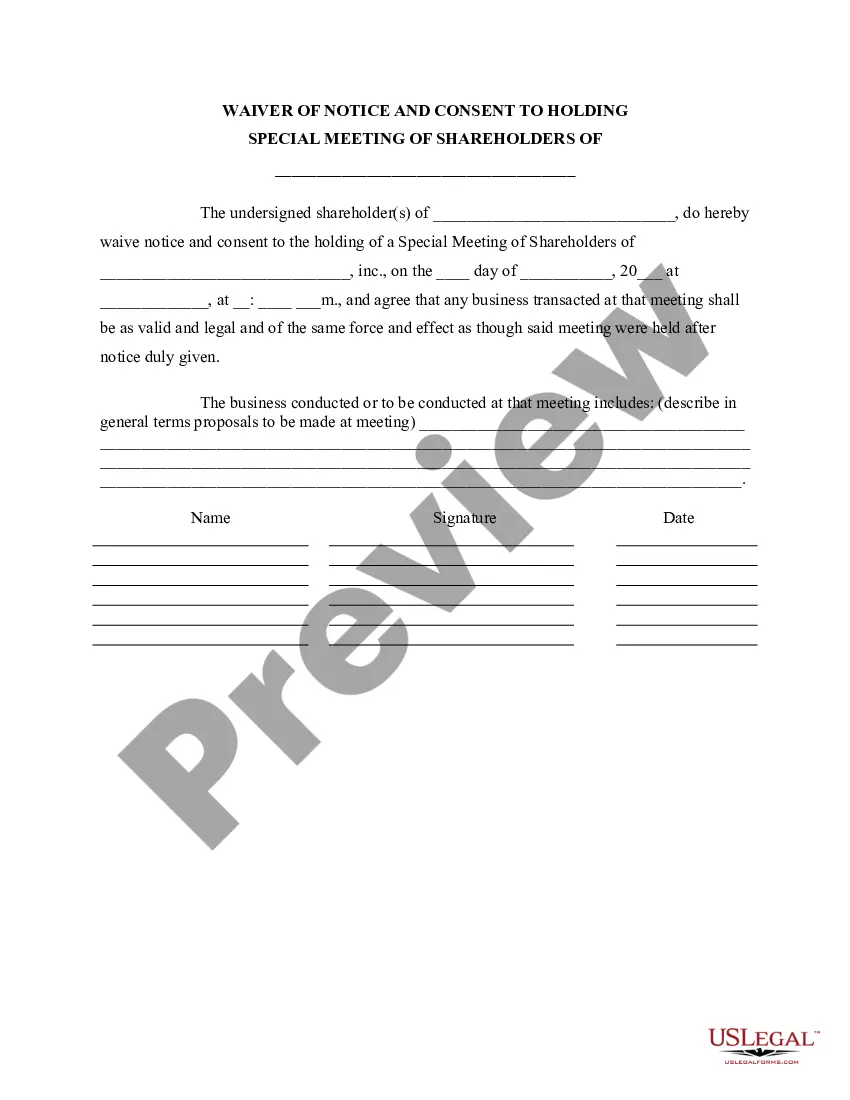
Get your form ready online
Our built-in tools help you complete, sign, share, and store your documents in one place.
Make edits, fill in missing information, and update formatting in US Legal Forms—just like you would in MS Word.
Download a copy, print it, send it by email, or mail it via USPS—whatever works best for your next step.
Sign and collect signatures with our SignNow integration. Send to multiple recipients, set reminders, and more. Go Premium to unlock E-Sign.
If this form requires notarization, complete it online through a secure video call—no need to meet a notary in person or wait for an appointment.
We protect your documents and personal data by following strict security and privacy standards.

Make edits, fill in missing information, and update formatting in US Legal Forms—just like you would in MS Word.

Download a copy, print it, send it by email, or mail it via USPS—whatever works best for your next step.

Sign and collect signatures with our SignNow integration. Send to multiple recipients, set reminders, and more. Go Premium to unlock E-Sign.

If this form requires notarization, complete it online through a secure video call—no need to meet a notary in person or wait for an appointment.

We protect your documents and personal data by following strict security and privacy standards.
Looking for another form?
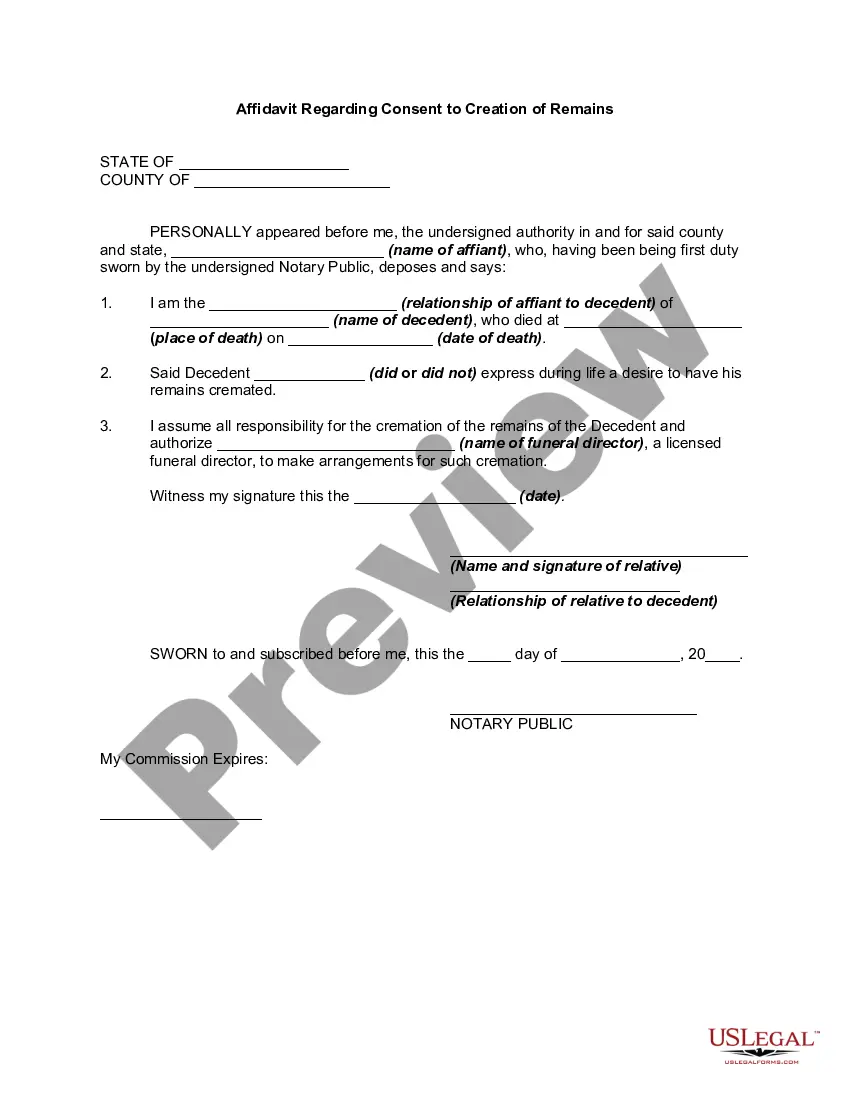


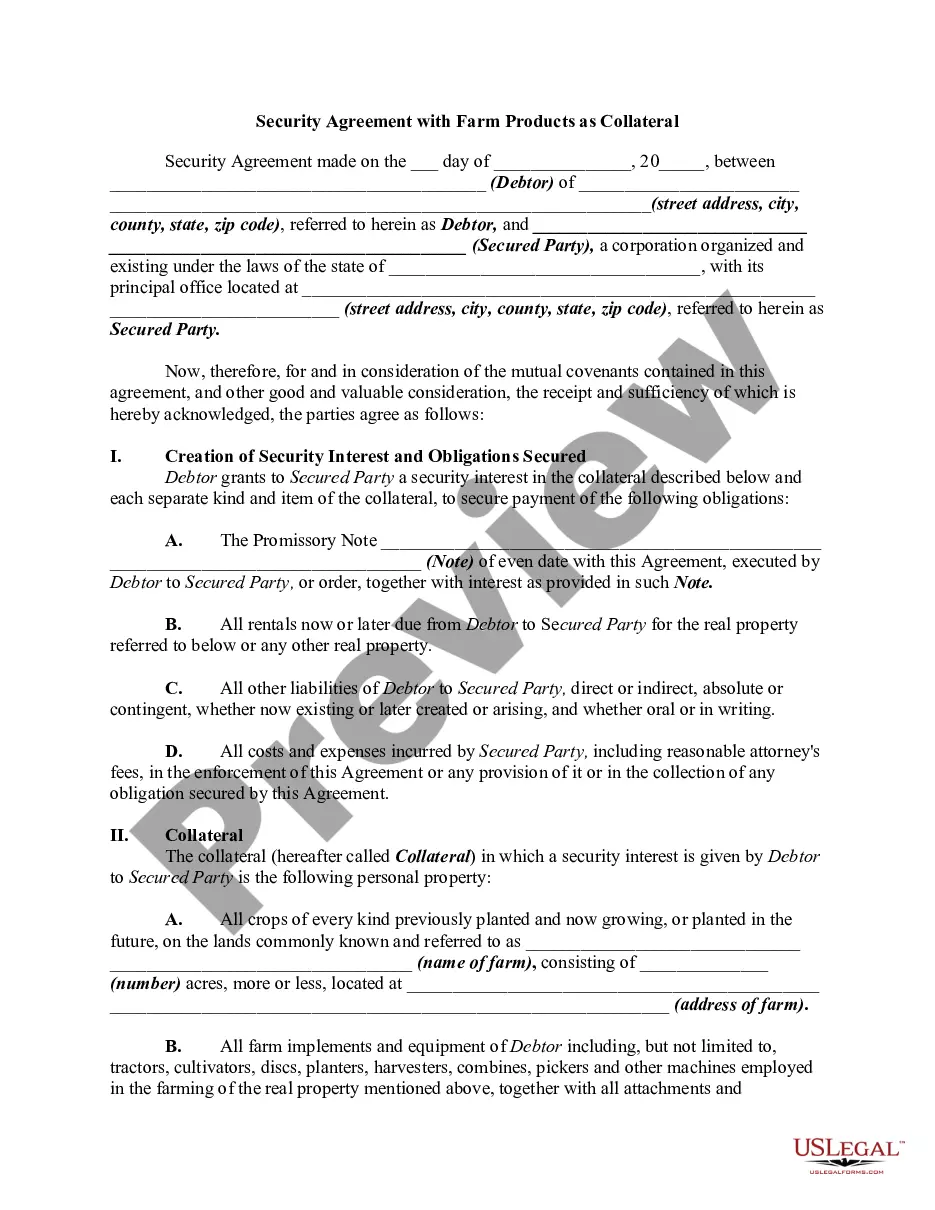
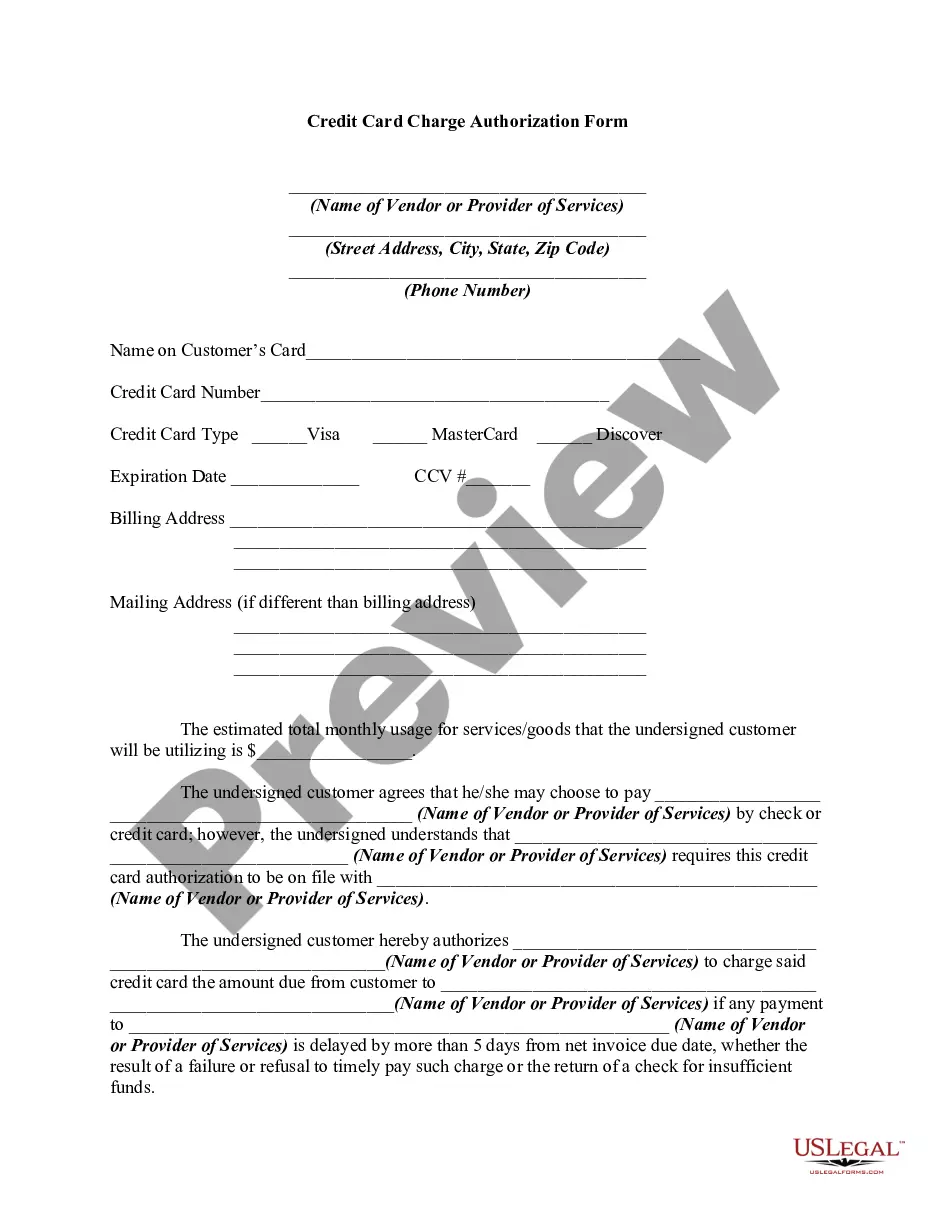
Form popularity
FAQ
To help you get started on your board report template, here's a list of sections that you should include: Executive Summary. Key Highlights (Most significant achievements or milestones) Key Performance Indicators (KPIs) Financial Performance. Operational Updates. Progress on Goals. Risk Assessment. Governance and Compliance.
What you should include in the board report? Executive Summary. Key Highlights (Most significant achievements or milestones) Key Performance Indicators (KPIs) Financial Performance. Operational Updates. Progress on Goals. Risk Assessment. Governance and Compliance.
Unless the nonprofit is a governmental entity, there is no obligation to open board meetings to the public.
The features of a good board report is that it is clear, relevant, provides comparable data, and is delivered in a timely manner. To be most effective, reports should cover recent current and upcoming projects along with a financial review and recommendations.
Under California law, you must have a quorum of at least two directors or one-fifth of all authorized directors (whichever is larger) to take valid action at a board meeting. Your organization's bylaws may set higher quorum limits, so be sure to take a look through them before proceeding.
Here's a step-by-step guide to help you get started: Thank Everyone for Attending. Summarize the Key Points. List Follow-up Tasks For the Next Meeting. Outline Important Decisions Made. Don't Forget the Details. Attach Any Relevant Files. Share It with Your Team.
The state of California requires that all board members serve at least one year, with a maximum of four years, unless otherwise stated in your organization's bylaws. The state of California requires a majority vote to meet quorum. Your board of directors will be legally and financially liable for the organization.
Effective steps for running productive board meetings Step 1 – get clear on the board chair role. Step 2 – ensure board members know their role. Step 3 – communicate before, during, and after the board meeting. Step 4 – use meeting time well: right agenda, right leadership. Step 5 – prepare for meetings effectively.
The state of California requires a minimum of one board member for each organization. It is recommended that your organization have at least three since the IRS will most likely not give 501(c)(3) status to an organization with less. 3-25 directors are recommended based on the size and purpose of your nonprofit.
A special meeting is a gathering of people that is called for a specific purpose or reason. It is different from a regular meeting because it is not scheduled in advance and is only held when necessary.
