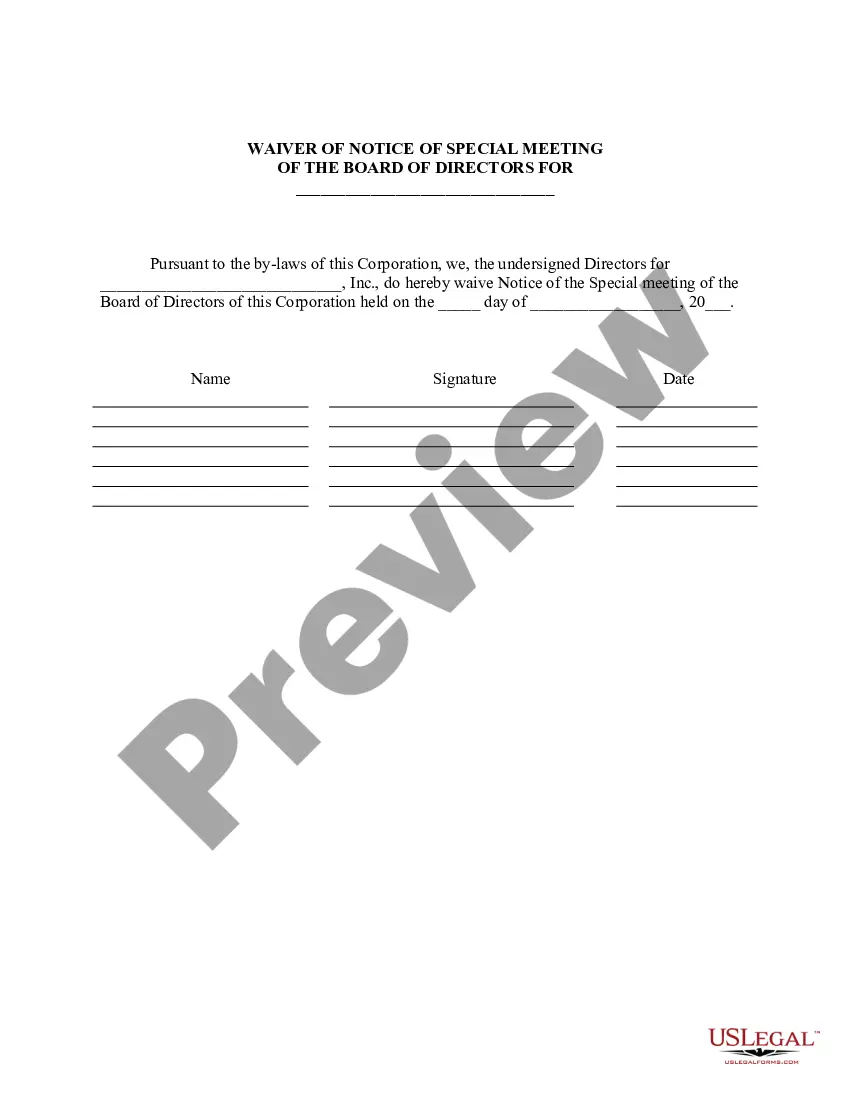
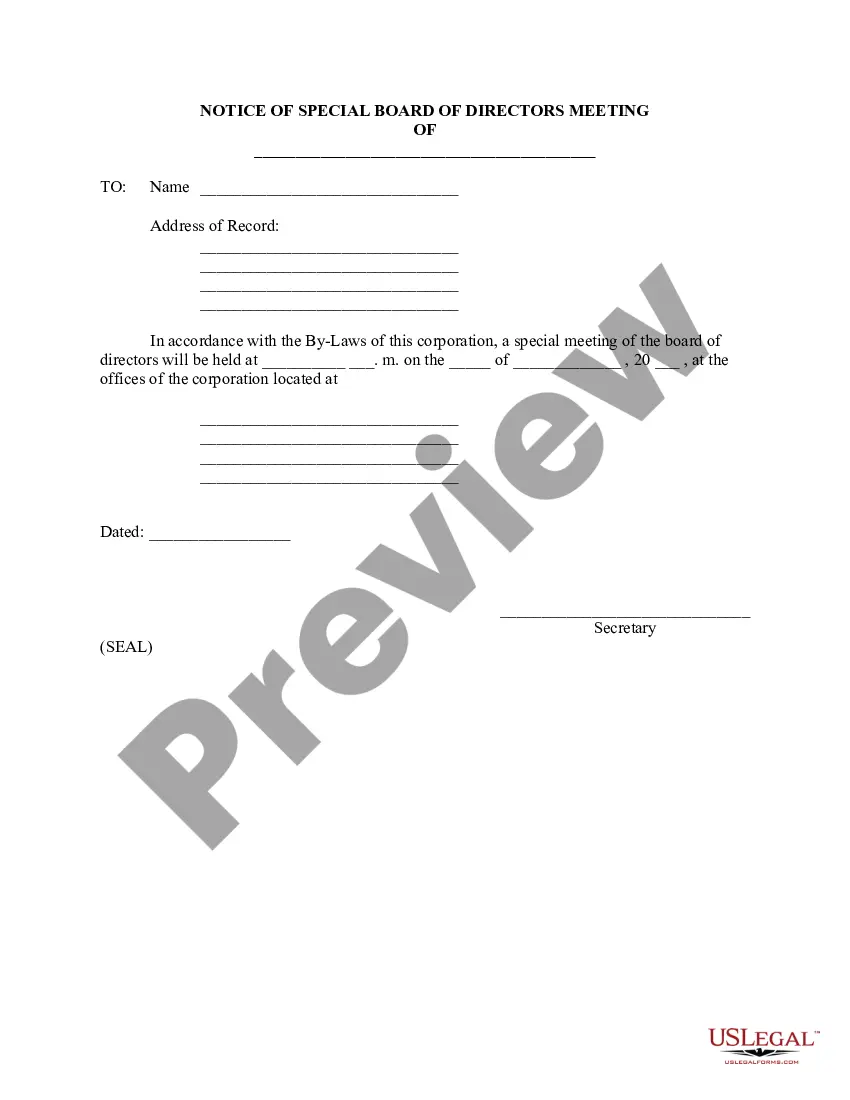
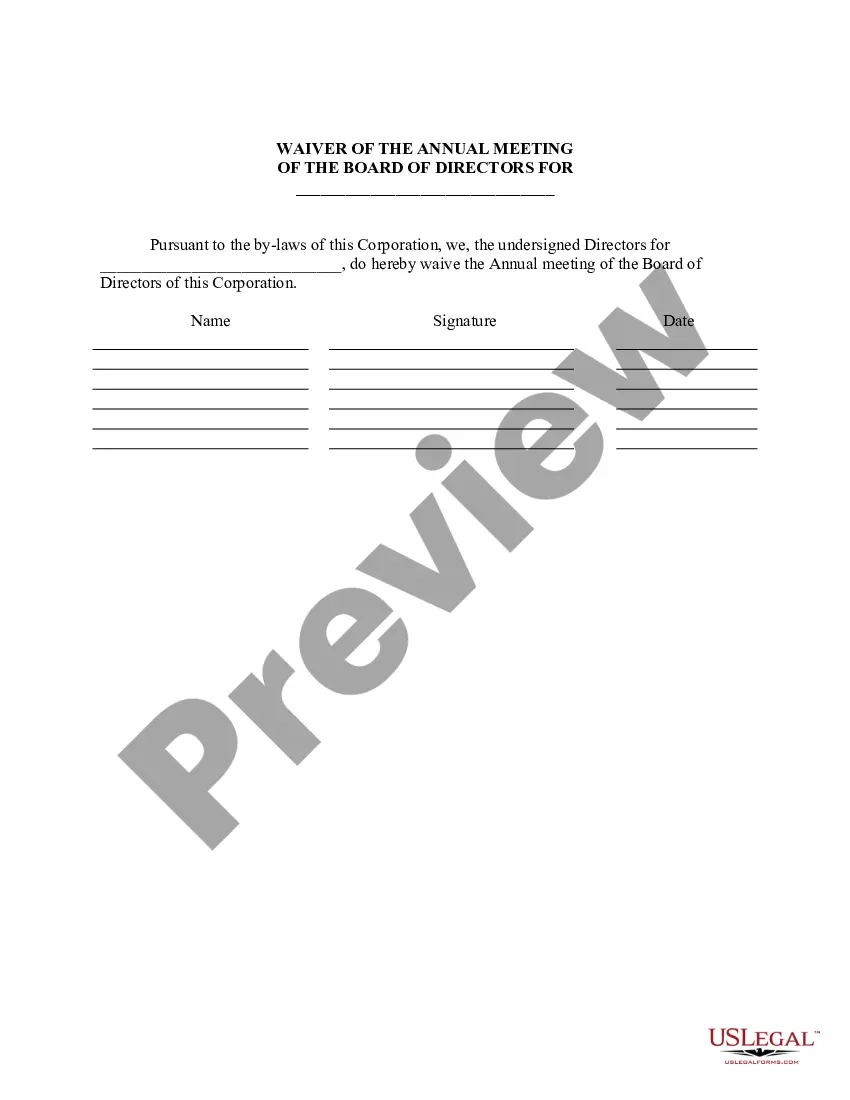
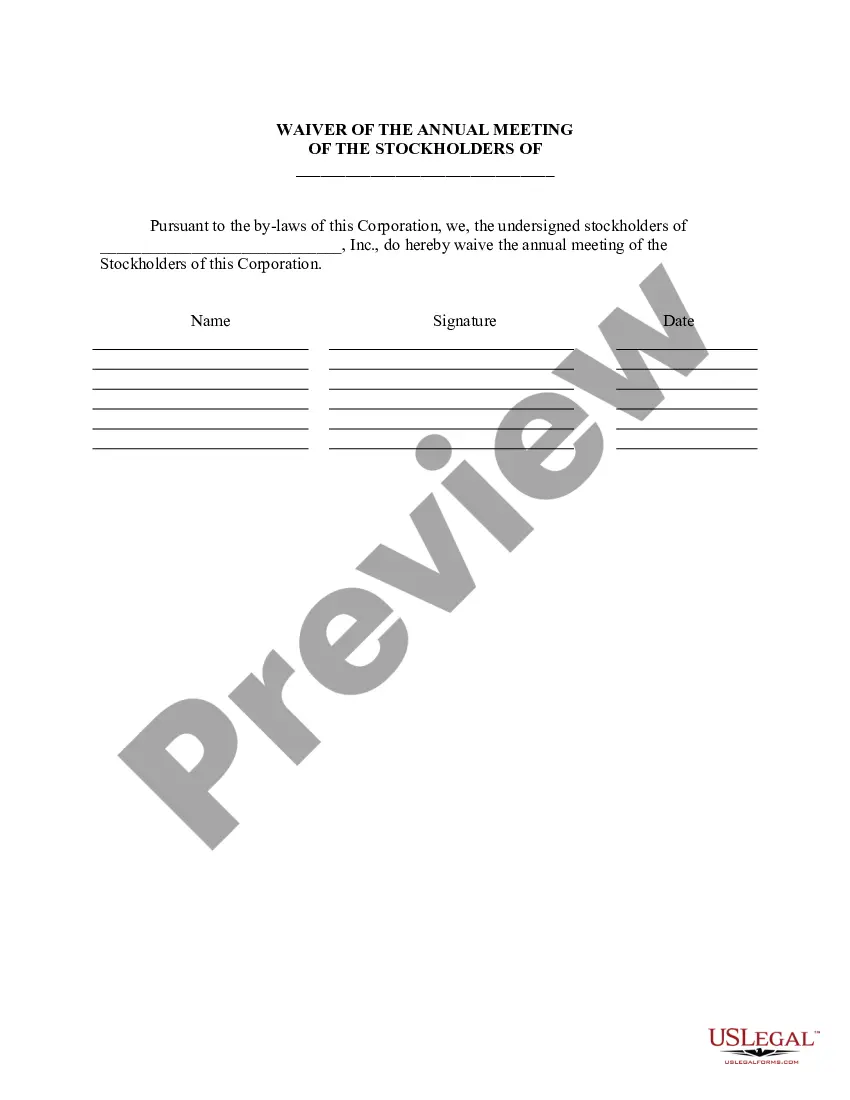
Board Meetings In Corporate Governance In Contra Costa
Description
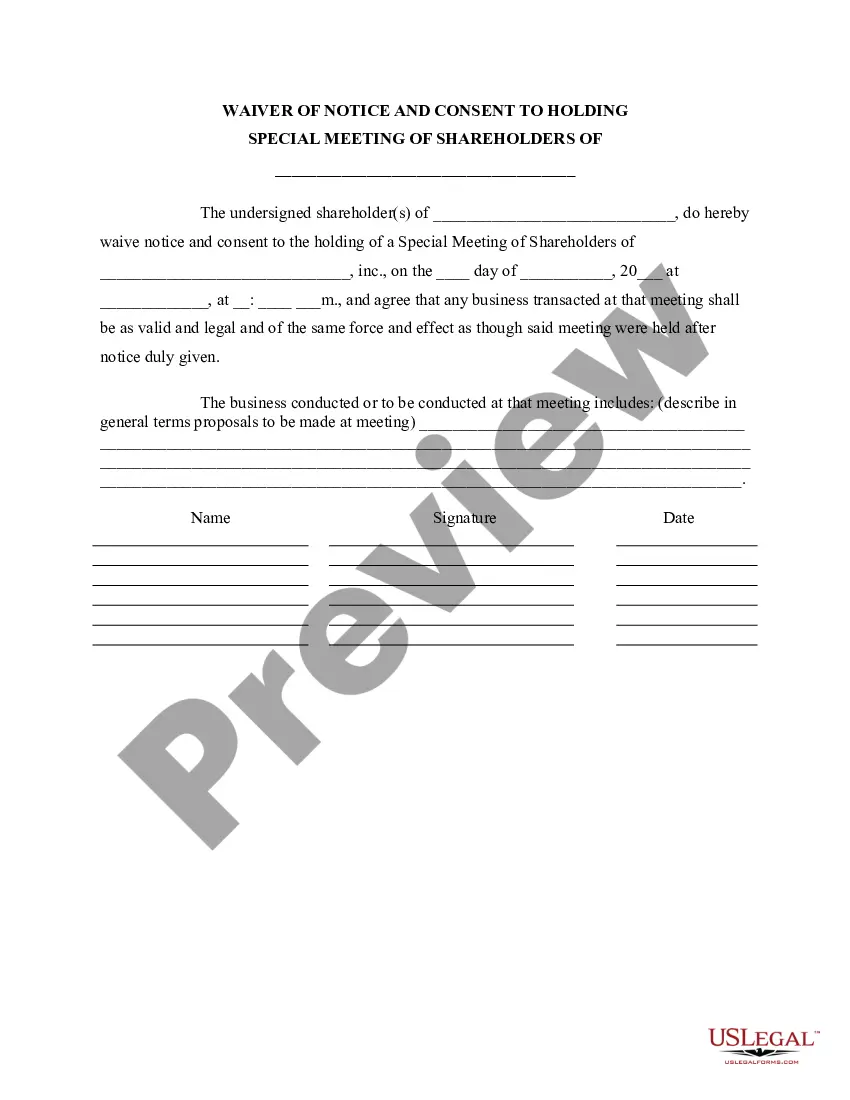
Get your form ready online
Our built-in tools help you complete, sign, share, and store your documents in one place.
Make edits, fill in missing information, and update formatting in US Legal Forms—just like you would in MS Word.
Download a copy, print it, send it by email, or mail it via USPS—whatever works best for your next step.
Sign and collect signatures with our SignNow integration. Send to multiple recipients, set reminders, and more. Go Premium to unlock E-Sign.
If this form requires notarization, complete it online through a secure video call—no need to meet a notary in person or wait for an appointment.
We protect your documents and personal data by following strict security and privacy standards.

Make edits, fill in missing information, and update formatting in US Legal Forms—just like you would in MS Word.

Download a copy, print it, send it by email, or mail it via USPS—whatever works best for your next step.

Sign and collect signatures with our SignNow integration. Send to multiple recipients, set reminders, and more. Go Premium to unlock E-Sign.

If this form requires notarization, complete it online through a secure video call—no need to meet a notary in person or wait for an appointment.

We protect your documents and personal data by following strict security and privacy standards.
Looking for another form?
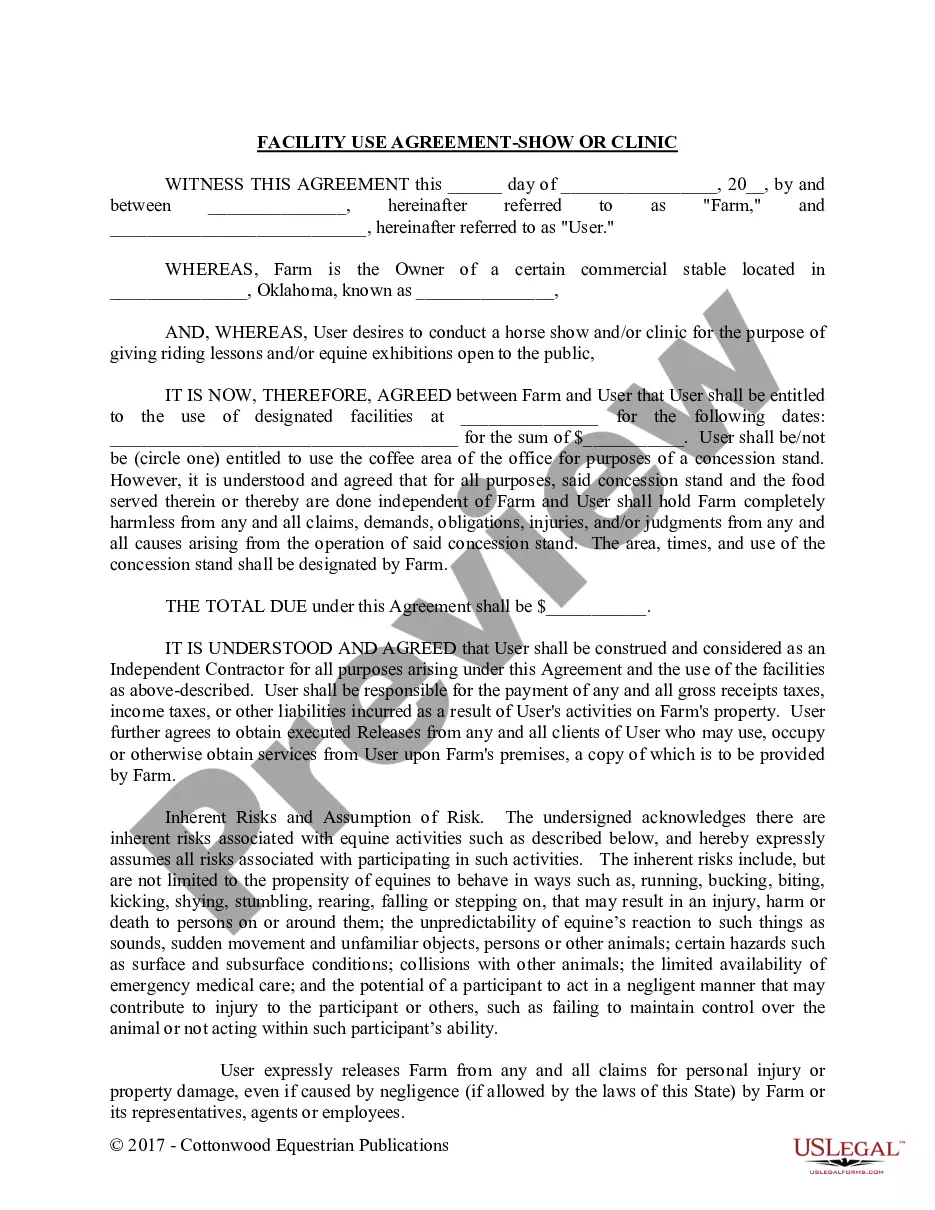

Form popularity
FAQ
In some states there are laws known as “Sunshine laws” that require groups to open their meetings to the public, however, these laws generally only apply to governmental or quasi-governmental groups. Unless the nonprofit is a governmental entity, there is no obligation to open board meetings to the public.
Board meeting minutes confidentiality varies: public companies must balance disclosure with privacy, while private companies have more flexibility. Key measures for maintaining confidentiality include using secure communication channels, confidentiality agreements, and limiting document access.
The frequency of board meetings depends on the needs of the corporation and the preferences of the directors. Some boards meet monthly, while others meet quarterly or even less often. The important thing is that the board meets regularly enough to effectively govern the corporation.
A Board Meeting is a formal meeting of the board of directors of an organization and any invited guests, held at definite intervals and as needed to review performance, consider policy issues, address major problems and perform the legal business of the board.
In some states there are laws known as “Sunshine laws” that require groups to open their meetings to the public, however, these laws generally only apply to governmental or quasi-governmental groups. Unless the nonprofit is a governmental entity, there is no obligation to open board meetings to the public.
In most cases, no. Nonprofits usually don't have to share their board meeting minutes unless receive governmental funding, like school boards or public libraries. However, some choose to do so voluntarily for transparency and trust-building.
Typically, board meetings are attended by board members and key staff. However, many organizations also welcome donors, community members, and volunteers. This mix of attendees can enrich discussions and provide different viewpoints.
The Board of Supervisors holds regular meetings at the County Administration Building, 1025 Escobar Street, Martinez. Meetings are held on Tuesdays beginning at a.m., however they do not occur on every Tuesday.
A code of conduct establishes expectations around behaviour and professionalism in meetings. It typically covers rules like arriving on time, sticking to the agenda, listening respectfully, avoiding distractions and side conversations, and maintaining confidentiality of discussions.
Essentially, the meeting protocol is a template workflow from calling the meeting to signing off the minutes from the previous meeting. The technical details that must be met to ensure the board can make its decisions. This could be the minimum number of members required for a quorum or the type of majority needed.