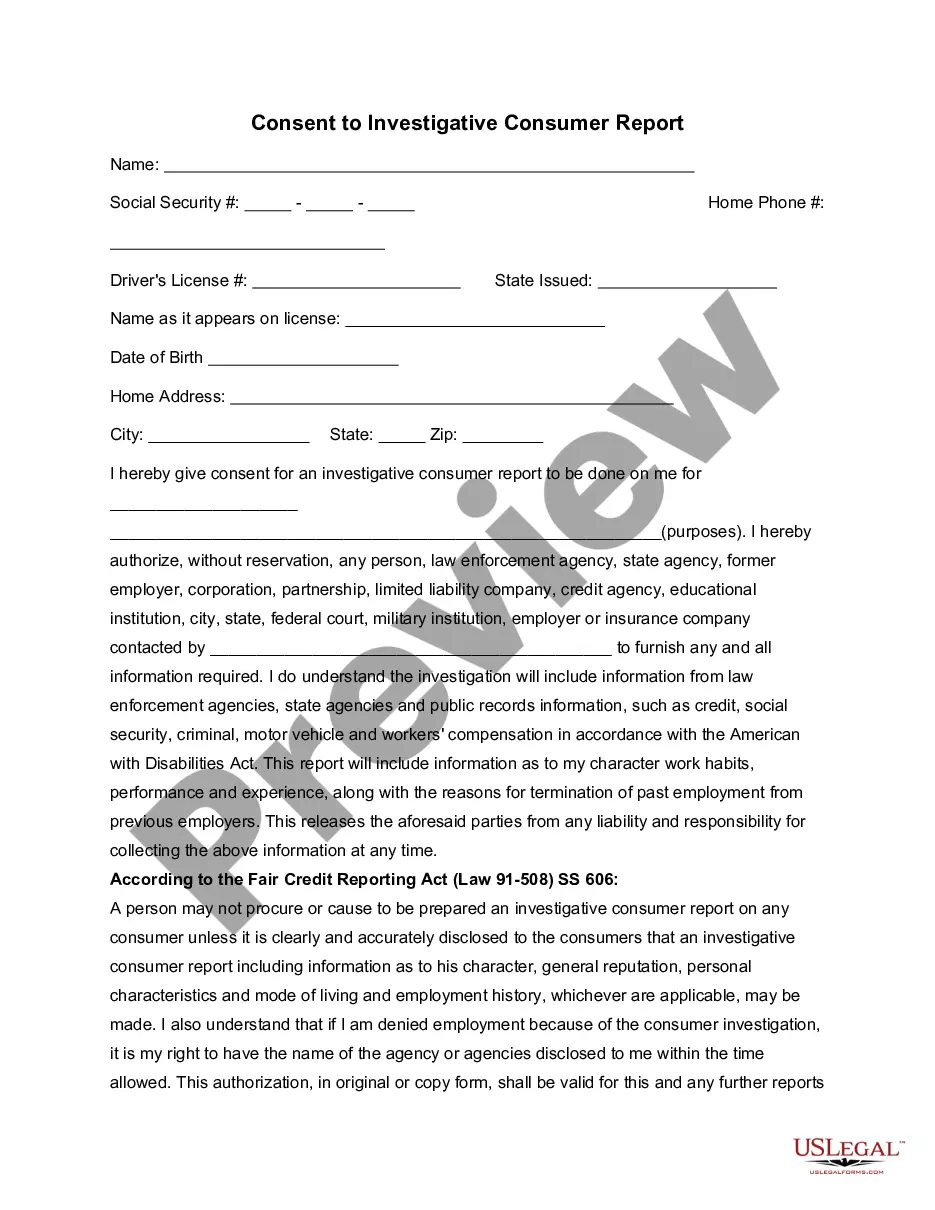
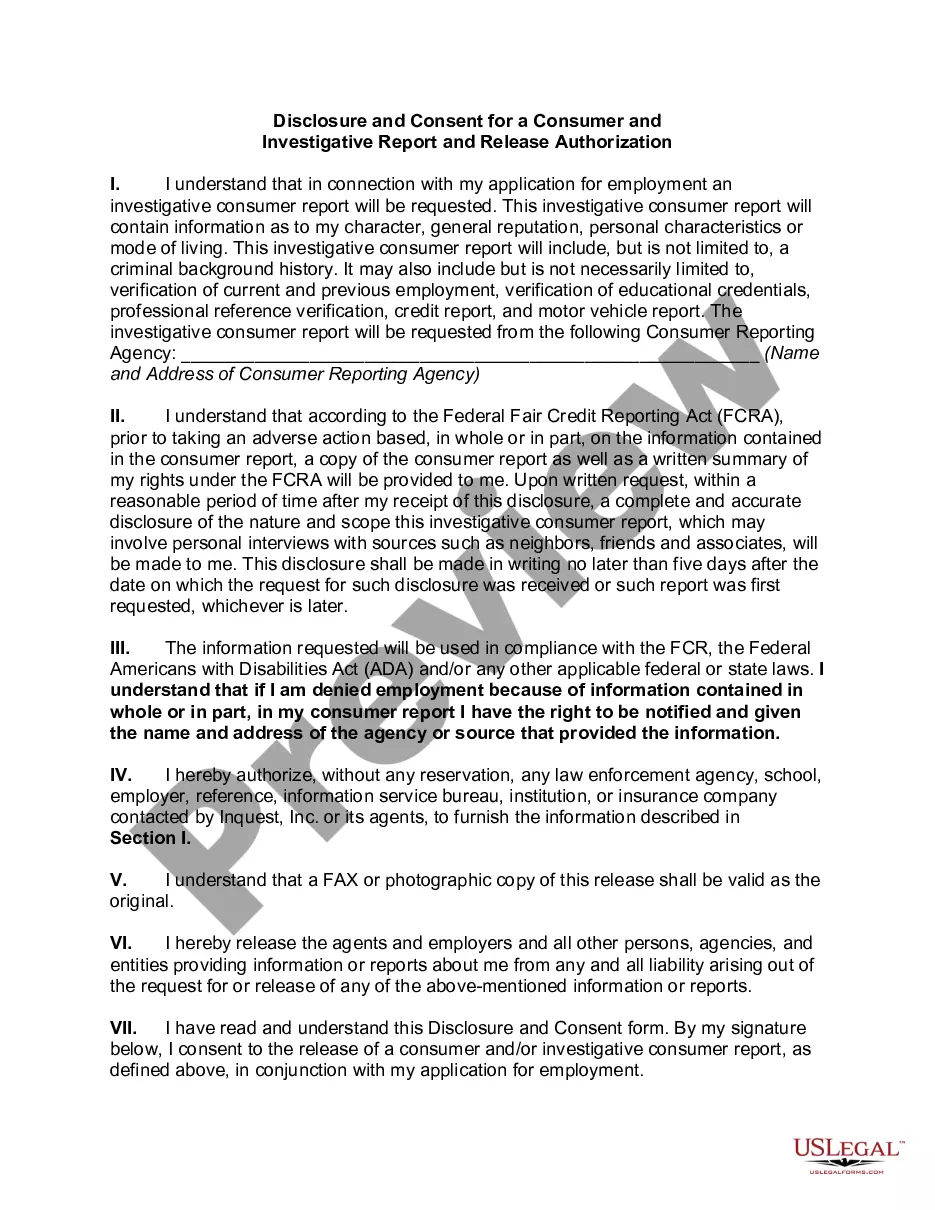
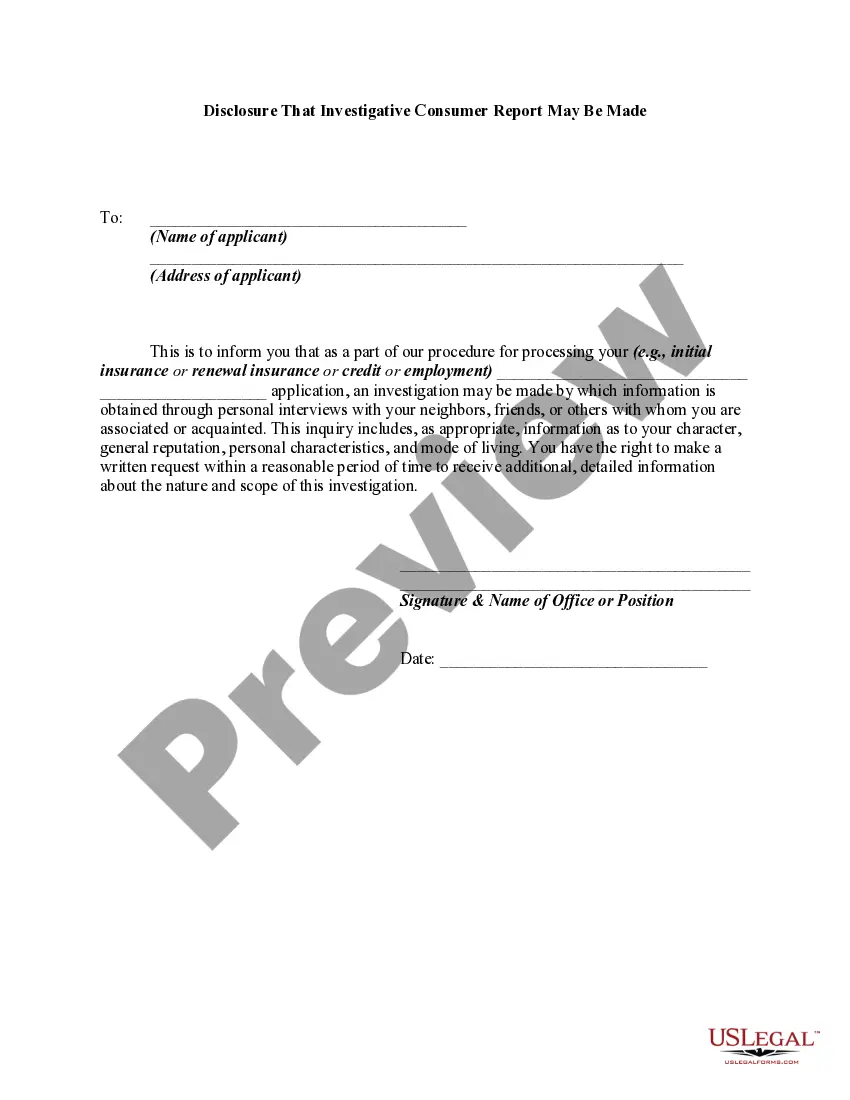
Consumer Protection Agency For Pennsylvania In San Diego
Description

Get your form ready online
Our built-in tools help you complete, sign, share, and store your documents in one place.
Make edits, fill in missing information, and update formatting in US Legal Forms—just like you would in MS Word.
Download a copy, print it, send it by email, or mail it via USPS—whatever works best for your next step.
Sign and collect signatures with our SignNow integration. Send to multiple recipients, set reminders, and more. Go Premium to unlock E-Sign.
If this form requires notarization, complete it online through a secure video call—no need to meet a notary in person or wait for an appointment.
We protect your documents and personal data by following strict security and privacy standards.

Make edits, fill in missing information, and update formatting in US Legal Forms—just like you would in MS Word.

Download a copy, print it, send it by email, or mail it via USPS—whatever works best for your next step.

Sign and collect signatures with our SignNow integration. Send to multiple recipients, set reminders, and more. Go Premium to unlock E-Sign.

If this form requires notarization, complete it online through a secure video call—no need to meet a notary in person or wait for an appointment.

We protect your documents and personal data by following strict security and privacy standards.
Looking for another form?






Form popularity
FAQ
The Consumer Financial Protection Bureau (CFPB) helps consumers by providing educational materials and accepting complaints. It supervises banks, lenders, and large non-bank entities, such as credit reporting agencies and debt collection companies.
The FTC's Bureau of Consumer Protection stops unfair, deceptive and fraudulent business practices by collecting reports from consumers and conducting investigations, suing companies and people that break the law, developing rules to maintain a fair marketplace, and educating consumers and businesses about their rights ...
The FTC's Bureau of Consumer Protection stops unfair, deceptive and fraudulent business practices by collecting reports from consumers and conducting investigations, suing companies and people that break the law, developing rules to maintain a fair marketplace, and educating consumers and businesses about their rights ...
THIS DISCLOSURE OF RIGHTS IS A SUMMARY OF PENNSYLVANIA LAW. THE ACTUAL PROVISIONS OF THE LAW ARE IN SECTION 9.3 OF THE UNFAIR TRADE PRACTICES AND CONSUMER PROTECTION LAW. (h) (1) The Office of Attorney General shall enforce the provisions of this section.
The first thing you should do when filing a consumer complaint is to complain directly to the company. If that doesn't work, you can complain to a consumer protection agency. Filing a lawsuit should be a last resort.
Consistent with applicable law, we securely share complaints with other state and federal agencies to, among other things, facilitate: supervision activities, enforcement activities, and. monitor the market for consumer financial products and services.
Types of Consumer Protection Agencies The National Highway Traffic Safety Administration (NHTSA) ensures vehicle safety standards. The Consumer Product Safety Commission (CPSC) addresses product safety hazards and recalls. The Food and Drug Administration (FDA) monitors and regulates food and drug safety.
PA Office of Attorney General (OAG) investigates trade practices in the distribution, financing and furnishing of goods and services for possible unfair and deceptive conduct in PA. Submit a complaint online or call (717) 787-9707 or (800) 441-2555.
the Pennsylvania Consumer Data Privacy Act which describes business requirements for processing personal data and grants consumers rights regarding their information. In this guide, learn about Pennsylvania's data privacy bill, who it might apply to, and its implications on businesses if it passes into law.
The FTC's Bureau of Consumer Protection stops unfair, deceptive and fraudulent business practices by: collecting complaints and conducting investigations. suing companies and people that break the law. developing rules to maintain a fair marketplace.
