Consumer Reporting Agency Under Fcra In Massachusetts
Description
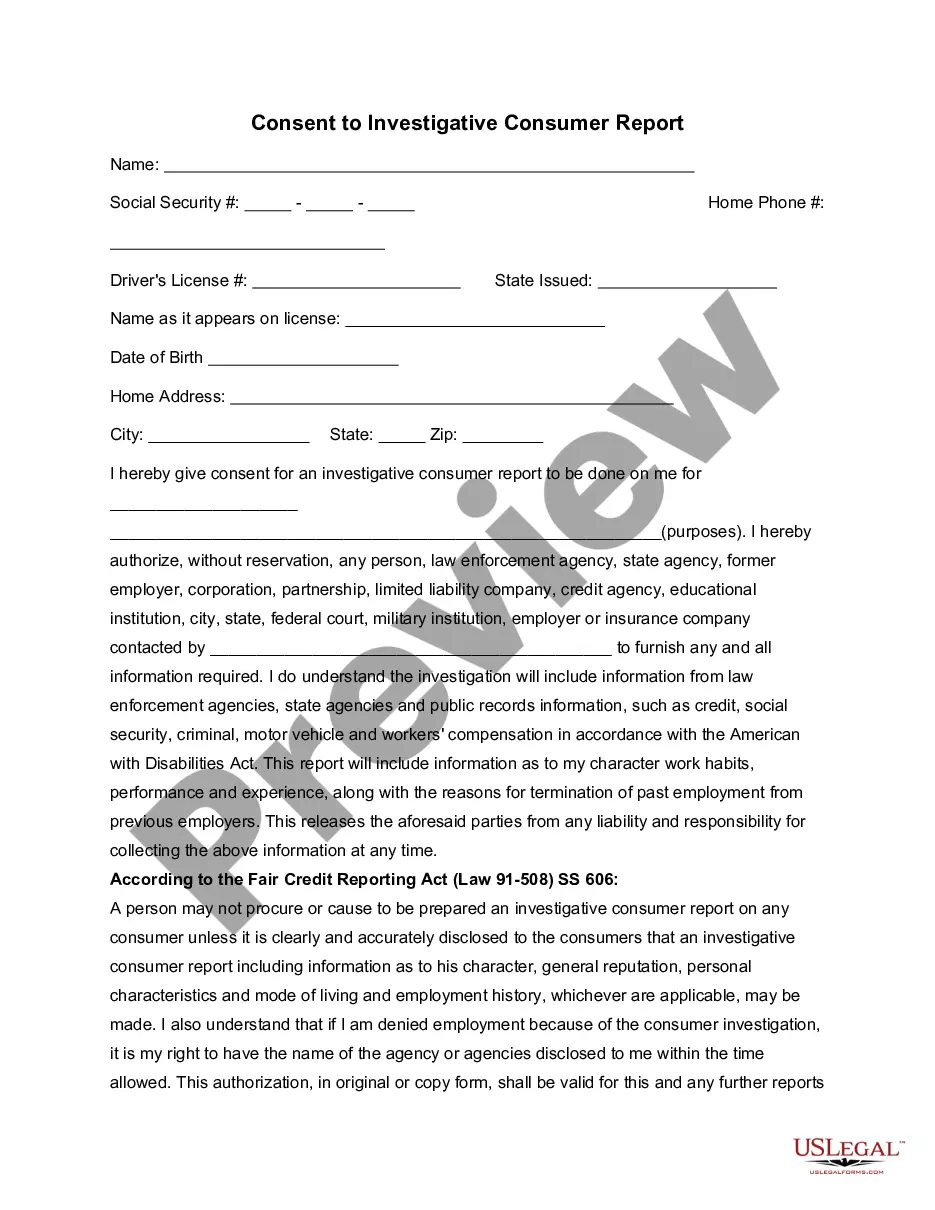

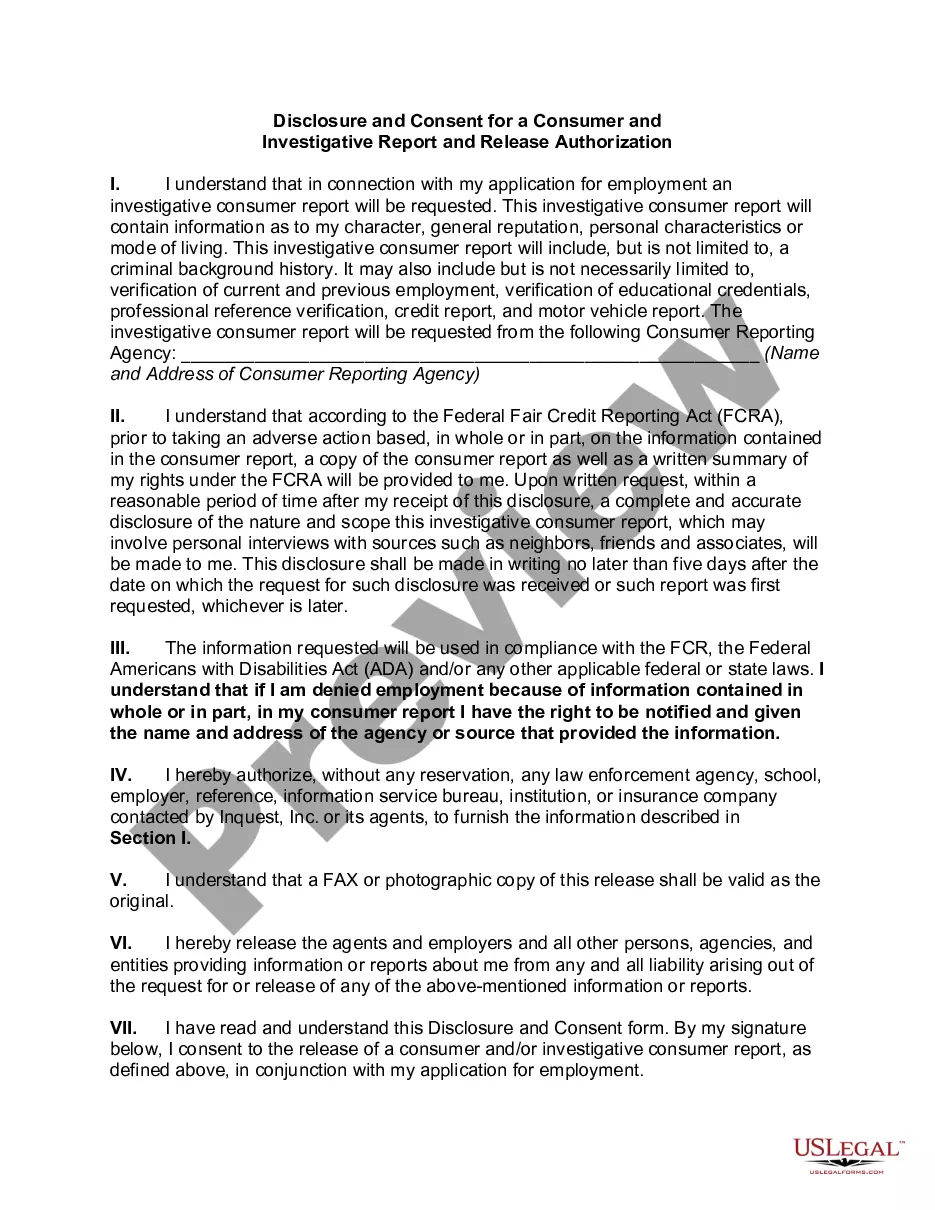
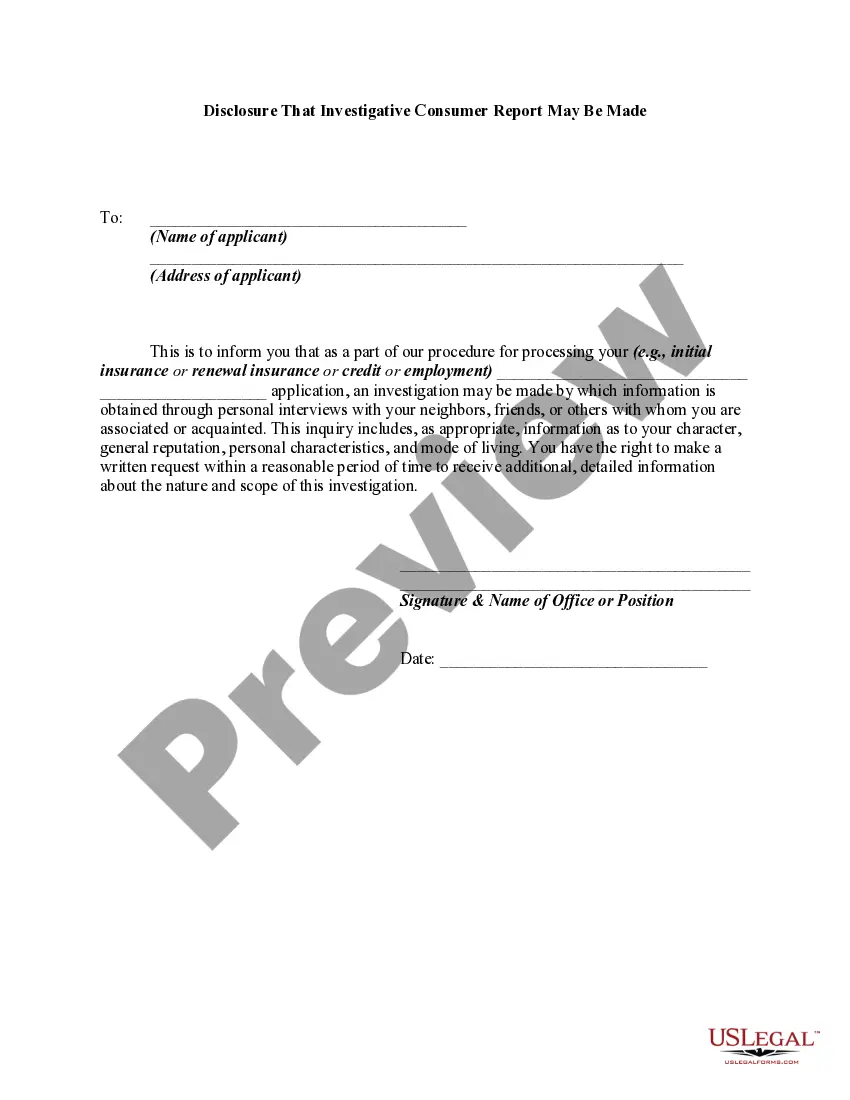
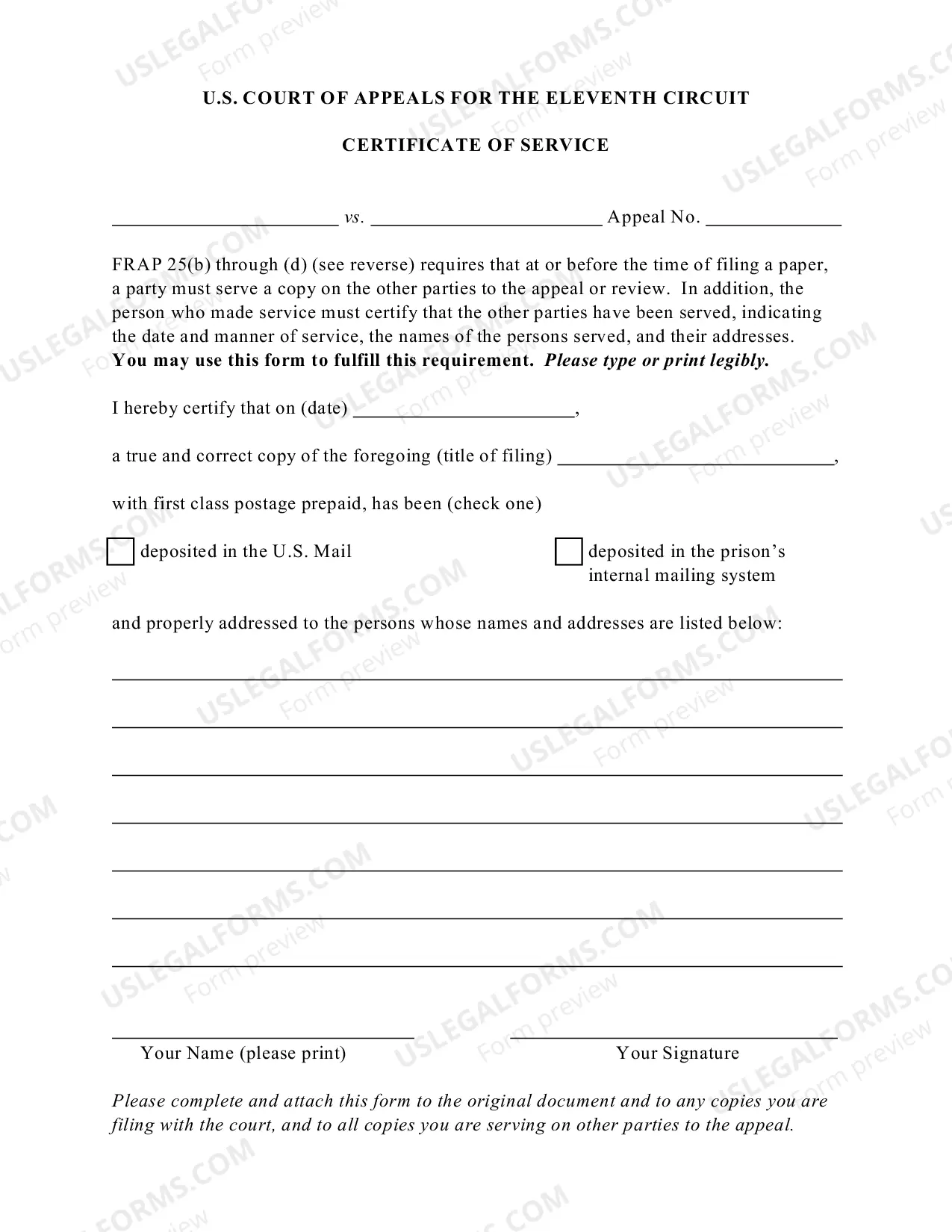
Get your form ready online
Our built-in tools help you complete, sign, share, and store your documents in one place.
Make edits, fill in missing information, and update formatting in US Legal Forms—just like you would in MS Word.
Download a copy, print it, send it by email, or mail it via USPS—whatever works best for your next step.
Sign and collect signatures with our SignNow integration. Send to multiple recipients, set reminders, and more. Go Premium to unlock E-Sign.
If this form requires notarization, complete it online through a secure video call—no need to meet a notary in person or wait for an appointment.
We protect your documents and personal data by following strict security and privacy standards.

Make edits, fill in missing information, and update formatting in US Legal Forms—just like you would in MS Word.

Download a copy, print it, send it by email, or mail it via USPS—whatever works best for your next step.

Sign and collect signatures with our SignNow integration. Send to multiple recipients, set reminders, and more. Go Premium to unlock E-Sign.

If this form requires notarization, complete it online through a secure video call—no need to meet a notary in person or wait for an appointment.

We protect your documents and personal data by following strict security and privacy standards.
Looking for another form?
Form popularity
FAQ
Enforcement of the FCRA falls to the Federal Trade Commission (FTC) and the Consumer Financial Protection Bureau (CFPB).
Consumer Reports is an independent, nonprofit member organization that works side by side with consumers for truth, transparency, and fairness in the marketplace. Consumer Reports works to create a fair and just marketplace for all.
To report FCRA violations, you can file a complaint with the Consumer Financial Protection Bureau.
The term “consumer reporting agency” means any person which, for monetary fees, dues, or on a cooperative nonprofit basis, regularly engages in whole or in part in the practice of assembling or evaluating consumer credit information or other information on consumers for the purpose of furnishing consumer reports to ...
Can a bank be a consumer reporting agency? Yes. If the bank regularly furnishes information in its files about a consumer, other than information solely about its transactions or experiences with the consumer, it may be considered a consumer reporting agency.
While there are three national CRAs in the United States (Experian, Trans Union, and Equifax), private investigators, detective agencies, collection agencies, inspection bureaus, companies that sell information to insurance companies and assist in performing background checks, and college placement offices have been ...
A creditor must provide notice if it has: Taken adverse action on a completed credit application; Taken adverse action on an incomplete credit application; Taken adverse action on an existing credit account; or.
Bank as Consumer Reporting Agency A bank may become a consumer reporting agency if it regularly furnishes information about a consumer to, for example, other creditors, correspondents, holding companies, or affiliates, other than information on its own transactions or experiences.
FICO developed and maintains the FICO credit score, but it is not a credit reporting agency. Although FICO compiles credit scores based on data from the major credit bureaus, it does not collect credit report data on its own.
The three major credit reporting bureaus in the United States are Equifax, Experian, and TransUnion. They compile credit reports on individuals, which they sell to prospective lenders and others.