Consumer Protection Agency For Banking In Houston
Description
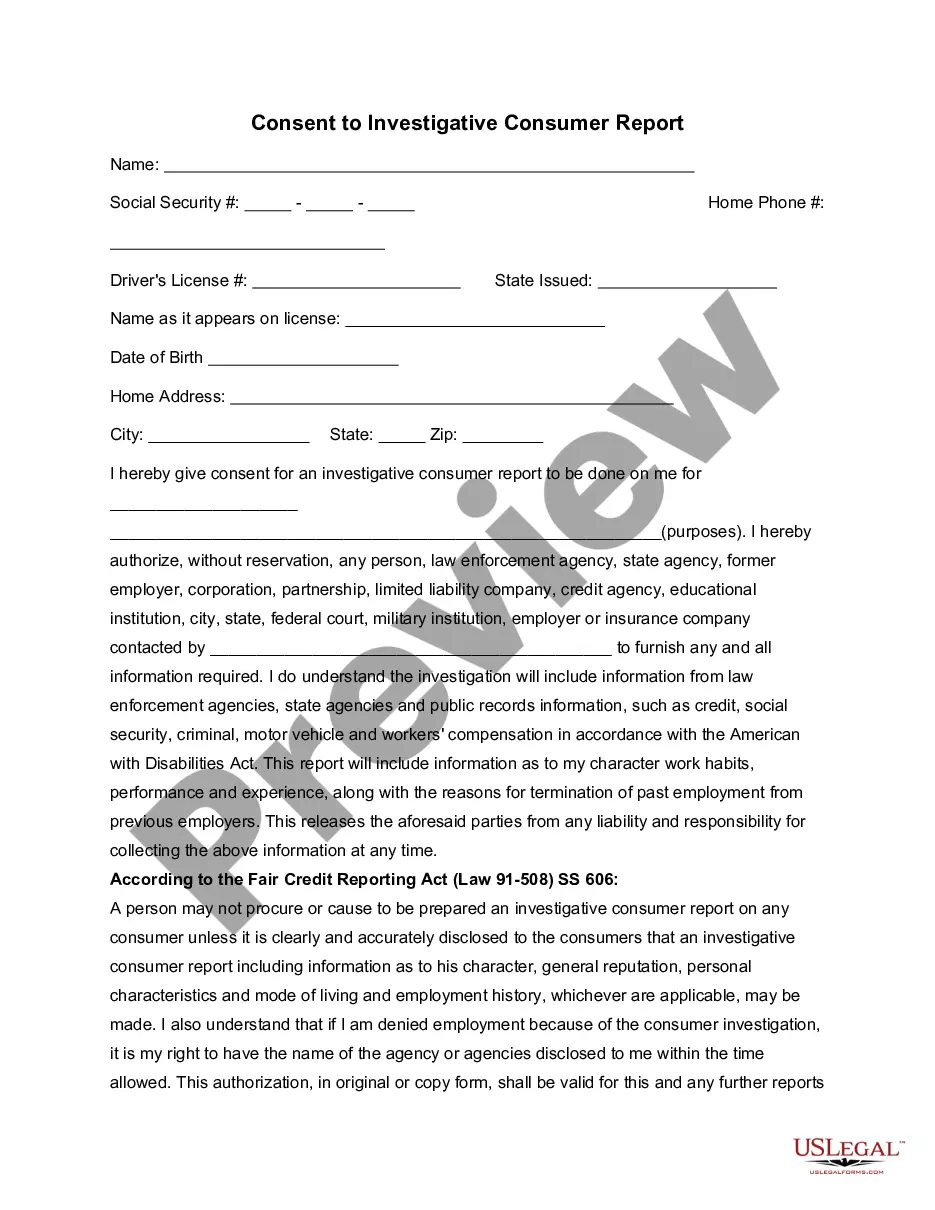

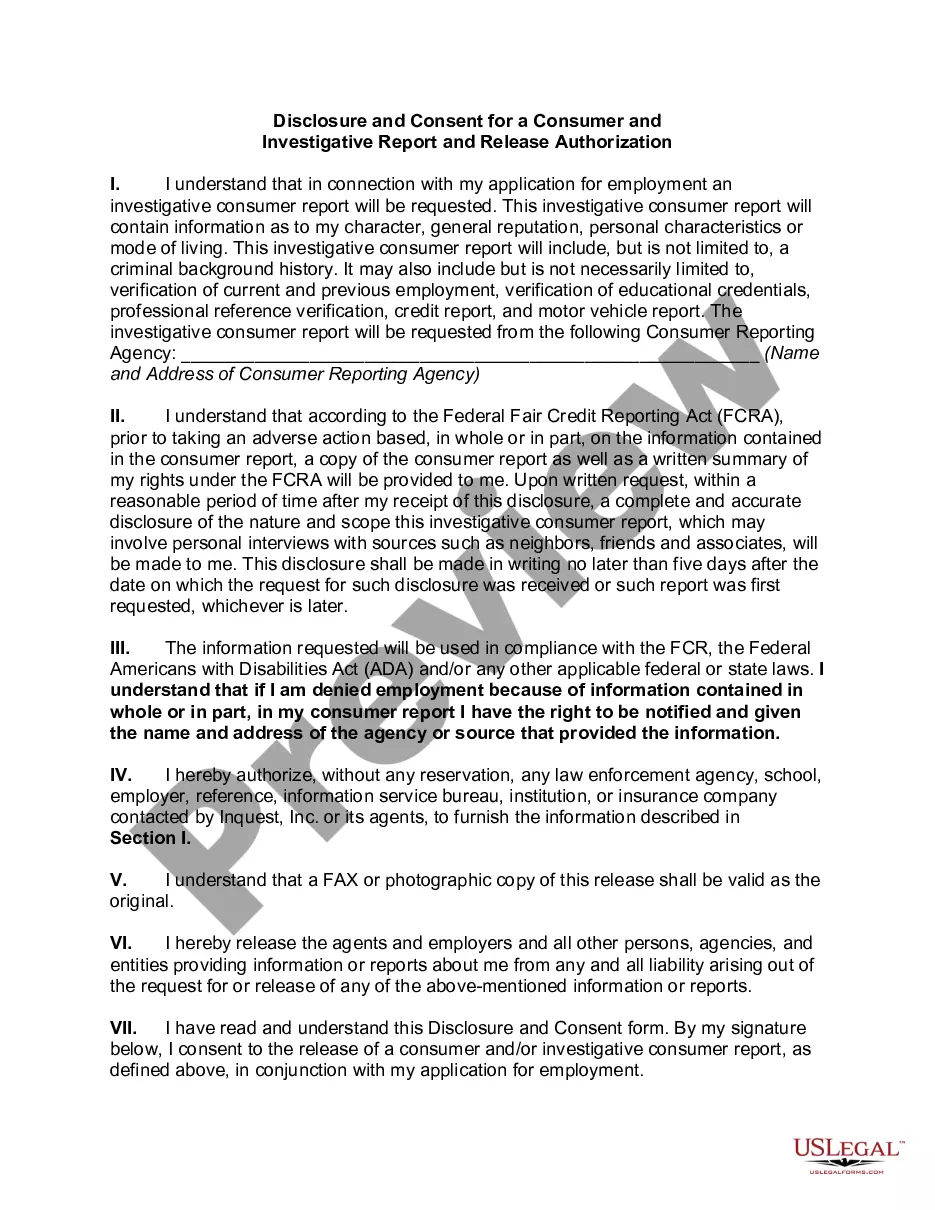
Get your form ready online
Our built-in tools help you complete, sign, share, and store your documents in one place.
Make edits, fill in missing information, and update formatting in US Legal Forms—just like you would in MS Word.
Download a copy, print it, send it by email, or mail it via USPS—whatever works best for your next step.
Sign and collect signatures with our SignNow integration. Send to multiple recipients, set reminders, and more. Go Premium to unlock E-Sign.
If this form requires notarization, complete it online through a secure video call—no need to meet a notary in person or wait for an appointment.
We protect your documents and personal data by following strict security and privacy standards.

Make edits, fill in missing information, and update formatting in US Legal Forms—just like you would in MS Word.

Download a copy, print it, send it by email, or mail it via USPS—whatever works best for your next step.

Sign and collect signatures with our SignNow integration. Send to multiple recipients, set reminders, and more. Go Premium to unlock E-Sign.

If this form requires notarization, complete it online through a secure video call—no need to meet a notary in person or wait for an appointment.

We protect your documents and personal data by following strict security and privacy standards.
Looking for another form?



Form popularity
FAQ
Any consumer wishing to file a complaint against the (your name) should contact the Texas Department of Banking through one of the means indicated below: In Person or U.S. Mail: 2601 North Lamar Boulevard, Suite 300, Austin, Texas 78705-4294, Telephone No.: (877) 276-5554, Fax No.: (512) 475-1313, email: consumer.
In addition, the CFPB uses the database to better understand trends and potential harm to consumers, supervise companies, enforce federal consumer financial laws, and write better rules and regulations. Ninety-eight percent of complaints sent to companies by the CFPB receive timely responses.
Your company provides a response within 15 calendar days. If your response is not final, let us know. Your company will then have up to 60 calendar days to provide a final response.
Consistent with applicable law, we securely share complaints with other state and federal agencies to, among other things, facilitate: supervision activities, enforcement activities, and. monitor the market for consumer financial products and services.
We have supervisory authority over banks, thrifts, and credit unions with assets over $10 billion, as well as their affiliates.
The first thing you should do when filing a consumer complaint is to complain directly to the company. If that doesn't work, you can complain to a consumer protection agency. Filing a lawsuit should be a last resort.
The FTC's Bureau of Consumer Protection stops unfair, deceptive and fraudulent business practices by: collecting complaints and conducting investigations. suing companies and people that break the law. developing rules to maintain a fair marketplace.
The Federal Trade Commission (FTC) works to prevent fraudulent, deceptive, and unfair business practices. They also provide information to help consumers spot, stop, and avoid scams and fraud.
The OCC is the prudential regulator for national banks and federal savings associations. However, since passage of the Dodd-Frank Act, certain rules and regulations were placed under the authority of the CFPB. If the OCC refers you to the CFPB it is because your concern(s) falls under the CFPB's regulatory authority.
We protect consumers from unfair, deceptive, or abusive practices and take action against companies that break the law. We arm people with the information, steps, and tools that they need to make smart financial decisions.
