Consumer Protection Agency For Florida In Fulton
Description
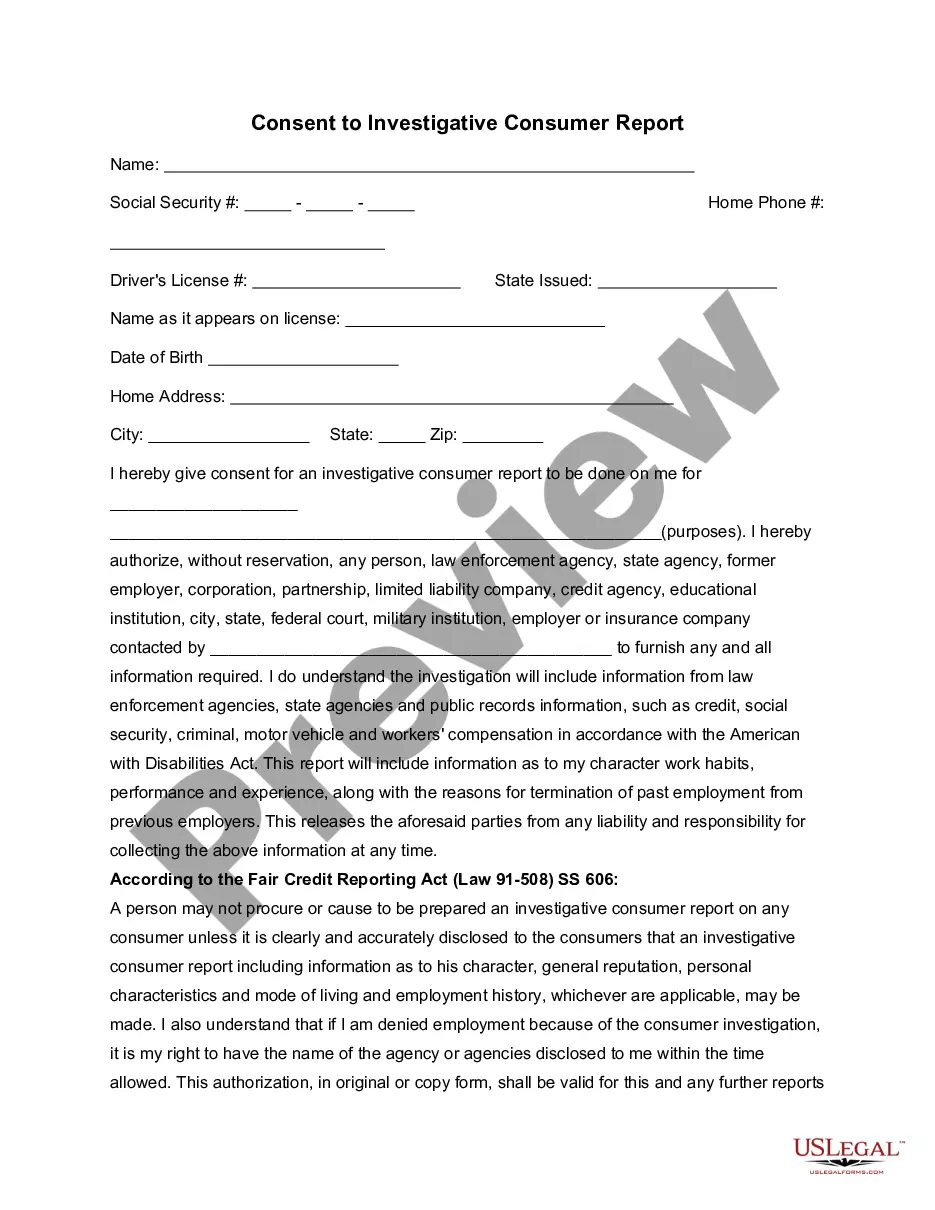
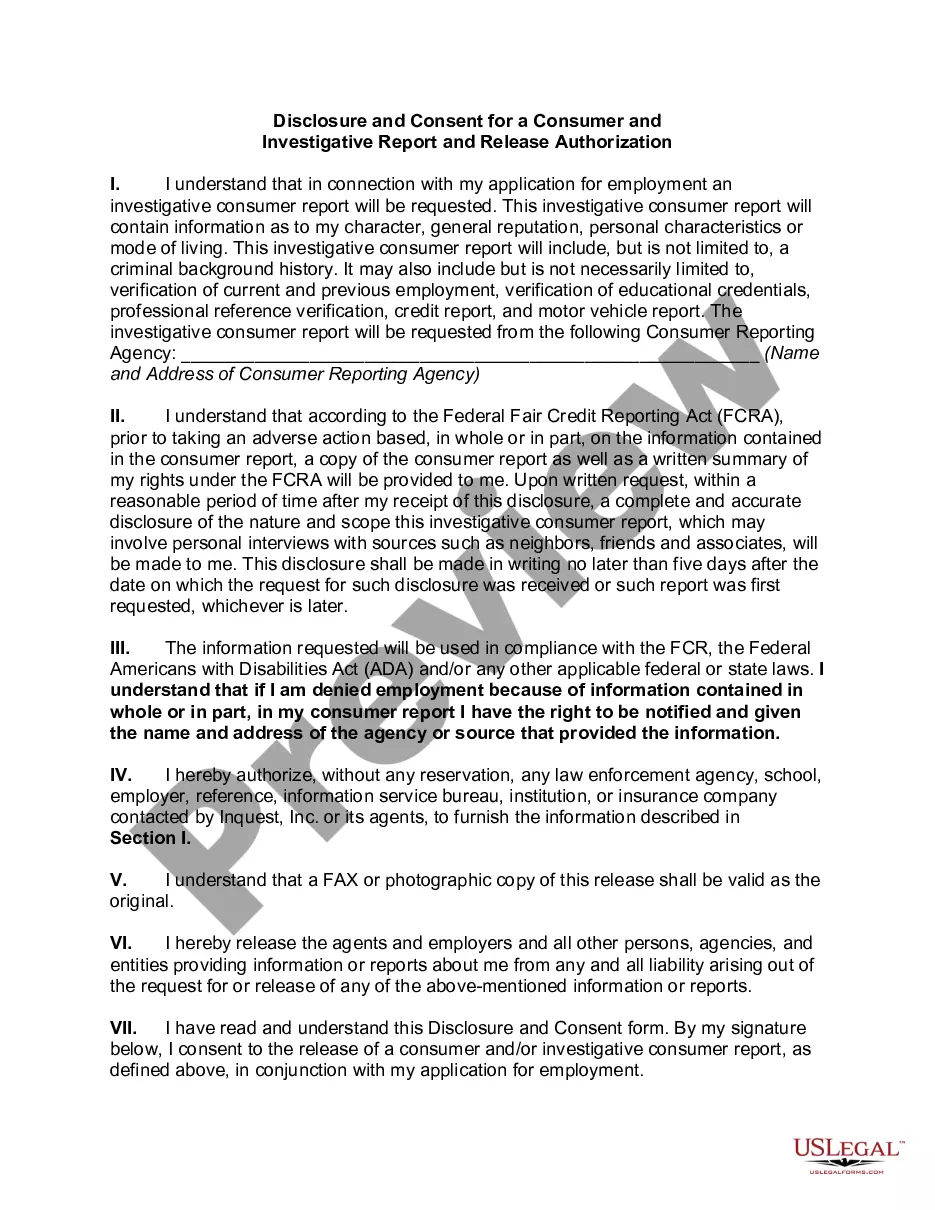
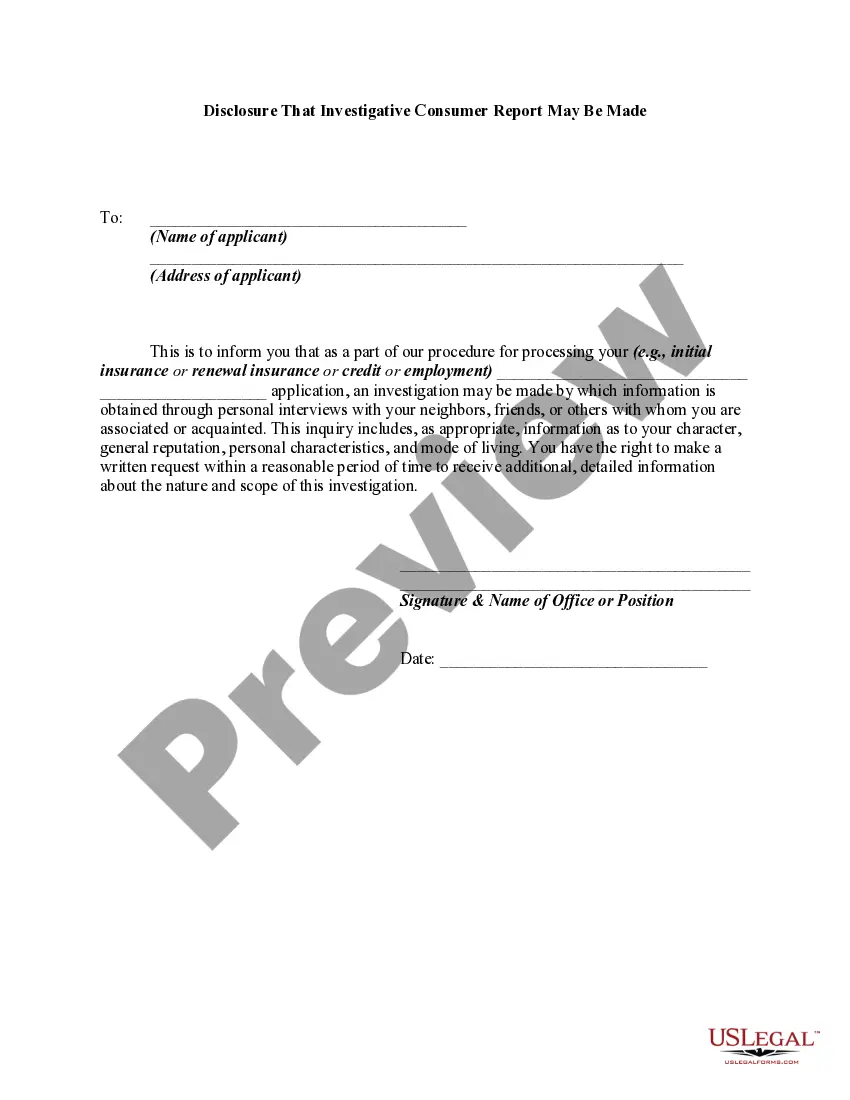
Get your form ready online
Our built-in tools help you complete, sign, share, and store your documents in one place.
Make edits, fill in missing information, and update formatting in US Legal Forms—just like you would in MS Word.
Download a copy, print it, send it by email, or mail it via USPS—whatever works best for your next step.
Sign and collect signatures with our SignNow integration. Send to multiple recipients, set reminders, and more. Go Premium to unlock E-Sign.
If this form requires notarization, complete it online through a secure video call—no need to meet a notary in person or wait for an appointment.
We protect your documents and personal data by following strict security and privacy standards.

Make edits, fill in missing information, and update formatting in US Legal Forms—just like you would in MS Word.

Download a copy, print it, send it by email, or mail it via USPS—whatever works best for your next step.

Sign and collect signatures with our SignNow integration. Send to multiple recipients, set reminders, and more. Go Premium to unlock E-Sign.

If this form requires notarization, complete it online through a secure video call—no need to meet a notary in person or wait for an appointment.

We protect your documents and personal data by following strict security and privacy standards.
Looking for another form?








Form popularity
FAQ
Unfair Business Practices This includes practices like overcharging for goods or services, using bait-and-switch tactics, or failing to deliver services as promised. These practices not only deceive consumers but also disrupt the integrity of the marketplace by giving dishonest businesses an unfair advantage.
Before you make a complaint, gather any documentation about the sale of the product or service first. These documents can include: Sales receipts. Warranties.
Resources Medicaid Fraud Complaint. Patient Abuse & Neglect. Consumer Complaint. Do Not Call/Text Complaint. Do Not Fax Complaint. Gas Gouging Complaint. Identity Theft Complaint. Mortgage Fraud Complaint.
The Consumer Protection Division of the Office of the Attorney General is the civil enforcement authority for violations of the Florida Deceptive and Unfair Trade Practices Act and related laws.
The FTC's Bureau of Consumer Protection stops unfair, deceptive and fraudulent business practices by: collecting complaints and conducting investigations. suing companies and people that break the law. developing rules to maintain a fair marketplace.
Consistent with applicable law, we securely share complaints with other state and federal agencies to, among other things, facilitate: supervision activities, enforcement activities, and. monitor the market for consumer financial products and services.
The FTC's Bureau of Consumer Protection stops unfair, deceptive and fraudulent business practices by collecting reports from consumers and conducting investigations, suing companies and people that break the law, developing rules to maintain a fair marketplace, and educating consumers and businesses about their rights ...
Along with the information provided through our Communications and Outreach Center, which can be reached at 1-800-HELP-FLA (435-7352) or 1-800-FL-AYUDA (352-9832) en Espaol, thousands of educational brochures are distributed each year to individuals, civic groups, community organizations and schools.
A small claims action begins by filing a Statement of Claim. Small claim cases should be filed with the clerk in the appropriate county. Filing fees for small claims actions are established in the Florida Statutes and local county ordinances. The clerk of court may be able to provide information on filing fees.
Consumer laws in Florida set out to protect residents from scams and enforce their rights against both the government and large corporations. The statues generally lay out consumers' rights in the marketplace. They are intended to safeguard citizens in commercial transactions, and protect them from financial harm.
