Consumer Reporting Agency Under Fcra In California
Description
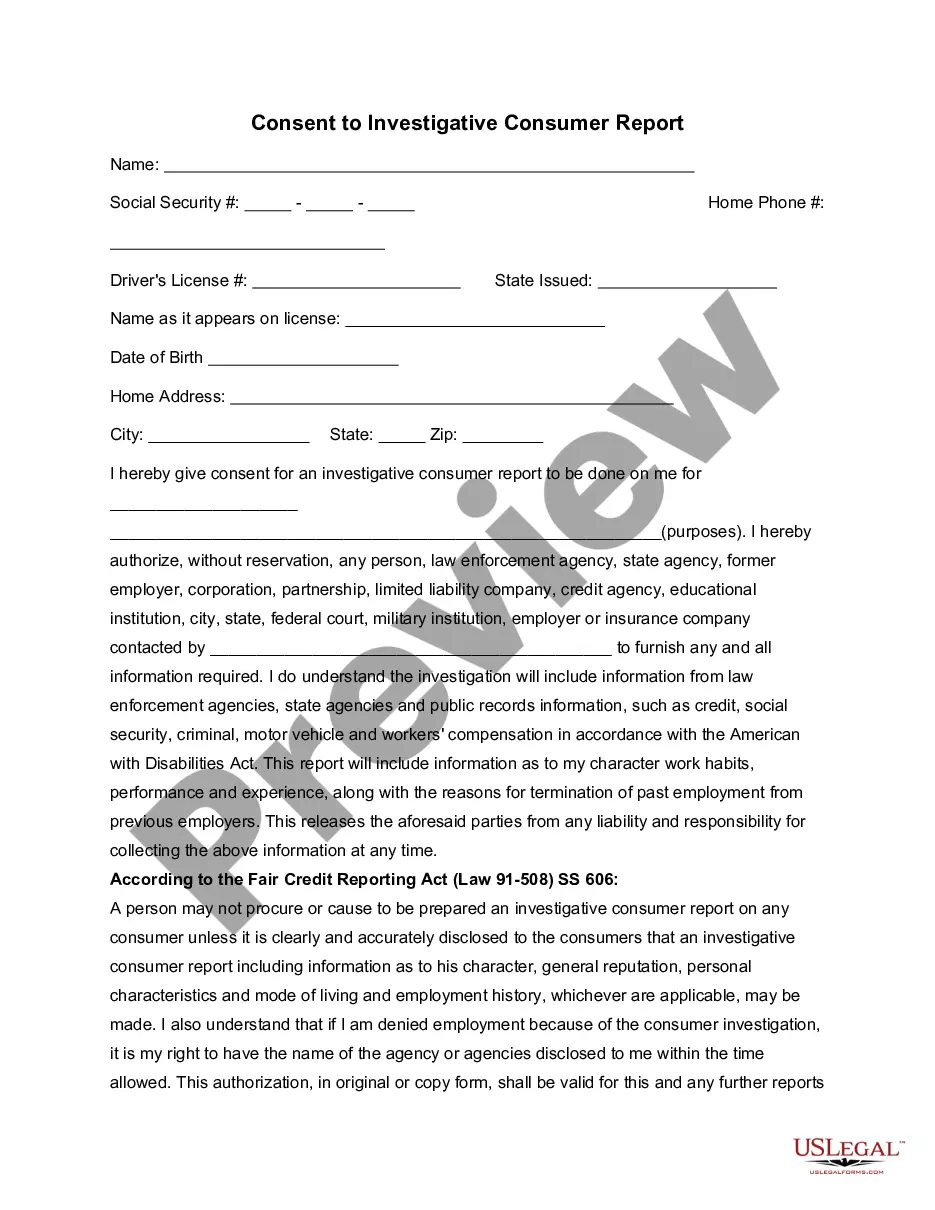

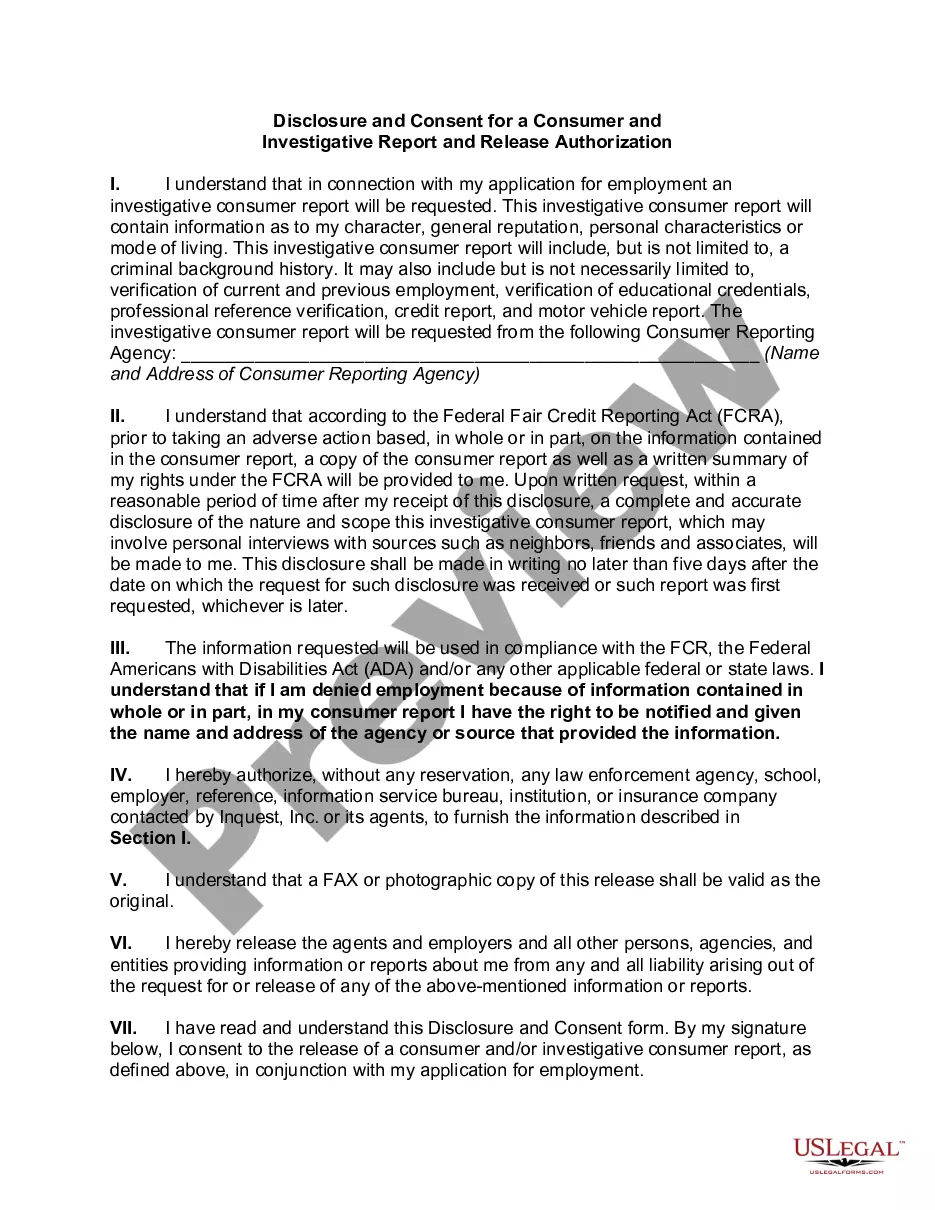
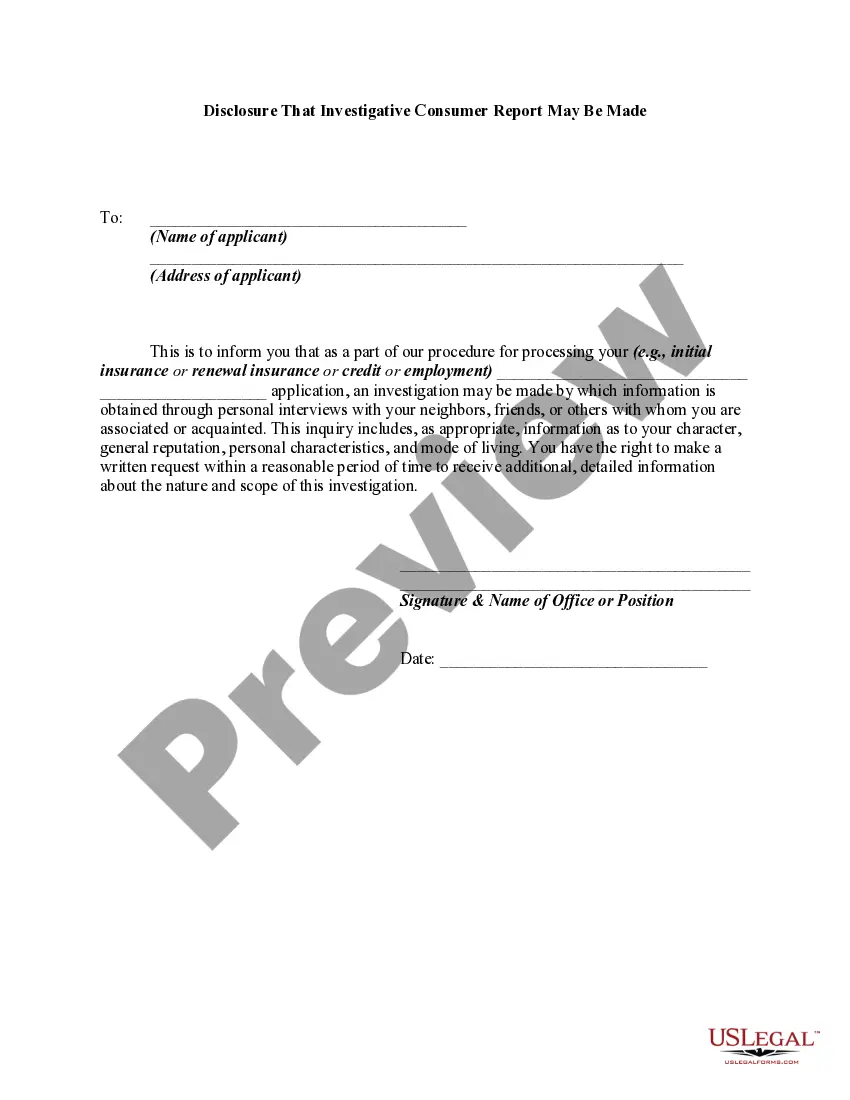
Get your form ready online
Our built-in tools help you complete, sign, share, and store your documents in one place.
Make edits, fill in missing information, and update formatting in US Legal Forms—just like you would in MS Word.
Download a copy, print it, send it by email, or mail it via USPS—whatever works best for your next step.
Sign and collect signatures with our SignNow integration. Send to multiple recipients, set reminders, and more. Go Premium to unlock E-Sign.
If this form requires notarization, complete it online through a secure video call—no need to meet a notary in person or wait for an appointment.
We protect your documents and personal data by following strict security and privacy standards.

Make edits, fill in missing information, and update formatting in US Legal Forms—just like you would in MS Word.

Download a copy, print it, send it by email, or mail it via USPS—whatever works best for your next step.

Sign and collect signatures with our SignNow integration. Send to multiple recipients, set reminders, and more. Go Premium to unlock E-Sign.

If this form requires notarization, complete it online through a secure video call—no need to meet a notary in person or wait for an appointment.

We protect your documents and personal data by following strict security and privacy standards.
Looking for another form?
Form popularity
FAQ
The FCRA gives you the right to be told if information in your credit file is used against you to deny your application for credit, employment or insurance. The FCRA also gives you the right to request and access all the information a consumer reporting agency has about you (this is called "file disclosure").
Background screening reports are “consumer reports” under the FCRA when they serve as a factor in determining a person's eligibility for employment, credit, insurance, housing, or other purposes and they include information “bearing on a consumer's credit worthiness, credit standing, credit capacity, character, general ...
The compliance requirements for the credit reporting agencies include the following: Establish FCRA Policies. Review FCRA Provisions & Applicability. Establish Smooth Consumer Consent Acquisition Processes. Ensure Reports Are Used Only for Permissible Purposes. Provide Adverse Action Notices.
The FCRA's requirements for adverse action notices apply only to consumer transactions and are designed to alert consumers that negative information was the basis for the adverse action.
If you tell a CRA that your file contains inaccurate information, the CRA must investigate the items (usually within 30 days) by presenting to its information source all relevant evidence you submit, unless your dispute is frivolous. The source must review your evidence and report its findings to the CRA.
To report FCRA violations, you can file a complaint with the Consumer Financial Protection Bureau.
Originally enacted in 1975, CCRAA, the California version of the FCRA, governs credit reporting conduct and is not completely preempted by the FCRA. Our attorneys have years of experience defending lawsuits filed under both statutes.
Furnishing and Reporting Old Information Some examples of this kind of FCRA violation include: failing to report that a debt was discharged in bankruptcy. reporting old debts as new or re-aged. reporting an account as active when it was voluntarily closed by a consumer and.
The Fair Credit Reporting Act operates at the federal level but there are also state versions of FCRA, including FCRA California. Some of the state-specific legislation is aimed at limiting the amount of time that criminal convictions can be reported.