Consumer Protection Agency For Florida In Bexar
Description
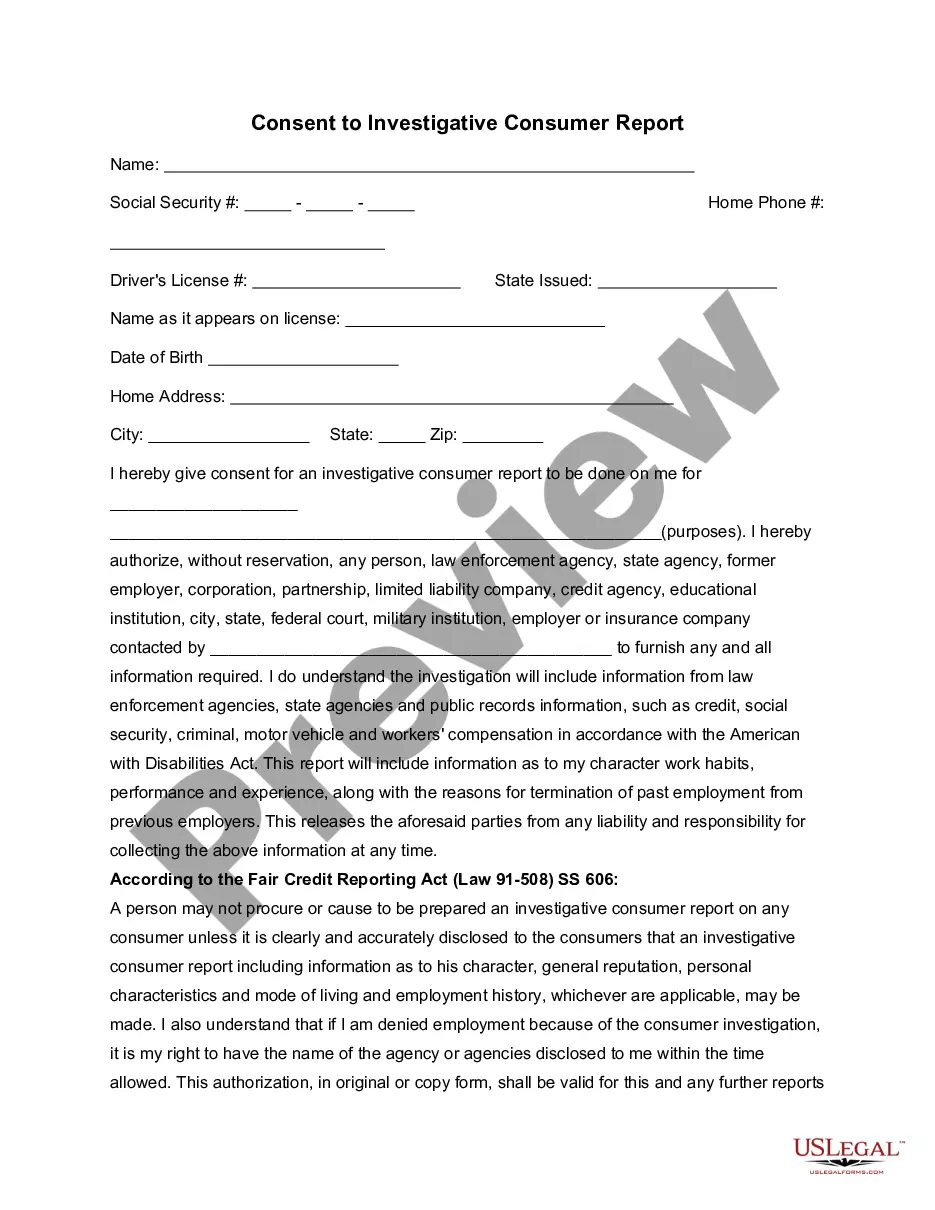
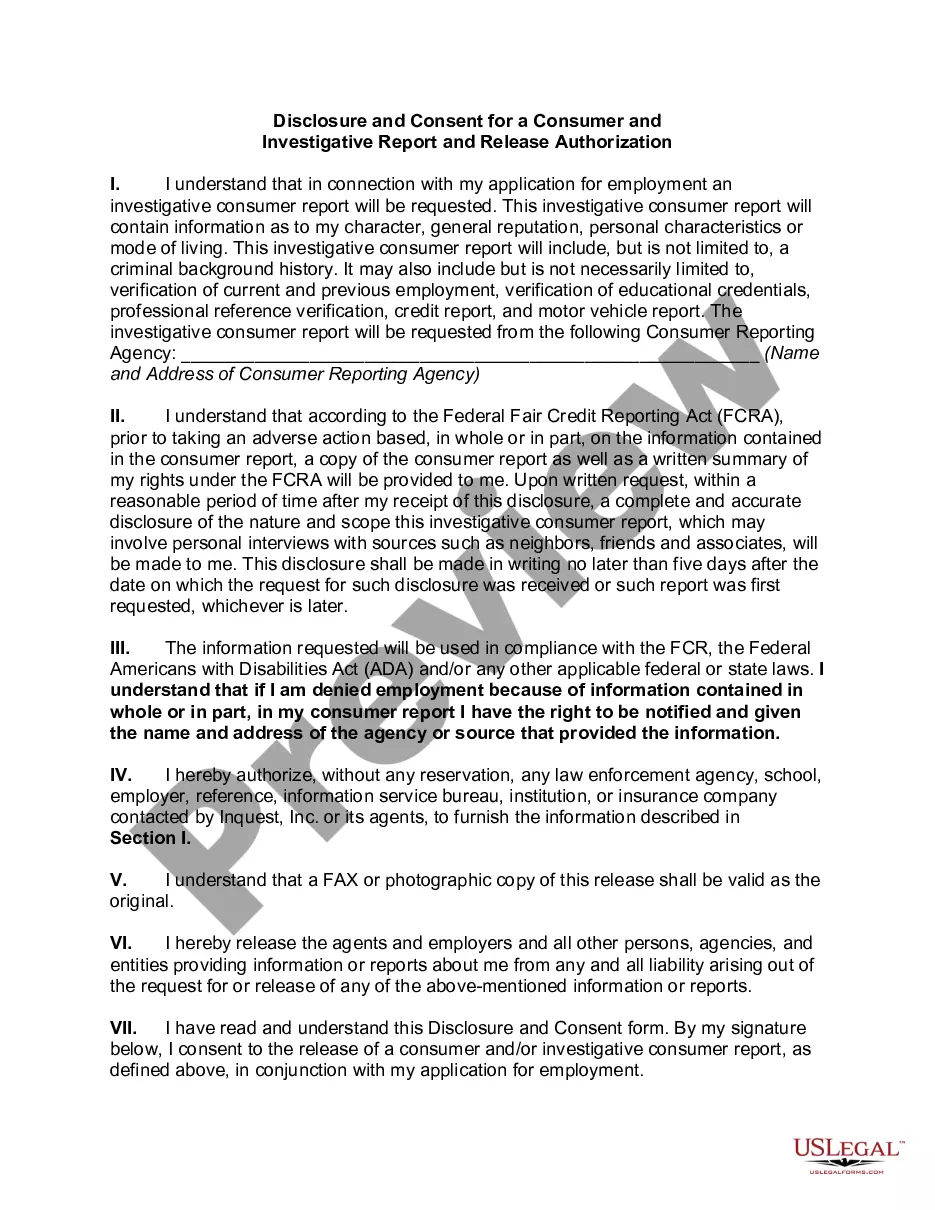
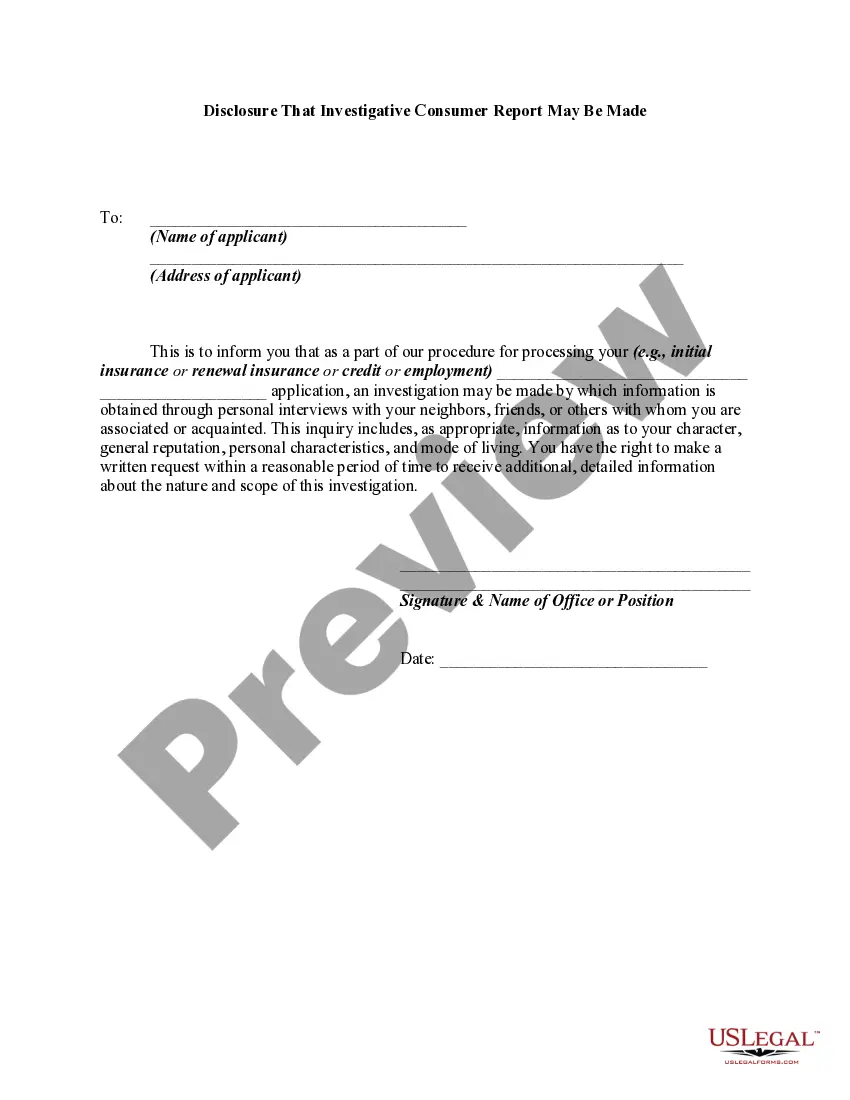
Get your form ready online
Our built-in tools help you complete, sign, share, and store your documents in one place.
Make edits, fill in missing information, and update formatting in US Legal Forms—just like you would in MS Word.
Download a copy, print it, send it by email, or mail it via USPS—whatever works best for your next step.
Sign and collect signatures with our SignNow integration. Send to multiple recipients, set reminders, and more. Go Premium to unlock E-Sign.
If this form requires notarization, complete it online through a secure video call—no need to meet a notary in person or wait for an appointment.
We protect your documents and personal data by following strict security and privacy standards.

Make edits, fill in missing information, and update formatting in US Legal Forms—just like you would in MS Word.

Download a copy, print it, send it by email, or mail it via USPS—whatever works best for your next step.

Sign and collect signatures with our SignNow integration. Send to multiple recipients, set reminders, and more. Go Premium to unlock E-Sign.

If this form requires notarization, complete it online through a secure video call—no need to meet a notary in person or wait for an appointment.

We protect your documents and personal data by following strict security and privacy standards.
Looking for another form?

Form popularity
FAQ
The FTC's Bureau of Consumer Protection stops unfair, deceptive and fraudulent business practices by: collecting complaints and conducting investigations. suing companies and people that break the law.
The Florida Department of Agriculture and Consumer Services' Division of Consumer Services is the state's clearinghouse for consumer complaints, information and protection.
The Consumer Protection Division of the Office of the Attorney General is the civil enforcement authority for violations of the Florida Deceptive and Unfair Trade Practices Act and related laws.
Five local entities that protect consumer rights are Federal Trade Commission (FTC), Consumer Financial Protection Bureau (CFPB), National Association of Consumer Advocates (NACA), Consumer Protection Division (CPD) and Better Business Bureau (BBB).
The Consumer Agency provides the public, consumers as well as business operators, with relevant and up-to-date information concerning legal rights and obligations in transactions with consumers including issues concerning the security of measurements and products.
The FTC's Bureau of Consumer Protection stops unfair, deceptive and fraudulent business practices by: collecting complaints and conducting investigations. suing companies and people that break the law.
It aims to protect consumers against poor-quality products and services and unfair business practices or contract terms with regards to transactions, repairs, refunds and delivery.
National Consumer Helpline - NCH. The Department of Consumer Affairs has launched this portal as an integrated Grievance Redress Mechanism (INGRAM) for bringing all Stakeholders such as Consumers, Central and State Government Agencies, Private Companies, Regulators, Ombudsmen and call centres etc.
Step 1: Contact the seller or provider first Before you file a formal complaint, try to talk to the company that sold you the item or service. Maybe they made a mistake and will fix it for you. If they don't help, you can move on to the next step.
