Retirement Plans For Individuals In Queens
Description
















Get your form ready online
Our built-in tools help you complete, sign, share, and store your documents in one place.
Make edits, fill in missing information, and update formatting in US Legal Forms—just like you would in MS Word.
Download a copy, print it, send it by email, or mail it via USPS—whatever works best for your next step.
Sign and collect signatures with our SignNow integration. Send to multiple recipients, set reminders, and more. Go Premium to unlock E-Sign.
If this form requires notarization, complete it online through a secure video call—no need to meet a notary in person or wait for an appointment.
We protect your documents and personal data by following strict security and privacy standards.

Make edits, fill in missing information, and update formatting in US Legal Forms—just like you would in MS Word.

Download a copy, print it, send it by email, or mail it via USPS—whatever works best for your next step.

Sign and collect signatures with our SignNow integration. Send to multiple recipients, set reminders, and more. Go Premium to unlock E-Sign.

If this form requires notarization, complete it online through a secure video call—no need to meet a notary in person or wait for an appointment.

We protect your documents and personal data by following strict security and privacy standards.
Looking for another form?
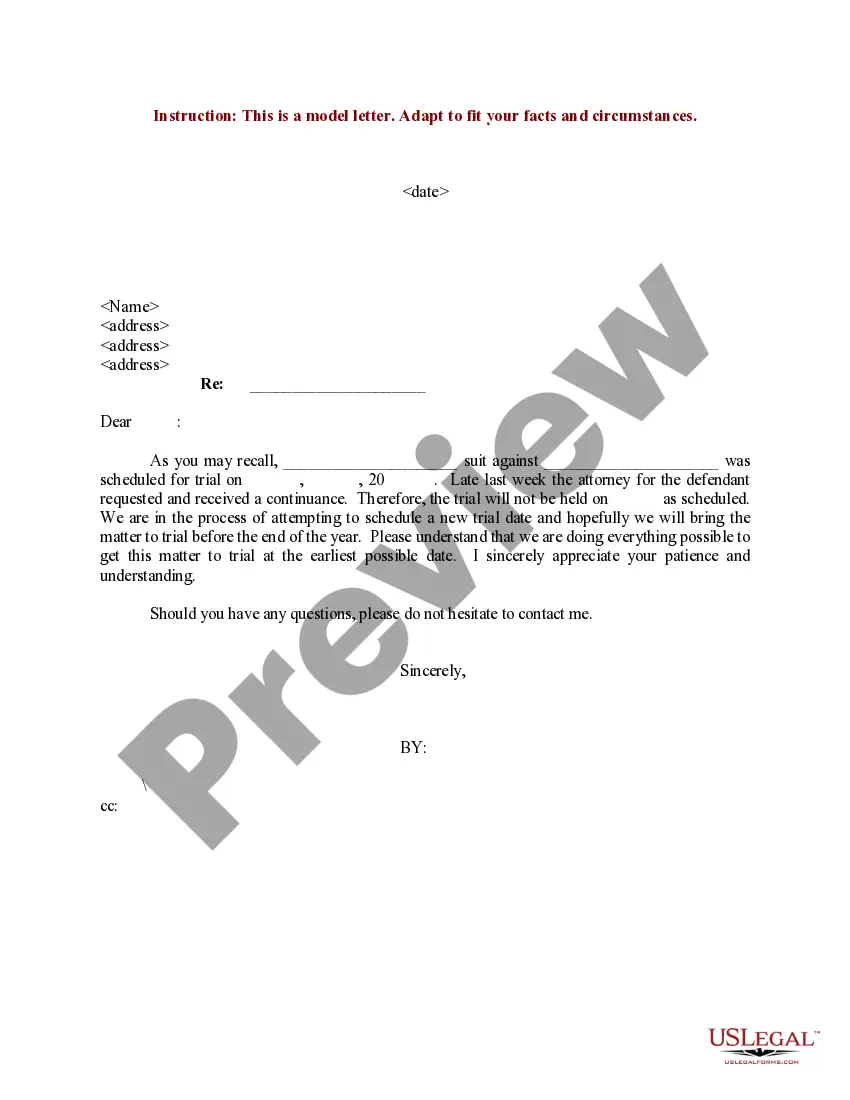





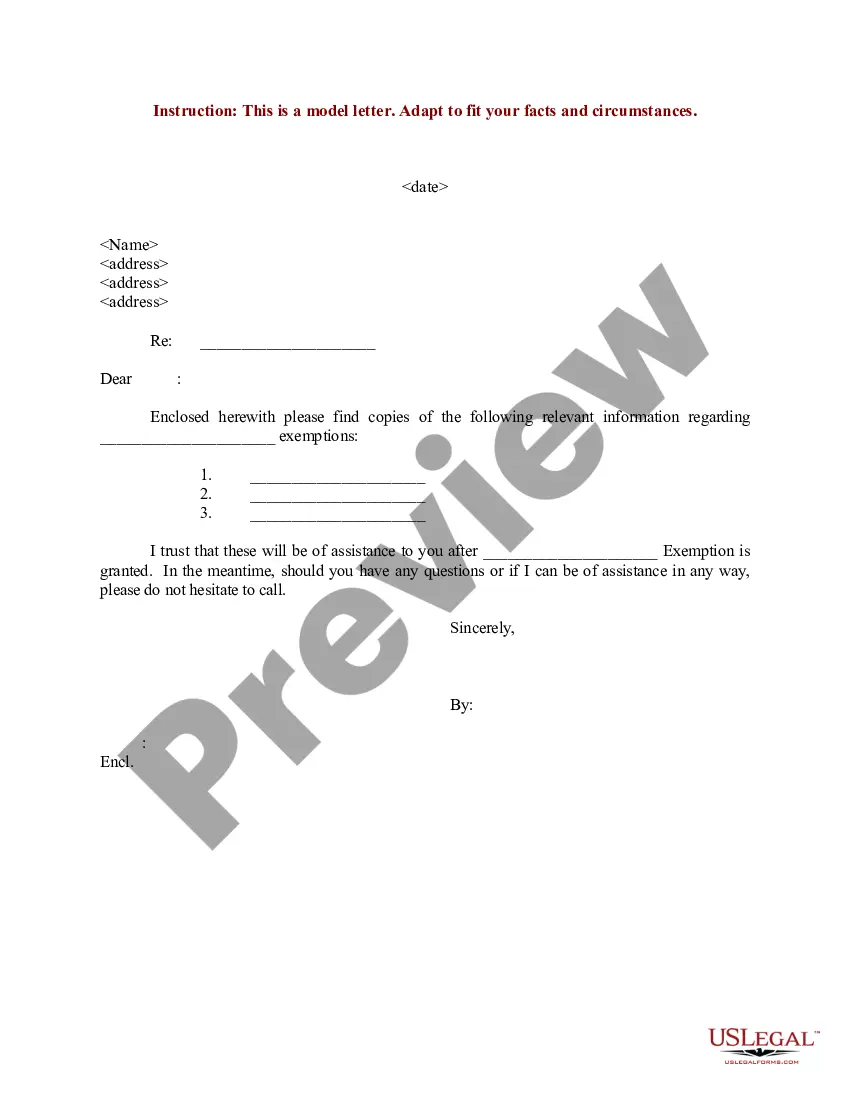

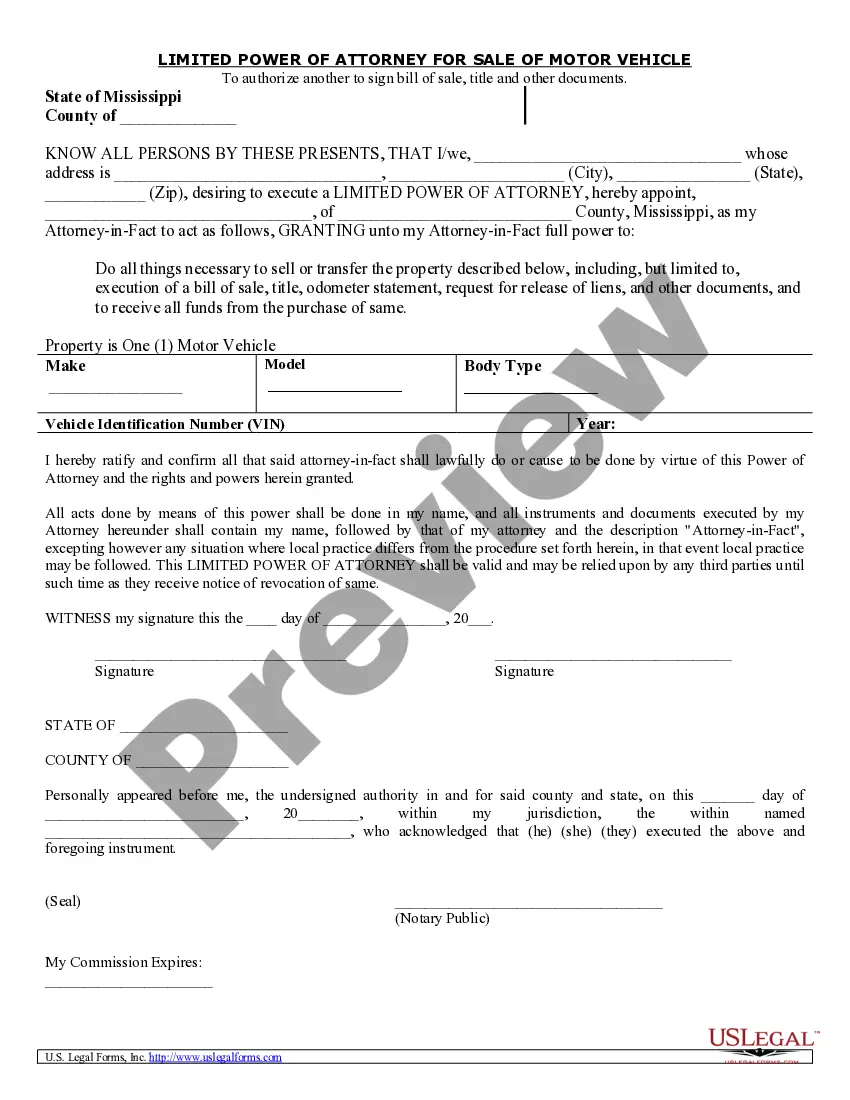

Form popularity
FAQ
Eligibility. You are eligible for a vested retirement benefit if you leave public employment before age 55 and you have five or more years of credited service. This means that when you reach age 55, you will be entitled to a retirement benefit based on your service and your earnings when you were an active member.
As of October 2021, New York state became the latest state to require private sector employers to provide their employees with a retirement savings plan.
To receive the full retirement benefit, you must retire at age 62 or older or, if you have at least 30 years of credited service, you may retire as early as age 55. With less than 30 years of credited service, you may retire between the ages 55 and 62 and receive a reduced benefit.
Forms NameTitleCurrent version Form 5500 & Schedules Annual Return/Report of Employee Benefit Plan Standard Form 5500-EZ Annual Return of One-Participant (Owners and Their Spouses) Retirement Plan Fillable PDF Form 5500-SF Short Form Annual Return/Report of Small Employee Benefit Plan Standard PDF58 more rows •
Tier 5 members of TRS are vested in the retirement system after achieving 10 years of service credit and contribute 3.5 percent of their salaries for the life of their employment. Tier 6 members can collect a full pension at age 63 and are vested in the retirement system after achieving 10 years of service credit.
For the full retirement benefit, you must be 62 years old at retirement or, if you have 30 years of credited service, you may retire as early as age 55. With less than 30 years of service, you may retire as early as age 55, but you will receive a reduced benefit.
For 2024, eligible taxpayers can contribute $23,000 to their 401(k) account and that is up from $22,500 in 2023. The limit on catch-up contributions for 401(k) plans for 2024 is $7,500 — the same as it was in 2023, bringing the total elective deferral contribution limit to $30,500.
In the United States, a tax-deferred savings plan like the 401(k), 403(b) and 457 plans are usually the best idea if your employer is willing to match your contributions.
The safe withdrawal rule is a classic in retirement planning. It maintains that you can live comfortably on your retirement savings if you withdraw 3% to 4% of the balance you had at retirement each year, adjusted for inflation.