Erisa Retirement Plan Beneficiary Mother In Montgomery
Description
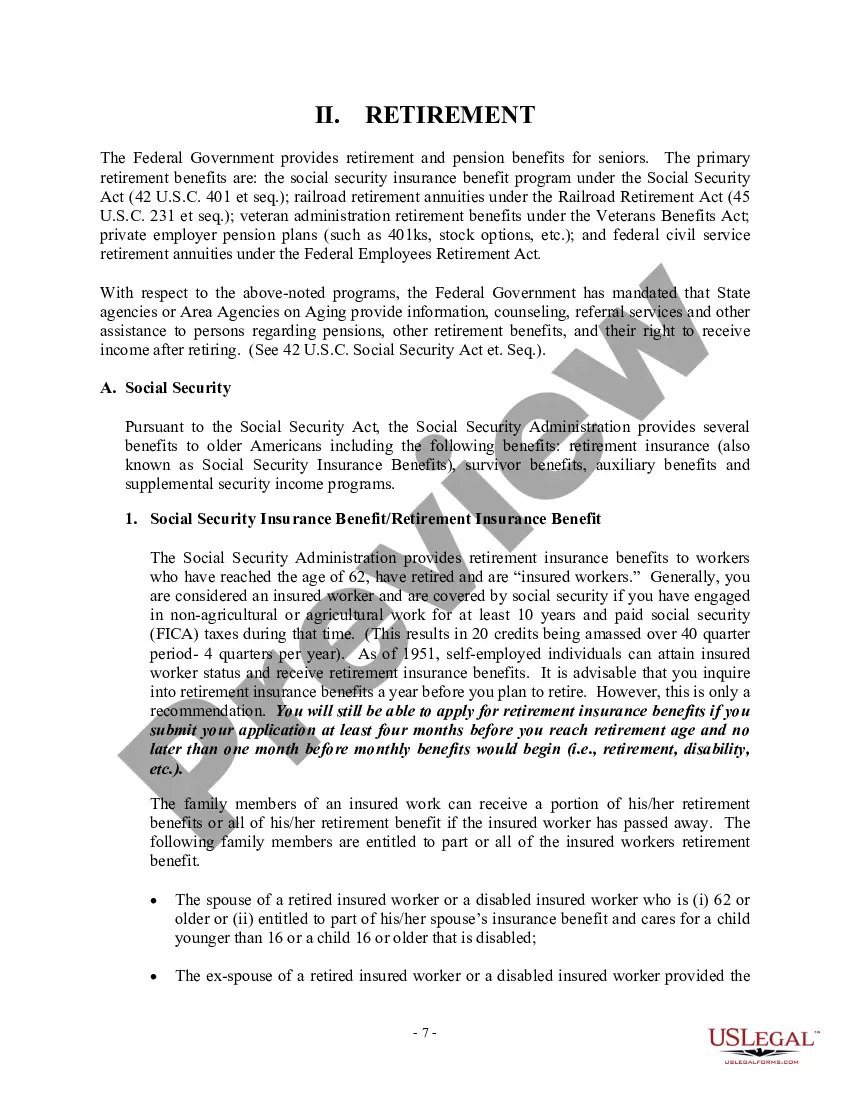
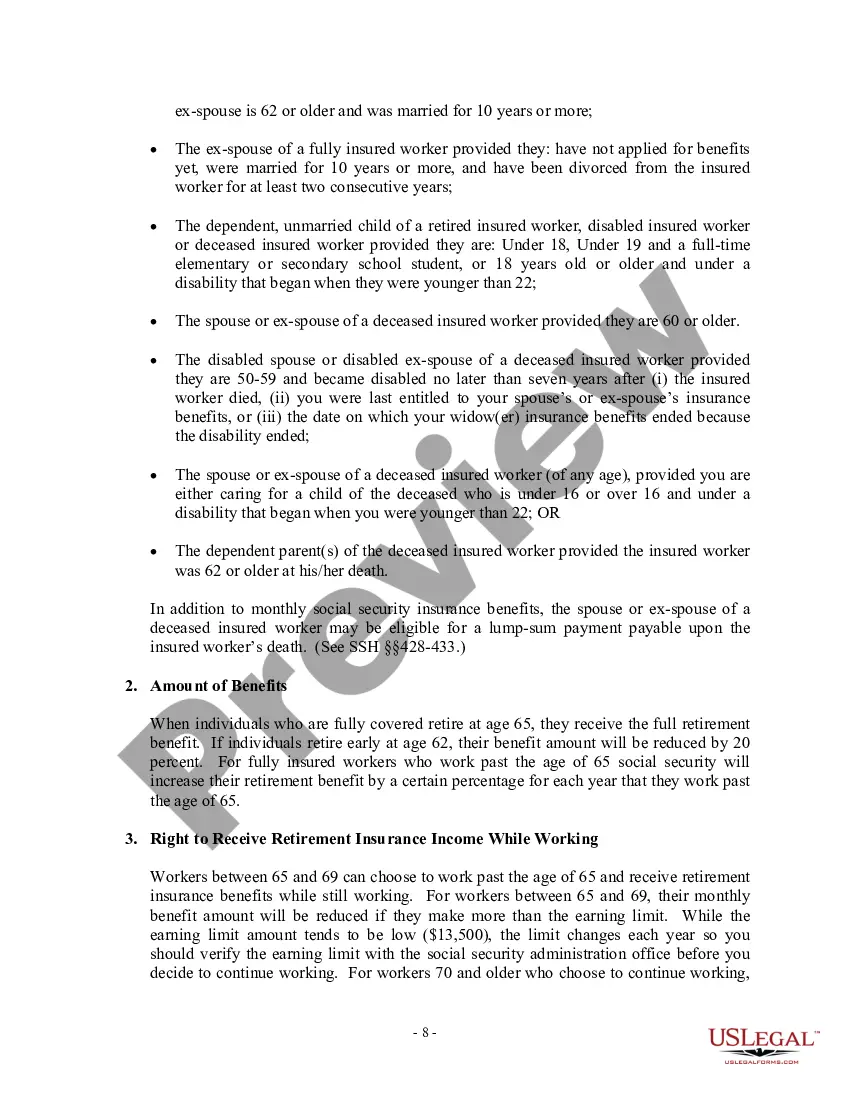

Get your form ready online
Our built-in tools help you complete, sign, share, and store your documents in one place.
Make edits, fill in missing information, and update formatting in US Legal Forms—just like you would in MS Word.
Download a copy, print it, send it by email, or mail it via USPS—whatever works best for your next step.
Sign and collect signatures with our SignNow integration. Send to multiple recipients, set reminders, and more. Go Premium to unlock E-Sign.
If this form requires notarization, complete it online through a secure video call—no need to meet a notary in person or wait for an appointment.
We protect your documents and personal data by following strict security and privacy standards.

Make edits, fill in missing information, and update formatting in US Legal Forms—just like you would in MS Word.

Download a copy, print it, send it by email, or mail it via USPS—whatever works best for your next step.

Sign and collect signatures with our SignNow integration. Send to multiple recipients, set reminders, and more. Go Premium to unlock E-Sign.

If this form requires notarization, complete it online through a secure video call—no need to meet a notary in person or wait for an appointment.

We protect your documents and personal data by following strict security and privacy standards.
Looking for another form?
Form popularity
FAQ
Most beneficiary designations will require you to provide a person's full legal name and their relationship to you (spouse, child, mother, etc.). Some beneficiary designations also include information like mailing address, email, phone number, date of birth and Social Security number.
The application you fill out to apply for a life insurance policy will have an area where you are asked to write the name of your beneficiary (or “names” if you want more than one beneficiary). After the insurance company approves your policy and it goes into effect, your beneficiary is set.
Most beneficiary designations will require you to provide a person's full legal name and their relationship to you (spouse, child, mother, etc.). Some beneficiary designations also include information like mailing address, email, phone number, date of birth and Social Security number.
Navigate to the 'Fund Transfer' section, where you will typically find the option to add a new beneficiary. Select 'Add Payee' and choose the type of their account (it can be own bank or other banks). Fill in the beneficiary's name, account number, bank name and IFSC accurately, and then click on 'Add' and 'Confirm'.
Write the names of the first beneficiary(ies) you would like to receive your benefit after you die. You may name an individual(s), entity (such as a charity, business, religious organization, funeral home, etc.), trust, or estate. You may name more than one.
How many state and local pension plans are there? State and local governments sponsored more than 4,000 pension plans in 2022. Over 34 million members participate in these plans, including active public employees, former public employees who have earned benefits that they are not yet collecting, and current retirees.
Benefits include a wide variety of health and wellness plans, life insurance, flexible schedules, and time off for work-life balance. For most health insurance plans, MCG contributes 75% to 80% towards the premium. MCG's retirement plan contributions vary based on the plan's provisions.
The Montgomery County Employees' Retirement System (the “Plan”) is a source of your retirement income. Along with Social Security and your other financial resources, it can help you enjoy retirement. This booklet provides a summary of the Plan.
The average employee salary for Montgomery County, Maryland in 2023 was $90,688. This is 26.4 percent higher than the national average for government employees and 25.0 percent higher than other counties.
Anyone who works for a private-sector organization which sponsors retirement benefits such as pension plan or a 401(k) plan (or 403(b) for non-profits) receives an ERISA-governed benefit that becomes vested; i.e., non-forfeitable so long as the employee works for the employer for a sufficient number of years.