Retirement Plans For Nonprofits In Maryland
Description
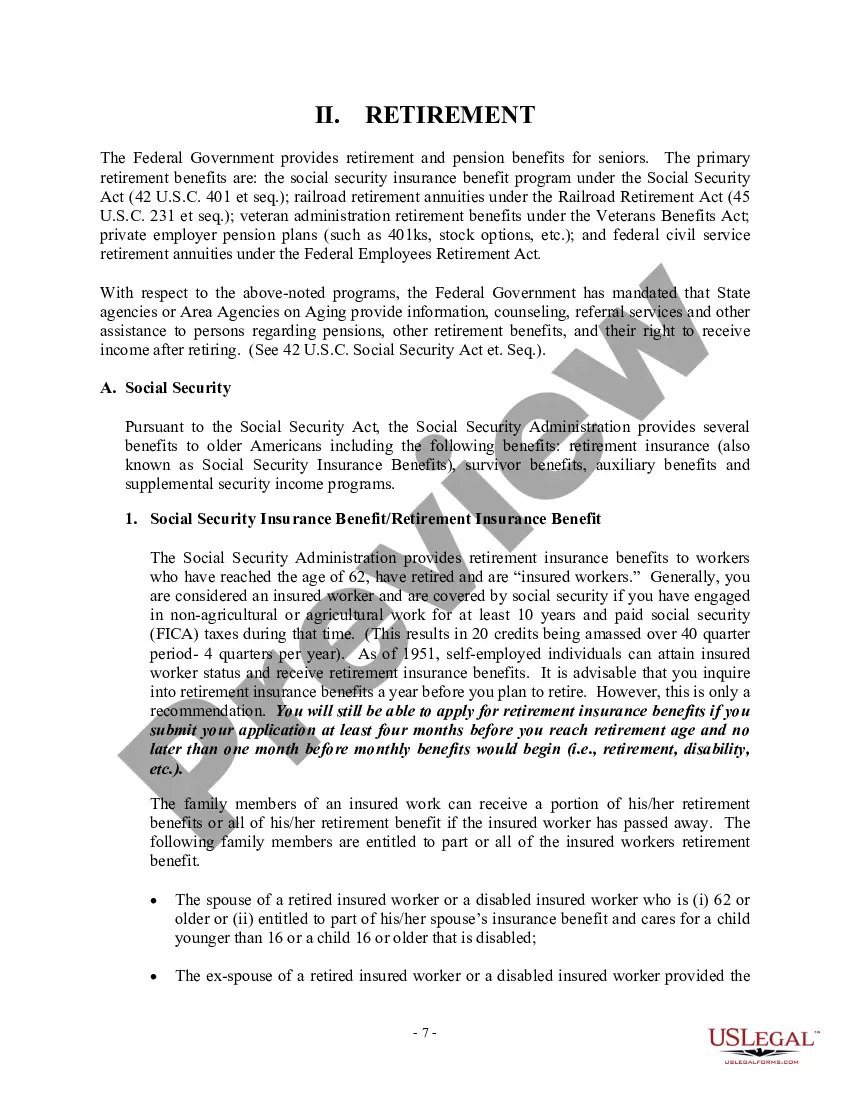
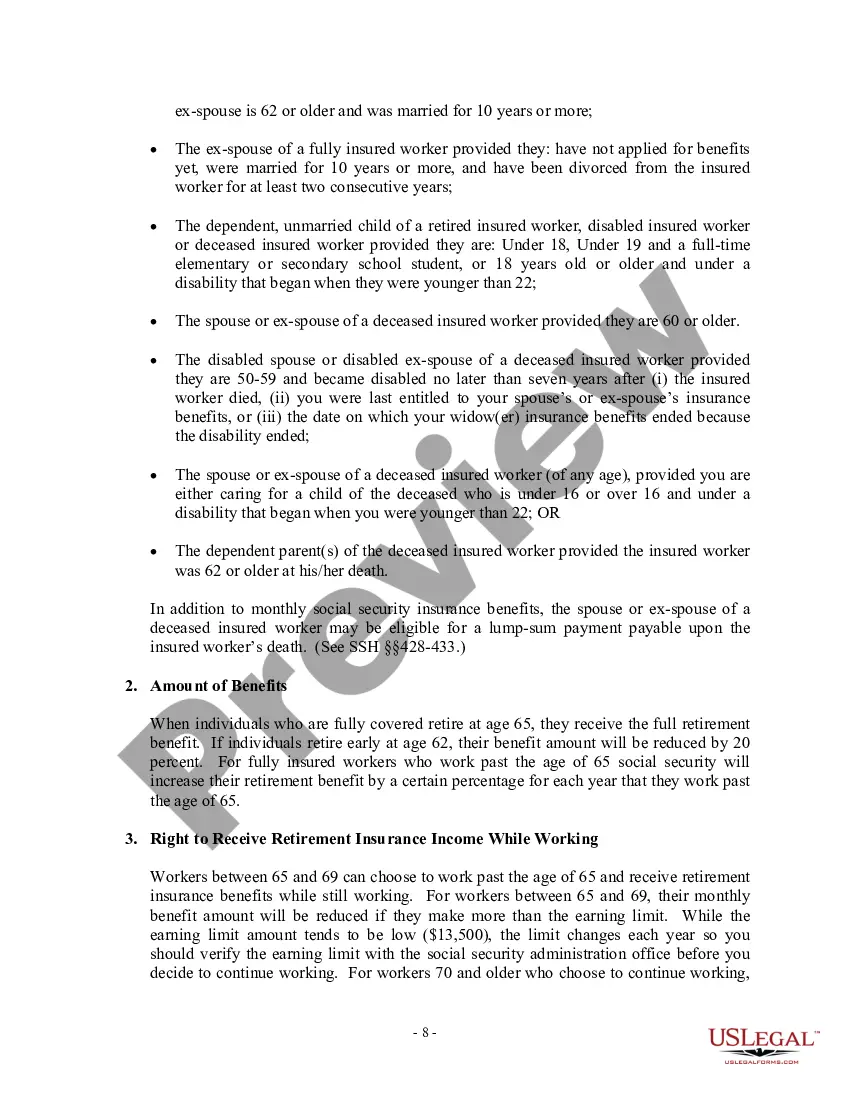

Get your form ready online
Our built-in tools help you complete, sign, share, and store your documents in one place.
Make edits, fill in missing information, and update formatting in US Legal Forms—just like you would in MS Word.
Download a copy, print it, send it by email, or mail it via USPS—whatever works best for your next step.
Sign and collect signatures with our SignNow integration. Send to multiple recipients, set reminders, and more. Go Premium to unlock E-Sign.
If this form requires notarization, complete it online through a secure video call—no need to meet a notary in person or wait for an appointment.
We protect your documents and personal data by following strict security and privacy standards.

Make edits, fill in missing information, and update formatting in US Legal Forms—just like you would in MS Word.

Download a copy, print it, send it by email, or mail it via USPS—whatever works best for your next step.

Sign and collect signatures with our SignNow integration. Send to multiple recipients, set reminders, and more. Go Premium to unlock E-Sign.

If this form requires notarization, complete it online through a secure video call—no need to meet a notary in person or wait for an appointment.

We protect your documents and personal data by following strict security and privacy standards.
Looking for another form?

Form popularity
FAQ
Under Maryland law, most Maryland employers are now required to offer their employees access to retirement savings.
Nonprofits have a wide array of retirement plan options to support their employees' financial futures, from 403(b) and 457(b) plans to SEP IRAs and SIMPLE IRAs. These plans offer various benefits, from pre-tax savings and employer contributions to simplified administration tailored for smaller organizations.
Retirement eligibility at age 65 with at least 10 years of service, or age 60 with at least 15 years of service at a reduced benefit.
If your company doesn't offer a 401(k), you still can save for the future with an IRA, among other options. If you're self-employed, you can set up your own retirement plan (e.g. a solo 401(k), a SEP IRA, and/or a SIMPLE IRA). An IRA is also an option.
Current rule: As of June 30, 2022, California requires employers with five or more employees, to offer a retirement savings plan. Plan details: Employers may choose an independent retirement plan administrator, or participate in California's state-run plan. You can read more in our guide to the Calsavers mandate.
Maryland Saves requires certain employers to establish a retirement savings plans for their employees through the Maryland Saves program or their own retirement savings plans such as Traditional IRA, Roth IRA, Simple IRA, SEP IRA plans, etc.
Retirement eligibility at age 65 with at least 10 years of service, or age 60 with at least 15 years of service at a reduced benefit. Receive service credit for unused sick leave (visit the MSRPS website for more information)
A 403(b) plan is available to non-governmental non-profit entities. This plan type is exempt from certain compliance testing and has fewer investment options than a 401(k).
Pros and cons of a 403(b) ProsCons Tax advantages Few investment choices High contribution limits High fees Employer matching Penalties on early withdrawals Shorter vesting schedules Not always subject to ERISA1 more row •
Though 401(k)s are primarily offered by larger for-profit companies, many nonprofit entities also offer 401(k) plans to their employees. In fact, many nonprofit organizations may choose to offer both a 401(k) and a 403(b).