Amortization Table Excel Formula In Wayne
Description
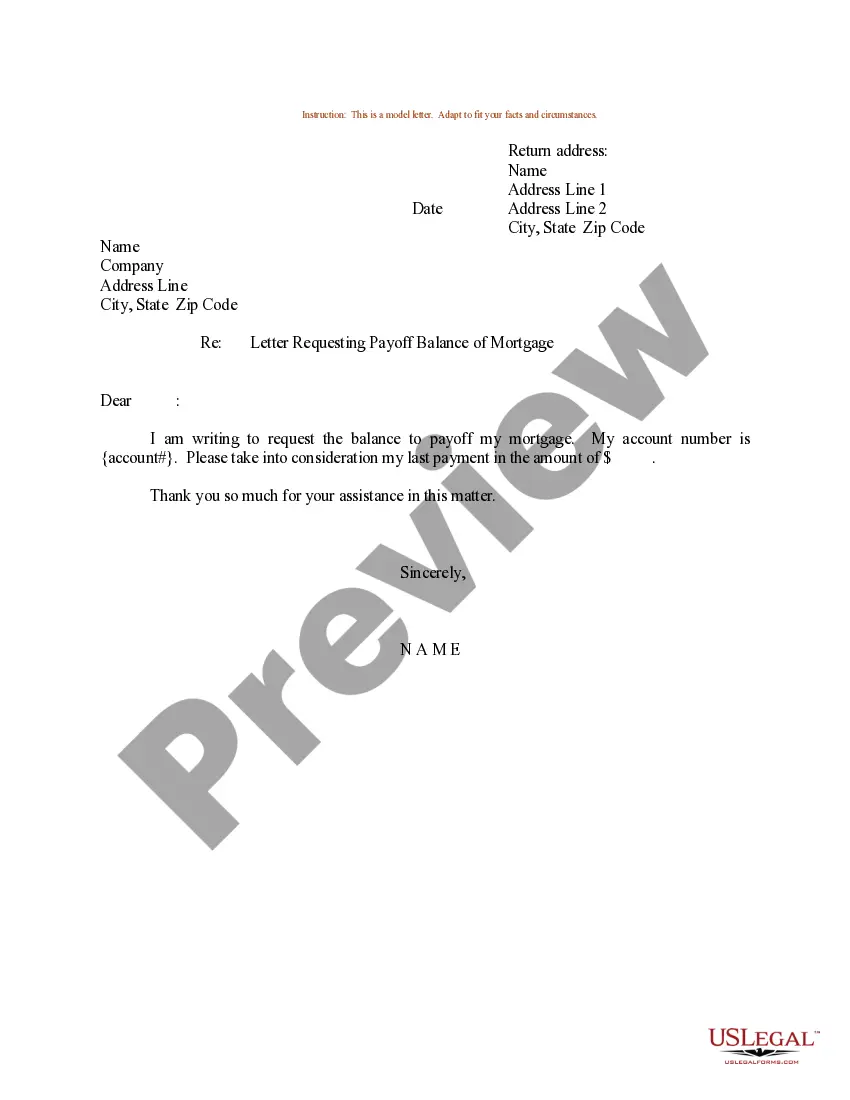
Get your form ready online
Our built-in tools help you complete, sign, share, and store your documents in one place.
Make edits, fill in missing information, and update formatting in US Legal Forms—just like you would in MS Word.
Download a copy, print it, send it by email, or mail it via USPS—whatever works best for your next step.
Sign and collect signatures with our SignNow integration. Send to multiple recipients, set reminders, and more. Go Premium to unlock E-Sign.
If this form requires notarization, complete it online through a secure video call—no need to meet a notary in person or wait for an appointment.
We protect your documents and personal data by following strict security and privacy standards.

Make edits, fill in missing information, and update formatting in US Legal Forms—just like you would in MS Word.

Download a copy, print it, send it by email, or mail it via USPS—whatever works best for your next step.

Sign and collect signatures with our SignNow integration. Send to multiple recipients, set reminders, and more. Go Premium to unlock E-Sign.

If this form requires notarization, complete it online through a secure video call—no need to meet a notary in person or wait for an appointment.

We protect your documents and personal data by following strict security and privacy standards.
Looking for another form?






Form popularity
FAQ
Amortization schedules can be easily generated using several basic Microsoft Excel functions. In general, amortization schedules are provided to borrowers by banks or other financial institutions when credit is extended so that borrowers understand the repayment structure.
The PPMT syntax is =PPMT( rate, per, nper, pv, fv, type). We will focus on the four required arguments: Rate: Interest rate. Per: This is the period for which we want to find the principal portion and must be in the range from 1 to nper.
Fortunately, Excel can be used to create an amortization schedule. The amortization schedule template below can be used for a variable number of periods, as well as extra payments and variable interest rates.
Open Microsoft Excel, click the "File" tab, and then choose the "New" link. When the Available Templates window appears, type "ledger" into the search box, and then click the arrow button. Excel does not have a button on the Available Templates window for its collection of ledger templates, but it does offer them.
=PMT(1.5%/12,312,0,8500) The rate argument is 1.5% divided by 12, the number of months in a year. The NPER argument is 312 for twelve monthly payments over three years. The PV (present value) is 0 because the account is starting from zero.

