Loan Payoff Form With Guarantor In Utah
Description
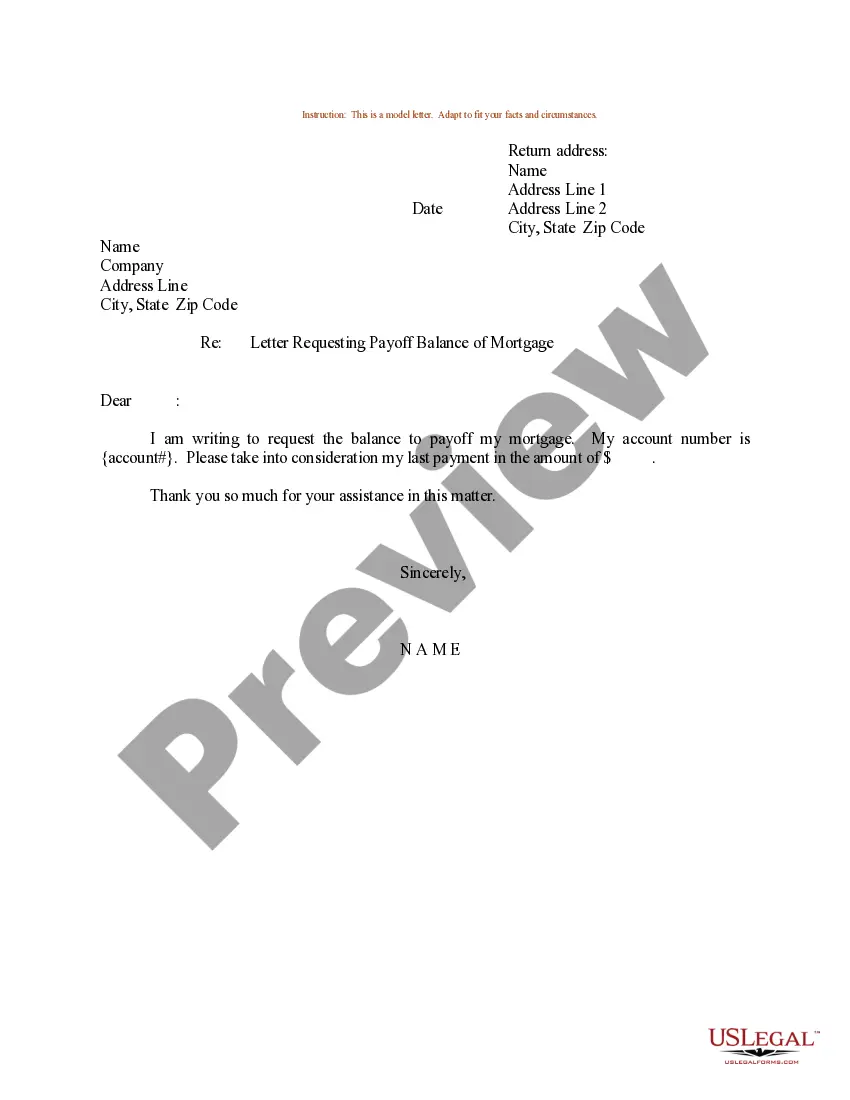
Get your form ready online
Our built-in tools help you complete, sign, share, and store your documents in one place.
Make edits, fill in missing information, and update formatting in US Legal Forms—just like you would in MS Word.
Download a copy, print it, send it by email, or mail it via USPS—whatever works best for your next step.
Sign and collect signatures with our SignNow integration. Send to multiple recipients, set reminders, and more. Go Premium to unlock E-Sign.
If this form requires notarization, complete it online through a secure video call—no need to meet a notary in person or wait for an appointment.
We protect your documents and personal data by following strict security and privacy standards.

Make edits, fill in missing information, and update formatting in US Legal Forms—just like you would in MS Word.

Download a copy, print it, send it by email, or mail it via USPS—whatever works best for your next step.

Sign and collect signatures with our SignNow integration. Send to multiple recipients, set reminders, and more. Go Premium to unlock E-Sign.

If this form requires notarization, complete it online through a secure video call—no need to meet a notary in person or wait for an appointment.

We protect your documents and personal data by following strict security and privacy standards.
Looking for another form?








Form popularity
FAQ
As a guarantor you can only be removed by consent of the Landlord. You can not remove yourself without consent or the agreement itself ends. Therefore at the end of 12 months and your son is on a periodic tenancy, if he signs a new agreement, you would be released.
The guarantor may be released if they have fulfilled their obligations under the lease, the tenant no longer needs their support, or the guarantor no longer wishes to be financially responsible.
In short, the Ankar Principle provides that a guarantor will be discharged from their entire liability under a guarantee if: the guarantor's rights under the contract are altered without the consent of the guarantor; and. the alteration is substantial or prejudicial to the guarantor.
However, as a guarantor, your financial liability is identical to that of the borrower or tenant. If they fail to meet their obligations, creditors can pursue you directly for the debt. This can lead to lawsuits, credit damage, and financial loss, all because you agreed to help someone out.
You can usually be a guarantor if: You are over 21 years old. You have a good credit history. You have a separate bank account to the borrower.
As a guarantor you can only be removed by consent of the Landlord. You can not remove yourself without consent or the agreement itself ends. Therefore at the end of 12 months and your son is on a periodic tenancy, if he signs a new agreement, you would be released.
As a guarantor you can only be removed by consent of the Landlord. You can not remove yourself without consent or the agreement itself ends. Therefore at the end of 12 months and your son is on a periodic tenancy, if he signs a new agreement, you would be released.
If you are a guarantor and no longer wish to be, you must obtain the consent or agreement from the landlord before you will be released from your liabilities, which, if the rent is in arrears, the landlord is unlikely to agree to.
