Lien Payoff Letter Template For Students In Utah
Description

Get your form ready online
Our built-in tools help you complete, sign, share, and store your documents in one place.
Make edits, fill in missing information, and update formatting in US Legal Forms—just like you would in MS Word.
Download a copy, print it, send it by email, or mail it via USPS—whatever works best for your next step.
Sign and collect signatures with our SignNow integration. Send to multiple recipients, set reminders, and more. Go Premium to unlock E-Sign.
If this form requires notarization, complete it online through a secure video call—no need to meet a notary in person or wait for an appointment.
We protect your documents and personal data by following strict security and privacy standards.

Make edits, fill in missing information, and update formatting in US Legal Forms—just like you would in MS Word.

Download a copy, print it, send it by email, or mail it via USPS—whatever works best for your next step.

Sign and collect signatures with our SignNow integration. Send to multiple recipients, set reminders, and more. Go Premium to unlock E-Sign.

If this form requires notarization, complete it online through a secure video call—no need to meet a notary in person or wait for an appointment.

We protect your documents and personal data by following strict security and privacy standards.
Looking for another form?

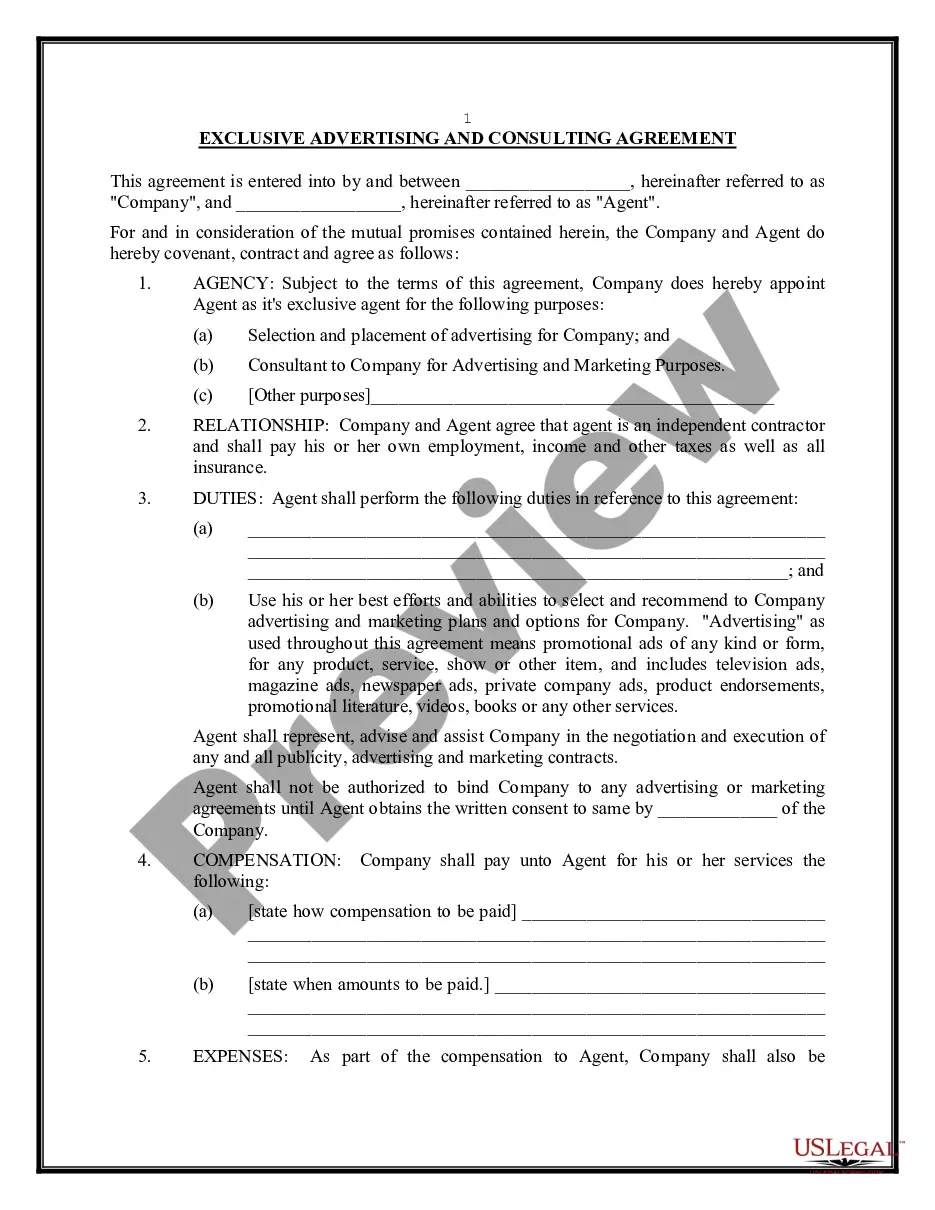






Form popularity
FAQ
The requirement for notarization of a liability waiver depends on the specific laws of the jurisdiction and the preferences of the parties involved. In many cases, a notary public is not a mandatory component for a waiver to be legally binding. However, notarizing a waiver can add an extra layer of credibility.
Wyoming, Texas, and Mississippi are the only states that require a person signing a lien waiver to have it notarized. The notarization requirement does not apply in Washington and Oregon, the two states we primarily serve at Northwest Lien.
These states include: Arizona. California. Connecticut. Michigan. Nevada.
Notarization Not Required Utah lien waivers do not need to be notarized in order to be effective.
A payoff request allows a third party to receive the current balance due to release a lien or facilitate a business transfer (bulk sale transfer or liquor license). To release a lien or facilitate a bulk sale transfer, businesses must be in good standing to receive a payoff request.
Request a lien removal Contact the FDIC directly to request a release letter. You will need the title and proof of payoff. Once you have the necessary documentation, you can file it with the DMV and register the car.
File the lien: A construction lien is typically filed with the county clerk in which the project is located. The paperwork and filing requirements vary by state, but will usually involve listing the work performed, the unpaid amount(s) at issue, as well as attaching copies of contracts and any required notices.
Utah Code 38-1a-501 (1)(a) A person who desires to claim a construction lien on real property shall file a preliminary notice with the registry no later than 20 days after the day on which the person commences providing construction work on the real property.

