Sample Loan Payoff Letter Template Foreclosure In San Diego
Description
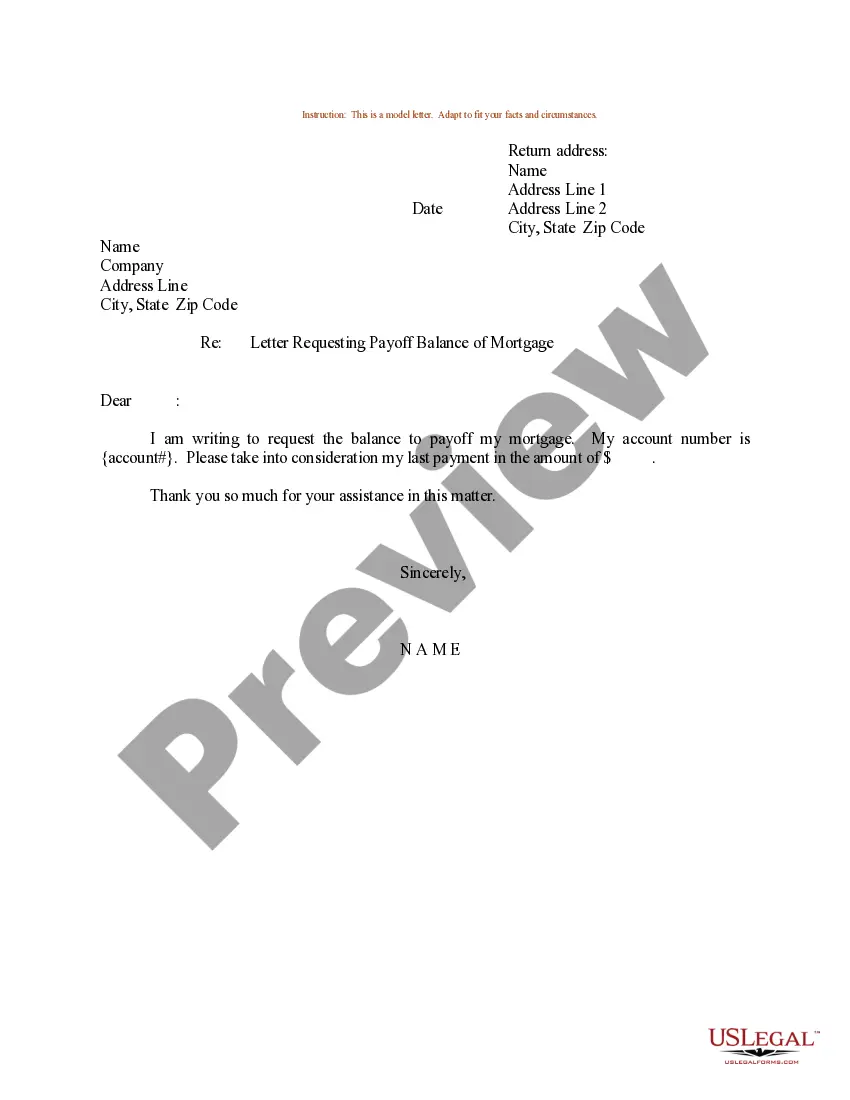
Get your form ready online
Our built-in tools help you complete, sign, share, and store your documents in one place.
Make edits, fill in missing information, and update formatting in US Legal Forms—just like you would in MS Word.
Download a copy, print it, send it by email, or mail it via USPS—whatever works best for your next step.
Sign and collect signatures with our SignNow integration. Send to multiple recipients, set reminders, and more. Go Premium to unlock E-Sign.
If this form requires notarization, complete it online through a secure video call—no need to meet a notary in person or wait for an appointment.
We protect your documents and personal data by following strict security and privacy standards.

Make edits, fill in missing information, and update formatting in US Legal Forms—just like you would in MS Word.

Download a copy, print it, send it by email, or mail it via USPS—whatever works best for your next step.

Sign and collect signatures with our SignNow integration. Send to multiple recipients, set reminders, and more. Go Premium to unlock E-Sign.

If this form requires notarization, complete it online through a secure video call—no need to meet a notary in person or wait for an appointment.

We protect your documents and personal data by following strict security and privacy standards.
Looking for another form?










Form popularity
FAQ
Requesting a Payoff Quote If you're curious about your payoff amount, but you don't need it in writing for any particular or urgent reason, you may be able to obtain a verbal payoff quote from your lender by phone. You should treat a verbal quote as just an estimate because it's not legally binding.
Definitions of foreclose. verb. keep from happening or arising; make impossible. synonyms: forbid, forestall, preclude, preempt, prevent.
Most mortgages have a power of sale clause, so lenders can foreclose without going to court (non-judicial). These are the most common type of foreclosures in California. There are other differences between judicial and nonjudicial foreclosures.
A letter of explanation is simply a tool that helps your lender's team understand your financial situation more fully. Giving exactly the information they request with the appropriate level of detail helps the team reviewing your application truly understand your financial picture.
Tips for writing a letter of explanation Provide all details the best you can, including correct dates and dollar amounts. Explain how and when all situations were resolved. If they are not resolved, explain that as well. Detail why problems won't happen again.
In California, lenders can foreclose on deeds of trust or mortgages using a nonjudicial foreclosure process (outside of court) or a judicial foreclosure process (through the courts). The nonjudicial foreclosure process is used most commonly in our state.
In California, the foreclosure process typically begins when a borrower misses a mortgage payment, triggering a Notice of Default (NOD) after about 90 days. Following the NOD, the borrower has approximately 90 days to remedy the default before a Notice of Trustee's Sale is issued.
How to write an explanation letter in 3 steps Choose letter format. Clients, team members or students may use print or email for their letters. Explain the situation. To begin writing this type of letter, you might explain the situation or circumstance and any contributing factors. Take responsibility and accountability.
Key Components to Include in a Debt Collection Letter Clear identification. Begin by clearly identifying the debtor, including their name, address, and relevant account information. Specific debt information. Payment options and due dates. Contact information. Call to Action. Legal considerations.
The letter should include an explanation regarding the negative event, the date it happened, the name of the creditor and your account number. It should also include an explanation of why you don't see this problem happening again.

