Payoff Letter Template With Letterhead In Queens
Description

Get your form ready online
Our built-in tools help you complete, sign, share, and store your documents in one place.
Make edits, fill in missing information, and update formatting in US Legal Forms—just like you would in MS Word.
Download a copy, print it, send it by email, or mail it via USPS—whatever works best for your next step.
Sign and collect signatures with our SignNow integration. Send to multiple recipients, set reminders, and more. Go Premium to unlock E-Sign.
If this form requires notarization, complete it online through a secure video call—no need to meet a notary in person or wait for an appointment.
We protect your documents and personal data by following strict security and privacy standards.

Make edits, fill in missing information, and update formatting in US Legal Forms—just like you would in MS Word.

Download a copy, print it, send it by email, or mail it via USPS—whatever works best for your next step.

Sign and collect signatures with our SignNow integration. Send to multiple recipients, set reminders, and more. Go Premium to unlock E-Sign.

If this form requires notarization, complete it online through a secure video call—no need to meet a notary in person or wait for an appointment.

We protect your documents and personal data by following strict security and privacy standards.
Looking for another form?







Form popularity
FAQ
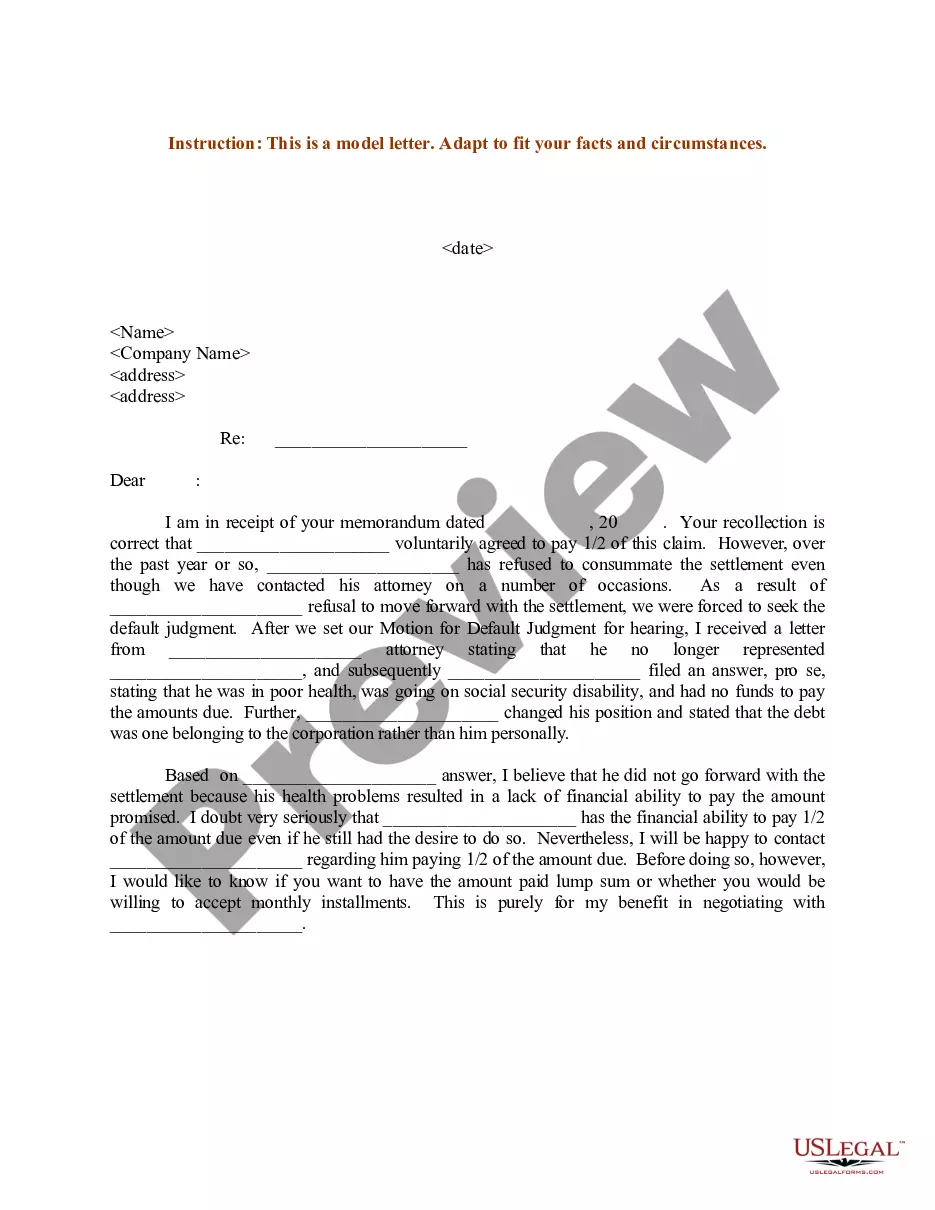
How to Write a Payoff Letter: Step-by-Step Guide Step 1: Gather necessary information. Step 2: Format your letter. Step 3: Clearly state your intentions. Step 4: Detail the necessary information. Step 5: Request written confirmation. Step 6: Offer contact information. Step 7: Proofread and submit.
First, you'll need to contact your lender and let them know you want the information. Depending on your lender, you may have to sign in to an online account, call a helpline, or send a formal letter to start the request process.
A tax warrant in New York is a legal claim by the state on personal and real property due to unpaid income, sales, or other New York State taxes. The Department of Taxation and Finance (NYS DTF) issues tax warrants, and they create a lien against assets, allowing the state to seize wages, income, and assets.
First, you'll need to contact your lender and let them know you want the information. Depending on your lender, you may have to sign in to an online account, call a helpline, or send a formal letter to start the request process.
Failure to report income or sales. Excessive credits or exclusions claimed on a return. Incorrect of fraudulent refund claims or returns filed. Differences found when we compare a return to information we obtain from others such as the IRS, banks, employers, and other businesses.
New York Tax Law 1147(b) defines the statute of limitations as 3 years from the date of the return due date or the return filing date (whichever comes later).
New York State tax warrants expire after 20 years. Importantly, the statute of limitations period starts to run on the first day a tax warrant could have been filed by the Tax Department, not when the warrant was actually filed.
New York State tax warrants expire after 20 years. Importantly, the statute of limitations period starts to run on the first day a tax warrant could have been filed by the Tax Department, not when the warrant was actually filed.

