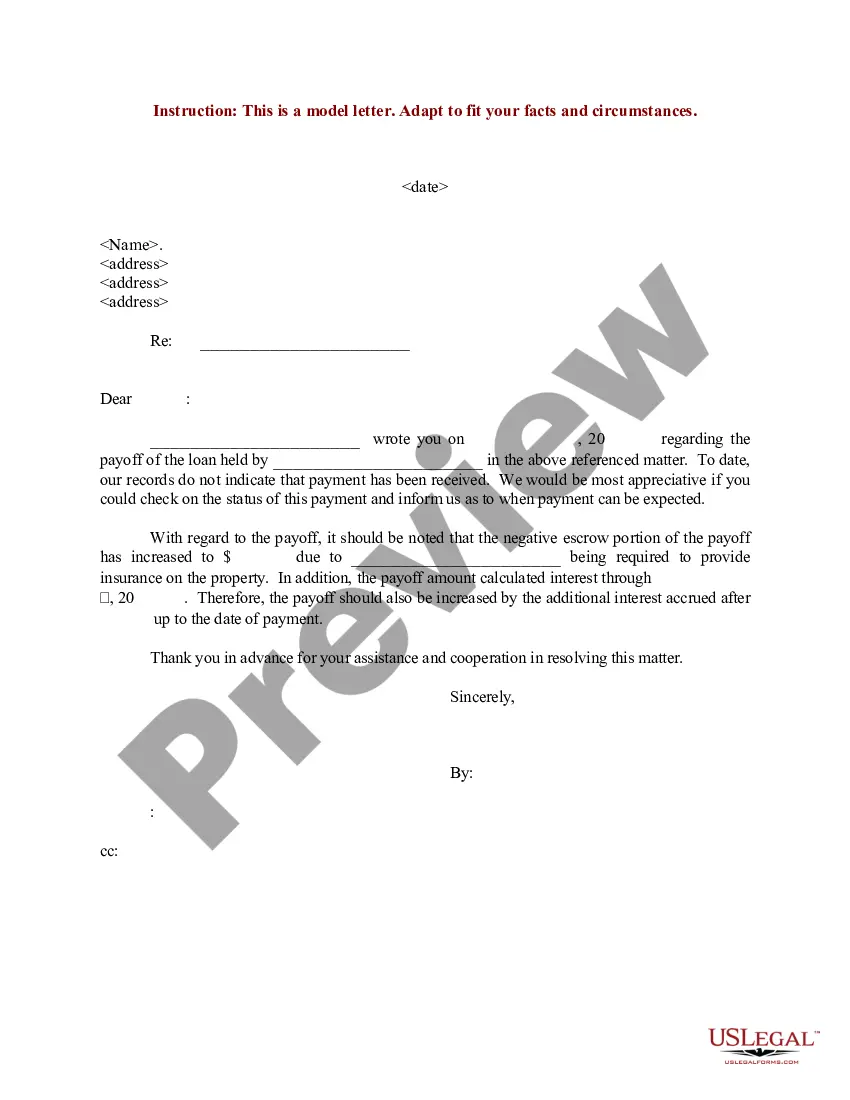
Payoff Letter For Private Mortgage
Description
Get your form ready online
Our built-in tools help you complete, sign, share, and store your documents in one place.
Make edits, fill in missing information, and update formatting in US Legal Forms—just like you would in MS Word.
Download a copy, print it, send it by email, or mail it via USPS—whatever works best for your next step.
Sign and collect signatures with our SignNow integration. Send to multiple recipients, set reminders, and more. Go Premium to unlock E-Sign.
If this form requires notarization, complete it online through a secure video call—no need to meet a notary in person or wait for an appointment.
We protect your documents and personal data by following strict security and privacy standards.

Make edits, fill in missing information, and update formatting in US Legal Forms—just like you would in MS Word.

Download a copy, print it, send it by email, or mail it via USPS—whatever works best for your next step.

Sign and collect signatures with our SignNow integration. Send to multiple recipients, set reminders, and more. Go Premium to unlock E-Sign.

If this form requires notarization, complete it online through a secure video call—no need to meet a notary in person or wait for an appointment.

We protect your documents and personal data by following strict security and privacy standards.
Looking for another form?
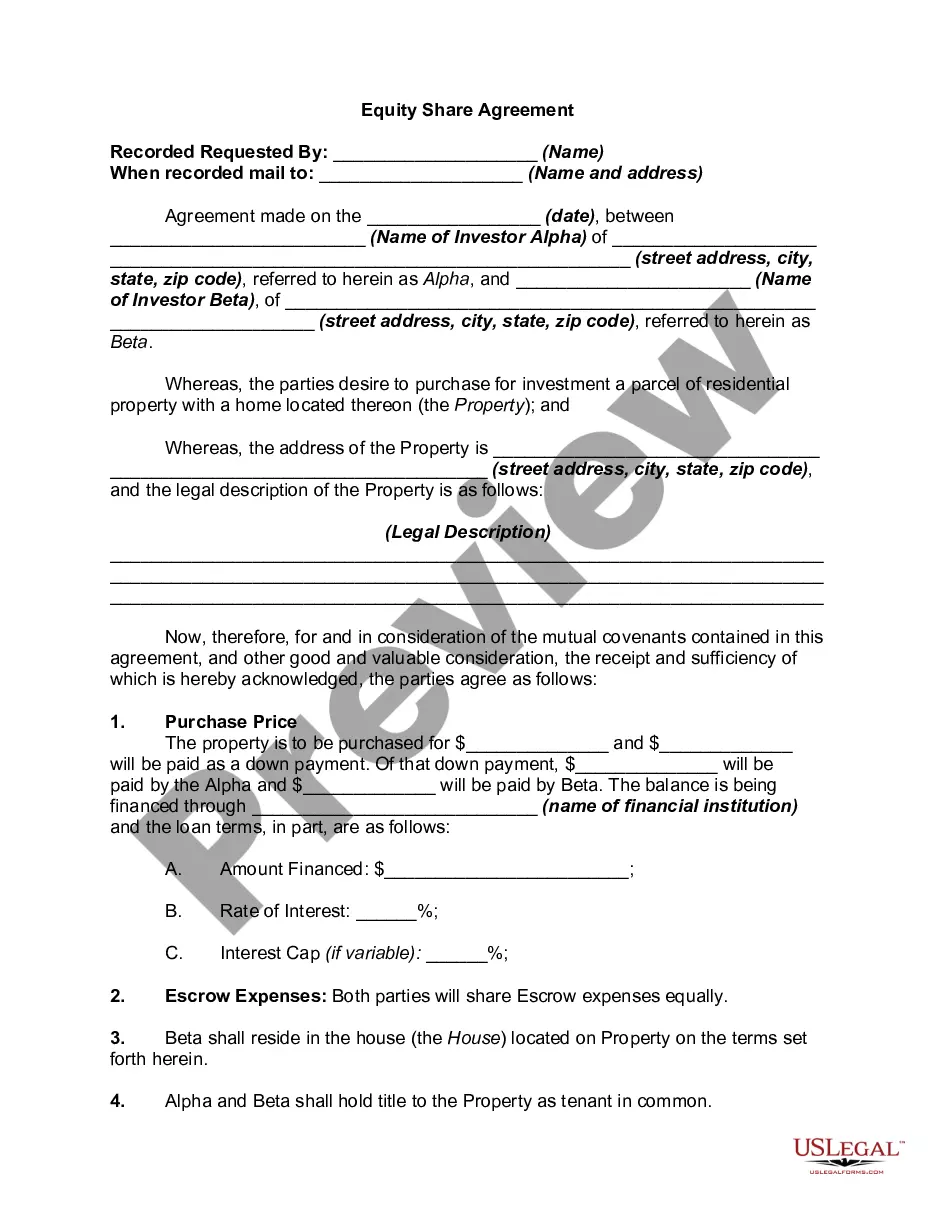

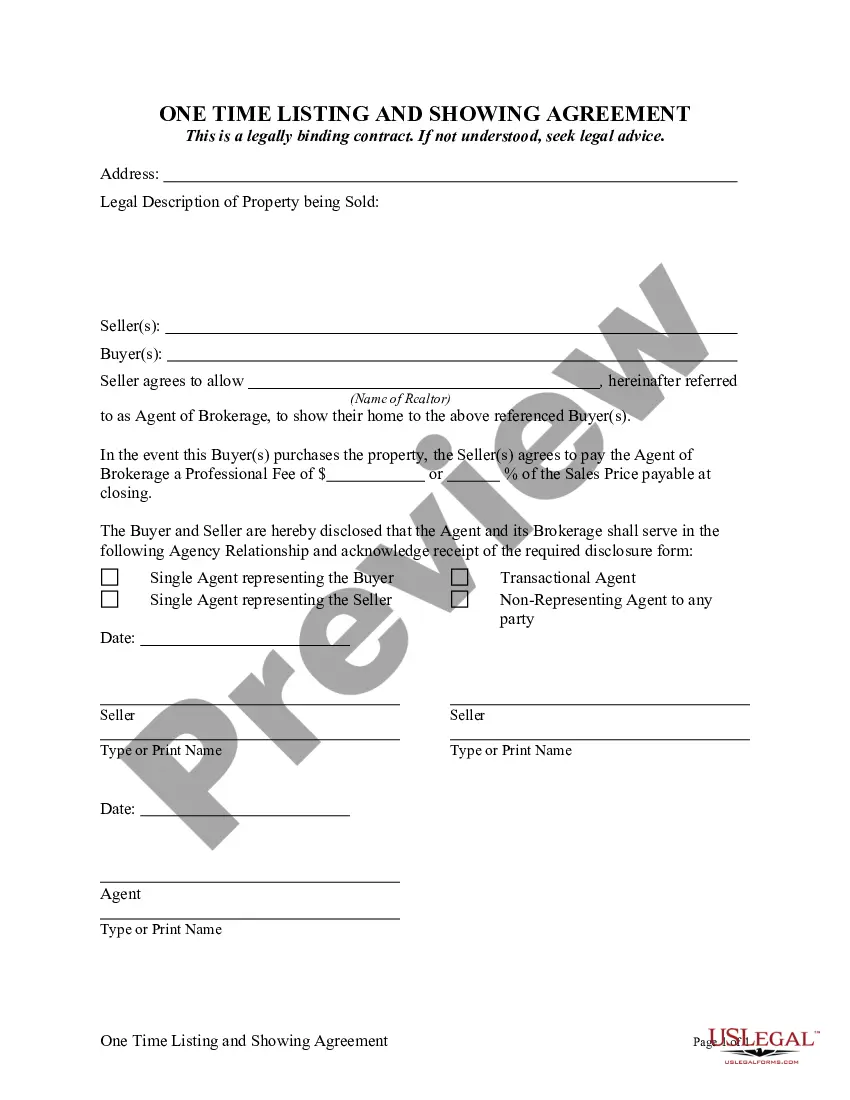
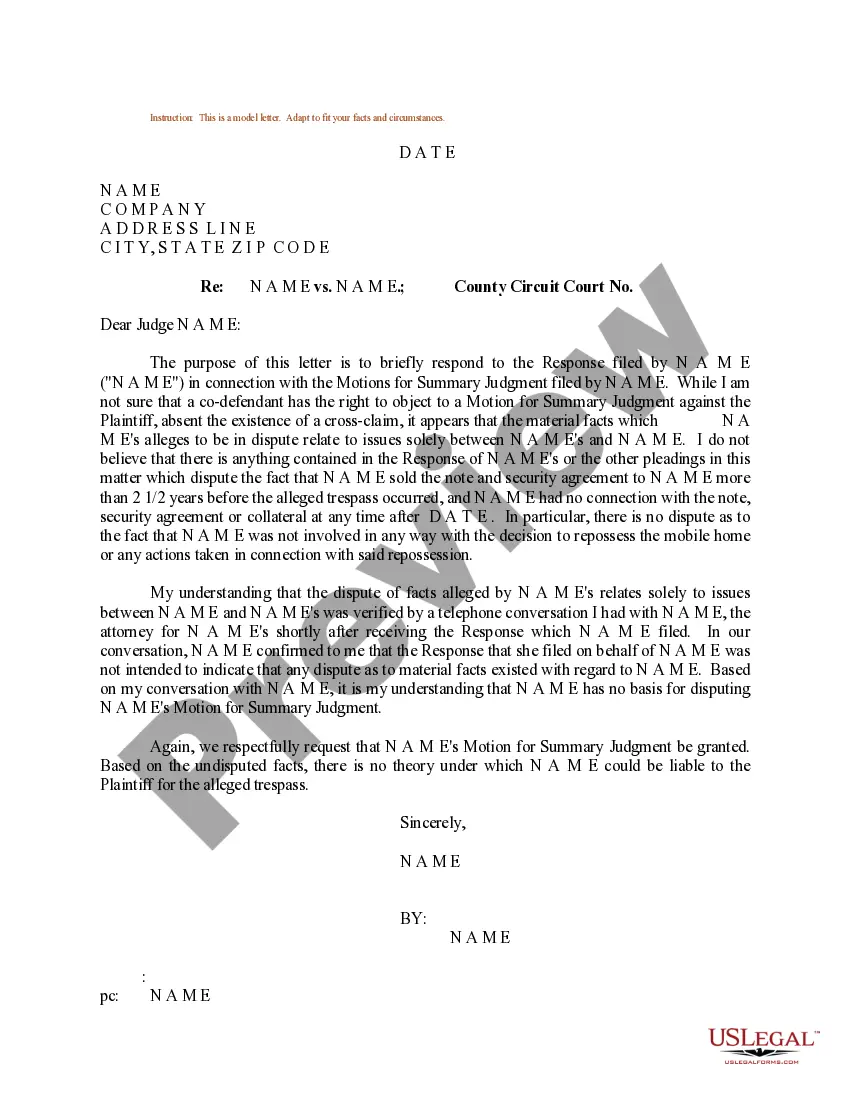
How to fill out Sample Letter For Payoff Of Loan Held By Mortgage Company?
Dealing with legal documents and processes can be a lengthy addition to your daily routine.
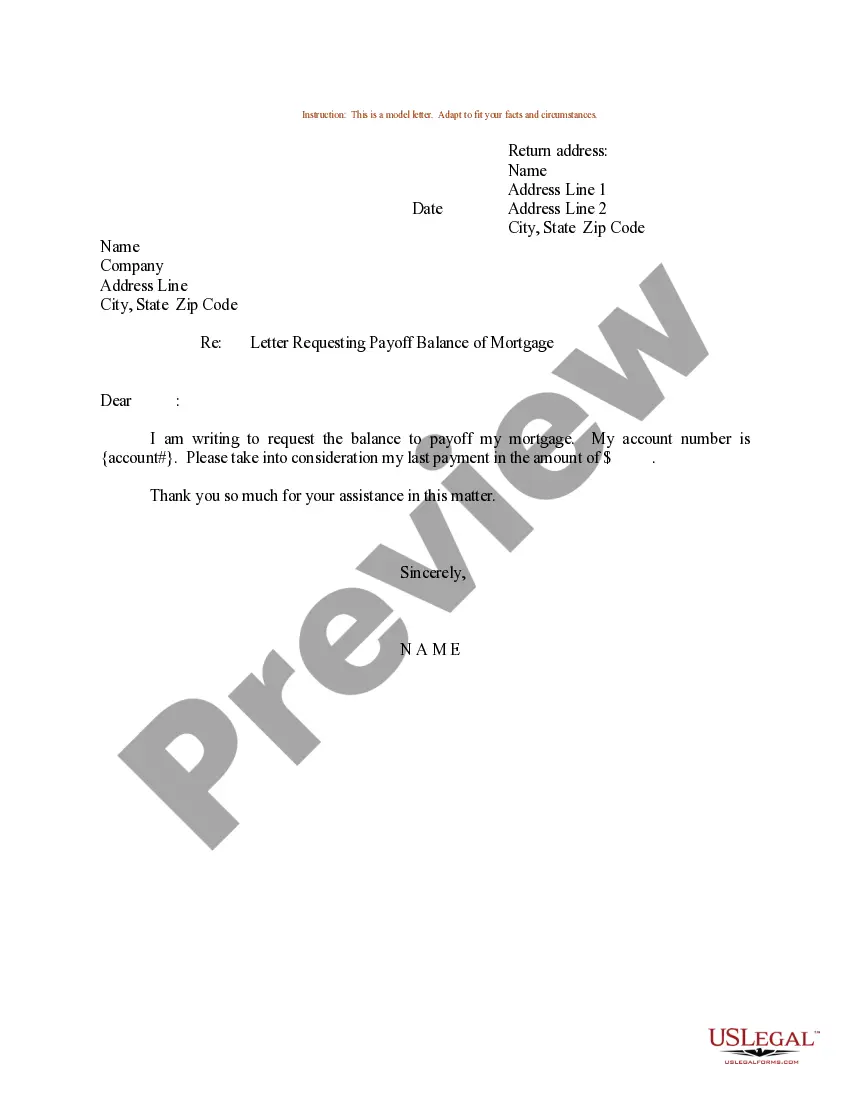
Payoff Letter for Private Mortgage and similar forms typically necessitate that you search for them and comprehend how to fill them out properly.
Therefore, whether you are managing financial, legal, or personal issues, having an extensive and functional online resource of forms readily available will greatly assist.
US Legal Forms is the premier web platform for legal templates, boasting over 85,000 state-specific documents and several tools to help you finalize your paperwork effortlessly.
Is this your inaugural experience with US Legal Forms? Register and establish a complimentary account in a few minutes to gain access to the form library and Payoff Letter for Private Mortgage. Then, follow the outlined steps to complete your form.
- Explore the collection of suitable documents accessible to you with just one click.
- US Legal Forms provides you with state- and county-specific forms available for download at any time.
- Safeguard your document management processes using a reputable service that enables you to create any form within minutes at no extra or hidden charges.
- Simply Log In to your account, search for Payoff Letter For Private Mortgage, and retrieve it instantly from the My documents section.
- You can also revisit forms you've previously downloaded.
Form popularity
FAQ
Finding out the payoff on your mortgage requires you to either check your latest mortgage statement or contact your lender. Mortgage statements usually show your outstanding balance and any accrued interest. If you need a more precise amount or a payoff letter for your private mortgage, reach out to your lender. They will provide this information and can guide you through any steps involved.
Yes, a payoff letter for a private mortgage is generally considered legally binding. It outlines the remaining amount owed and specifies the terms for payoff. When both parties agree and sign this letter, it creates a formal agreement to settle the mortgage debt. This legal aspect ensures clarity and protection for both the lender and borrower.
When writing a 10 day payoff letter, start by clearly stating your request for the payoff amount due for your private mortgage. Include your account number, property address, and a specific date for when you need the information. Make sure to request the total amount that includes any applicable fees and interest calculated until that date. If you need assistance, you can use forms from uslegalforms to help simplify the process of obtaining a payoff letter for private mortgage.
Cash Out Refinance in Texas in 2023: More Changes However, now you can complete a rate and term refinance even if you've completed a home equity loan in the past. Additionally, to cap fees on the home loan, Texas law states that closing costs cannot exceed 2% of the new loan amount.
A Texas Section 50(a) (6) mortgage loan must be secured by a single-unit primary residence constituting the borrower's homestead under Texas law. Loans secured by two- to four-unit properties, investment properties, or second homes are not eligible.
Per Texas law, the maximum allowable LTV and combined LTV for any Texas Section 50(a)(6) loan is 80%, notwithstanding any conflicting provisions of this Guide or any specific DU recommendation or finding.
The Truth in Lending Act (§108(e)) requires restitution when a disclosure error involving an understated APR or finance charge exceeds the allowed tolerance and results from a ?clear and consistent pattern or practice of violations.? The term ?pattern or practice? is not defined by the Act, Regulation Z or the Official ...
This Texas 50(a)(6) loan allows borrowers to take equity out of a homestead property under certain conditions. The Non-Home Equity program, Texas 50(a)(4), allows for a rate or term refinance of an existing Texas Home Equity loan.
Many lenders typically require that you have a credit score of at least 600 and a debt-to-income (DTI) ratio no more than 35%.
Article XVI Section 50(a)(6) of the Texas Constitution permits homeowners to borrow against the equity in their primary residences. The Texas Constitution, however, imposes substantial restrictions under which (a)(6) loans may be originated and closed.